The United States and the Gulf: Trapped in transition?
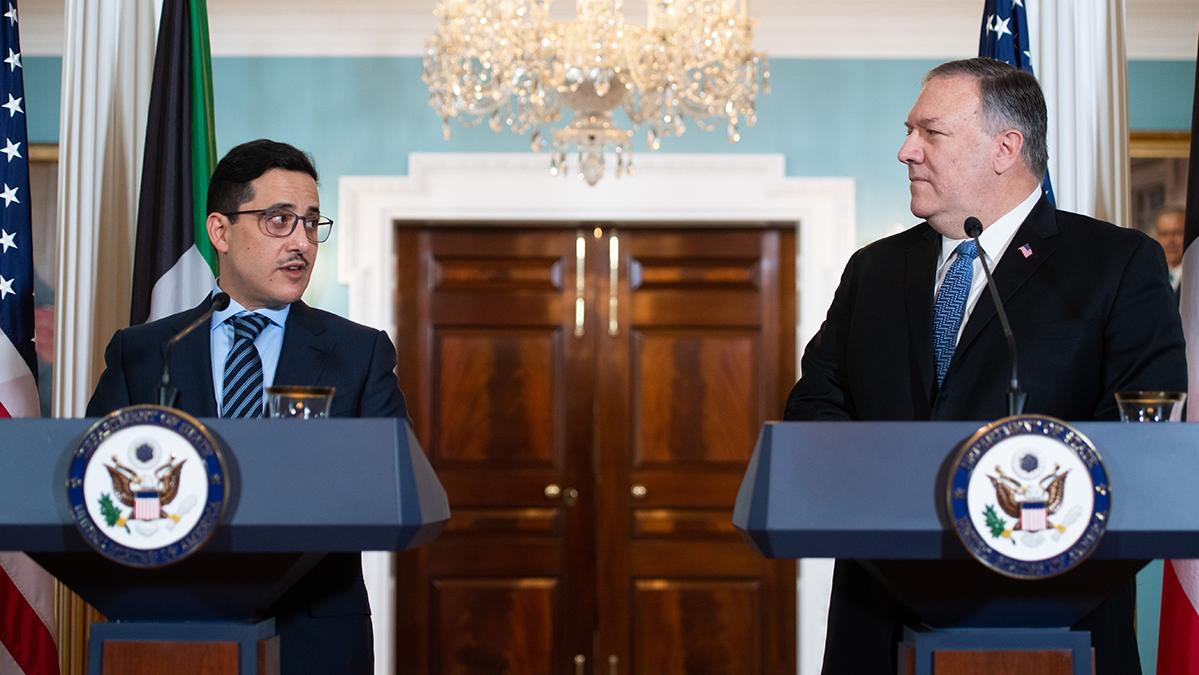
The mixed messages and pendulum swings in U.S. Gulf policy in recent years are rooted in and have further fueled deep questioning and a largely unresolved debate within the United States about America’s role in the region, and indeed in the world. Like the U.S., relations between the GCC and Iran are locked in confrontation. Breaking this impasse requires decisive U.S. reengagement in Gulf affairs led by vigorous, sustained diplomacy that promotes intra-GCC reconciliation and supports efforts aimed at tempering the Saudi-Iran strategic rivalry.
Let justice be done: Respect for female land rights in the Middle East and North Africa
Ownership of economic resources is integral to exercising agency and to assuring the human security needed to live free from fear, want, and indignity. In agrarian societies, land and its natural resources are instrumental to financial, physical, and psychological wellbeing. Yet in half the world, secure land ownership is out of reach for most females. In the Middle East and North Africa (MENA), there is a huge gender-based gap in holding agricultural land, including where agriculture is a vital source of livelihood. In Egypt, Morocco, Sudan, Tunisia, and Jordan, most females, regardless of their education or socio-economic status are landless. Gender-based inequalities are often rooted in cultural norms that permit and exacerbate patterns of discrimination against females within the family and in economic transactions. These discriminatory attitudes trump humanistic and moral considerations, creating and reinforcing inequality. Discrimination against females in resource ownership has far-reaching implications for their lives, their families, and society. It is imperative to combat this regressive practice to ensure a dignified life for all.
Political support, not terrorist designation, is key to moving forward in Yemen
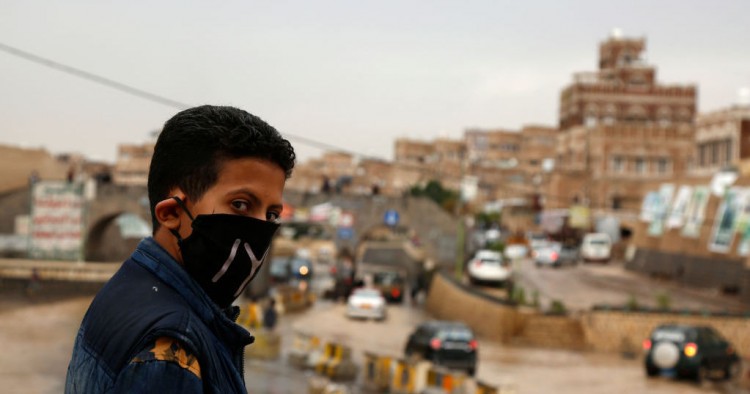
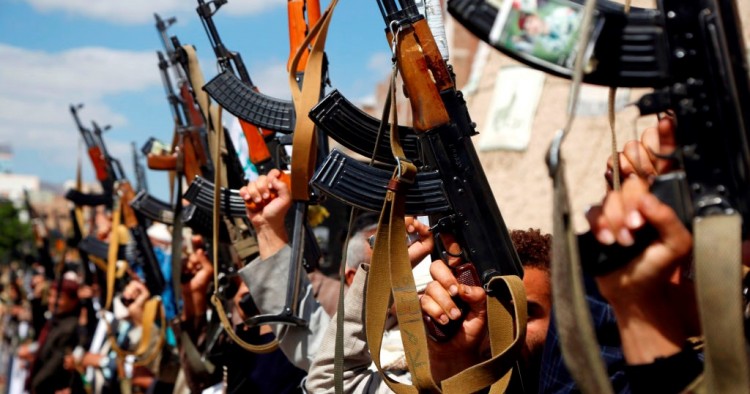
Now is the time for a political reset in Yemen — and the United States must play an important role. This role must include encouraging all sides toward a more inclusive political process that reduces violence and raises Yemeni and international voices, and moves toward specific and achievable objectives over time. Solutions that purport to be either speedy or simple are, in fact, quite dangerous. To that point, the current administration’s consideration of designating Ansar Allah (the Houthi movement) as a foreign terrorist organization (FTO) will not help advance the United States or the other various participants in this conflict toward a durable strategic settlement.
The Fakhrizadeh assassination: A major failure for Iranian intelligence
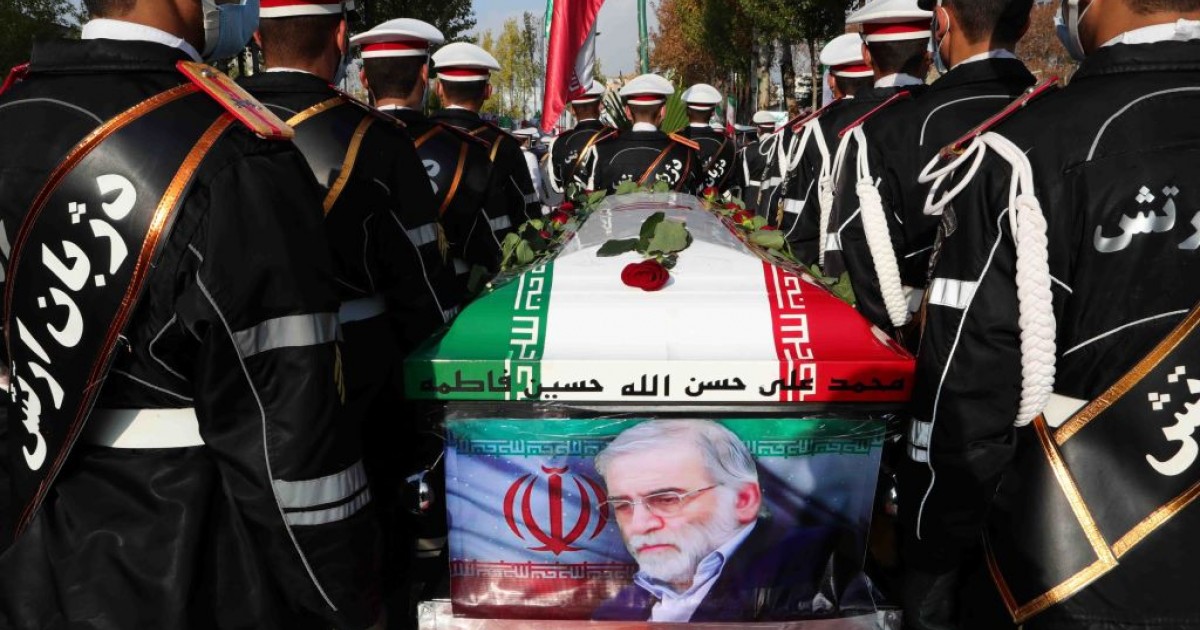
The assassination of Mohsen Fakhrizadeh, the most important figure in Iran’s nuclear program, in late November 2020 is a major failure for Iran’s intelligence services. Despite all the secrecy and the emphasis on protecting Fakhrizadeh, however, he was still assassinated in the Absard area, about 70 km from Tehran, on Nov. 27. Why was he killed despite such a high level of protection, and what effect will his death have on the Iranian regime’s intelligence and security structures?
In our final episode of the year, host Alistair Taylor interviews several MEI scholars on the key events that transpired across the Middle East in 2020 including in Iraq, Iran, and Afghanistan, and they discuss US defense and diplomatic strategy in region as the as the transition to the Biden administration gets underway. Guests include Paul Salem, Bilal Saab, Randa Slim, and Marvin Weinbaum.
Putting up a fight: Tunisia’s counterterrorism successes and failures
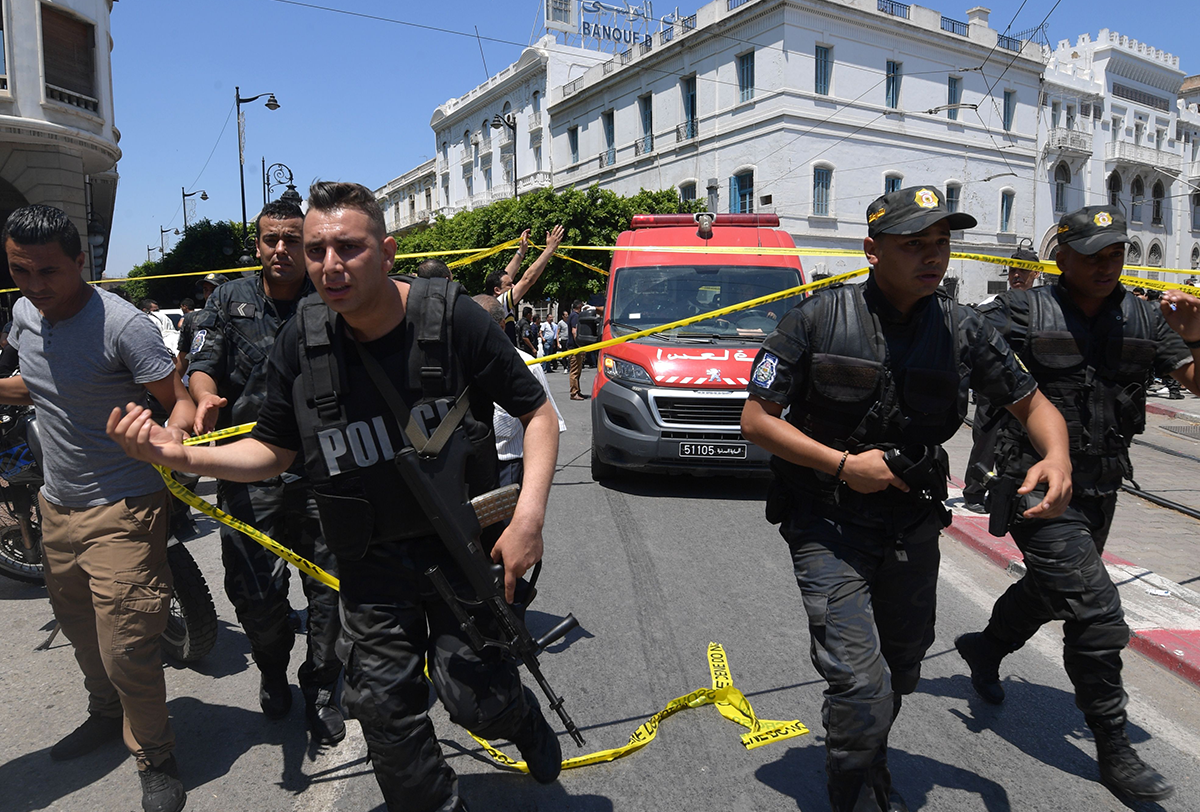
Alongside a stalled economy and a messy political transition, the decade since the 2011 revolution has left Tunisia with an intermittent yet ferocious terrorism problem. The frequency of terrorist attacks highlights the dangers posed by an uncertain political environment, widespread economic problems, and regional instability. But the fact that they have become less deadly over time also seems to underline the improvements that successive governments have made to Tunisia’s security apparatus.
On Dec. 3, MEI’s Program on Palestine and Palestinian-Israeli Affairs convened a webinar on the future of Palestinian refugees and their place in the policy discourse following the election of President-elect Joe Biden and the departure of the Trump administration. Below is a summary of the major takeaways from the event, organized by topic.
Weighing the scales of violence in northwest Syria
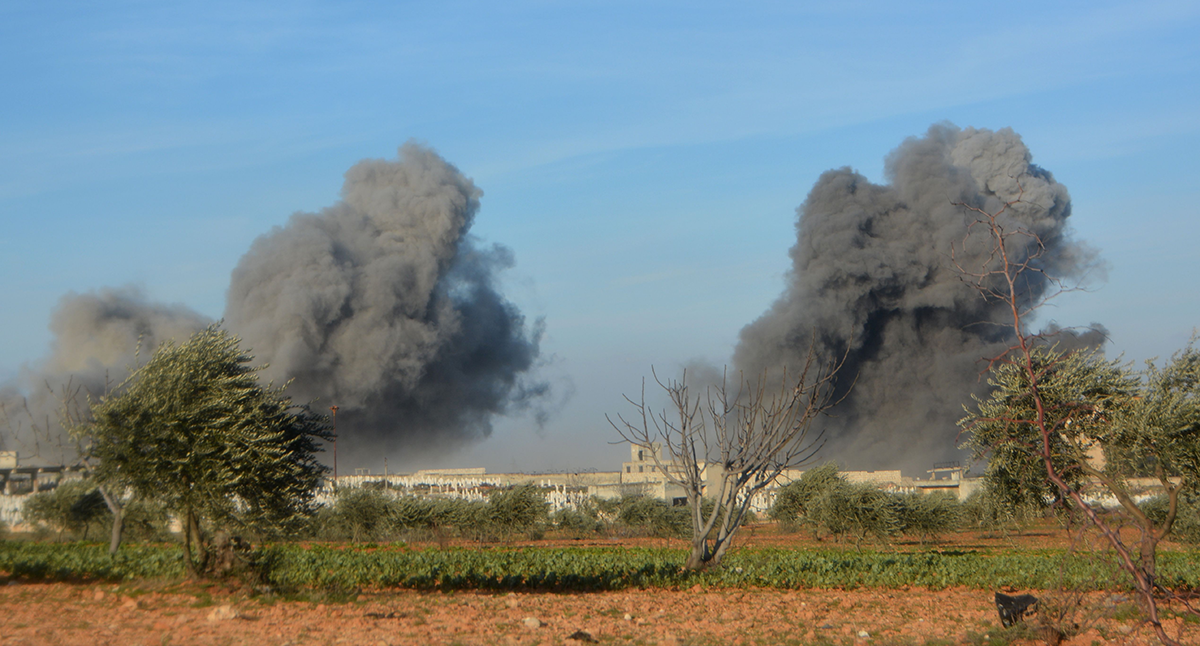
When looking at a map of all artillery and airstrikes in the period from November 2019 through November 2020, first, it is quite clear that the majority of attack are carried out by either Syrian, Russia, or pro-government forces across the northwest of the country, save for northern Aleppo, where the Turkish military is more active.
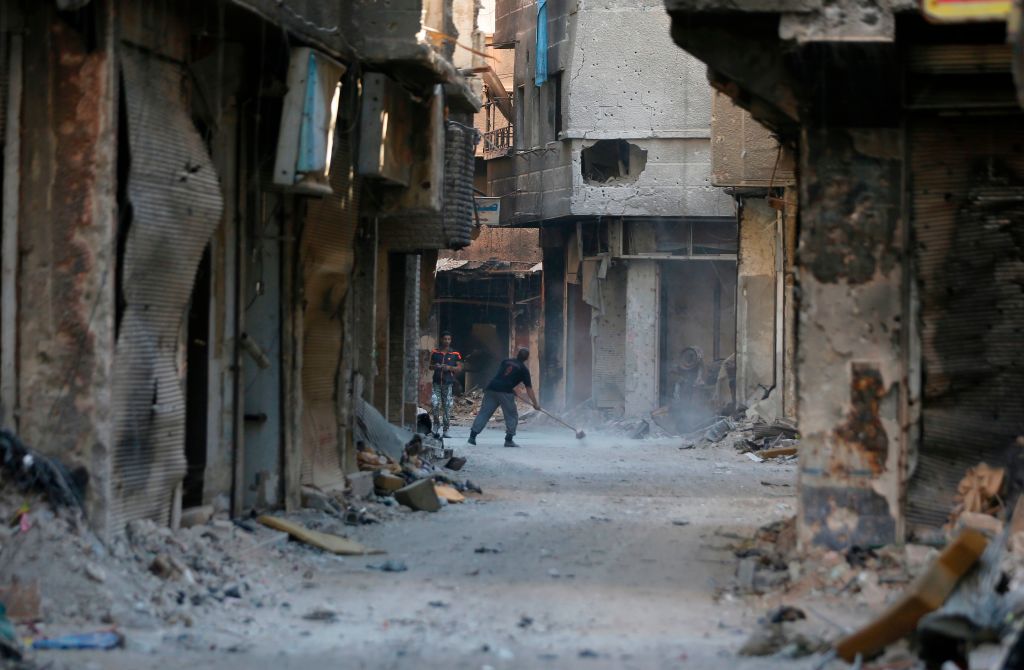
Now in its sixth year, the war in Yemen shows no signs of abating. The country faces what is widely considered the world’s worst humanitarian crisis — a situation that has only been exacerbated by the global coronavirus pandemic. As a new administration prepares to take over in Washington, it is a natural time to assess U.S. policy toward the country. We asked 9 experts to provide their perspective and answer the following question: How should the Biden administration approach Yemen?
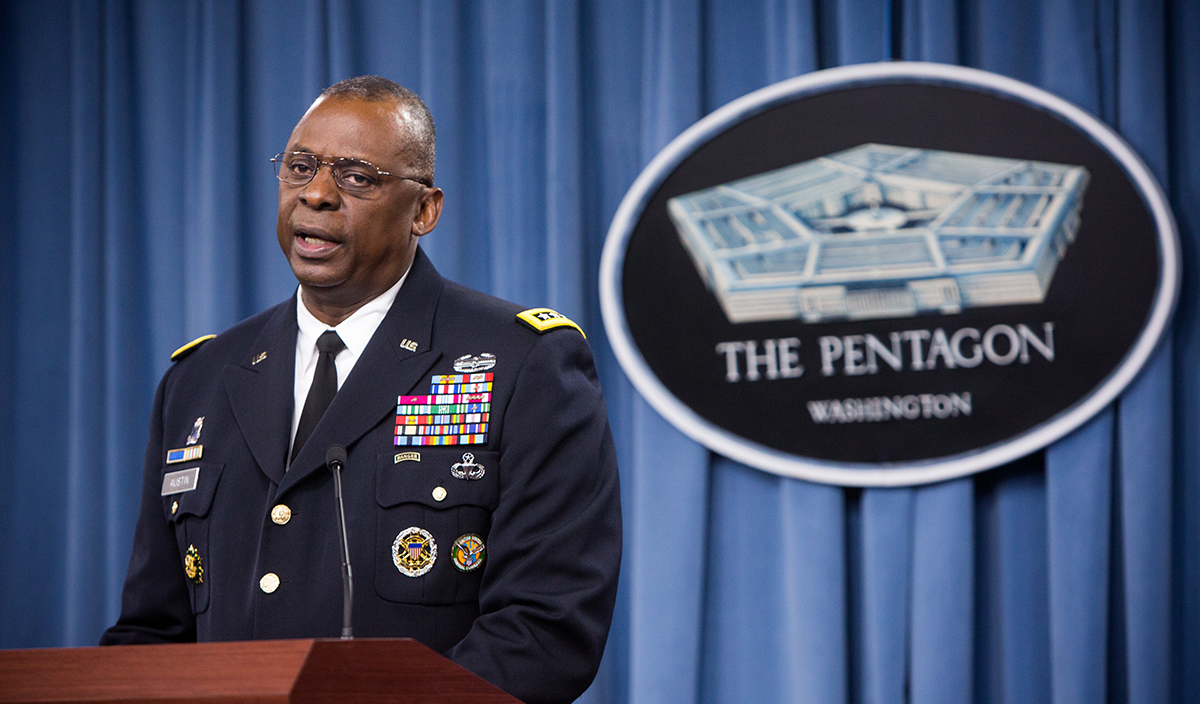
For someone who’s on the record strongly supporting Michèle Flournoy, the former under secretary of defense for policy in the Obama administration, to serve as President-elect Joe Biden’s secretary of defense, I don’t believe the choice of Lloyd Austin is as troubling as many portray it to be. He’s an impeccable and loyal public servant who will bring a wealth of relevant experience to the job. He is more than qualified. And he enjoys the full trust of Biden, which is indispensable.
Economic desperation and dependence are driving the Palestinian Authority’s political decisions
Faced with the Trump and Netanyahu governments’ persistent dismissal of the Palestinians and their rights, the PA has spent the better part of the last three years threatening to terminate all relations with Israel, and even to withdraw the Palestine Liberation Organization’s (PLO) recognition of Israel. The deteriorating situation culminated in Palestinian President Mahmoud Abbas’ May 2020 declaration that the Palestinian leadership was absolved “of all the agreements and understandings with the American and Israeli governments.” Notwithstanding previous similar warnings from Abbas in recent years, the announcement prompted speculation among Palestinian political parties, Palestinians at home and in the diaspora, scholars, activists, and journalists over the future of Palestinian politics in the post-Oslo era.
DIY futures in the Middle East: What if small got bigger?
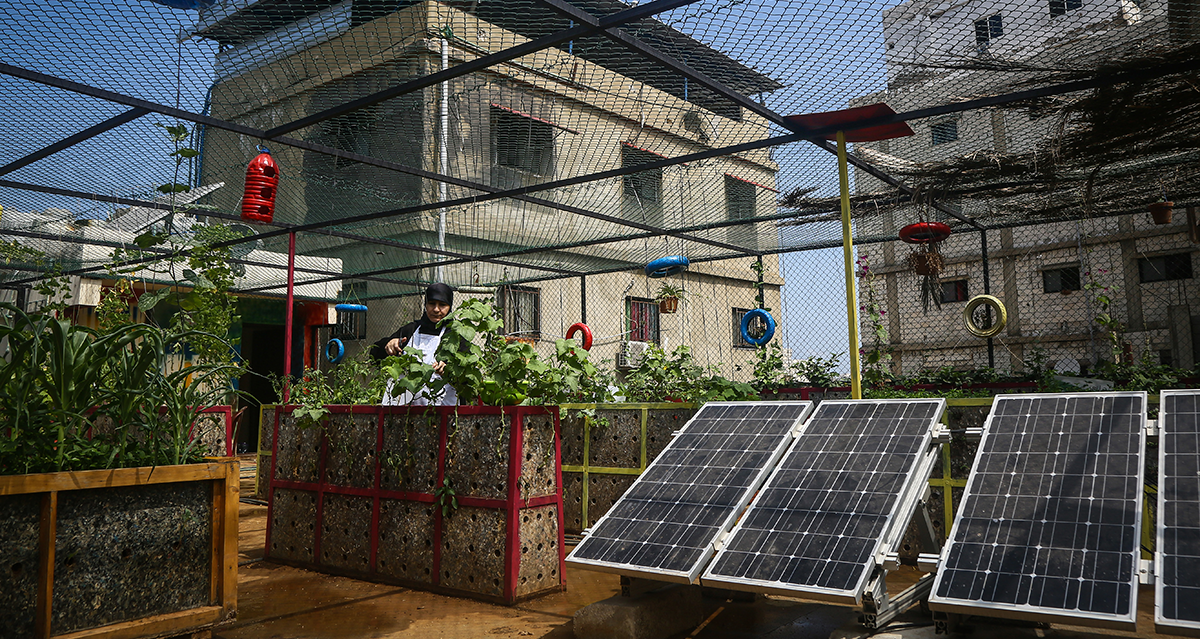
It’s difficult to look at the Middle East and consider its future optimistically. Much of the analysis of the region centers on crisis and collapse. There is plenty of both, fueled by wars and civil conflicts, poverty, extremism, and more. Given the human toll, focusing on all this is natural. It is also necessary if solutions to deeply rooted problems are ever to be developed, leading to a better future.A related risk is becoming blinded to “weak signals” — early indicators of what could become features of potential alternative futures. Weak signals are developments that are emerging outside the dominant norms and trends of today. In the Middle East, probably the most dominant norm is the inability of governments throughout the region to provide security and prosperity for their citizens. The COVID-19 pandemic is making this even more apparent, and markedly worse. It is not just the obvious failed states — as Steven Cook recently observed, “sometimes state failure is a more chronic condition.” But in the midst of this — and fueled by it — there is evidence of activities at the local level to create what is missing. Could these be signals of a future different than the one it is so easy to expect for the region?
State of play for Middle East cybersecurity leaders
This new white paper distills the findings of the Middle East Institute panel “State of Play for Middle East Cybersecurity Leaders,” a discussion held in September 2020 about the unique threats, best practices, and corporate landscape in the Middle East and North Africa region.