Saudi Arabia’s oil price war could reshape the industry
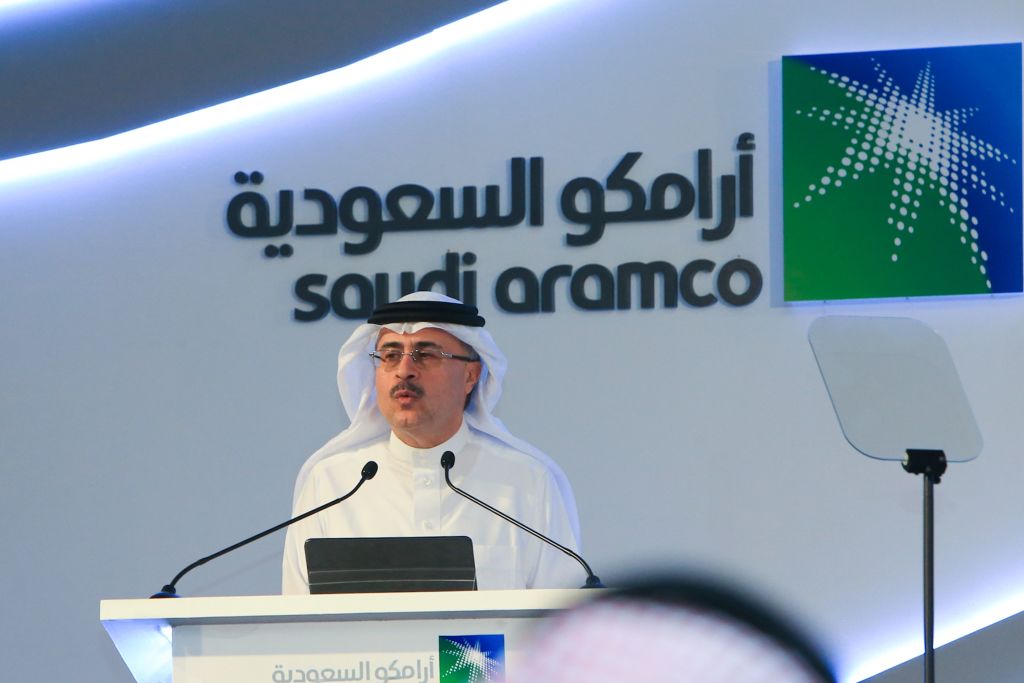
Saudi Arabia declared a price war against Russia in early March to prove a point: that it can offer an unprecedented supply of 12.3 million barrels per day (bpd), way above the record 11 million bpd it reached in November 2018, and expand its market share at the expense of Moscow. As the coronavirus pandemic brings the world to a standstill, the question is how long it can sustain this war.
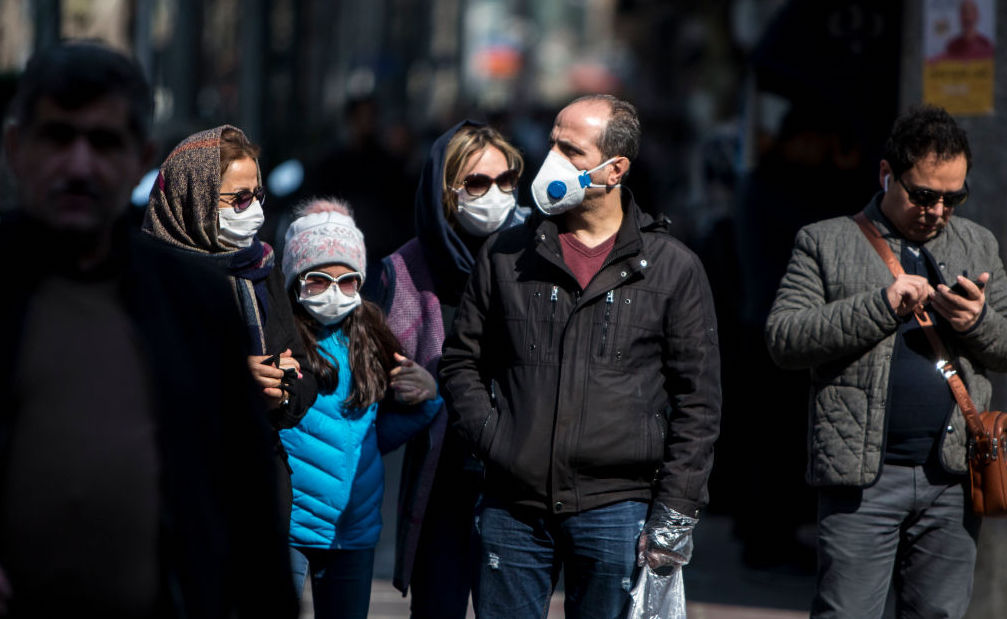
MEI’s Paul Salem, Khaled Elgindy, and Fatima Abo Alasrar join host Alistair Taylor to discuss the coronavirus pandemic’s impact on the Middle East as nations scramble to contain the spread of COVID-19 and the massive humanitarian and economic toll it could take on already vulnerable populations.
The fight for Syria’s skies: Turkey challenges Russia with new drone doctrine
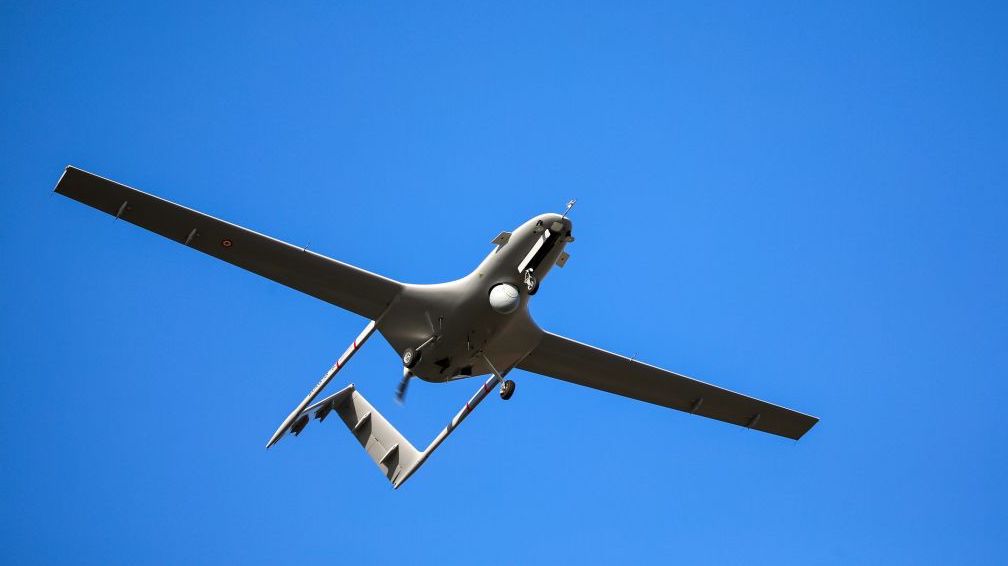
In retaliation for an airstrike that killed 33 Turkish soldiers at the end of February, Ankara launched “Operation Spring Shield” (OSS) against the Syrian regime and the pro-Iranian militias supporting it. Despite being unable to rely on its fleet of F-16s due to Russia’s control of the Syrian airspace over Idlib, Turkey managed to successfully wipe out a large portion of Assad’s army in the area within just a couple of days by making innovative use of drones.
The Houthis’ response to COVID-19? Pre-emptively blame their enemies
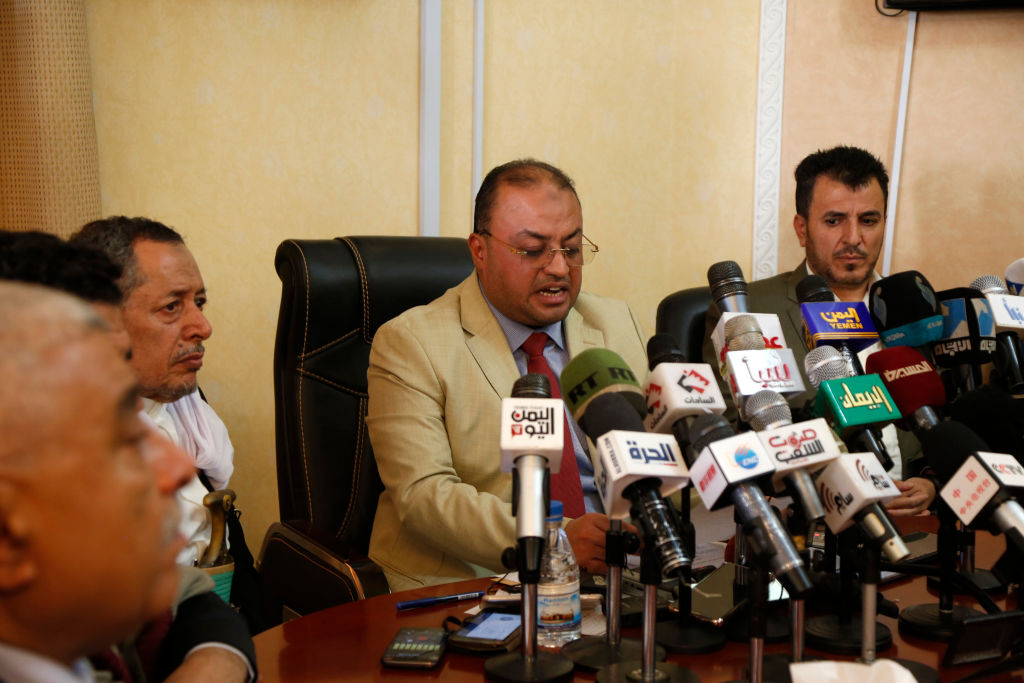
By keeping the focus on Saudi Arabia, the UAE, and the U.S., and covering up Iran’s failure in dealing with the pandemic, the Houthis are trying to absolve themselves and their patrons of responsibility.
Democrats ought to build a moral firewall around Syria policy, establishing a framework for understanding the Syrian conflict and debating policy options.
Normalizing Houthi gains in Yemen puts Marib at serious risk
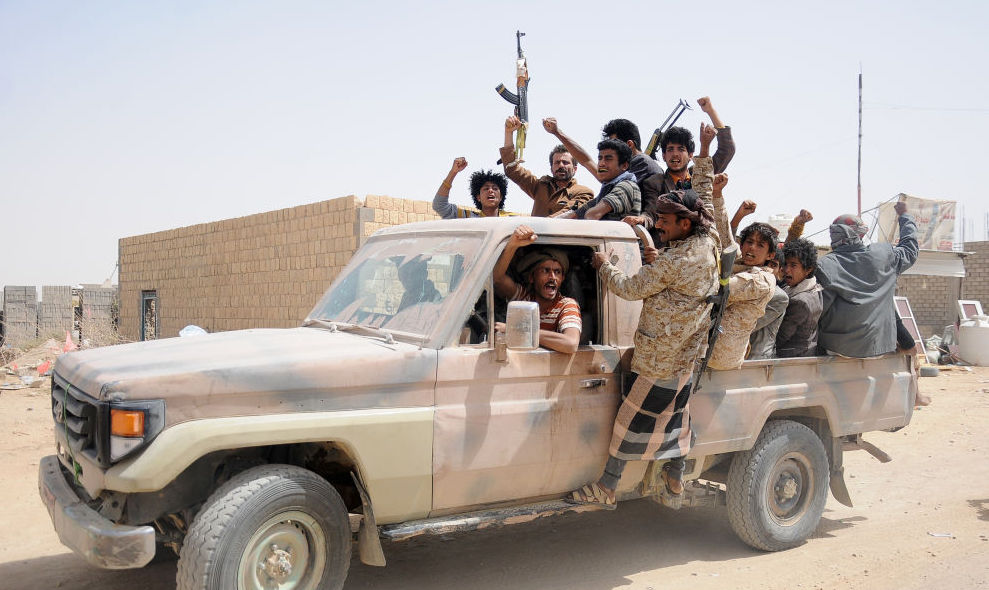
Just a week after Houthi rebels took control of al-Hazm, the capital of al-Jawf Province, on March 1, UN Special Envoy for Yemen Martin Griffiths paid an unprecedented, one-day visit to the Houthis’ likely next target, oil-and-gas-rich Marib, reiterating the urgent need for de-escalation.
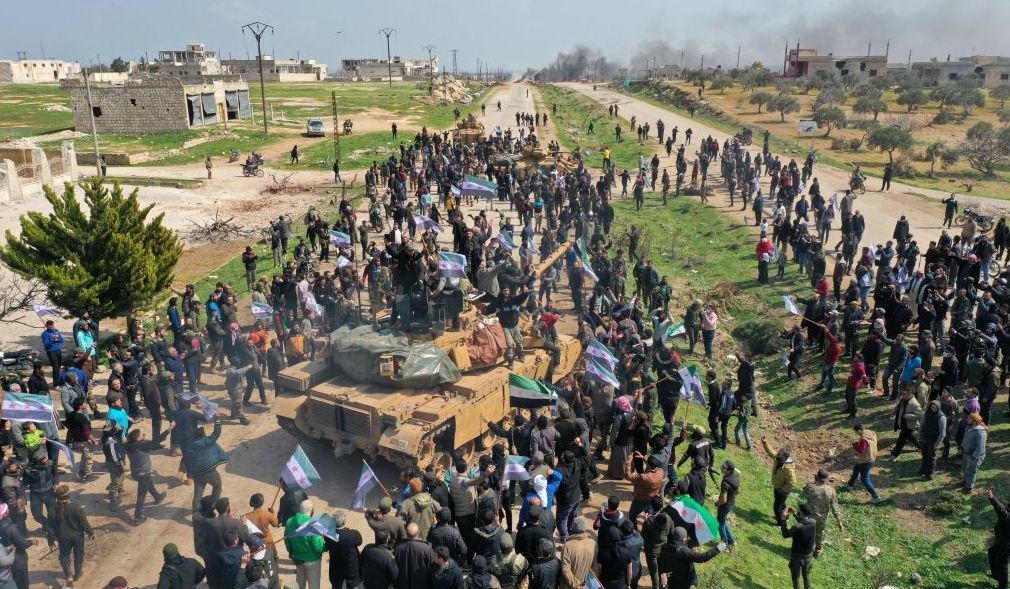
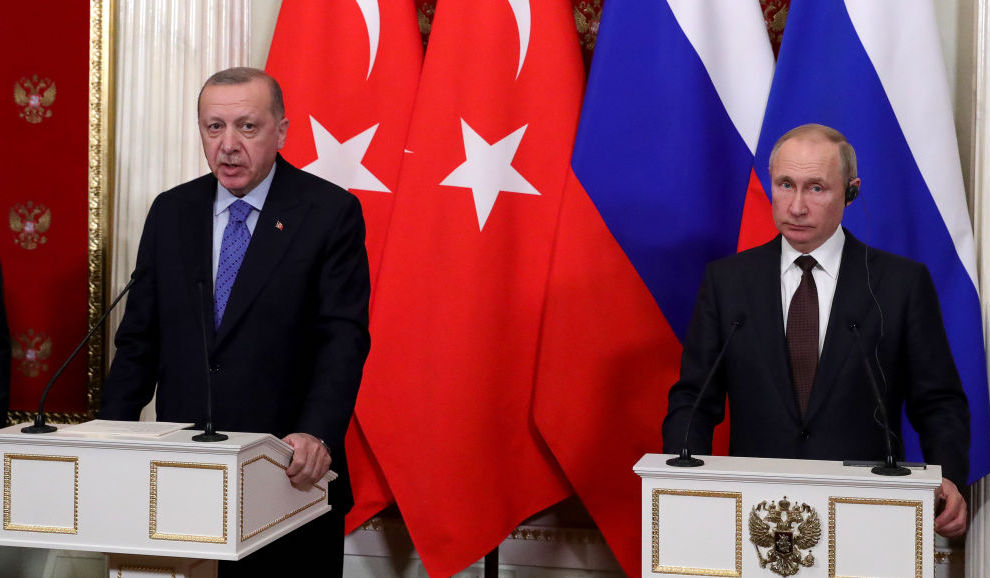
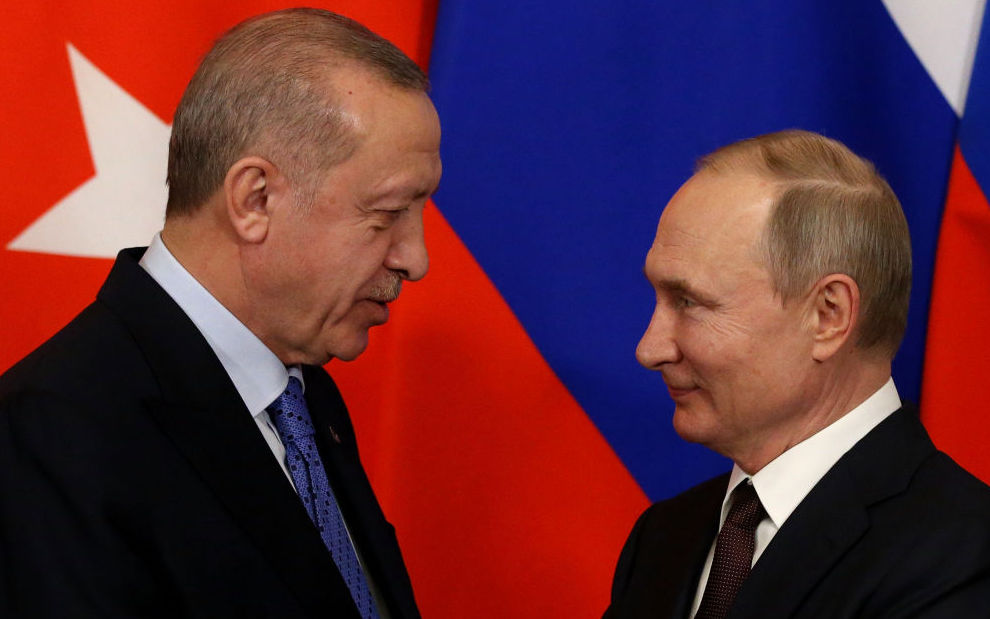
In changing the balance of power on the ground and forcing hostilities to a stalemate, Turkey’s military intervention in Idlib had produced its desired effect. On March 5, Vladimir Putin and Erdogan sat together for six hours and announced to the world a comprehensive cease-fire and the establishment of a secure corridor spanning six kilometers on the north and south sides of the M4 highway.
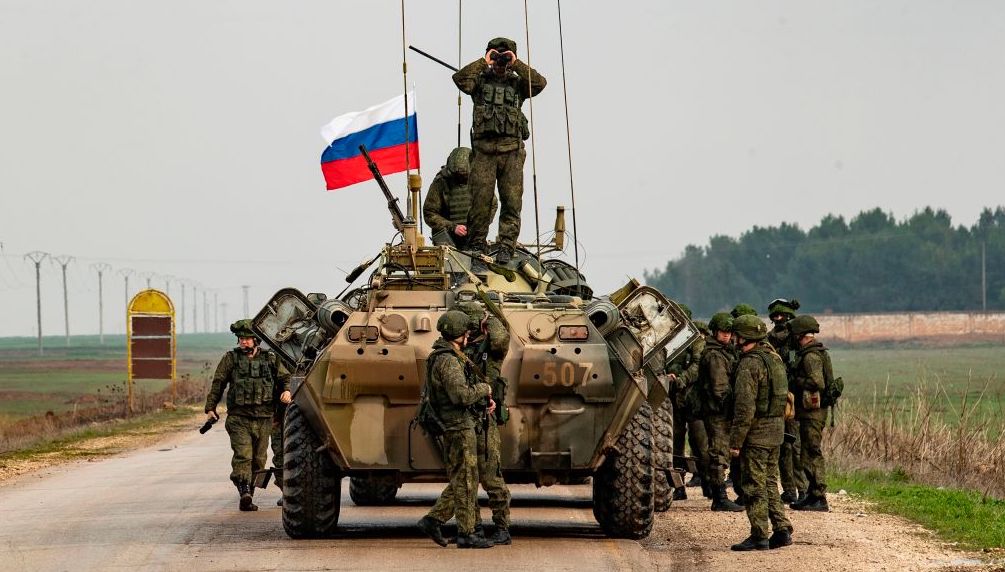
US-Russia standoffs in northeast Syria: Just getting started
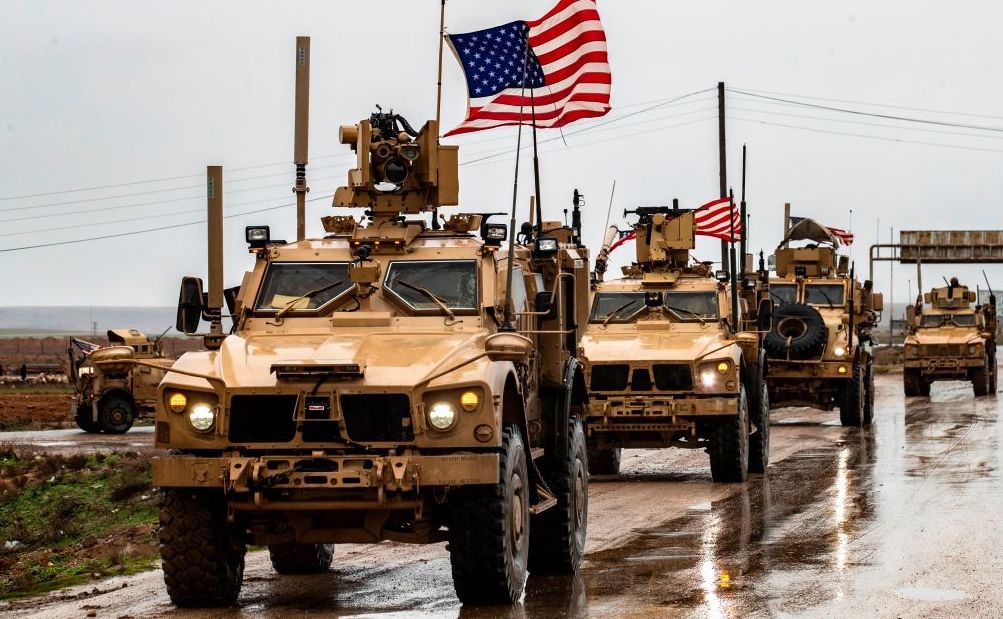
As Syria’s war reaches its ninth anniversary, Russian and U.S. soldiers are increasingly finding themselves face to face — quite literally — in the country’s northeast. A spate of confrontations over the last two months has opened questions about the fate of Syria’s north in the coming year.
Yasmine Farouk and Jean-Francois Seznec join guest host Gerald Feierstein to discuss the past week’s political and economic drama in Saudi Arabia following the detainment of several members of the Saudi royal family and the nation’s launch of an oil price war with Russia, which triggered a massive drop in global oil prices.
After Turkish President Recep Tayyip Erdogan hammered out a deal with his Russian counterpart Vladimir Putin on March 5 to bring an end to the fighting in Idlib in northwestern Syria, he said he was hopeful that the two countries could extend their cooperation to Libya.
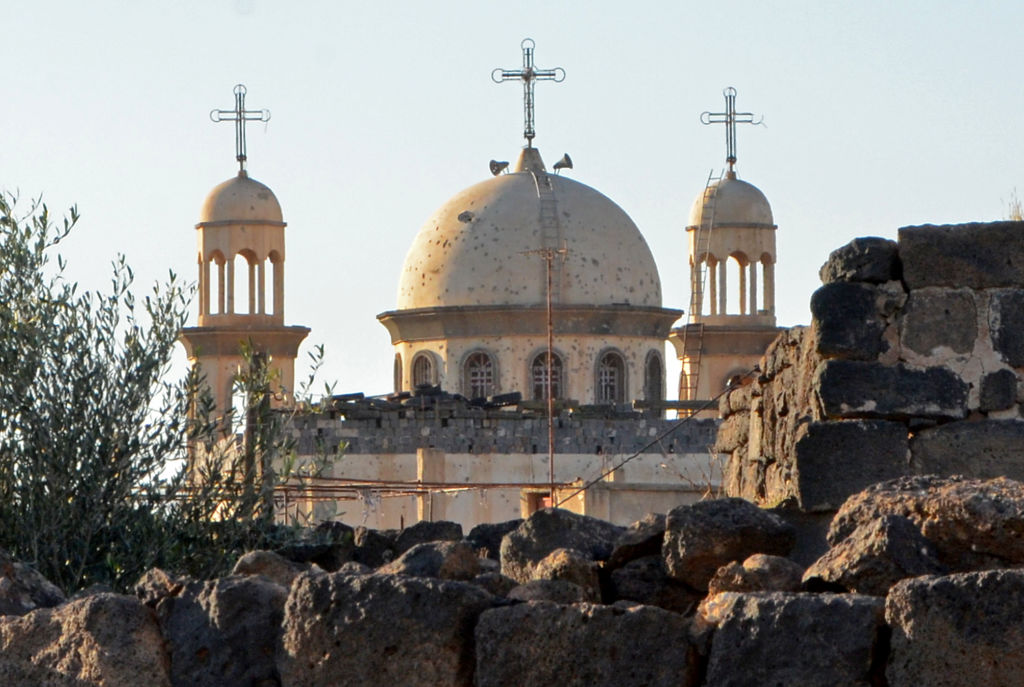
Manufacturing Division: The Assad Regime and Minorities in South-west Syria
Minority communities in south-west Syria have shrunk to a fraction of their pre-2011 size, and the regime’s repressive policies perpetuate a cycle of violence and chaos that prevents their safe return. The regime’s strategy of transforming minority communities into sources of militia fighters has not only led to the deaths of thousands of young Alawite and Shi’a men, but also created sectarian tensions between formerly interconnected communities in south-west Syria. So long as the regime’s policy in the south-west is characterized by violence, the safe and dignified return of displaced Syrians will not be possible. This paper studies current and former minority communities in south-west Syria, the security and economic challenges these groups face, and the manner by which the regime exploits and weaponizes these vulnerable Syrians.
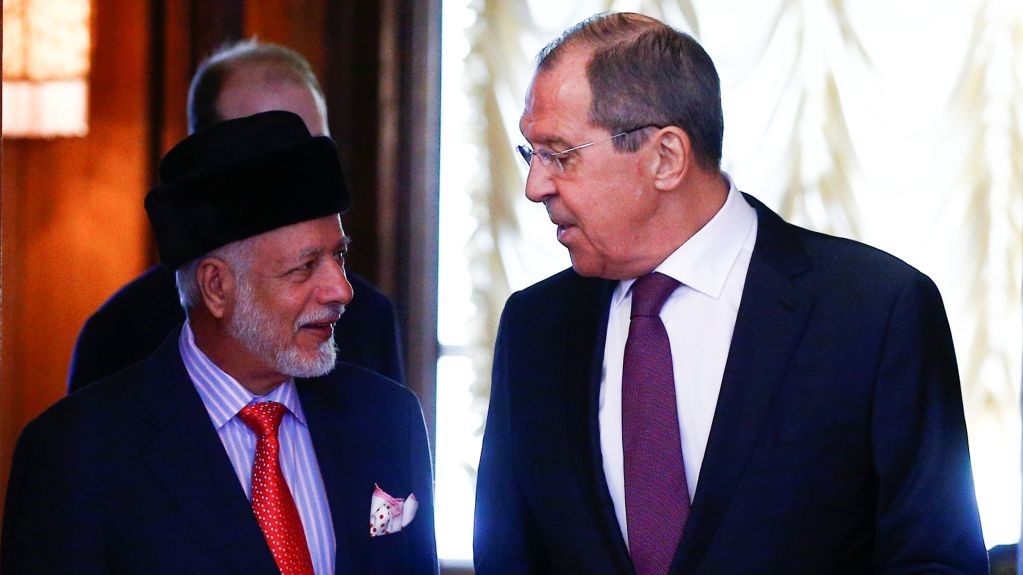
On Feb. 12, the director of Russia’s Foreign Intelligence Service, Sergei Naryshkin, made an official visit to Oman. During his trip to Muscat, Naryshkin engaged with senior Omani officials on strategies to de-escalate tensions in the Persian Gulf, counterterrorism cooperation, and approaches to conflict resolution in Syria and Yemen.