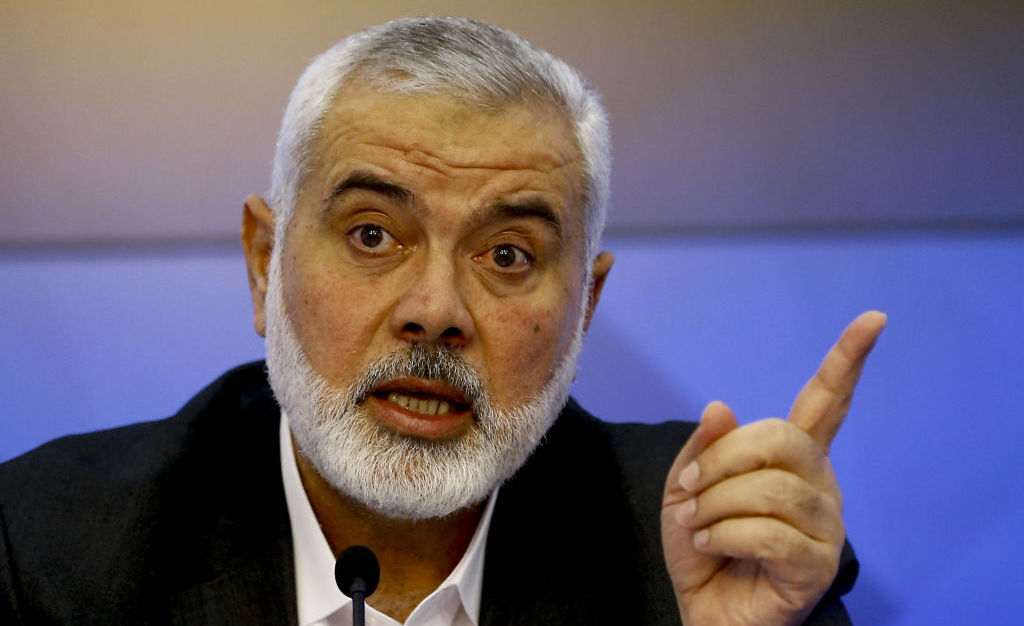
While much of the focus on Russia’s foreign policy toward the MENA region is on Syria and Libya, the dire situation in Gaza is another area where Moscow seeks to play a growing role. From Putin’s perspective, Moscow must involve itself in the Palestinian cause in order to further facilitate Russia’s “return” to the region. In practice, this has entailed Moscow and Hamas improving their relations, underscored by numerous visits and communications between high-ranking Russian government officials and Hamas representatives in recent years.
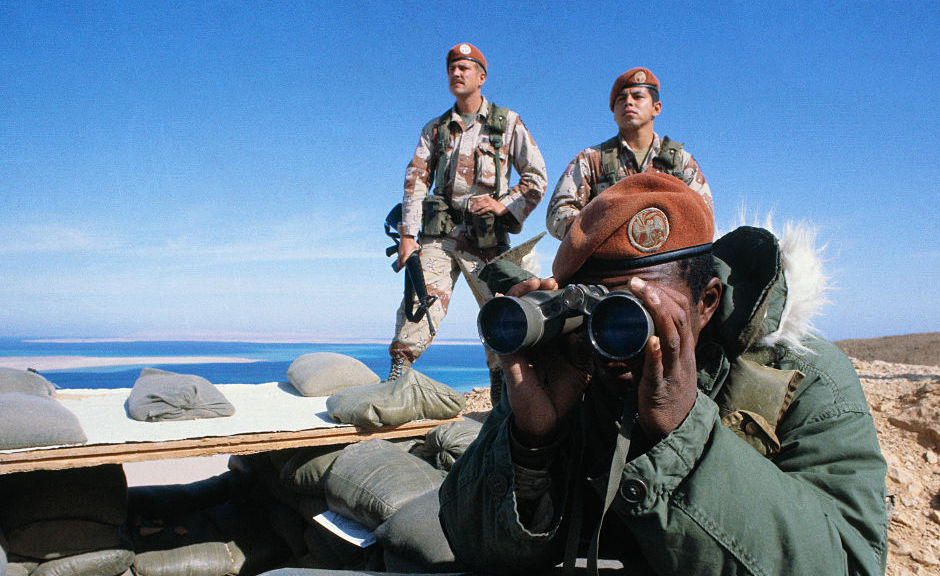
Whither the MFO? The US presence in Sinai has seen its best days
The Sinai-based Multinational Force & Observers (MFO) will soon celebrate its 41st anniversary. Like most of what the MFO does, recognition will be low key and understated. The MFO has always operated under the radar, but this may soon be changing.
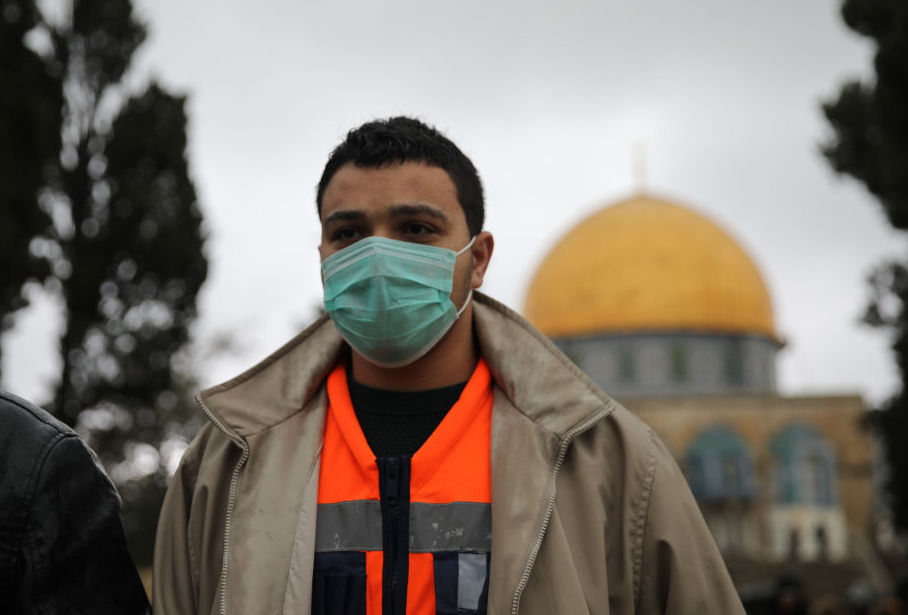
How the coronavirus exposed Israeli occupation's green line
Less than a year after the U.S. State Department removed the term “occupation” from its 2019 human rights report, and just a few weeks after it stopped referring to the residents of East Jerusalem as Palestinians, the coronavirus has exposed the reality of Israel’s occupation of the Palestinian territories like never before.
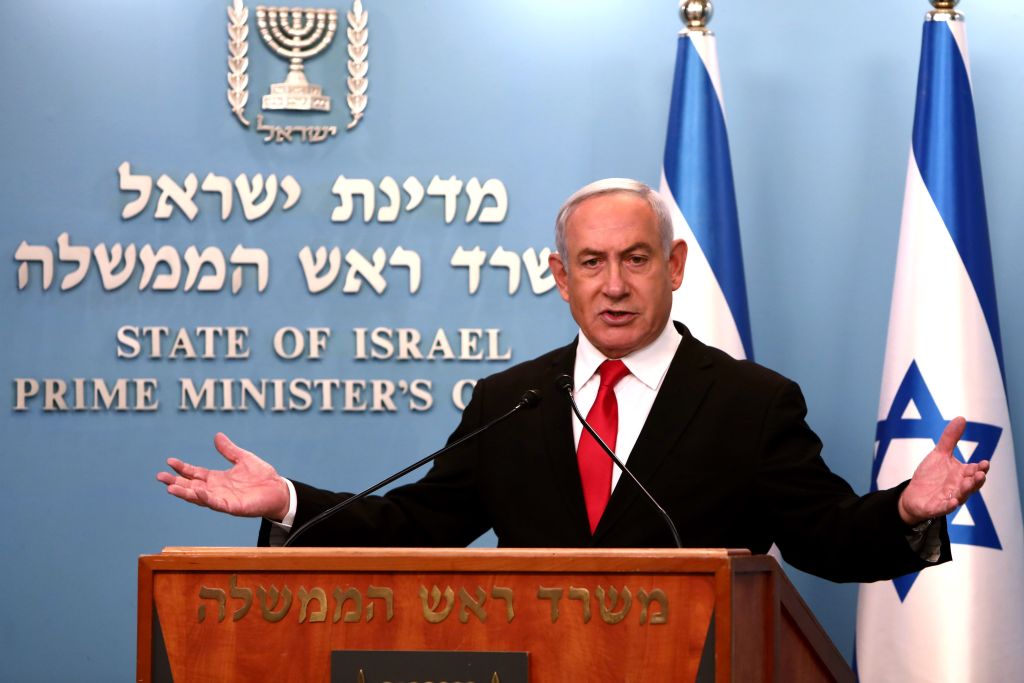
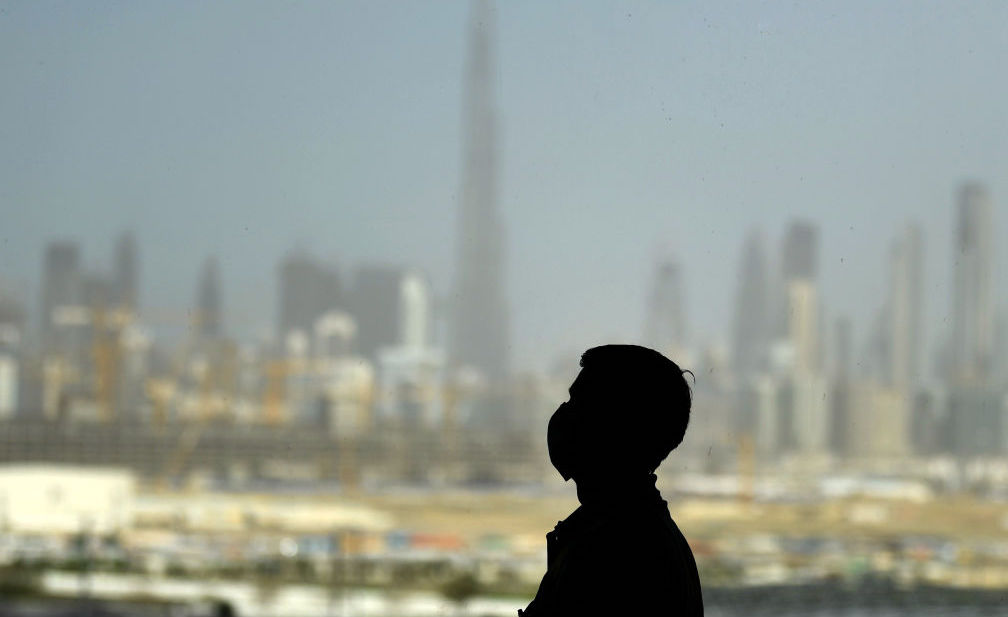
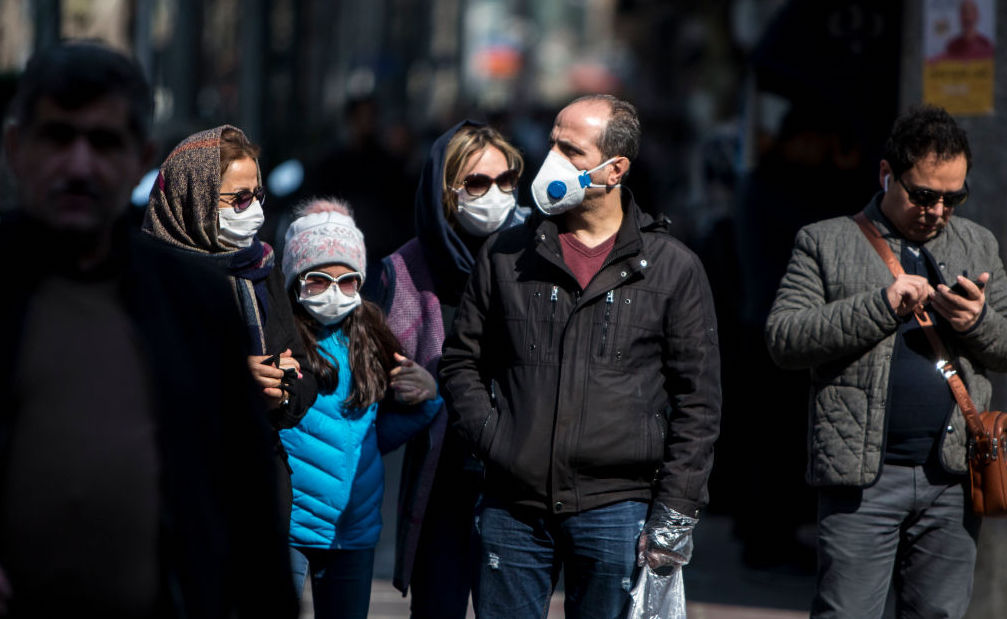
MEI’s Paul Salem, Khaled Elgindy, and Fatima Abo Alasrar join host Alistair Taylor to discuss the coronavirus pandemic’s impact on the Middle East as nations scramble to contain the spread of COVID-19 and the massive humanitarian and economic toll it could take on already vulnerable populations.
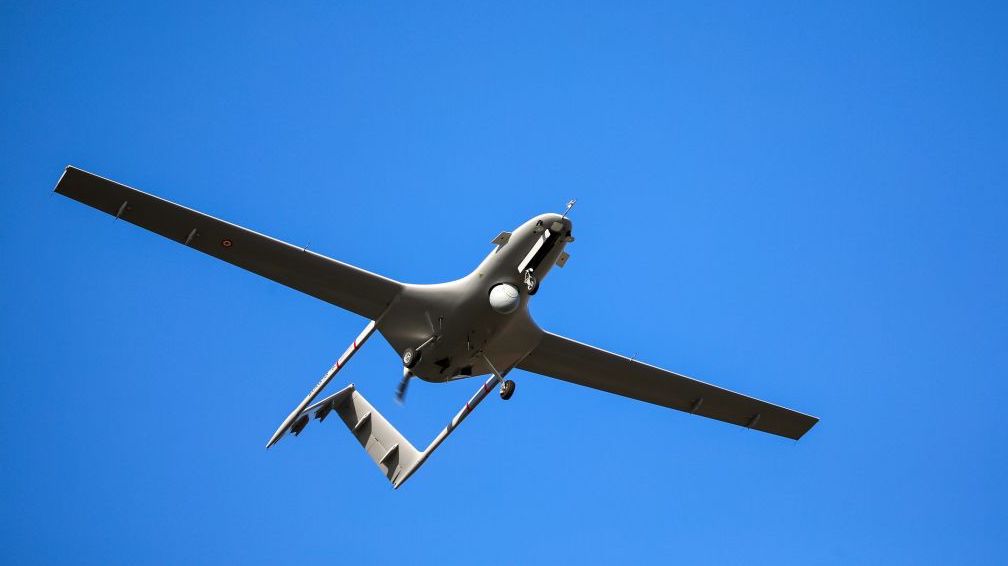
The fight for Syria’s skies: Turkey challenges Russia with new drone doctrine
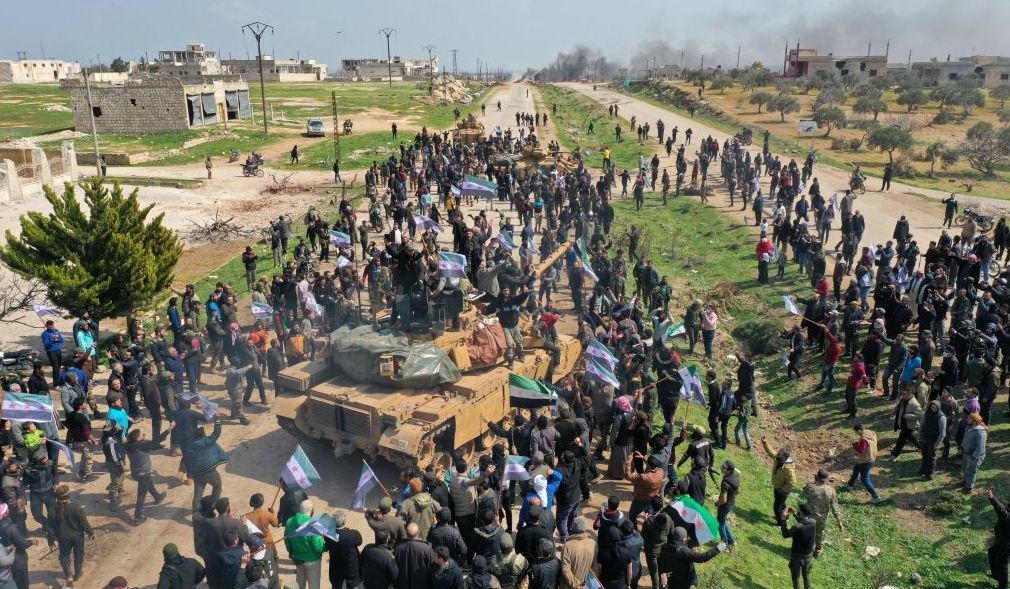
In retaliation for an airstrike that killed 33 Turkish soldiers at the end of February, Ankara launched “Operation Spring Shield” (OSS) against the Syrian regime and the pro-Iranian militias supporting it. Despite being unable to rely on its fleet of F-16s due to Russia’s control of the Syrian airspace over Idlib, Turkey managed to successfully wipe out a large portion of Assad’s army in the area within just a couple of days by making innovative use of drones.
Democrats ought to build a moral firewall around Syria policy, establishing a framework for understanding the Syrian conflict and debating policy options.
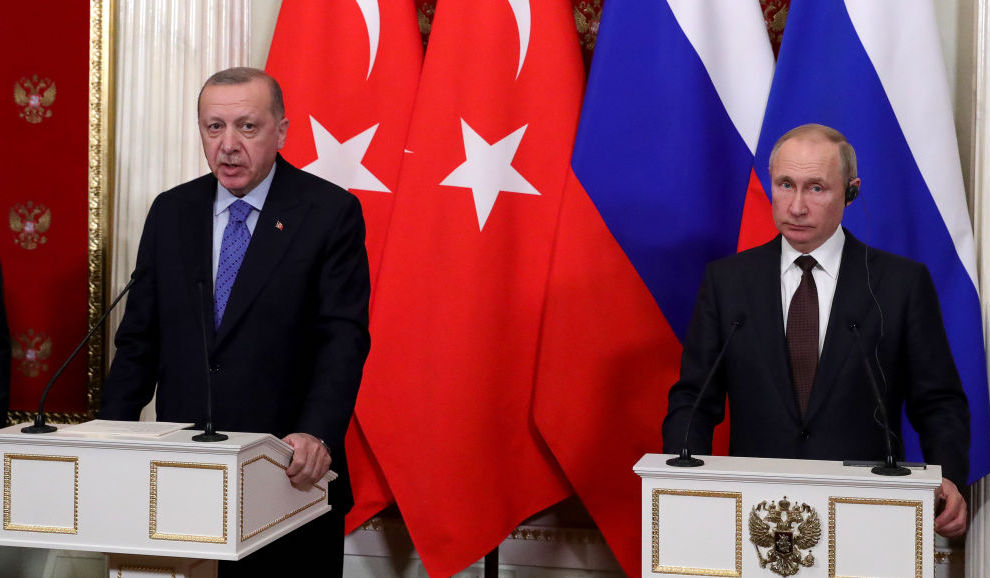
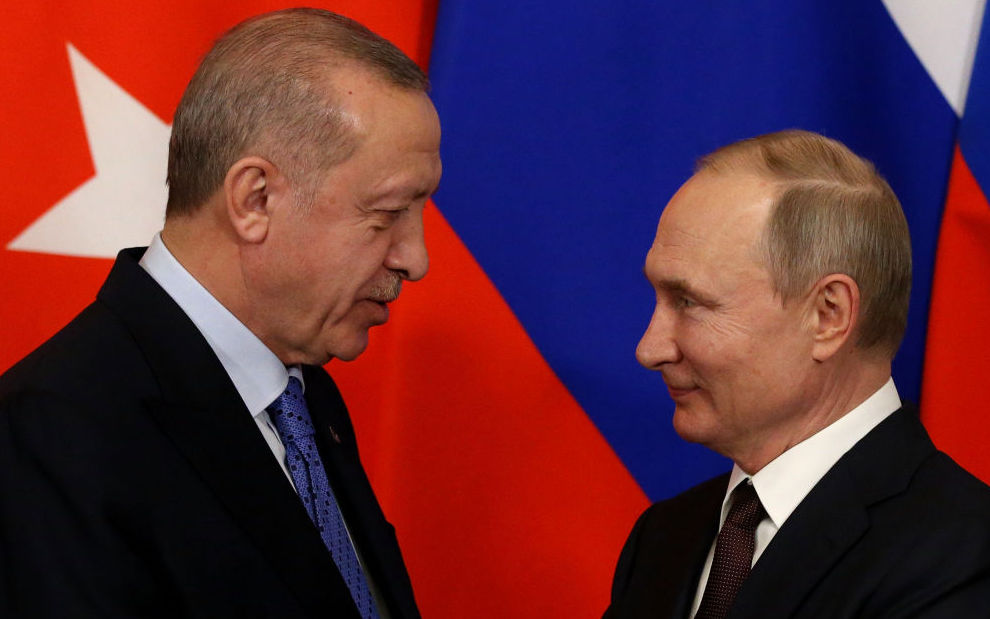
In changing the balance of power on the ground and forcing hostilities to a stalemate, Turkey’s military intervention in Idlib had produced its desired effect. On March 5, Vladimir Putin and Erdogan sat together for six hours and announced to the world a comprehensive cease-fire and the establishment of a secure corridor spanning six kilometers on the north and south sides of the M4 highway.
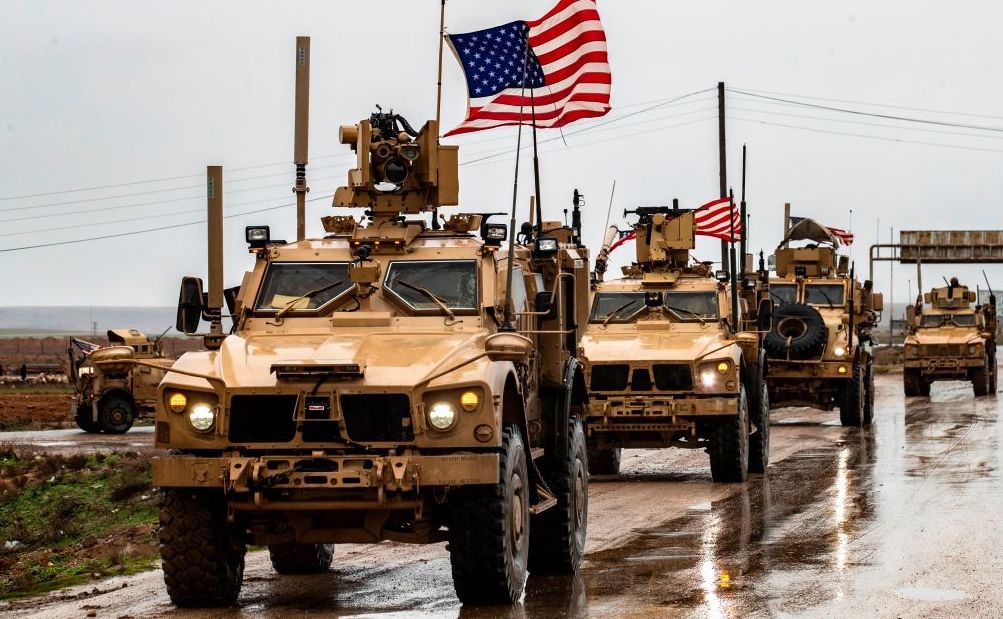
US-Russia standoffs in northeast Syria: Just getting started
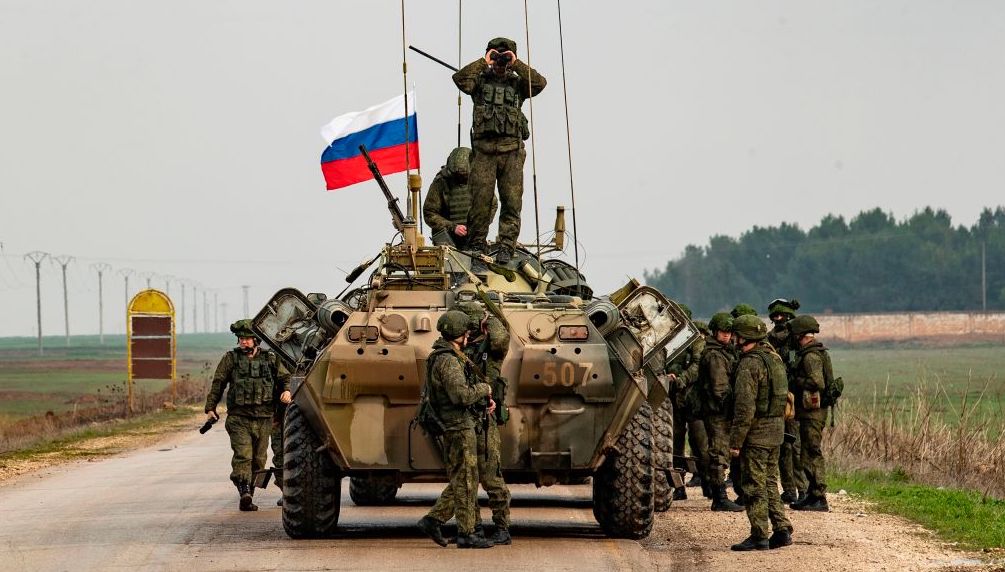
As Syria’s war reaches its ninth anniversary, Russian and U.S. soldiers are increasingly finding themselves face to face — quite literally — in the country’s northeast. A spate of confrontations over the last two months has opened questions about the fate of Syria’s north in the coming year.
After Turkish President Recep Tayyip Erdogan hammered out a deal with his Russian counterpart Vladimir Putin on March 5 to bring an end to the fighting in Idlib in northwestern Syria, he said he was hopeful that the two countries could extend their cooperation to Libya.