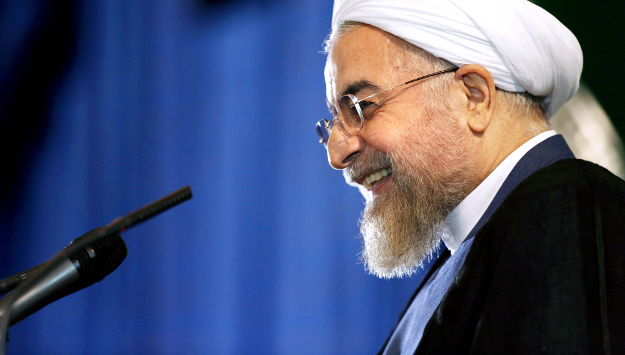
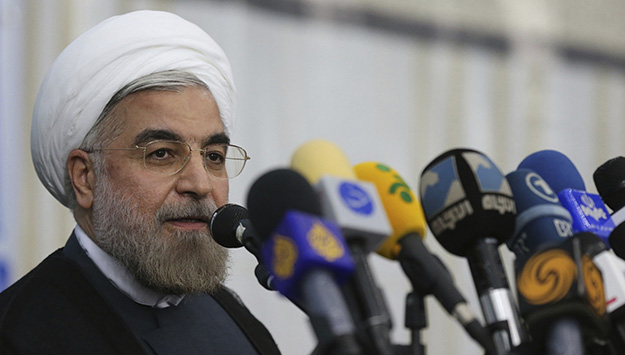
After a year of hesitation, Iranian president Hassan Rouhani is signaling his readiness to reach out to Tehran’s chief regional rival—Saudi Arabia. Last week, a top official was sent to Riyadh; he was the most senior Iranian visitor to the country since Rouhani’s election in June 2013.
Lebanese Presidential Election Unlikely to Alter Hezbollah’s Syria Calculus
The presidential vacuum in Lebanon since May 24, when president Michel Sleiman’s term ended without the Lebanese parliament having elected a successor, is likely to continue until an electable candidate is found who respects Hezbollah’s military autonomy and does not challenge its Syria policy.
This week’s visit to Tehran by the Kuwaiti emir, Sheik Sabah al-Ahmad al-Sabah, is about more than Iranian-Kuwaiti relations. It might even be a pivotal moment in the shaping of Iran’s ties with the Arab countries across the Gulf. Kuwait, which currently holds the rotating presidency of the Gulf Cooperation Council (GCC), is acting as a conduit for the collective unease that the GCC’s six member states, particularly Saudi Arabia, have about Iran’s regional policies.
Geography alone should make the Arab world Iran’s key foreign policy focus. Of Iran’s 13 immediate neighbors, seven are Arab countries.[1] But Tehran’s approach to the Arab world, with its 22 states extending from North Africa to the Arabian Peninsula, varies widely in intensity, and Iran’s objectives are equally varied depending on the country in question.
Five Arab Elections in Search of a Democratic Transition
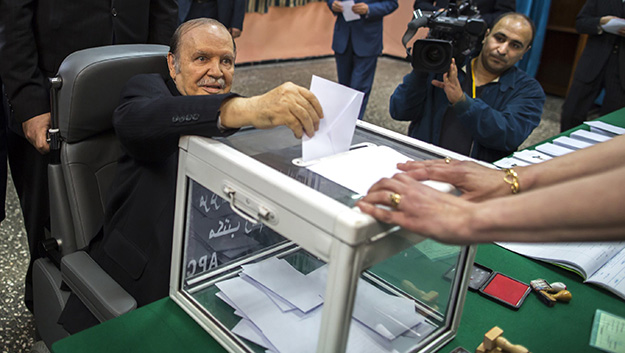
Algerian President Abdelaziz Bouteflika casts his ballot on April 17.
In the current two months between mid-April and early June, five Arab countries—Algeria, Lebanon, Iraq, Egypt, and even war-torn Syria—are holding key elections, with little sign that any is moving in the direction of meaningful democratic transition.
The Impact of the Syria Conflict on Salafis and Jihadis in Lebanon
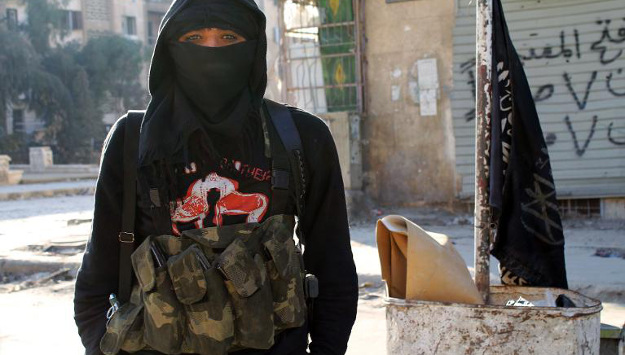
This MEI Policy Focus seeks to address the Syrian war’s effects on Lebanon against the backdrop of exacerbated sectarian tensions and political-religious instability. The study first provides a brief background on the state of Salafism in Lebanon, followed by an assessment of the situation of the Sunni street at large. It then examines the wider implications that the Syrian war has had on Lebanon, namely the call for jihad launched in 2013 by Sunni sheiks around the country and the resulting burgeoning of relations between Salafis and Syrian military and radical organizations.
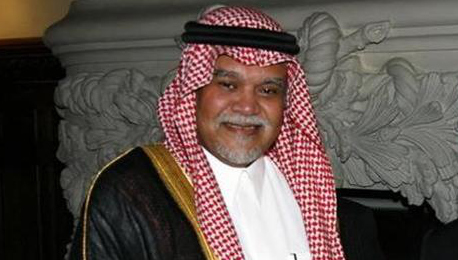
It might be a mistake to jump to conclusions about the removal of Prince Bandar bin Sultan from his post as chief of Saudi Arabian intelligence. When it comes to senior jobs held by the royals, the Kingdom’s decision-making process is entirely opaque and there is no way to know at this point whether the flamboyant former ambassador to the United States was pushed out or bailed out.
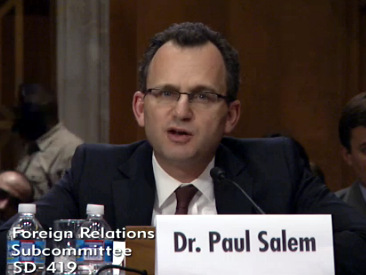
Testimony by MEI’s Paul Salem before the U.S. Senate Committee on Foreign Relations, Subcommittee on Near Eastern and South and Central Asian Affairs, delivered February 25, 2014. Find more information here about the hearing, including full video (Salem’s testimony begins at 1:22:40).
Osama bin Laden may be dead, but his ghost was in Riyadh the other day, hovering over Saudi Arabia’s King Abdullah as he issued a decree making it a crime for any Saudi citizen to take part in a war outside the kingdom.
The obvious motivator was the civil war in Syria, where hundreds of young Saudis have been spotted in the ranks of the most radical jihadi groups battling both the government and other less extreme rebels. But the roots of the king’s action, and the problem it was designed to address, can be traced to the 1980s war against the Soviet occupation of Afghanistan.
Scenarios of Change and Possibilities of Reform in Lebanon
The recent spate of bombings in Beirut underline the degree to which Lebanon has become entangled in the wider regional conflict being fought in and around Syria, but the paralysis of Lebanon’s political institutions indicate an equally deep domestic dysfunction. There is no doubt that part of Lebanon’s problems derive from its difficult geostrategic environment and require external developments and changes, and part of them come from the weaknesses of its domestic political and socioeconomic system and require internal reform.
On January 2, only days after a car bomb in Beirut took the life of former Finance Minister Mohamad Chatah and several bystanders on December 27, another bomb struck the capital’s southern suburbs. With initial reports of four dead and 40 wounded, this latest, and possibly retaliatory, attack fits into an ominous pattern as Syria’s conflict spills into Lebanon.
On Wednesday, December 4, Hassan Laqees, a Lebanese Hezbollah leader who was reportedly involved in the group’s weapons procurement and development, was assassinated south of Beirut. On Sunday, another Hezbollah military commander was killed in Syria, bringing the number of Hezbollah dead in the Syrian conflict into the hundreds.
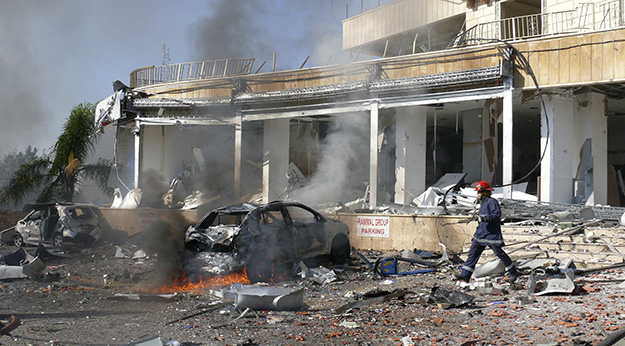
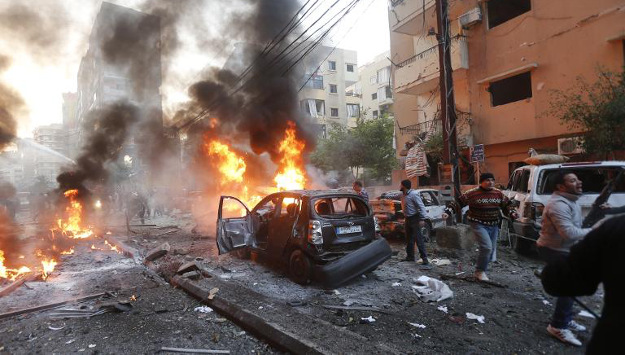
Earlier today, double explosions near the Iranian embassy in Beirut killed at least 23, including an Iranian diplomat. The Abdullah Azzam Brigades, an Islamist group with links to al-Qa`ida, took responsibility for the attack. MEI sat down with its Vice President for Policy and Research, Paul Salem, to discuss the significance of the bombings in Lebanon as well as their regional and global implications.
Tell us about the bombing and the group that claimed responsibility for it.