Maldives Rejects Tehran’s Media Project Offer because of Iranian “Meddling” in Regional Countries
The ambassador of Maldives to Saudi Arabia has said that his government refused an Iranian offer to launch a radio station in the South Asian island country.
Growing Ties between Riyadh and Kuala Lumpur Unnerve Tehran
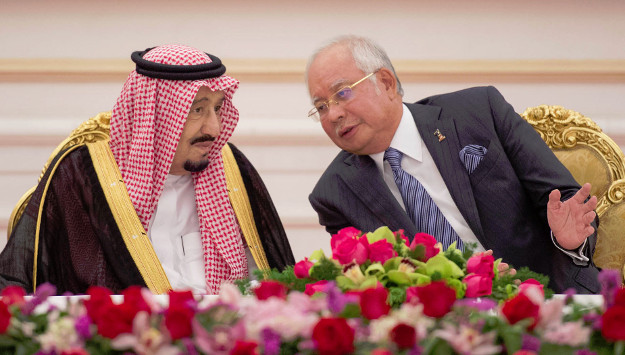
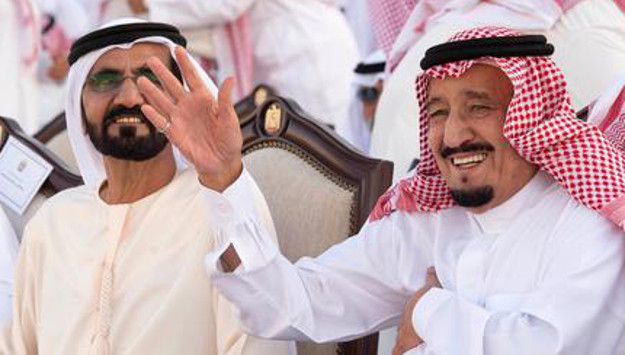
The Iranian media extensively covered Saudi King Salman bin Abdulaziz al-Saud’s recent trip to Malaysia. State-run and semi-official outlets close to the Islamic Revolution Guards Corps (I.R.G.C.), in particular, discussed in details the growing economic and trade ties between Riyadh and Kuala Lumpur.
Saudi Foreign Minister’s Baghdad Visit Alarms Tehran and Its Allies in Iraq
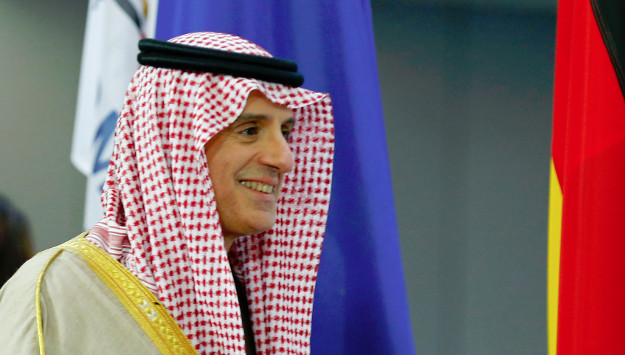
Iran’s Fars News Agency (FNA), a mouthpiece of the Islamic Revolution Guards Corps (I.R.G.C.), has published interviews with Iraqi politicians and militia commanders about Saudi Foreign Minister Adel al-Jubeir’s February 25 visit to Baghdad and its potential implications for the war against the Islamic State and for Iraq’s relations with Iran.
Monday Briefing: Al-Qaeda leader killed, U.S. & Russia at odds over Syria
Note: The latest issue of MEI’s Monday Briefing e-mail incorrectly linked to this page. If you’re looking for the Monday Briefing for March 6, click here.
Turkish President Recep Tayyip Erdogan’s official trip to Bahrain, Saudi Arabia and Qatar has prompted anxiety in Tehran. Erdogan arrived in Riyadh on Monday night after a visit to Bahrain, and he is scheduled to go to Qatar next.
I.R.G.C. Continues to Incite Houthi Attacks against Saudi Arabia
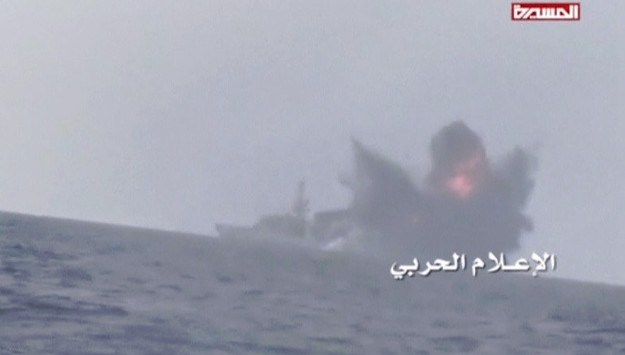
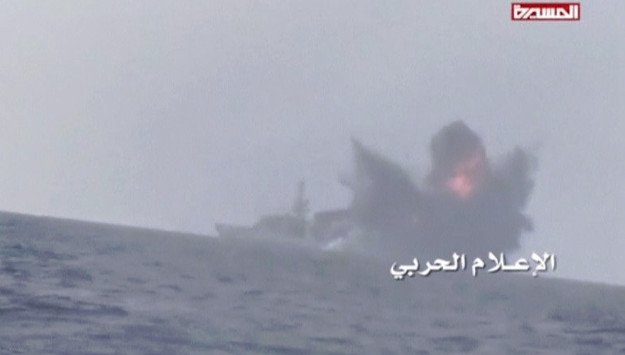
The Islamic Revolution Guards Corps (I.R.G.C.) media outlets continue to justify and encourage attacks by Yemeni Houthi rebels against Saudi Arabia. I.R.G.C.-affiliated Fars News Agency, for example, ran a number of news stories and commentaries today glorifying the Houthis’ latest attacks against Saudi military targets, including a recent attack targeting a Saudi warship and a scud missile that the Houthis claimed hit a military base near the Saudi capital.
Iran Hardliners Urge Escalation in Houthi Attacks on Saudi Arabia
Hardline Iranian media are enthusiastically speculating that the conflict in Yemen will soon enter a more dangerous phase with the intensification in the use of missiles by the Yemeni rebels.
The introduction of the draft in Gulf monarchies — after decades of sovereign statehood — presents an interesting puzzle. What are the reasons behind the newly implemented conscription? What broader implications does this phenomenon have for the Gulf? This essay addresses these questions.
Tehran Views GCC Overture as “Sign of Weakness,” Not Goodwill Gesture
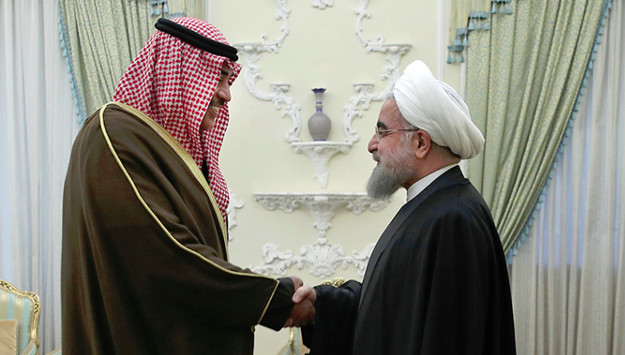
Kuwaiti Foreign Minister Sheikh Sabah Khaled al-Sabah has arrived in Tehran today to deliver a message from Gulf Cooperation Council (GCC) on a strategic dialogue between the Gulf Arab states and Iran, the Iranian and Arab media report. “Gulf states have a true desire that relations with Iran are normal and based on international law,” Sabah said on Tuesday after attending the inauguration of a NATO center in Kuwait.
Monday Briefing: Middle East Reactions to Trump's Inauguration
In this week’s Monday Briefing, MEI experts Paul Salem, Alex Vatanka, Gerald Feierstein, and Charles Lister provide analysis on recent and upcoming events including U.S.-Middle East relations in the new Trump administration, the view of Trump’s inauguration from Tehran, the Gulf’s ‘wait and see’ approach to the new administration, and Russia’s public position on Syria talks at the outset of talks in Astana.
Weekly Briefing: Confirmation Hearings, Syria Peace Talks, and OPEC
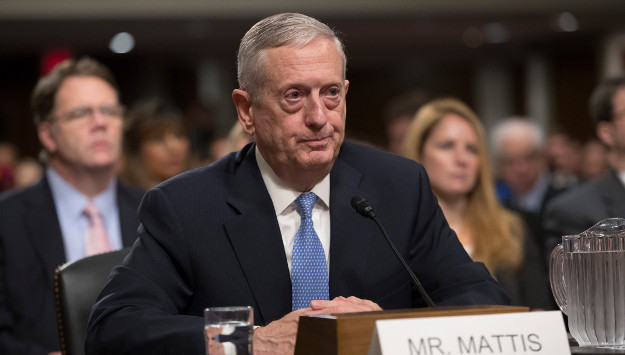
In this week’s briefing, MEI experts Gerald Feierstein, Robert S. Ford, Yousef Munayyer, Eran Etzion, and Ruba Husari provide analysis on recent and upcoming events including the ongoing confirmation hearings for key members of the incoming administration’s foreign policy team, the upcoming Syria talks, the recently convened Paris talks on Israel and Palestine, and OPEC’s assessment of its agreement to cap oil output.
Iranian General Calls for Closure of Saudi Consulate in Erbil
In the latest example of Iranian interference in Iraq, a top Iranian general has said that the presence of the Saudi consulate in Erbil, the capital of Iraq’s semi-autonomous Kurdish region, is not “just
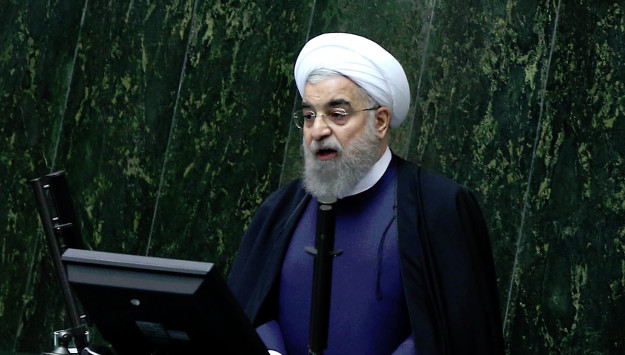
At a press conference on January 17, Iranian President Hassan Rouhani stated that “Iran would welcome working with Saudi Arabia to bring about a more stable Middle East.” He urged for “moderation” and “respect.” This message from the Iranian president is positive and should be applauded. However, the question in so many capitals around the Middle East is whether Rouhani’s posture and message of “moderation” has any bearing on the actual policies that Tehran is presently pursuing in the region.