MEI’s Gerald Feierstein and Mick Mulroy join host Alistair Taylor to discuss the ongoing conflict in Yemen and the country faces crises on multiple fronts, from the unchecked spread of COVID-19 and widespread hunger to renewed fighting and a lack of international funding.
This week’s briefing on recent news and upcoming events in the region featuring Charles Lister, Randa Slim, Jonathan M. Winer, Alex Vatanka, Marvin G. Weinbaum, Robert S. Ford, Mirette F. Mabrouk, and Syed Mohammad Ali.
Tom de Waal, Nicole Grajewski, and Theodore Karasik join host Alistair Taylor to discuss the recent border hostilities between Azerbaijan and Armenia and the role that Russia, Turkey, and Iran are playing in the geostrategically important South Caucasus.
As the people of Iran and the region rise up against the regime in Tehran, it is time to prepare for what comes next and imagine what could lead to the region’s next renaissance: a Middle Eastern cooperative organization.
In recent years, Saudi Arabia and China have publicly announced several joint nuclear projects in the Kingdom, including one to extract uranium from seawater, with the stated goal of helping the world’s largest oil producer develop a nuclear energy program or become a uranium exporter. This article discusses China’s reported involvement in Saudi Arabia’s nascent nuclear program.
The Impact of Middle East Regional Competition on Security and Stability in the Horn of Africa
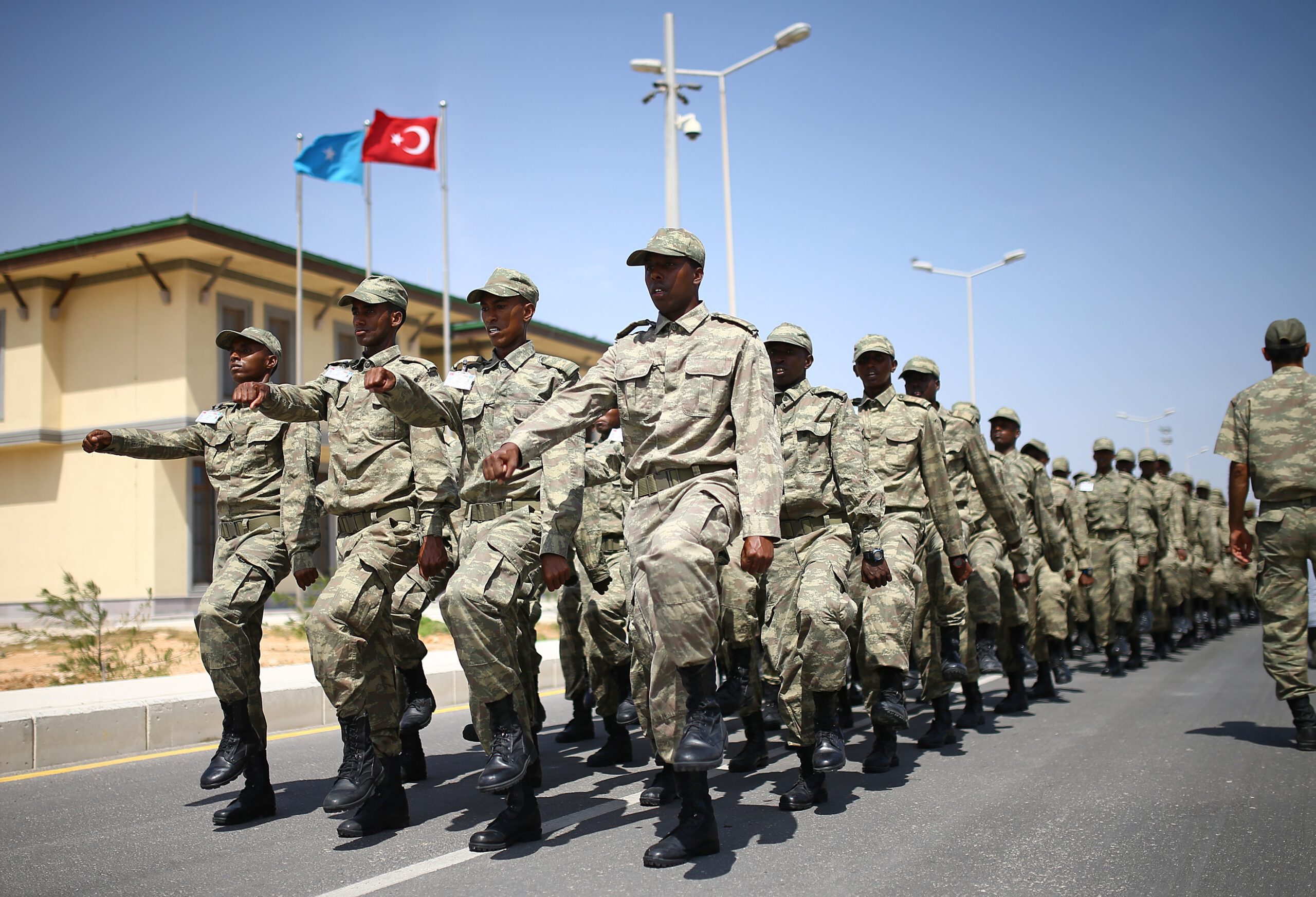
The relationship between the Middle East and the Horn of Africa is centuries-old and complex. While the world’s attention is focused mainly on the “great power competition” in the region, primarily between the U.S. and China, the Horn of Africa has also become a central battleground for influence among competing regional players, principally Saudi Arabia, the UAE, Turkey, Qatar, Iran, and Egypt. As they pursue their interests in the region, from Ethiopia and Sudan to Somalia and Djibouti, these competing states are the main drivers of tension and instability in the Horn of Africa.
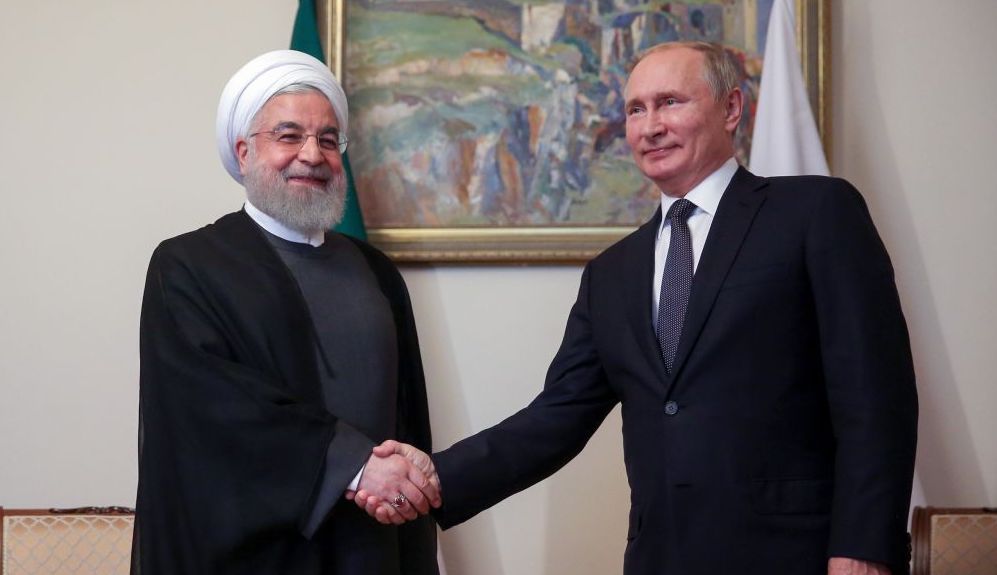
As Tehran looks East, can it forge stronger ties with Moscow?
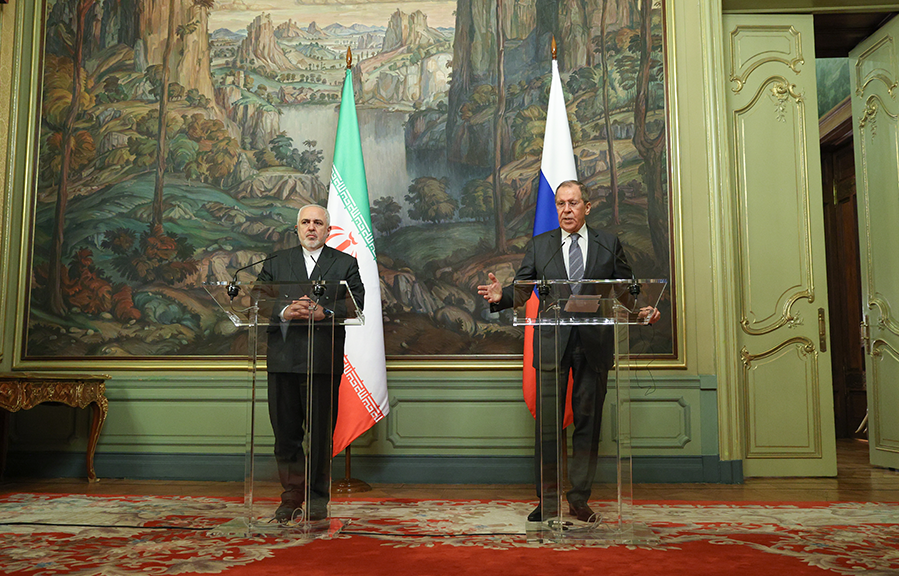
Iran’s high leadership has come to a consensus on an eastward shift in its foreign policy, and Russia is a salient part of that. Recent indications suggest that, at least for now, the Russians do not want to enlarge their footprint in Iran. Yet Iran wants a more proactive Russia.
Russia, Iran, and economic integration on the Caspian
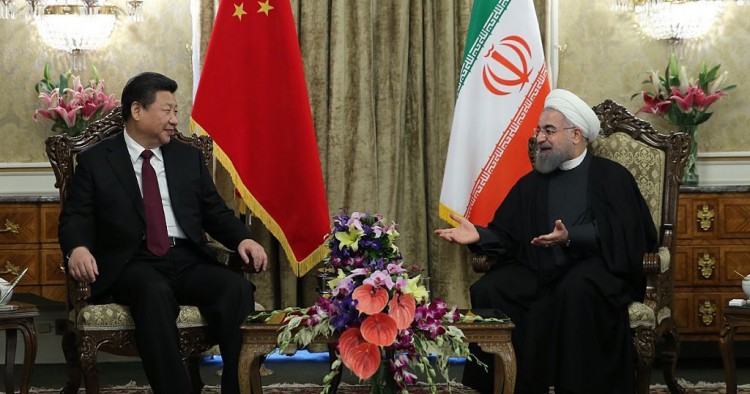
In recent weeks, reports of a potential 25-year, $400-billion deal between Iran and China have dominated the conversation about Tehran’s options for freeing itself from the punishing U.S.-imposed sanctions regime on the country. But China is not alone in seeing an embattled Iran as a major geopolitical and commercial opportunity — Russia too has ambitions of strengthening ties with Iran.
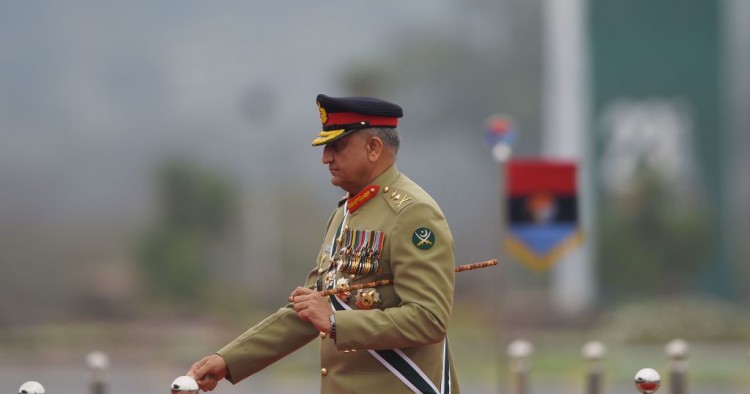
Looking to repair ties, Pakistan’s Gen. Bajwa heads to Saudi Arabia
All is not well in Pakistan-Saudi relations, which seem to have gone into a tailspin. In order to repair the fractured ties with one of the country’s strongest allies, Pakistan’s army has swung into action and its chief, Gen. Qamar Javed Bajwa, will travel to Saudi Arabia for talks this weekend.
MEI’s Paul Salem and Ross Harrison join host Alistair Taylor to discuss the complexity and limitations of US diplomacy with Iran, and how the upcoming US presidential election impacts the state of play. Salem and Harrison examine the issue in depth in their recent article for The National Interest, “The Layers and Limits of Diplomacy With Iran.”
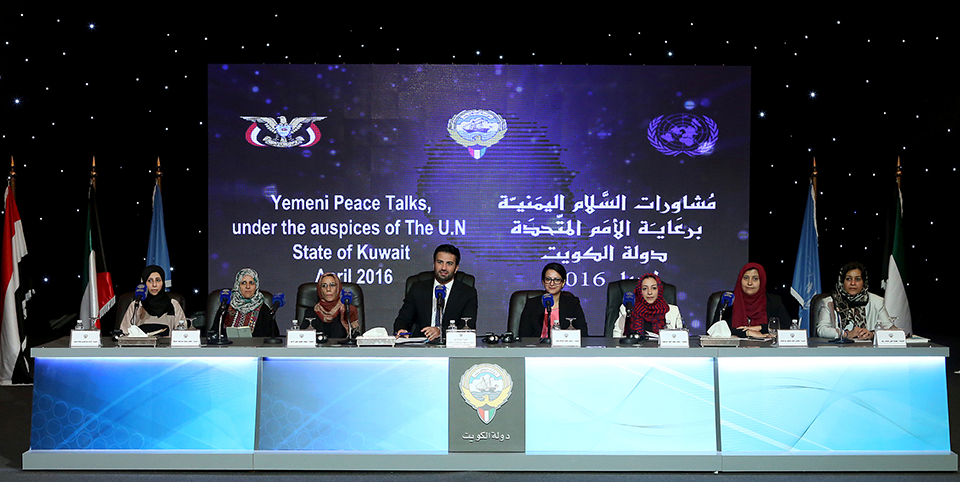
When the Saudi-led coalition launched military operations against the Houthi insurgents on March 26, 2015, all of the Gulf Cooperation Council (GCC) states, except for Oman, joined the multinational force. As has become clear, each of the Arab Gulf sheikdoms has its own national interests and unique history of relations with Yemen and Yemeni factions, and these have shaped their changing perceptions of the war over the past five and a half years. Kuwait’s role in Yemen’s multidimensional conflict is a case in point.
The Dangers Presented by Russian and PRC Weapons Sales to Iran
In October, the United Nations embargo on arms sales to Iran is scheduled to expire. This was a deadline specified in the 2015 Iran nuclear deal concluded by the Obama Administration. The Trump administration stridently opposes the lifting of this restriction and is lobbying within the UN Security Council to have the embargo extended indefinitely.
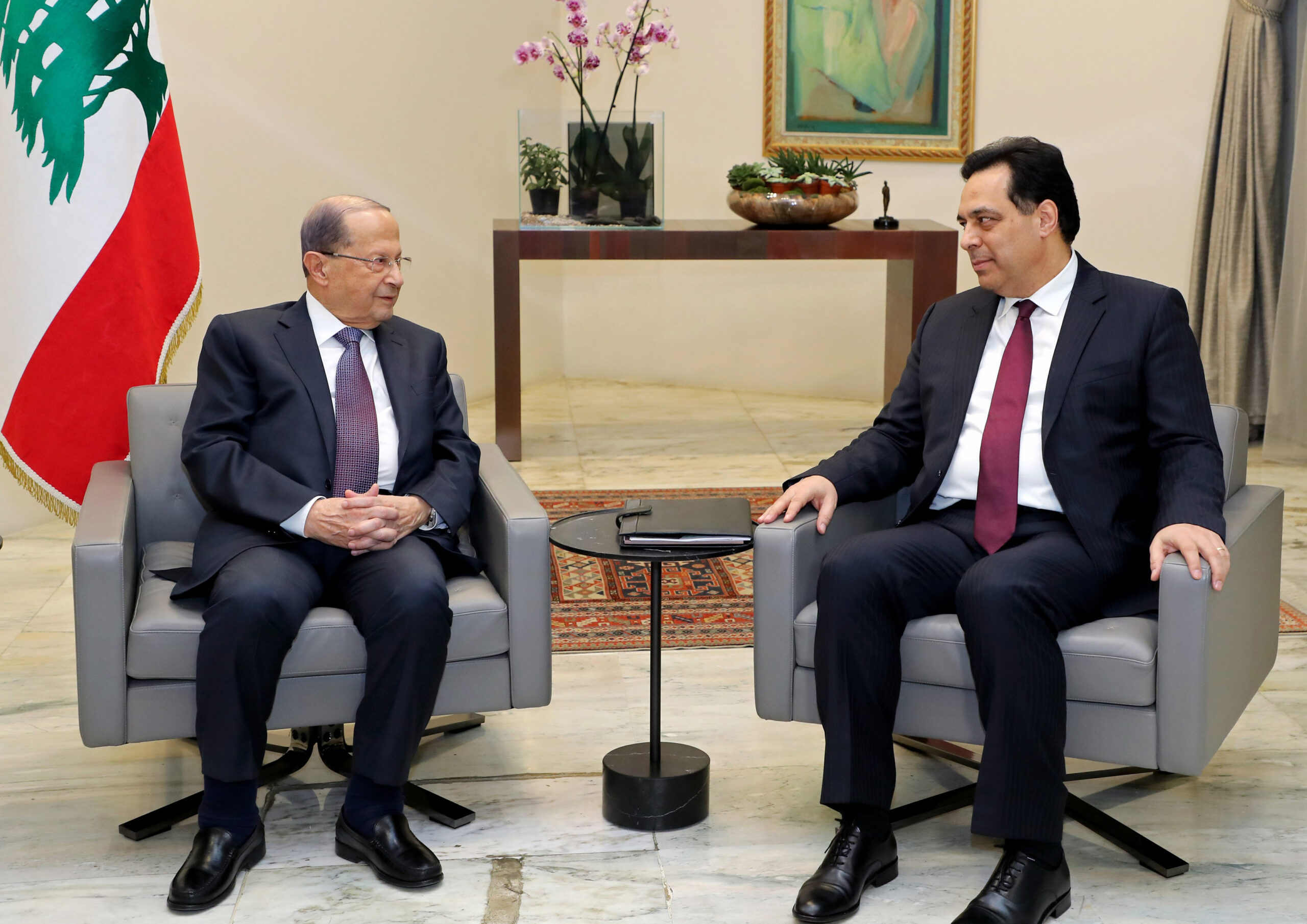
Monday Briefing | Lebanon: The twilight of an impotent government
This week’s briefing on recent news and upcoming events in the region featuring Paul Salem, Hafsa Halawa, Marvin G. Weinbaum, Anne-Linda Amira Augustin, and Gerald Feierstein.
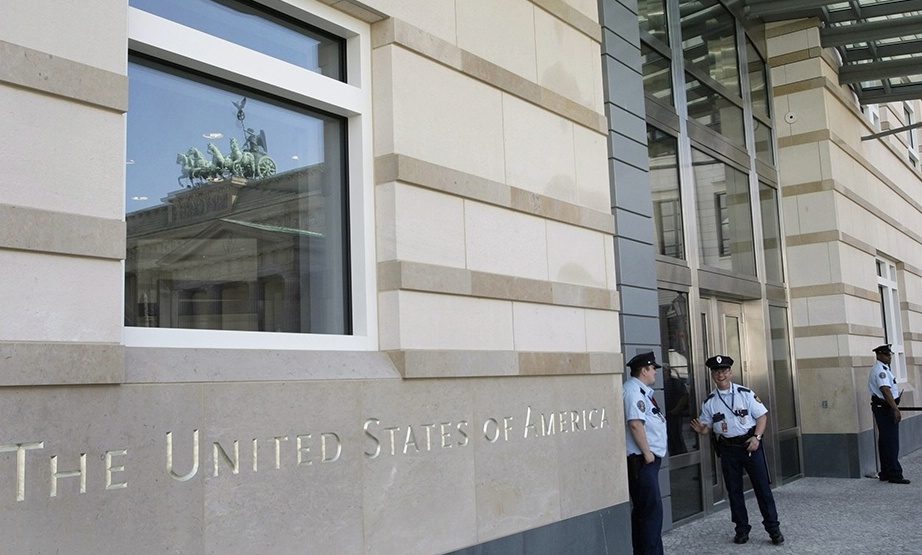
On July 27, the White House announced that President Donald Trump has appointed retired U.S. Army Colonel Douglas Macgregor to be the next American ambassador to Berlin. Macgregor’s appointment is already seen by some in Tehran as about more than just an American military drawdown in Germany: it is seen as a sign of a broader American policy reorientation in Europe and beyond.
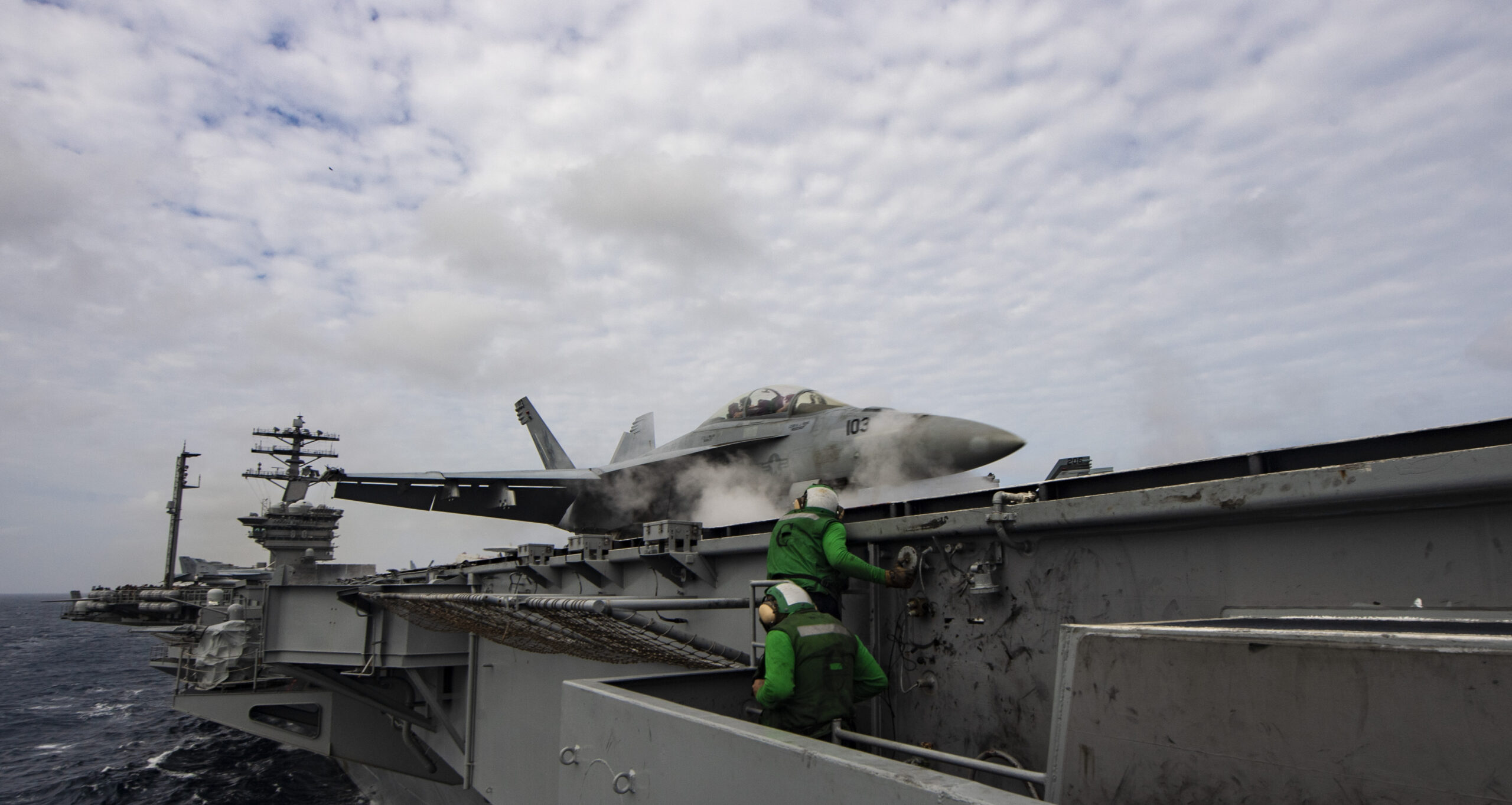
I don’t understand why Iran’s Revolutionary Guards insist on conducting military exercises in the Gulf waters that are as devoid of credibility as they are comical. Because if the goal of these drills is to intimidate or change the calculations of the U.S. Navy, nobody is flinching or losing any sleep in the Bahrain-headquartered U.S. Naval Forces Central Command, or NAVCENT.