Preface to Iraq's Refugee and IDP Crisis: Human Toll and Implications
Originally posted July 2008
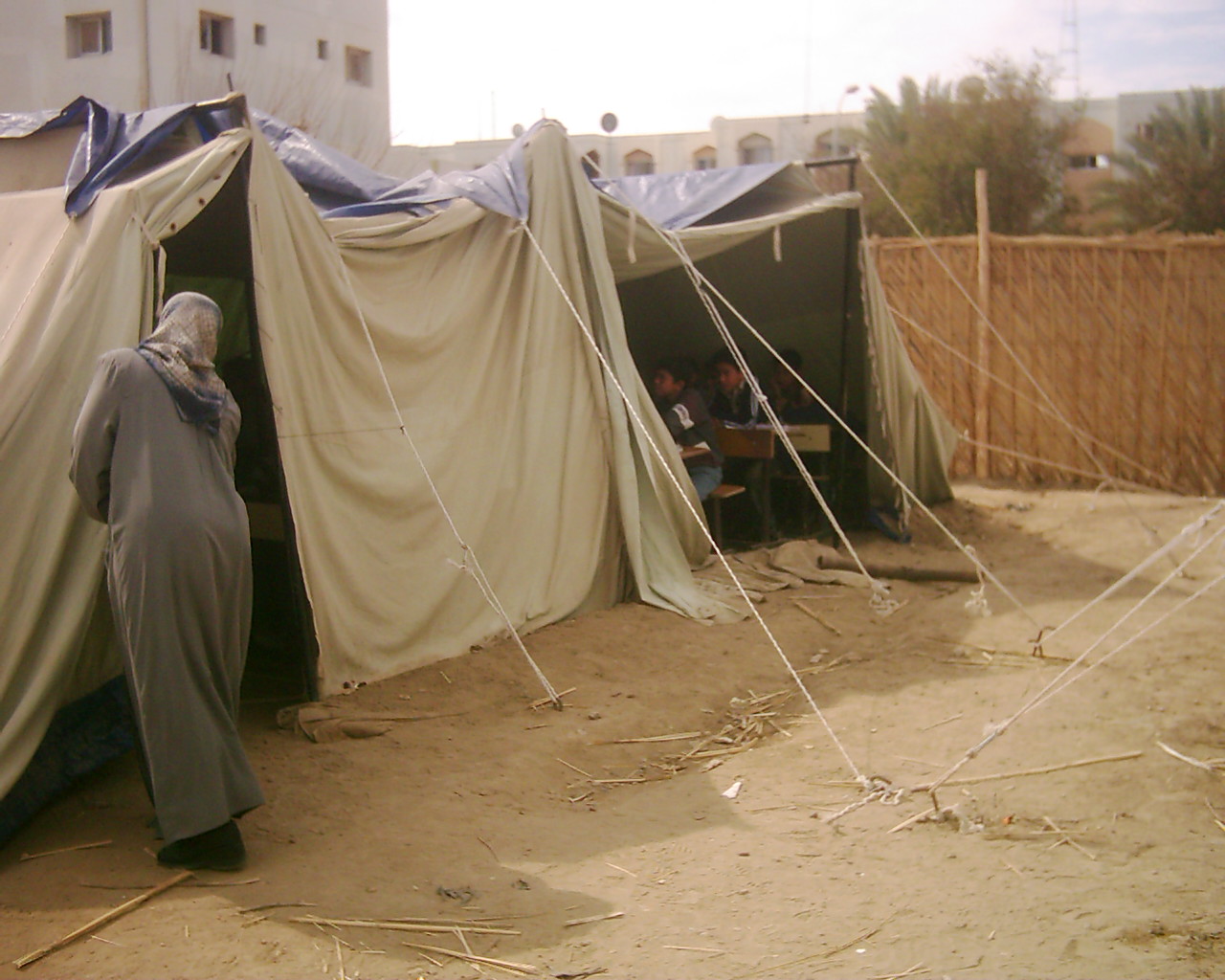
In the comparatively short time since the establishment of the Iraqi state in 1920, the country has experienced successive waves of forced migration. Yet the magnitude of the forced displacement of Iraqis from their homes since 2003 is unprecedented. In addition to the still dire humanitarian situation are the potentially far-reaching negative implications of the refugee/IDP crisis for the future of Iraq and the Middle East as a whole.
From Conflict Transformation to Conflict Resolution?
Originally posted June 2008
Intra-basin dynamics amongst the Euphrates and Tigris co-riparians — Iraq, Syria, and Turkey — are better described as leading to conflict transformation rather than conflict resolution. The process of interaction has effectively seen the de-securitization of water issues, but the roots of the conflict have not yet been fully addressed.
Climate Change Threats, Opportunities, and the GCC Countries
Originally posted April 2008
Oil and gas revenues for GCC countries have enabled exceptional and accelerated development in all aspects of life. These countries have become a hub of intense activity in many spheres—geopolitical, military, economic, industrial, construction, and tourism, to name a few. However, the scale of oil and gas production and use has also led to severe environmental problems.
“In the past week Iran’s president, Mahmud Ahmadinejad, has damned it as a ‘worthless piece of paper’ and China’s premier, Wen Jiabao, has moaned that it is causing his country ‘big pressure’. The dollar’s relentless decline—it hit a new low of $1.49 against the euro on November 21st—is prompting jibes from America’s critics, jangling investors’ nerves and giving policymakers headaches.”[1]