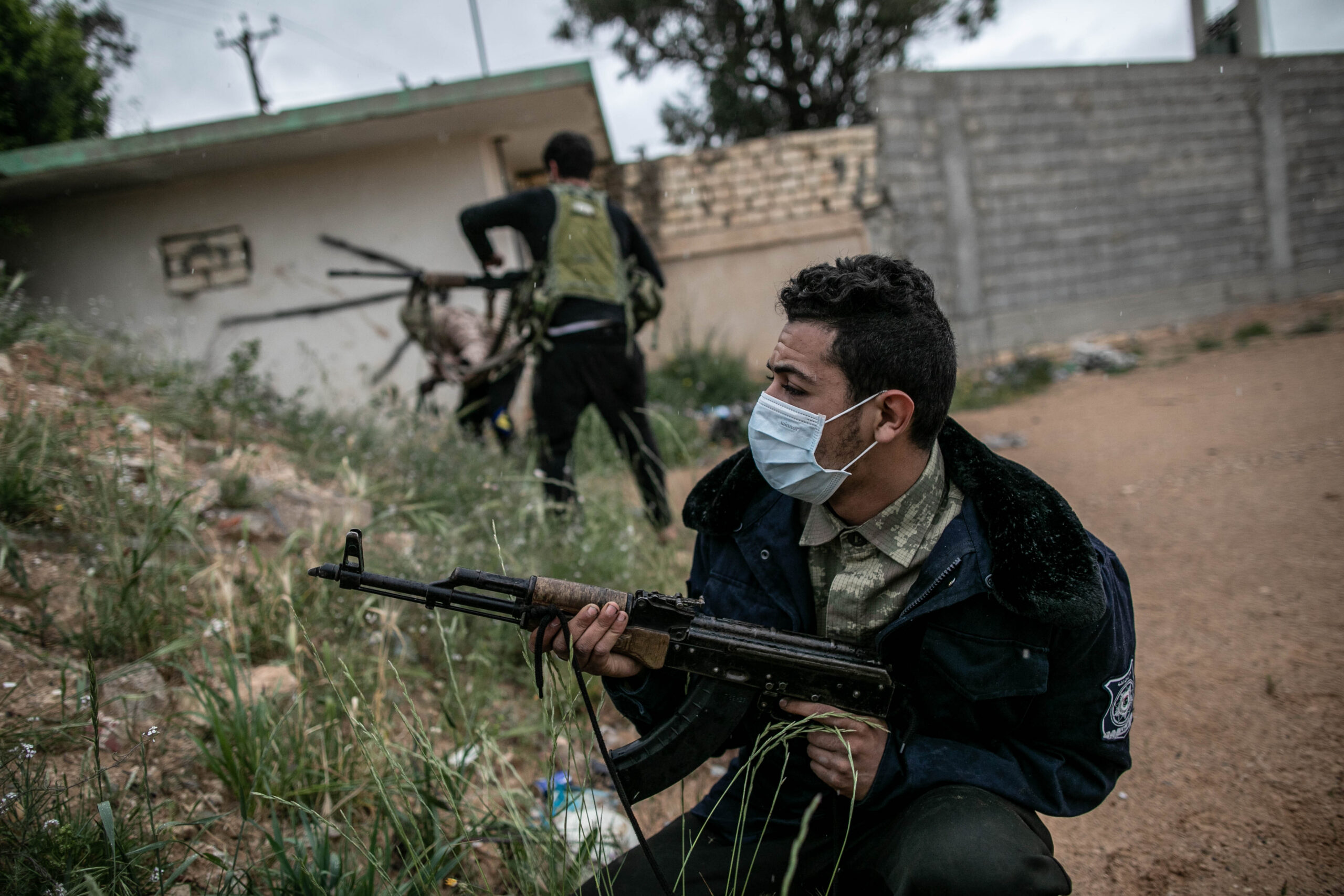
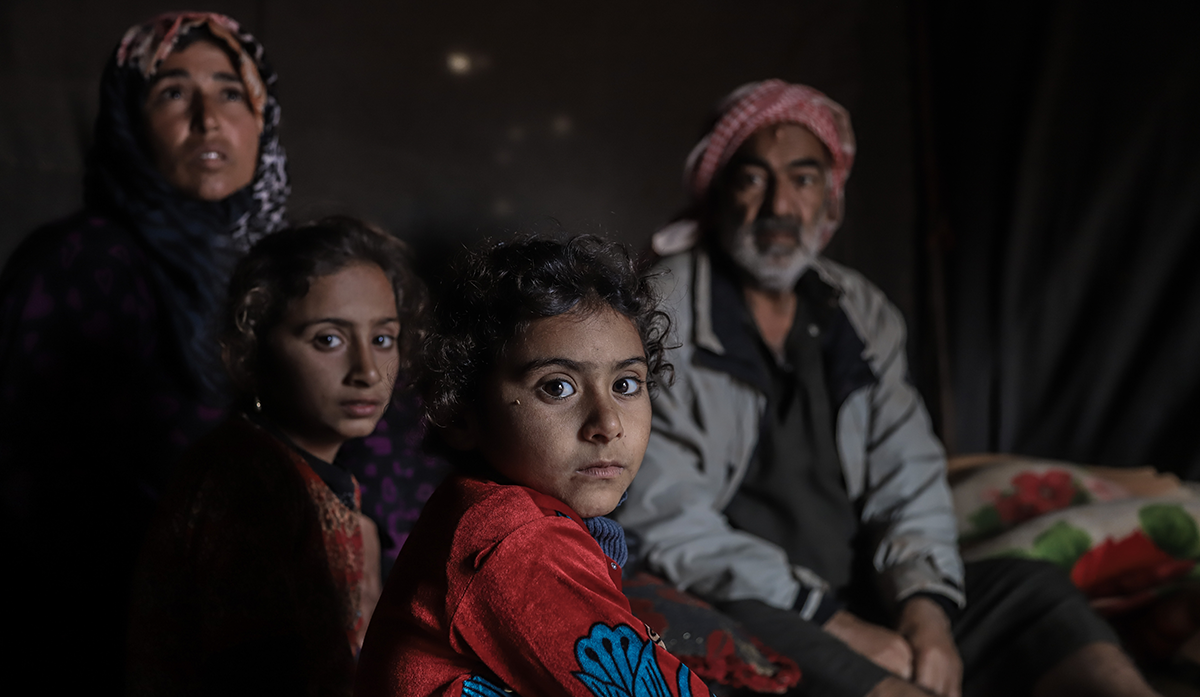
As long as weapons transfers to armed non-state actors are not adequately restricted and the monopoly of violence is not exclusively in the hands of the government, it will be impossible to build sustainable peace in Yemen.
The Biden administration and the Middle East: Regional perspectives on the first 200 days
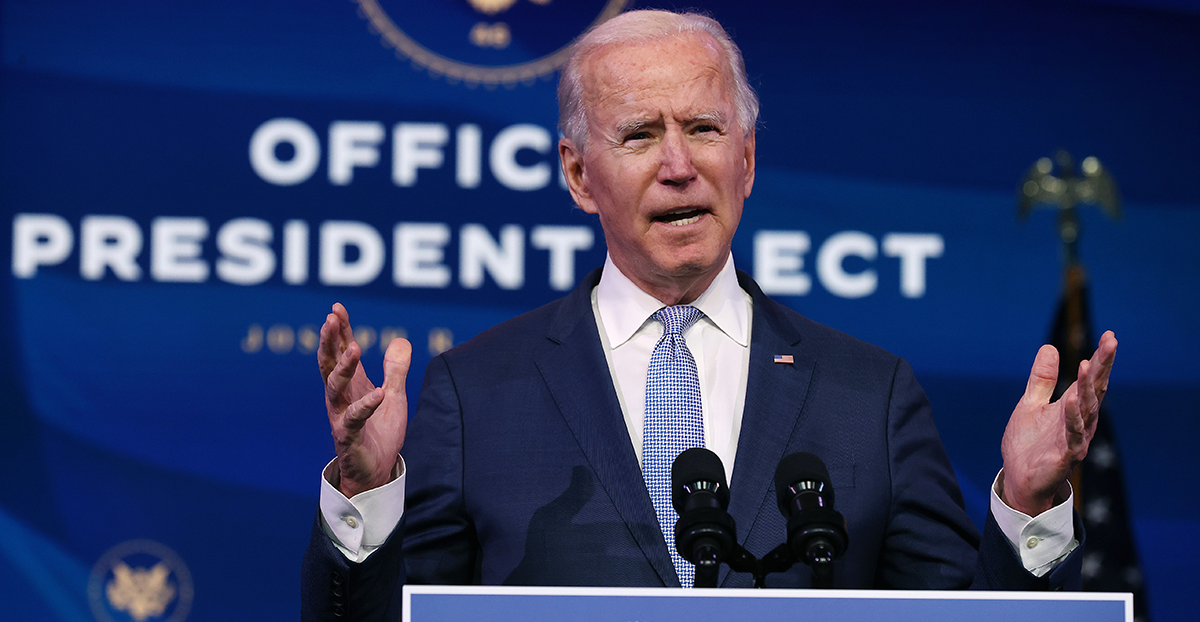
As the Biden administration takes office, it faces a host of challenges, both at home and abroad. Where does the Middle East fit into all of this and what should the new administration prioritize in its first 200 days? In the second part of a two-part series, we asked experts and scholars from across the region to weigh in with their thoughts.
The Middle East is in turmoil, with civil wars raging in Syria, Iraq, Yemen, and Libya. COVID-19 is now an additional factor on top of the violence and monumental international support tasks, all of which require a sustained commitment. The effects of the deadly COVID-19 pandemic highlight the need for more robust international stabilization efforts to achieve long-term peace and self-sufficiency in the Middle East.
MEI experts Gerald Feierstein, Alex Vatanka, Gonul Tol, and Charles Lister join host Alistair Taylor to survey what lies ahead for the region in the year ahead, with particular attention to Yemen, Iran, Turkey, and Syria.
The Biden administration and the Middle East: Four-year policy goals
The Biden administration will face a number of major challenges in the Middle East over the next four years, from great power competition and climate change to cybersecurity and refugees and migration. But what realistically can it achieve in that time on the policy front? To better understand what’s possible, we asked 10 experts from across MEI to weigh in with their thoughts.
A Shift Among the Shi'a: Will a Marj'a Emerge from the Arabian Peninsula?
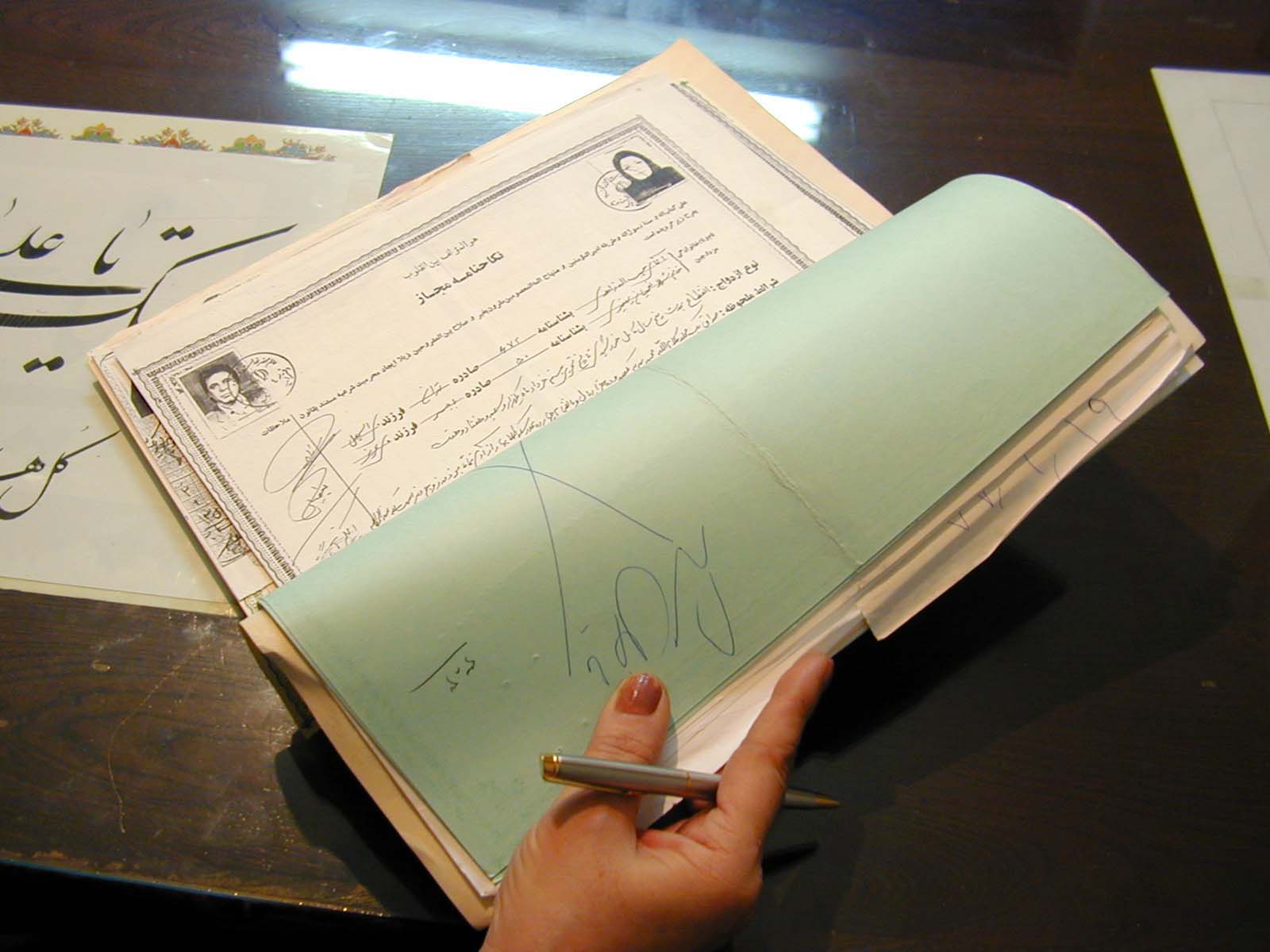
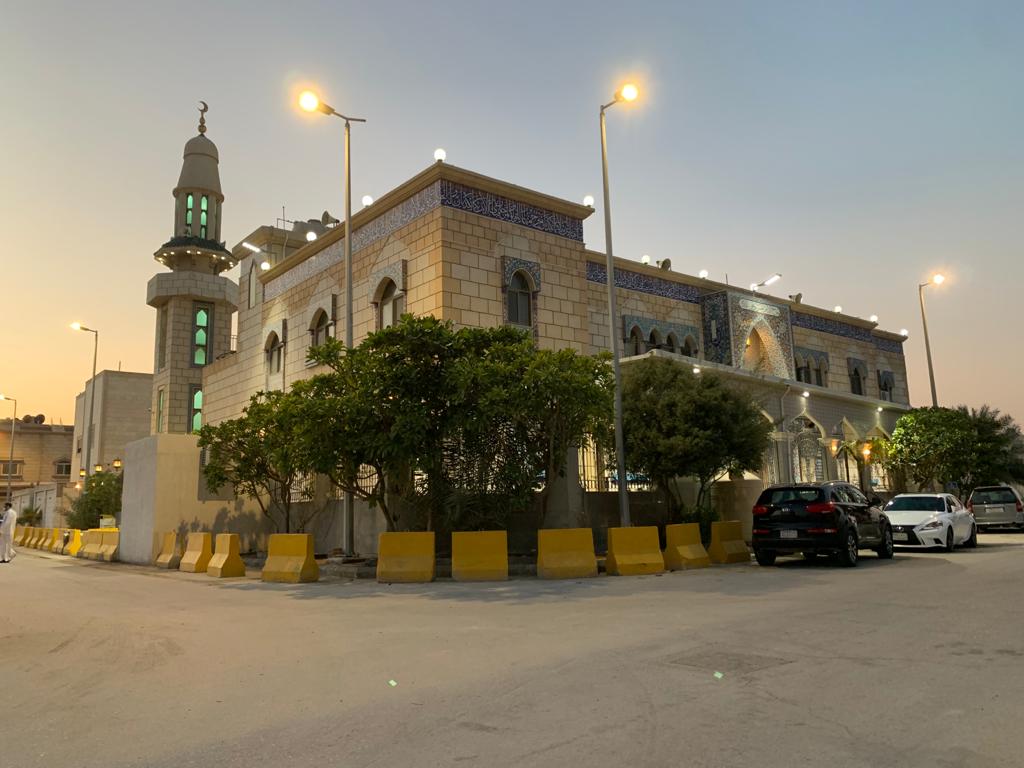
This paper looks at the political implications of the relationship between Shi’a in the Gulf states and Iranian marj‘as, the historical background to these ties, and Gulf states’ concerns surrounding the outflow to Iran of religious taxes. In some Gulf countries, these issues are tied to concerns about the loyalty of Shi’a to the nation. The authors argue that the emergence of a marj‘a who would be based in one of the Gulf states could quell these concerns.The authors identify potential marj‘as from the region and steps that Gulf states must take so that their Shi’a citizens will shift their allegiance from foreign-based marj‘as to domestically based ones.
In two months’ time, Syria’s crisis will turn 10 years old — a grim milestone for what has been the most deadly and destructive civil conflict in recent history.
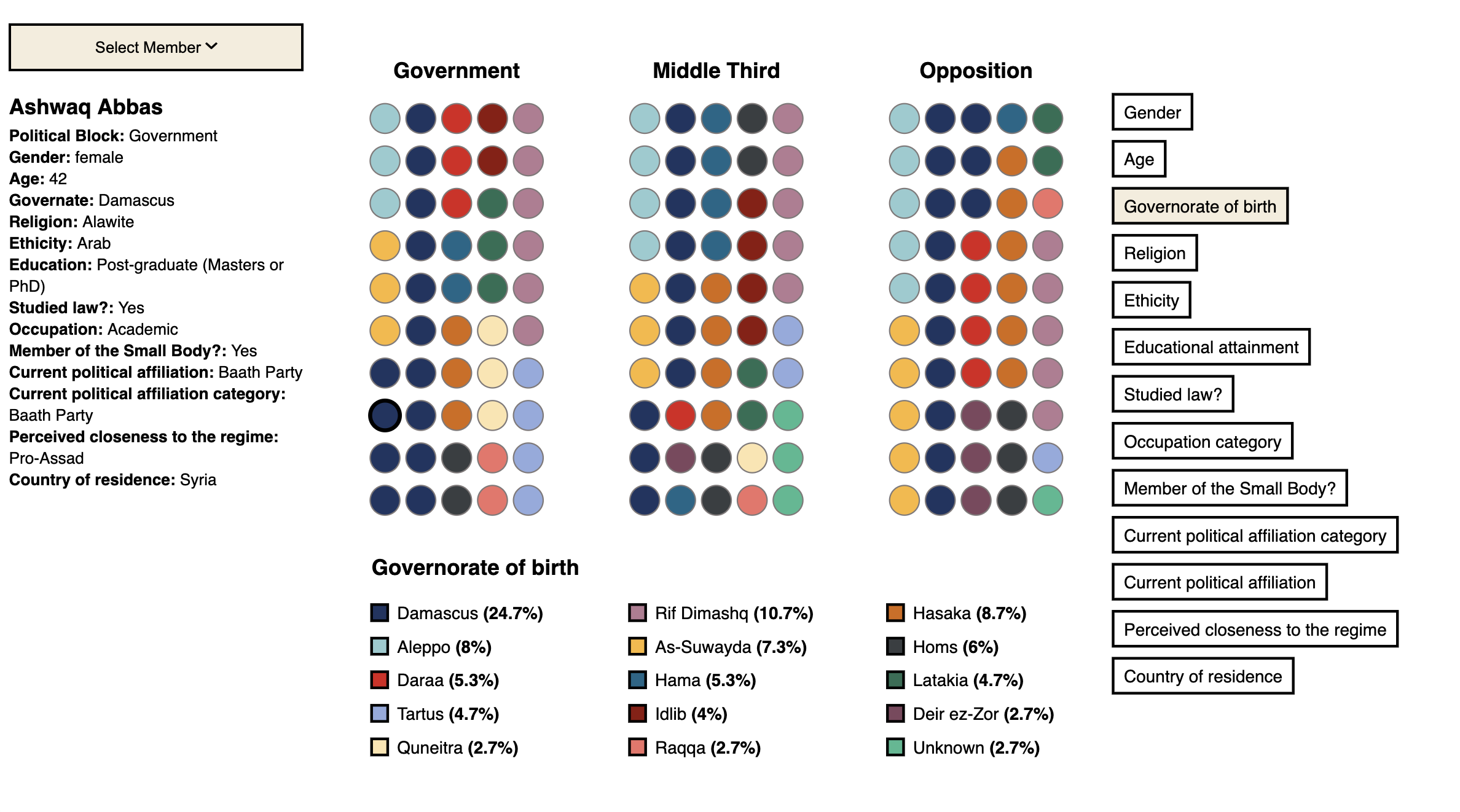
Syria’s Constitutional Committee: The Devil in the Detail
This interactive data visualization and accompanying article provide background information on the members of the Syrian Constitutional Committee as well as analysis of its dynamics and policy recommendations on how to improve it.
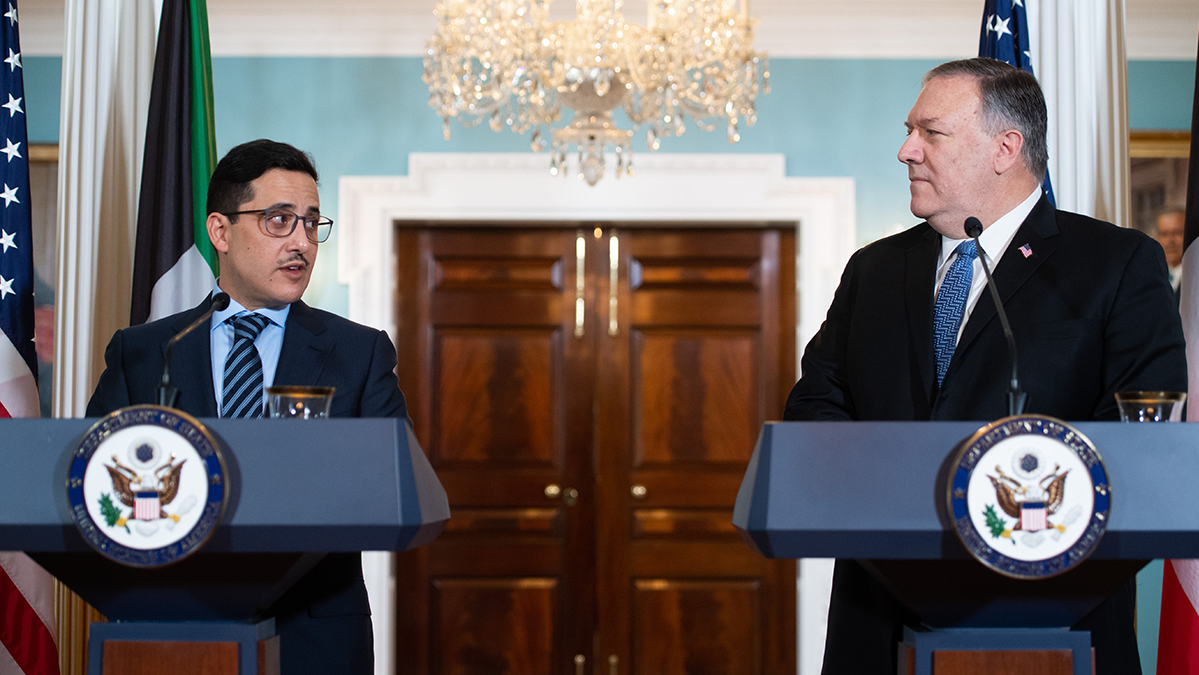
The United States and the Gulf: Trapped in transition?
The mixed messages and pendulum swings in U.S. Gulf policy in recent years are rooted in and have further fueled deep questioning and a largely unresolved debate within the United States about America’s role in the region, and indeed in the world. Like the U.S., relations between the GCC and Iran are locked in confrontation. Breaking this impasse requires decisive U.S. reengagement in Gulf affairs led by vigorous, sustained diplomacy that promotes intra-GCC reconciliation and supports efforts aimed at tempering the Saudi-Iran strategic rivalry.
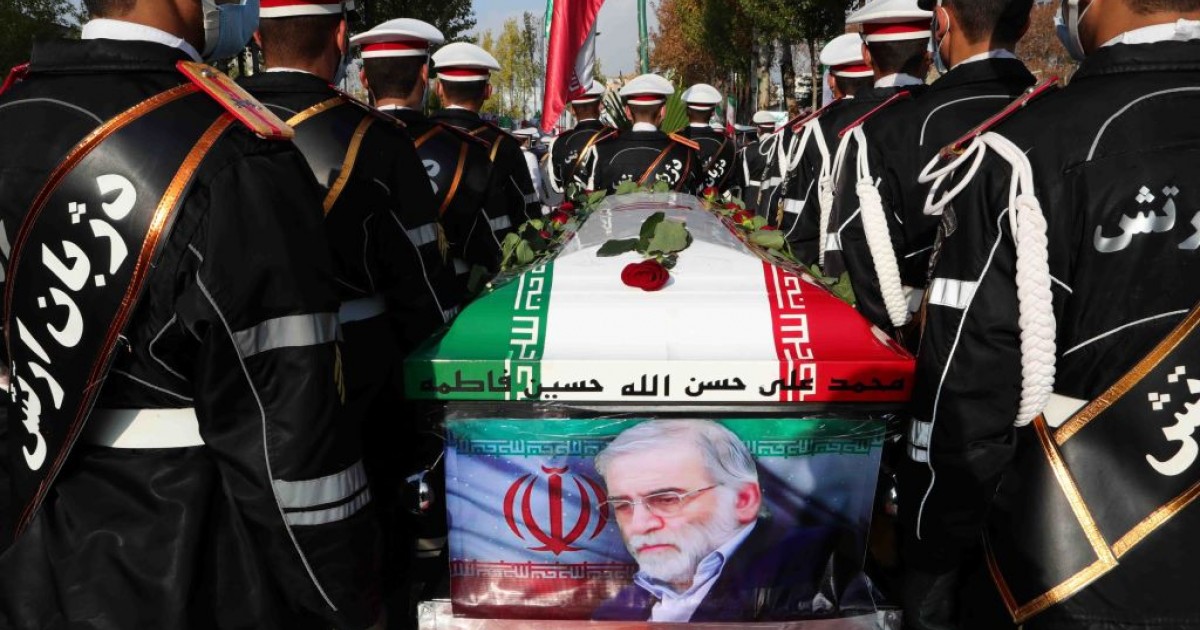
The Fakhrizadeh assassination: A major failure for Iranian intelligence
The assassination of Mohsen Fakhrizadeh, the most important figure in Iran’s nuclear program, in late November 2020 is a major failure for Iran’s intelligence services. Despite all the secrecy and the emphasis on protecting Fakhrizadeh, however, he was still assassinated in the Absard area, about 70 km from Tehran, on Nov. 27. Why was he killed despite such a high level of protection, and what effect will his death have on the Iranian regime’s intelligence and security structures?