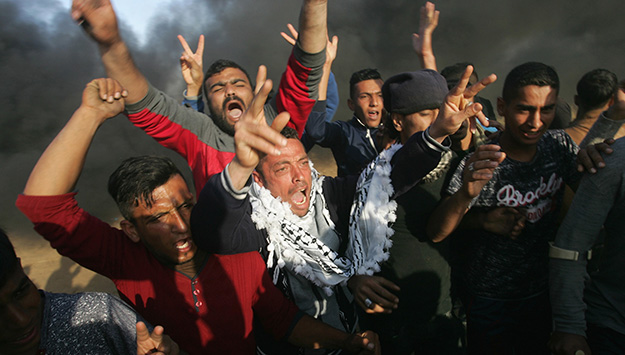
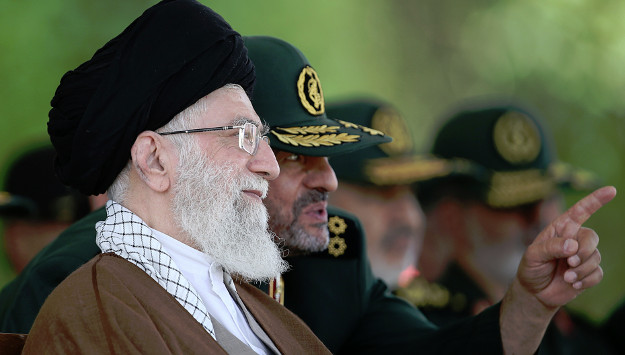
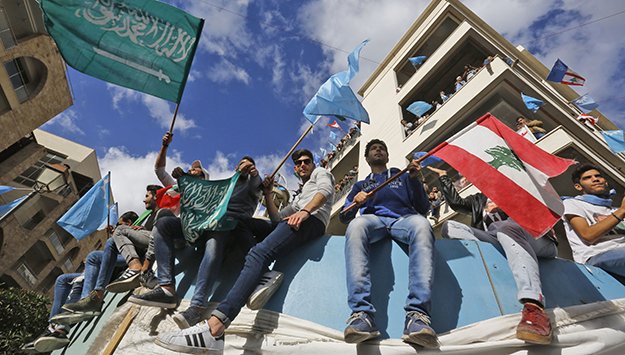
In this week’s Monday Briefing, MEI experts Paul Salem, Bilal Y. Saab, Marvin G. Weinbaum, and Charles Lister provide analysis on recent and upcoming events including the latest violence in Gaza, Gulf Shield-1 military drills, the Taliban’s resistance to peace, and the approaching Syria summit in Ankara.
IRGC chief: Expansion of Basij-like “resistance” groups in region has rattled Israel
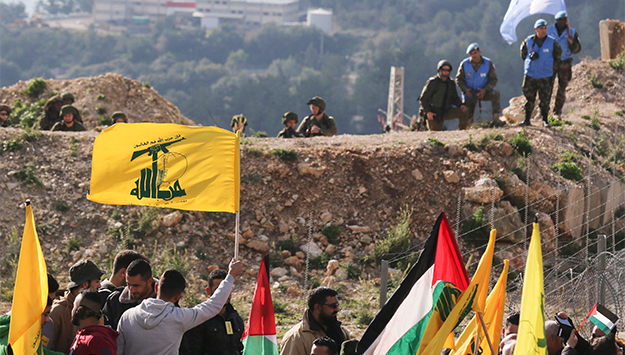
The creation and expansion of Iranian-backed “resistance” forces in Iraq, Syria, Palestine, Yemen and Lebanon serve Iran’s national security interests and have created panic in Israel, Major General Mohammad Ali Jafari, the chief commander of the Islamic Revolution Guards Corps (IRGC), said today.
Israel-Egypt gas deal: politics, or business as usual?
On Feb. 19, a consortium of oil companies led by the U.S.’s Noble Oil and Israel’s Delek signed a contract to supply the Egyptian energy company Dolphinus with up to 32 billion cubic meters of Israeli gas over ten years.
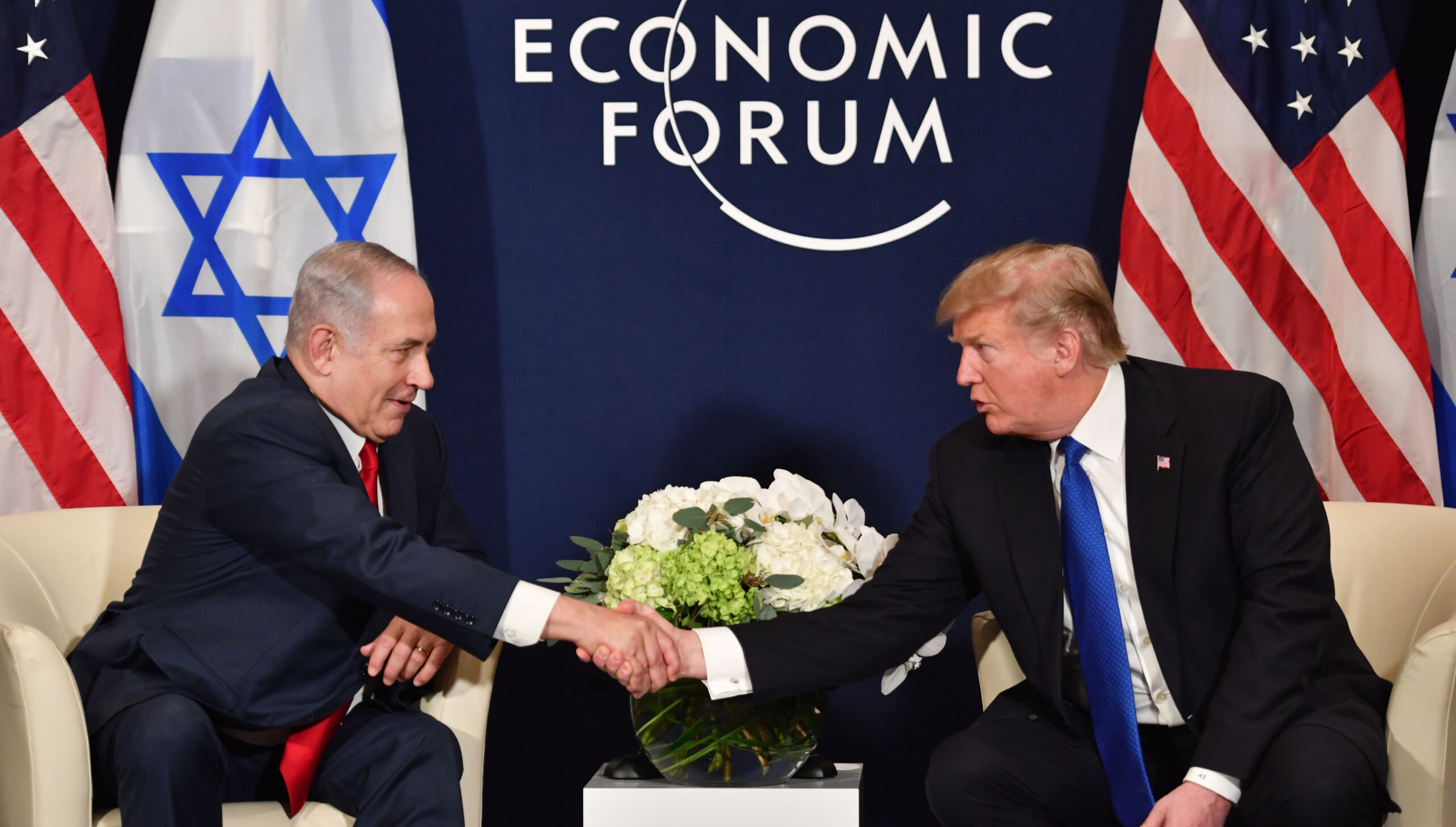
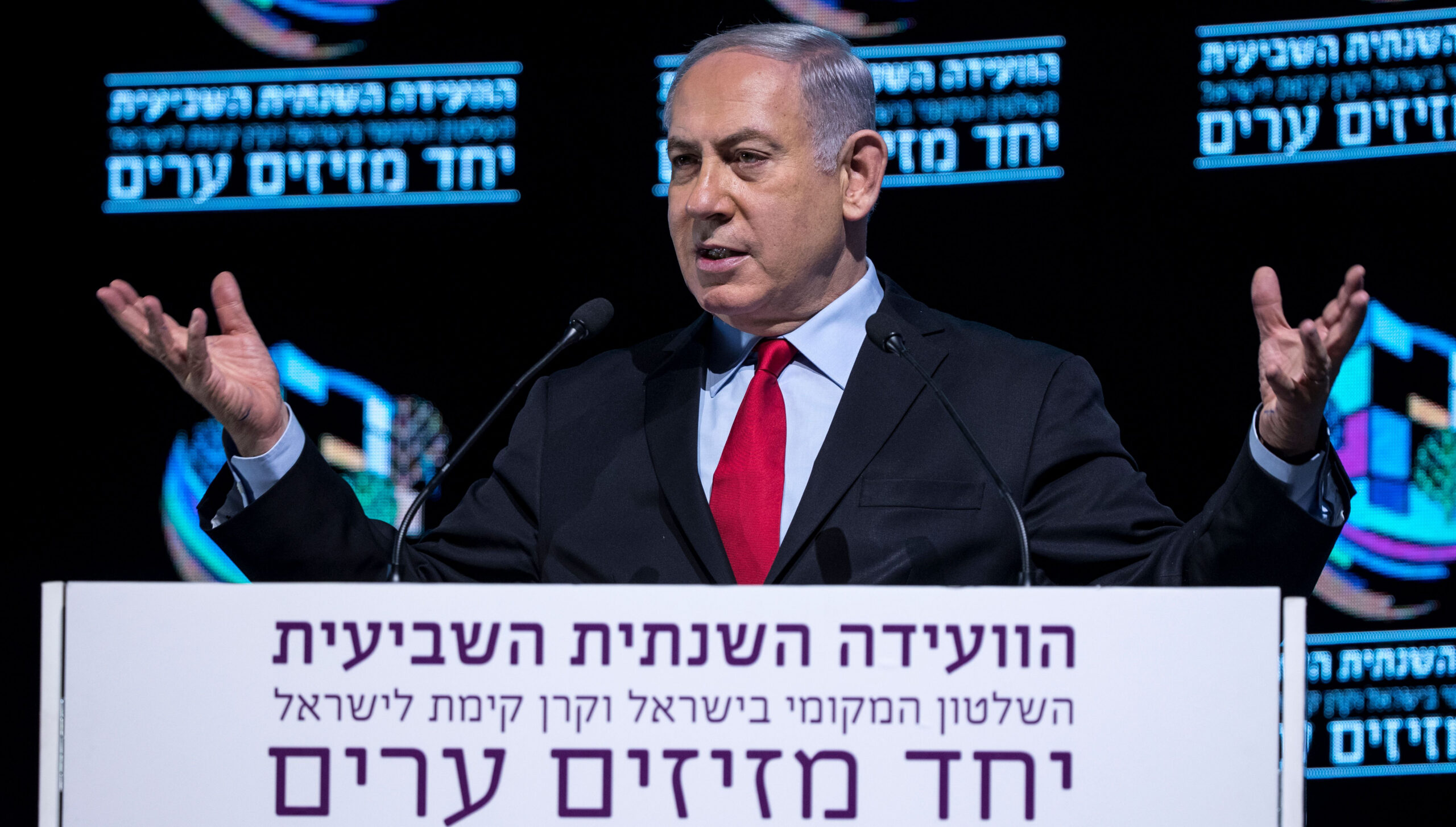
Monday Briefing: Trump and Netanyahu's ultimate deal
In this week’s Monday Briefing, MEI experts Eran Etzion, Gerald Feierstein, Marvin G. Weinbaum, and Gonul Tol provide analysis on recent and upcoming events including Netanyahu’s meeting with Trump, the Saudi Crown Prince’s first extended travel abroad, the Taliban’s call for peace negotiations with the U.S., and Turkey’s pivot to Africa.
Reversing months of troubled relations, Saudi royal envoy Nizar al-Aloula arrived in Lebanon on Monday with messages of strong support for the country. He emphasized that Saudi Arabia sought strong and supportive relations with the Lebanese state and people, saying, “You will see a new approach from Saudi Arabia.” Aloula also extended an official invitation to Prime Minister Saad Hariri to visit Riyadh. Today Hariri is in Riyadh, where he met with King Salman and is due to meet with the crown prince.
China, Jerusalem and the Israeli-Palestinian Conflict
On the surface, the Chinese reaction to the US decision to effectively recognize Jerusalem as the capital of Israel was clear. Following President Trump’s announcement to transfer the US embassy to the Holy City on December 6, 2017. Several days later, China voted with every other member on the UN Security Council (UNSC) to uphold the international consensus and previous UN decisions on Jerusalem. By going against world opinion, the US arguably looked out of step in relation to the conflict. By contrast, China’s alignment with international public opinion gave it the aura of a potential mediator. This essay considers whether Beijing has the political will and capacity to make a significant positive impact on the Israeli-Palestinian conflict.
Weekly briefing: Netanyahu faces a whirlwind of investigations
In this week’s Weekly Briefing, MEI experts Eran Etzion, Gonul Tol, and Ibrahim al-Assil provide analysis on recent and upcoming events including Benjamin Netanyahu investigations, the impact of Rex Tillerson’s visit to Turkey, and Russia’s presence in Eastern Ghouta.
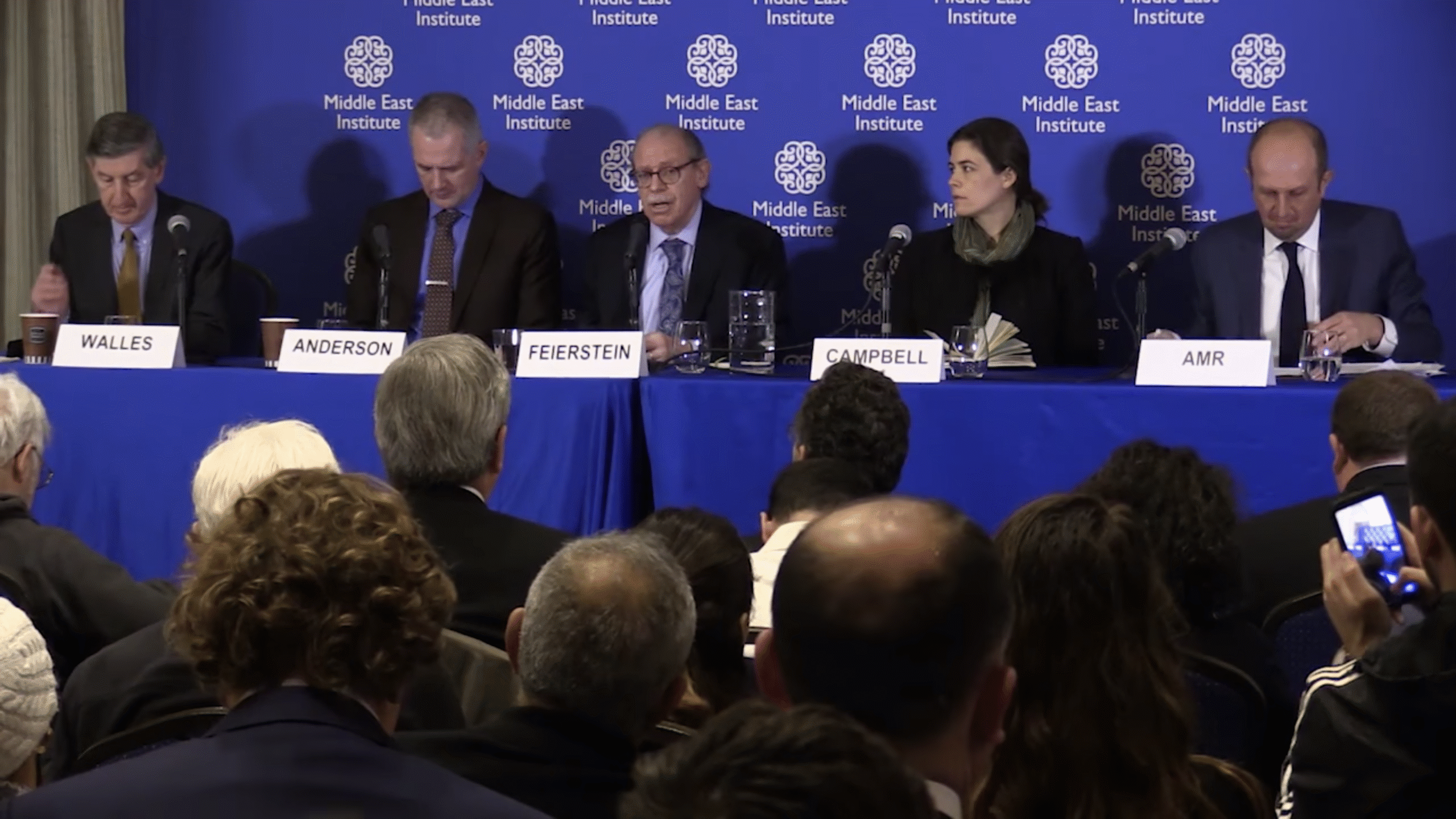
Lebanon has not held parliamentary elections for almost a decade, delayed in part to await the outcome of the Syrian crisis next door. Polls are now set for May 6 and the race to form a majority coalition is on. What will the elections mean for Lebanon’s ability to manage domestic and external pressures? How strong will Hezbollah’s influence be? And will a new election law help or add to the confusion? MEI’s Paul Salem and Randa Slim join guest host Jerry Feierstein to discuss.
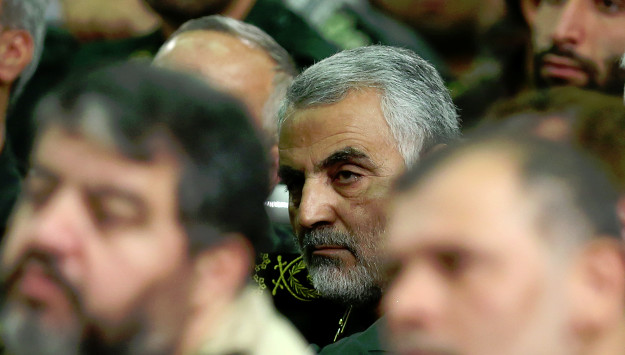
Soleimani commemorates Hezbollah commander by promising Israel’s destruction
Iran’s top general responsible for external operations marked the 10th assassination anniversary of late Hezbollah commander Imad Mughniyeh by promising the destruction of the state of Israel,
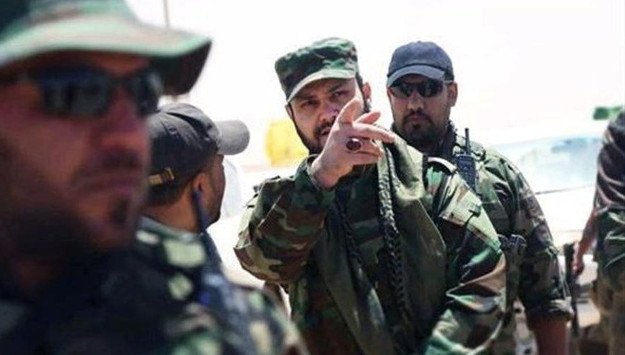
Another Iran-backed Iraqi militia leader visits Lebanon, threatens Israel
The leader of an Iraqi militia group with close ties to Iran traveled to Lebanon this week to voice solidarity with Hezbollah and pledged to stand with the “axis of resistance” in any future wars with Israel. Akram al-Kaabi, the head of Harakat al-Nujaba, made the remarks to reporters in southern Beirut after visiting the tomb of late Hezbollah commander Imad Mughniyeh, who was allegedly killed by Israel. “We, at the axis of resistance, will mobilize forces against Israel at any place.
Negotiating Protection in the Syrian Refugee Response
This essay examines the humanitarian negotiation of protection in the Syrian refugee response. Focusing on the case of Lebanon, the essay presents three examples of how the United Nations High Commissioner for Refugees (UNHCR) has negotiated refugee protection: by avoiding the refugee label, by establishing the contested notion of “protection space,” and by suspending refugee registration at the request of the Lebanese government.
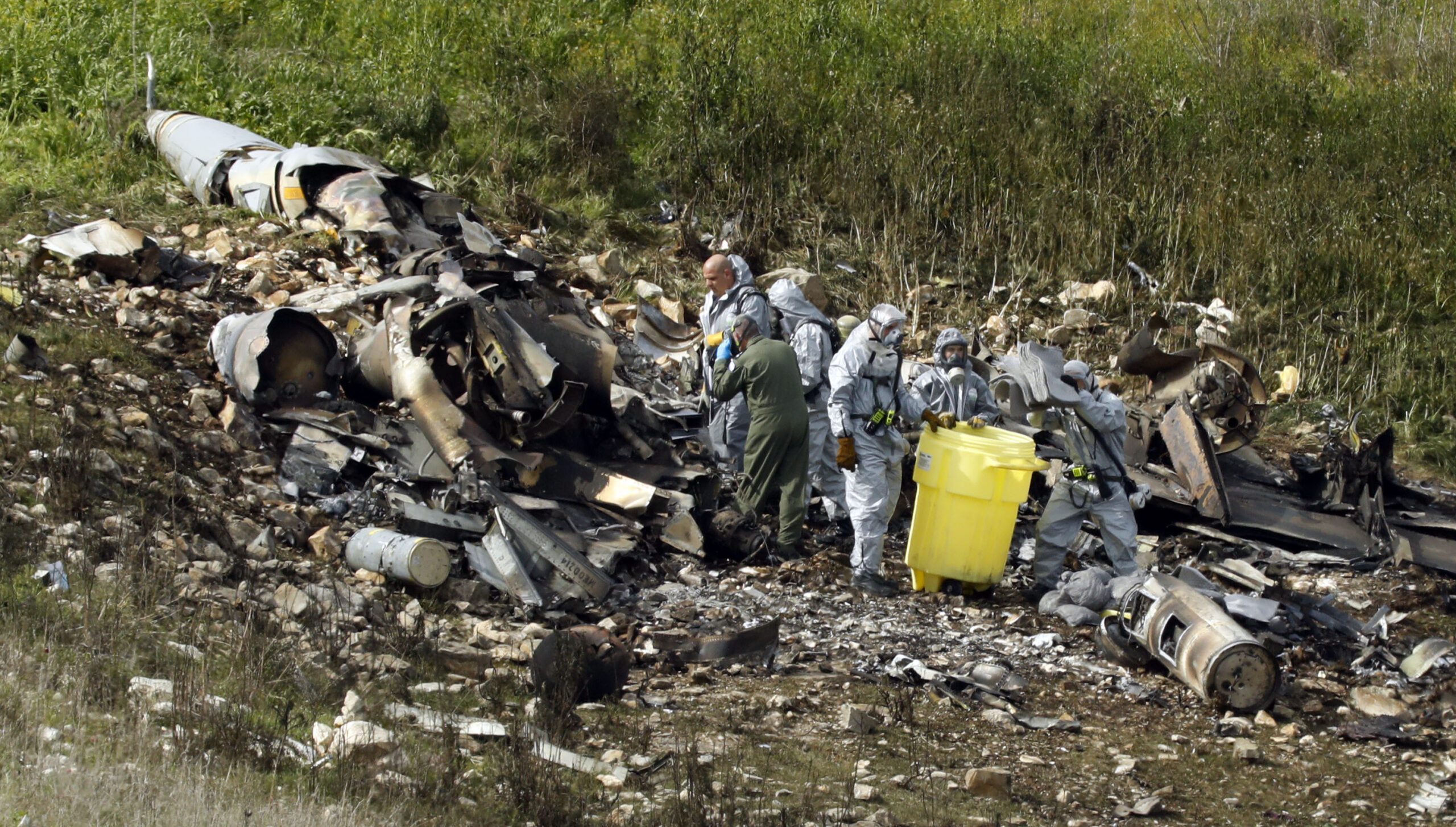
The latest evidence of the evolving nature of the war in Syria was on display Saturday, Feb. 10, when Israel mounted what a senior Israeli officer called “the biggest and most significant attack the air force has conducted against Syrian air defenses” since the 1982 Lebanon war. The unprecedented encounter was precipitated by the intrusion of an Iranian drone into Israeli airspace and led to the downing of a top-of-the-line Israeli F-16 by Syrian air defenses.
Monday Briefing: The Syrian-Iranian downing of an Israeli fighter jet
In this week’s Monday Briefing, MEI experts Charles Lister, Bilal Y. Saab, Eran Etzion, Gonul Tol, Paul Salem, and Randa Slim provide analysis on recent and upcoming events including the Syrian-Iranian downing of an Israeli fighter jet, the critical crossroads of U.S. and Turkey relations, Rex Tillerson’s upcoming visit to Lebanon, and Iraqi reconstruction plans.
In the wake of his announcement to relocate the U.S. embassy in Israel to Jerusalem, President Trump has also vowed to cut funding to the United Nations Relief and Works Agency for Palestine Refugees (UNRWA) by 83 percent, in a stated effort to bring the Palestinian Authority to the negotiating table. International governments and NGOs swiftly condemned these funding cuts by the United States, citing the critical role UNRWA plays in promoting security and stability in the region through health, education, and assistance programs for Palestinian refugees.