Iran and Russia Team up with Taliban to Undermine U.S.-led Mission in Afghanistan
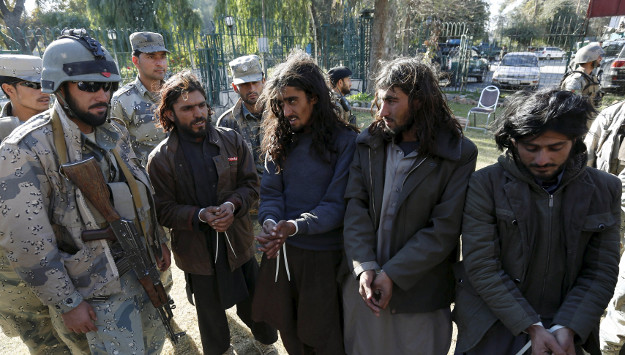
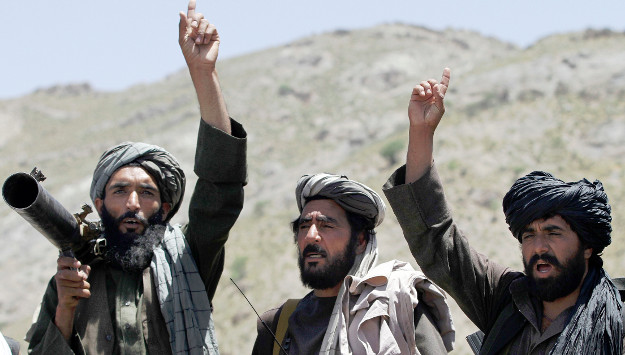
Afghan and U.S. officials say Iran and Russia have teamed up to undermine the U.S.-led stabilization efforts in Afghanistan by sheltering, training, funding and arming Taliban insurgents. They claim that the two countries have not only expanded their diplomatic engagement with the Taliban leadership, but are also providing advanced weapons to the insurgents that are fighting the Afghan government and the U.S.-led coalition forces in the country.
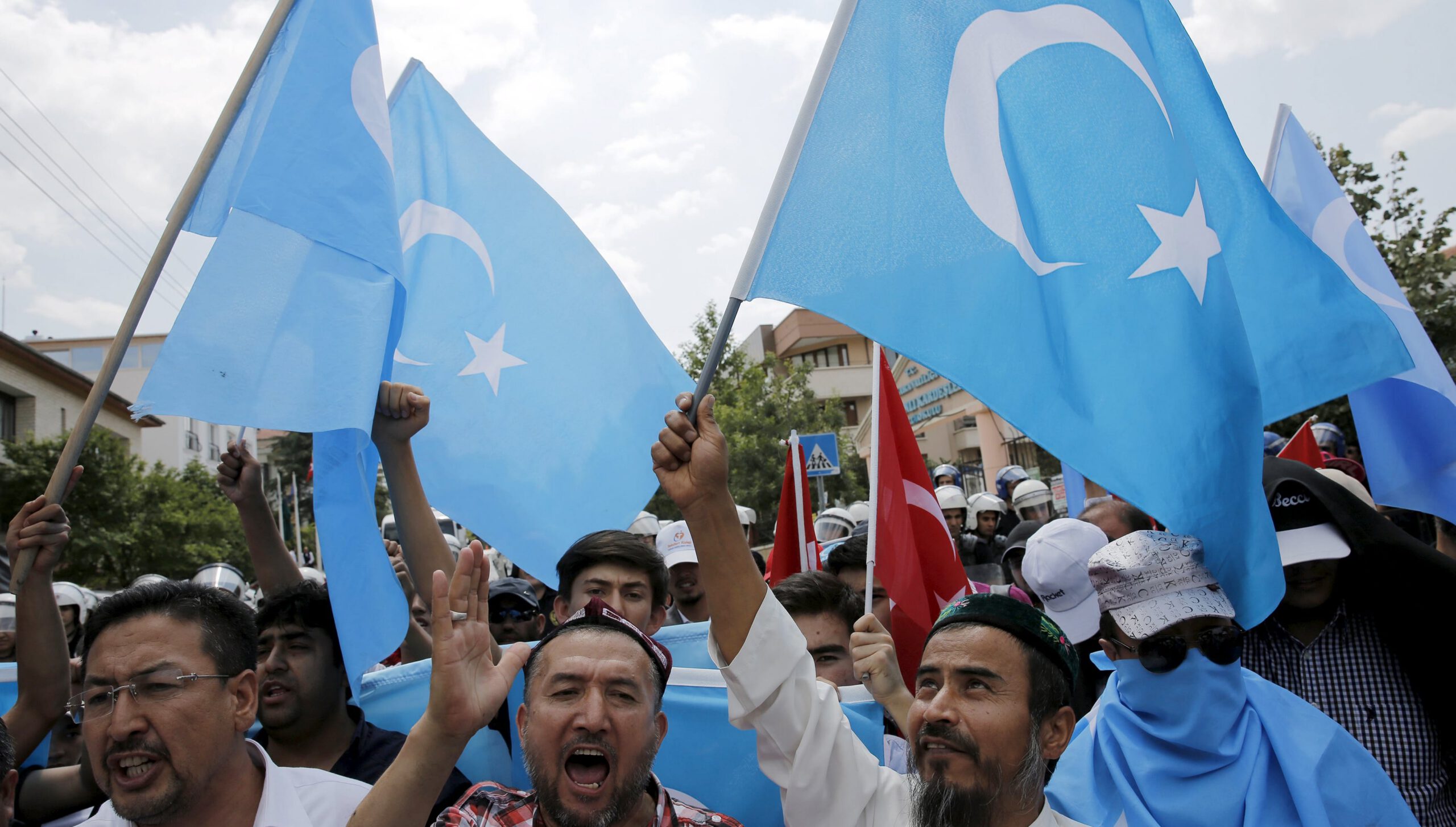
China-Turkey Relations Grow Despite Differences over Uighurs
Since the failed coup attempt of July 15, 2016, Turkey has been looking east for new partners to decrease Ankara’s dependence on traditional Western allies. The election of Donald Trump has contributed to the further estrangement of Turkey’s relationship with its traditional NATO allies, leaving Ankara less comfortable remaining so reliant on Washington for regional security matters.
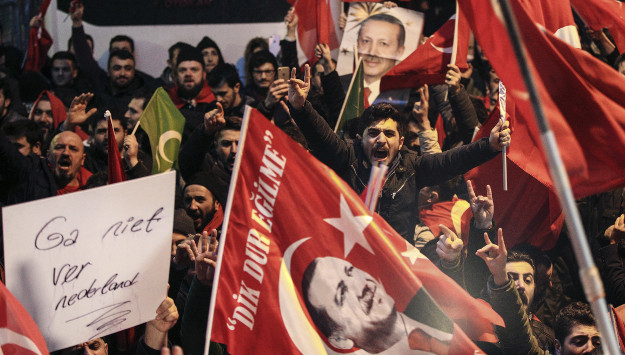
Diplomatic Feud Between Turkey and E.U. Grows | Monday Briefing
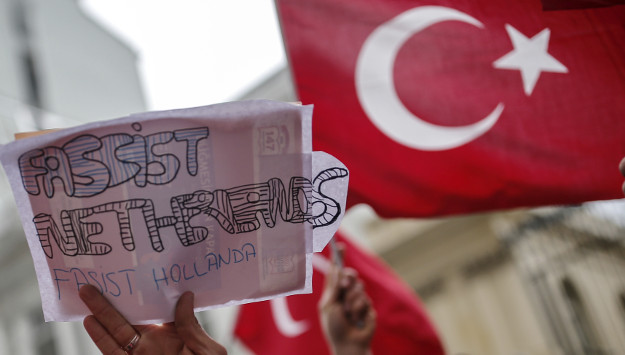
In this week’s Monday Briefing, MEI experts W. Robert Pearson, Gerald Feierstein, Yousef Munayyer, and Alex Vatanka provide analysis on recent and upcoming events including the simmering diplomatic feud between Turkey and the Netherlands, the Chinese offer to act as a mediator between Iran and Saudi Arabia, the congressional debate whether to supply aid to the Palestinian Authority, and the growing French business footprint in Iran.
Monday Briefing: Al-Qaeda leader killed, U.S. & Russia at odds over Syria
Note: The latest issue of MEI’s Monday Briefing e-mail incorrectly linked to this page. If you’re looking for the Monday Briefing for March 6, click here.
Iran’s Scathing Attack on Turkey as Syria Peace Talks Begin in Geneva
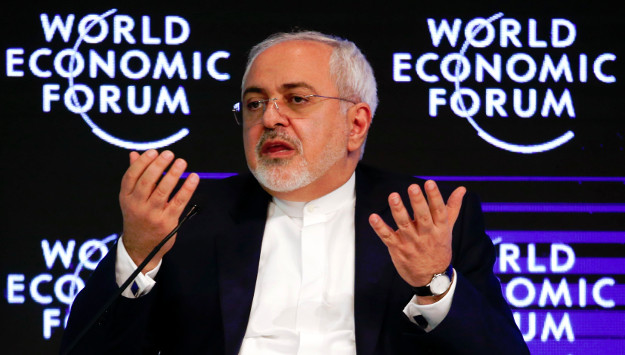
In the latest episode of escalating diplomatic tension between Tehran and Ankara, Iran’s foreign minister today blasted latest statements by Turkish officials accusing Iran of destabilizing the Middle East and fueling sectarian divide in the region.
Afghan Daily: Tehran “Blackmails” Kabul for Political Concessions
Afghanistan’s leading daily newspaper Hasht-e Sobh has blasted the Iranian government for blocking Afghanistan’s accession to the Transport Corridor Europe-Caucasus-Asia (TRACECA) and using its leverage within TRACECA to “blackmail” the Afghan government and seek political concessions from Kabul.
Ali Akbar Velayati, the top foreign policy advisor to Supreme Leader Ayatollah Ali Khamenei, has dismissed Turkish charges that Tehran is engaging in dangerous sectarian policies in the Middle East.
Prominent Afghan Jihadi Leader Warns Iran against Supporting Taliban
Prominent Afghan jihadi leader Amir Ismail Khan has warned the Iranian government against providing military and financial assistance to the Taliban militants in Afghanistan.
Turkish President Recep Tayyip Erdogan’s official trip to Bahrain, Saudi Arabia and Qatar has prompted anxiety in Tehran. Erdogan arrived in Riyadh on Monday night after a visit to Bahrain, and he is scheduled to go to Qatar next.
Top U.S. General Provides Further Evidence of Iran’s Support for Taliban
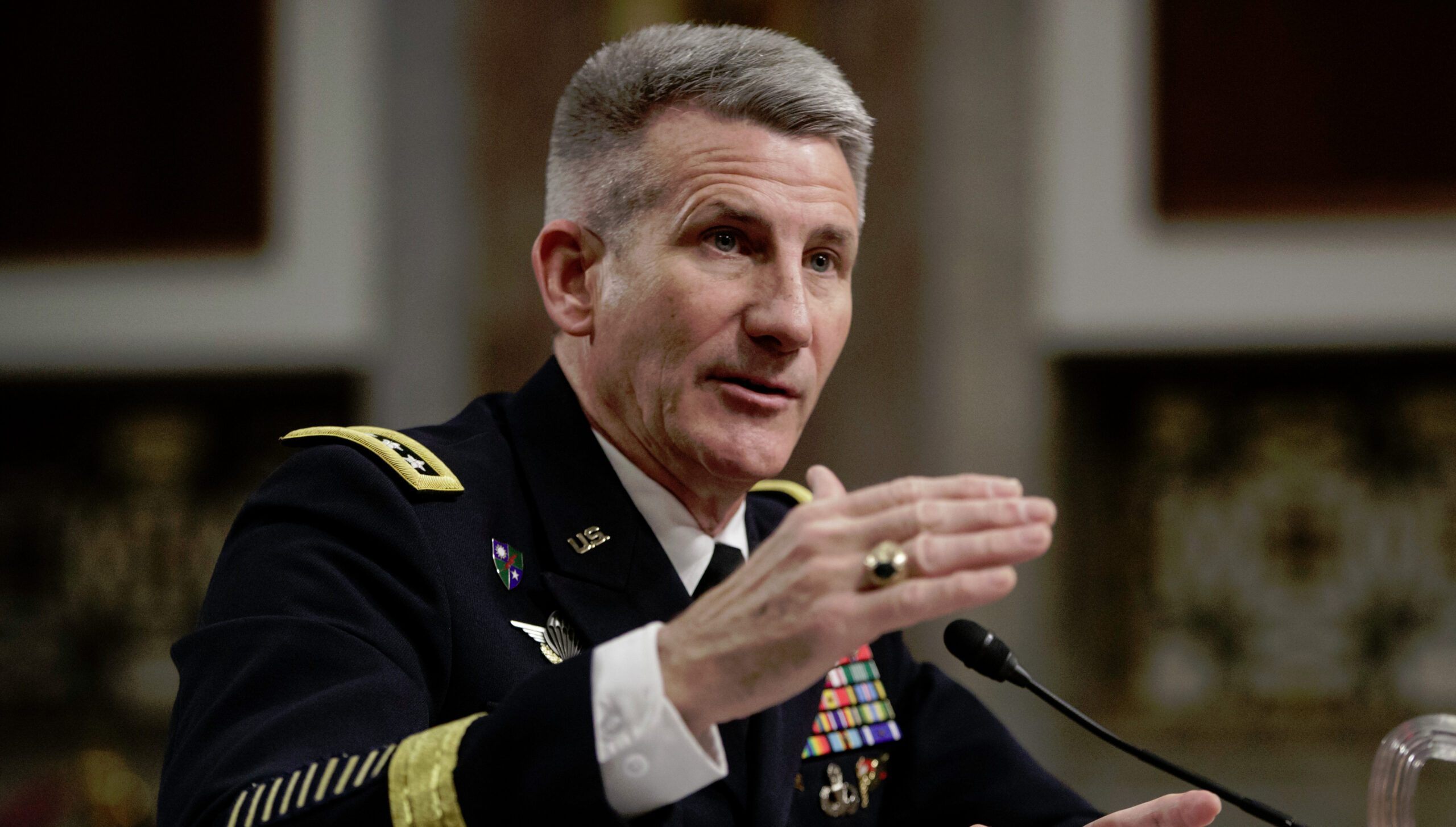
The top American commander in Afghanistan told Congress yesterday that Iran and Russia are supporting the Taliban to undermine the U.S. mission to stabilize the war-ravaged country. Army Gen.