Anti-India Sentiments in South Asia: Terrorist Recruitment Narratives
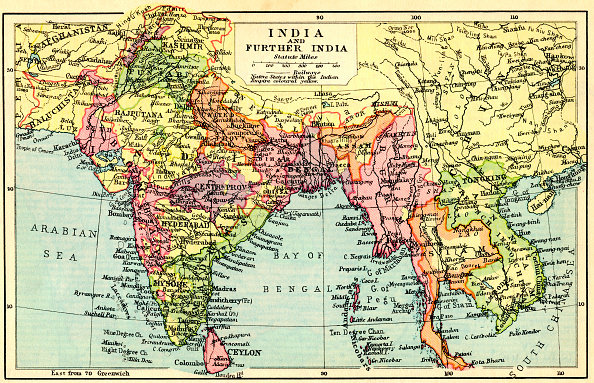
India’s strategic choices in South Asia have prompted it to interfere in the domestic affairs of some of its neighbors. As a result, India has become a part of domestic politics of most of its neighboring states where anti-India sentiment is often used to bolster the nationalist credentials of various political formations. Importantly, such sentiments have been leveraged by Jihadist groups — especially those operating in Pakistan and Bangladesh — to shore up support for themselves.
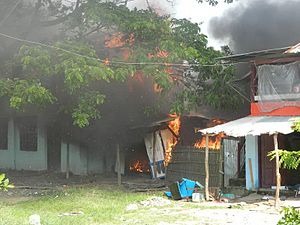
Sectarian-based conflicts — or at any rate, spasms of intercommunal violence characterized as such — are certainly not new. Nor is Iraq or, for that matter, the Middle East as a whole, the only locus of conflict depicted as being sectarian in nature, as the disturbing events in Burma/Myanmar, as well as in the Central African Repubic (CAR) and Nigeria clearly illustrate. With increasing frequency, media accounts of the civil war in Syria describe it in sectarian terms and report that the violence there has inflamed “sectarian tension” throughout the Gulf and beyond.
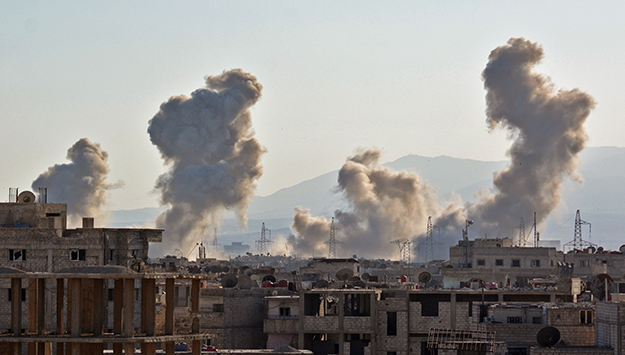
Last week, rebel forces in southwestern Syria agreed to a Russia-brokered deal to surrender Deraa province and lay down their arms, possibly securing strategic victory for the Assad regime in the long-running Syrian conflict. MEI’s Robert Ford and Charles Lister join guest host Gerald Feierstein to discuss the significance of these developments and whether the United States is preparing to withdraw from Syria in a broader agreement with Russia.
In this week’s Monday Briefing, MEI experts Charles Lister, Alex Vatanka, Randa Slim, and Marvin G. Weinbaum provide analysis on the US’s silence amid the Assad regime’s expansion, the Iranian president’s trip to Europe, the uptick in violence after Iraq’s elections, and the upcoming Pakistani parliamentary elections.
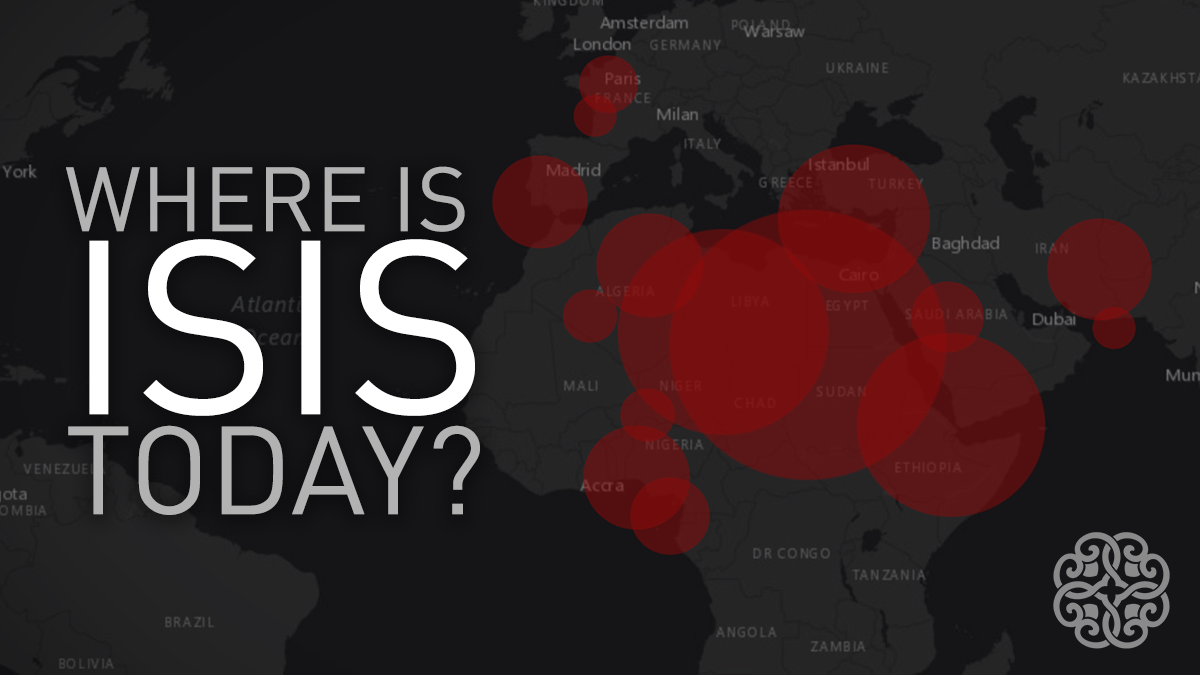
After years of international intervention, ISIS was routed from its Iraqi stronghold in Mosul and from its so-called capital in the Syrian city of Raqqa last year. However, the group remains dangerous both in the region and globally. Charles Lister discusses how ISIS is operating today, and what the international community must do to combat it.
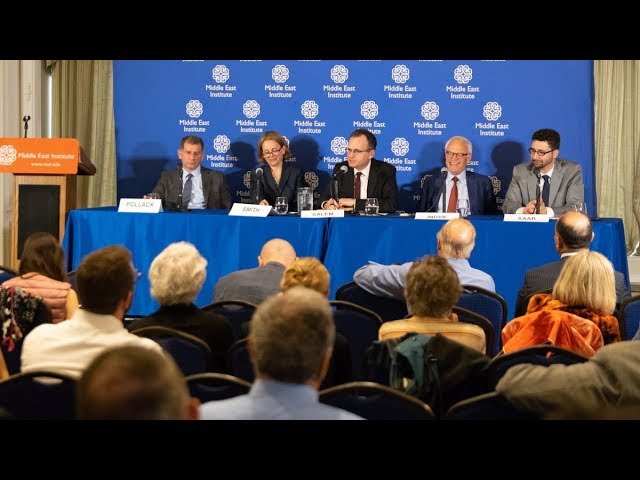
Several countries have engaged in a flurry of diplomatic moves in recent days to prevent combat between Israeli and Iranian forces in southern Syria from escalating into full-scale war. MEI senior fellows Robert Ford and Charles Lister join host Paul Salem to discuss these moves and the state of the Syrian conflict.
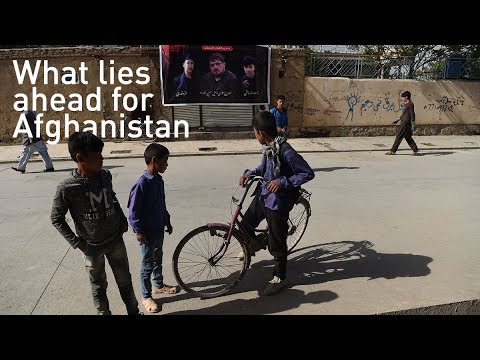
What lies ahead for Afghanistan: the various scenarios
The way forward in Afghanistan seems as unclear as it has ever been. An outright military victory against the Taliban and other insurgent groups appears to be unachievable. The prospect of insurgents overrunning the country soon appears similarly unlikely. At the same time, a negotiated peace seems presently improbable. At least on terms outlined by the Kabul government and international community, the Taliban shows little interest in reconciliation.
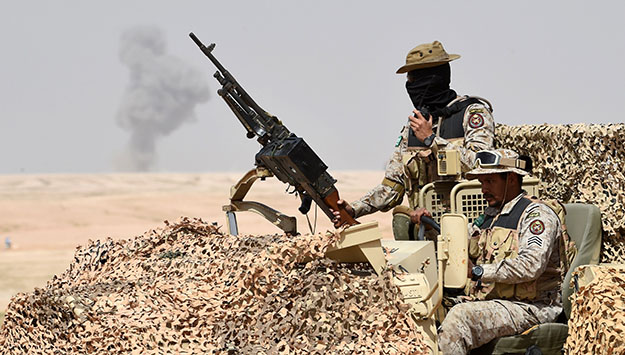
While armed nonstate actors and proxy militias have been grabbing most headlines in recent years, the risk of interstate war in the Middle East is rising at an alarming rate. This includes the risk of war between Israel and Iran, Saudi Arabia and Iran, and possibly the United States and Iran, or the United States and Russia. Tensions between Israel and Iran have boiled over several times in recent weeks in Syria, risking a serious escalation between the two countries.
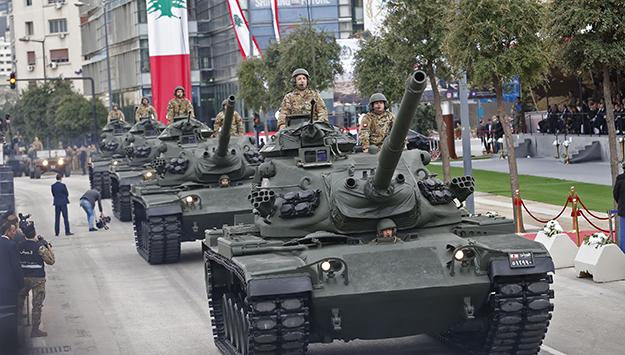
In Sunday’s elections in Lebanon, Hezbollah and its allies gained more than half the seats in Parliament. After a result like that, an old canard in Washington is likely to resurface with full force: the idea that U.S. policy in Lebanon is a disaster. Don’t buy it. In fact, of all the investments the United States has made in the Middle East over the past decade, Lebanon has generated the greatest returns.
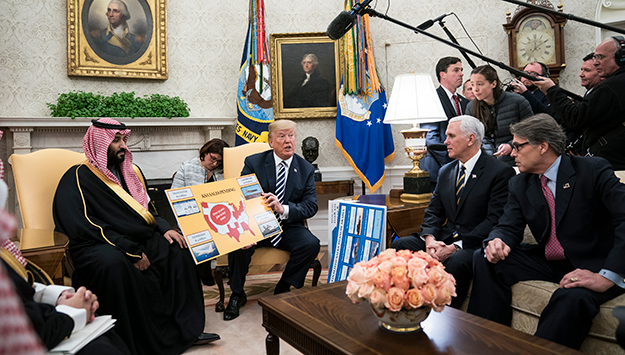
What impact will the Trump administration’s new arms sales policy, named “Buy American,” have on the Middle East, historically one of the major destinations for U.S.-made weapons? Michael O’Hanlon, senior fellow and director of research for the Foreign Policy program at Brookings, and Bilal Saab, director of MEI’s Defense and Security program, join host Paul Salem to discuss.
The White House last week released a new plan—called “Buy American”—to shore up U.S. arms sales to global friends and allies. It’s borne out of President Donald Trump’s desire, which he articulated during his presidential campaign, to sell more American weapons as a means to boost the U.S. economy and create more jobs.
Amb. Robert Ford and Charles Lister join host Paul Salem to discuss last week’s U.S. airstrikes in Syria in response to the Assad government’s ongoing use of chemical weapons, what the Trump administration is signaling about America’s plans there, and the escalating standoff between Israeli and Iranian forces in the country.