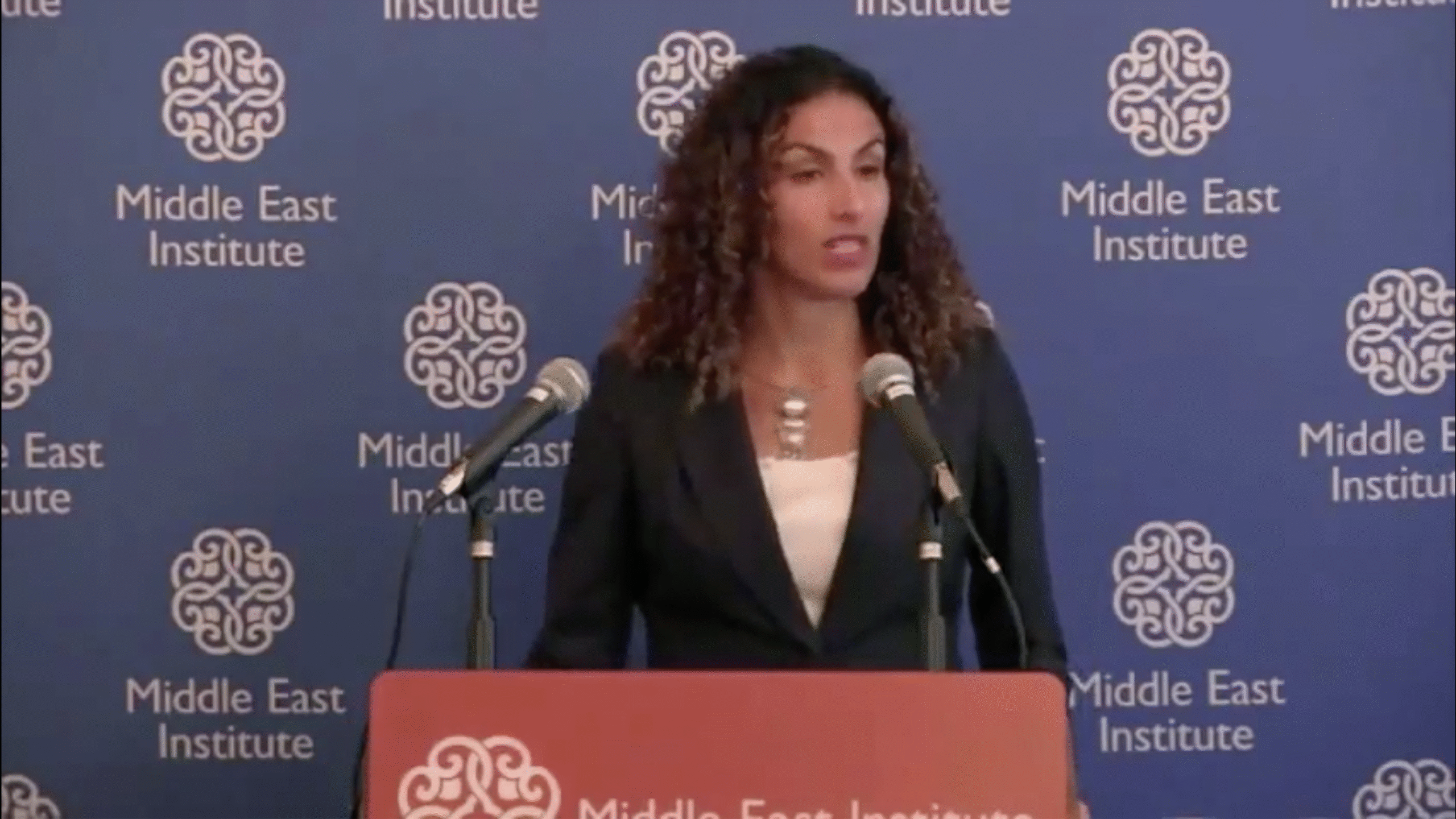
Wed, 8/14/2013 12:00 pm to 1:00 pm The Middle East Institute is pleased to welcome H.E. Ambassador Raouf Adly Saad, former special envoy to Africa of the interim president of Egypt, for a conversation about Egypt’s political transition and future. In light of Egypt’s many challenges, Ambassador Saad will discuss the transitional government’s goals and priorities and offer his insights about how to get Egypt on a path toward economic stability and democracy.Bios:H.E. Ambassador Raouf Adly Saad served as the special envoy to Africa for Interim Egyptian President Adly Mansour.
1. The current state apparatus is intent on using force to disperse sit-ins—protests that are a direct response to a genuine political crisis. Blood has been spilled; victims are being shot down. Political solutions have been willfully ignored, and so has the fact that efforts to bring about such solutions are absolutely critical, regardless of what difficulties or obstacles may stand in the way.
Since the 1970s oil boom, the Gulf region has been one of the principal destinations for workers from South Asia, with the result that today Indians constitute a large percentage of the non-nationals living in the region. Indeed, at five million out of an estimated 15 million people, the Indian community forms the largest expatriate group in each of the Gulf countries. Most Indian immigrants are from the south Indian state of Kerala, while many of the rest originate from Tamil Nadu, Punjab, Uttar Pradesh, and Bihar.
Egypt after June 30: Violence in Speech, Politics, & Institutions
The current wave of violence in Egypt, which began in the wake of June 30, 2013, is unlike any other the Egyptian public has witnessed since the January 25 revolution of 2011. Both verbal and political forms of violence are driving Egypt’s state and society toward a dangerous precipice—and to a total departure from the path to democratic transformation.
“What’s interesting about the Christians is that when they elect Shafik, they comprise half the population; when they go down to Ittihadiya [Palace] they are most of the population; when it comes to building churches they are five percent; and right before the elections they are partners in the nation.”
–Egyptian satirist Bassem Youssef, December 14, 2012[1]
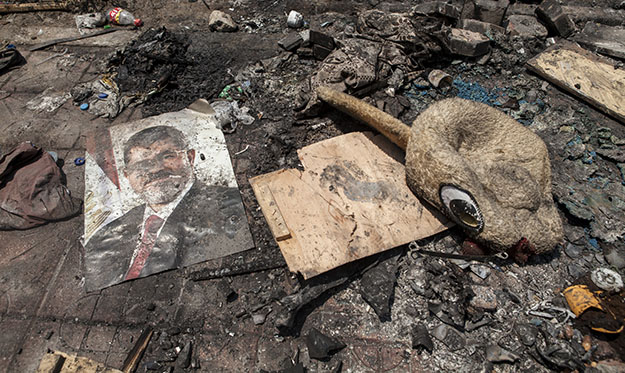
The fact that millions of Egyptians welcomed back the military and the police in order to depose Morsi and his Muslim Brotherhood in early July has given the police a regained sense of control and authority. As such, they have returned to the streets in large numbers and, moreover, have been implicated in the shooting deaths of protestors calling for Morsi’s reinstatement.
Significant numbers of Egyptians again poured into the streets on July 26 in response to Defense Minister Abdul-Fattah el-Sisi’s call to demonstrate “against terrorism.” While some may argue over the merit of el-Sisi’s call, the deluge of people into the streets reflects a rejection of what they believe is a Brotherhood campaign of political violence waged not just against security forces but against civilians.
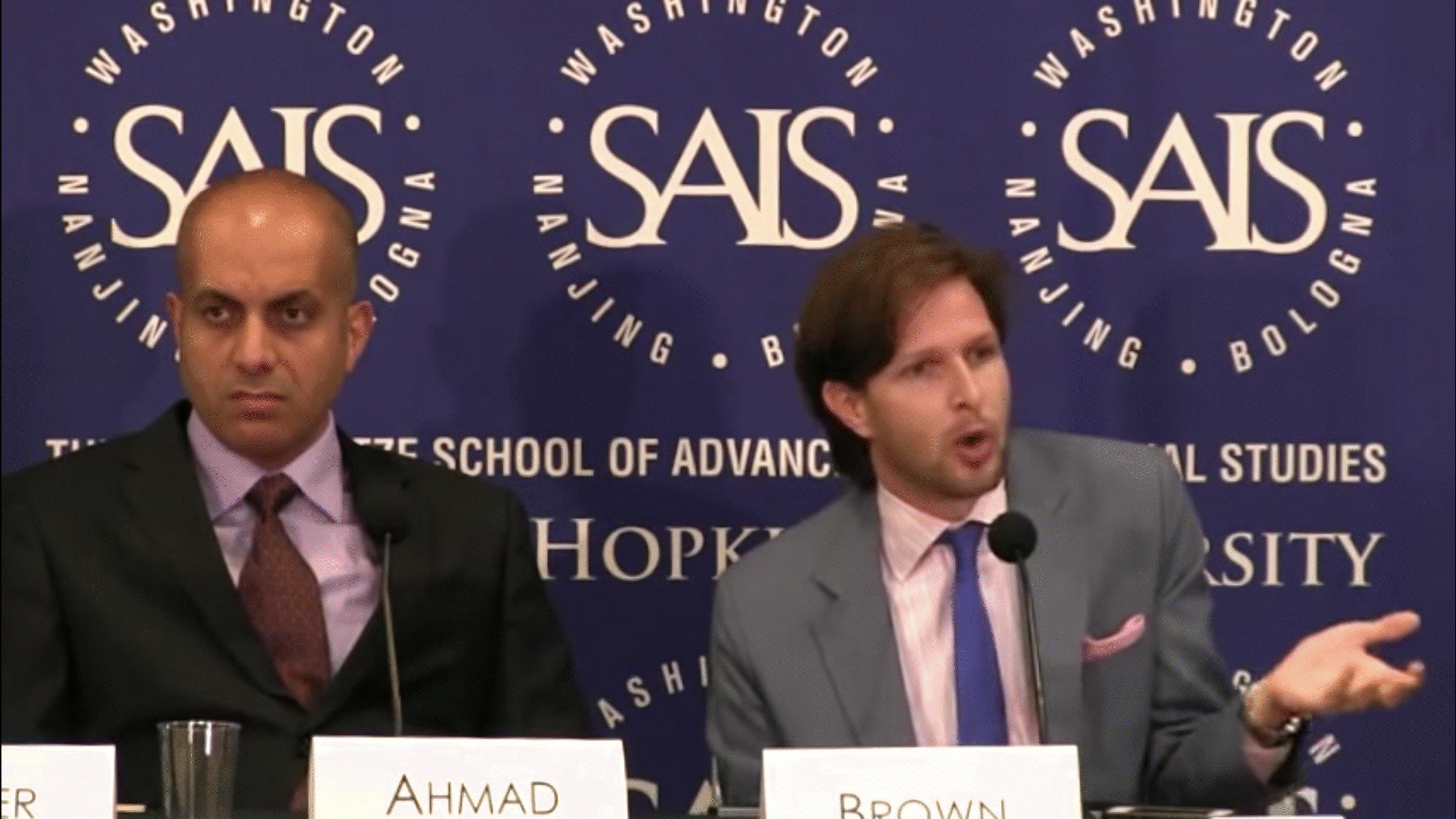
The Middle East Institute, in conjunction with the Conflict Management Program at SAIS, is pleased to welcome Dr. Ahmad Atif Ahmad, Professor of Religious Studies at the University of California, Santa Barbara, and Dr. Jonathan A. Brown, Associate Professor of Islam and Muslim-Christian Understanding at the Edmund A. Walsh School of Foreign Service, for a discussion about the thinking and strategy of Islamist actors in Egypt in the wake of Egyptian president Mohamed Morsi’s ouster.
The Middle East Institute, in conjunction with the Conflict Management Program at SAIS, is pleased to welcome Dr. Ahmad Atif Ahmad, Professor of Religious Studies at the University of California, Santa Barbara, and Dr. Jonathan A. Brown, Associate Professor of Islam and Muslim-Christian Understanding at the Edmund A. Walsh School of Foreign Service, for a discussion about the thinking and strategy of Islamist actors in Egypt in the wake of Egyptian president Mohamed Morsi’s ouster.
The Middle East Institute, in conjunction with the Conflict Management Program at SAIS, is pleased to welcome Dr. Ahmad Atif Ahmad, Professor of Religious Studies at the University of California, Santa Barbara, and Dr. Jonathan A. Brown, Associate Professor of Islam and Muslim-Christian Understanding at the Edmund A. Walsh School of Foreign Service, for a discussion about the thinking and strategy of Islamist actors in Egypt in the wake of Egyptian president Mohamed Morsi’s ouster.
The Middle East Institute, in conjunction with the Conflict Management Program at SAIS, is pleased to welcome Dr. Ahmad Atif Ahmad, Professor of Religious Studies at the University of California, Santa Barbara, and Dr. Jonathan A. Brown, Associate Professor of Islam and Muslim-Christian Understanding at the Edmund A. Walsh School of Foreign Service, for a discussion about the thinking and strategy of Islamist actors in Egypt in the wake of Egyptian president Mohamed Morsi’s ouster.
The Middle East Institute, in conjunction with the Conflict Management Program at SAIS, is pleased to welcome Dr. Ahmad Atif Ahmad, Professor of Religious Studies at the University of California, Santa Barbara, and Dr. Jonathan A. Brown, Associate Professor of Islam and Muslim-Christian Understanding at the Edmund A. Walsh School of Foreign Service, for a discussion about the thinking and strategy of Islamist actors in Egypt in the wake of Egyptian president Mohamed Morsi’s ouster.