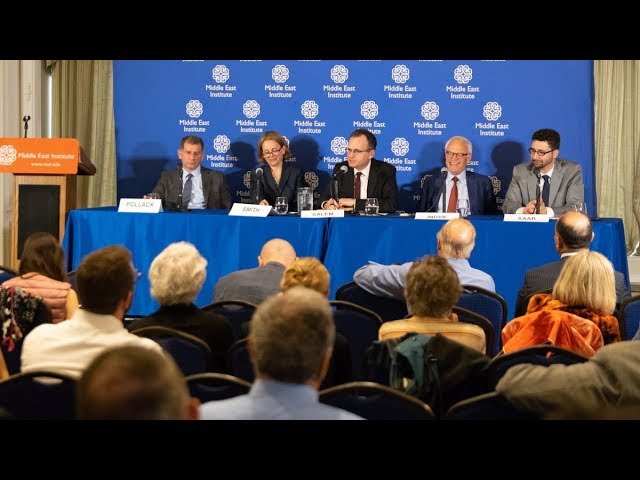
Several countries have engaged in a flurry of diplomatic moves in recent days to prevent combat between Israeli and Iranian forces in southern Syria from escalating into full-scale war. MEI senior fellows Robert Ford and Charles Lister join host Paul Salem to discuss these moves and the state of the Syrian conflict.
Egypt’s sustainable development threatened by Ethiopian dam
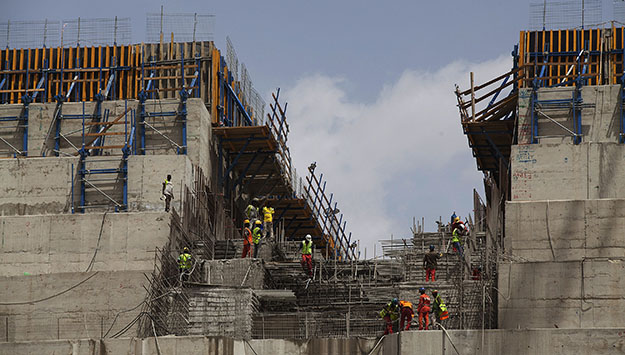
It is a travesty that in the 21st century the construction of a mega-hydropower-generation project, the Great Ethiopian Renaissance Dam (GERD) has been underway for over seven years without an independent, comprehensive transboundary Environmental and Social Impact Assessment (ESIA) conducted first.
What lies ahead for Afghanistan: the various scenarios
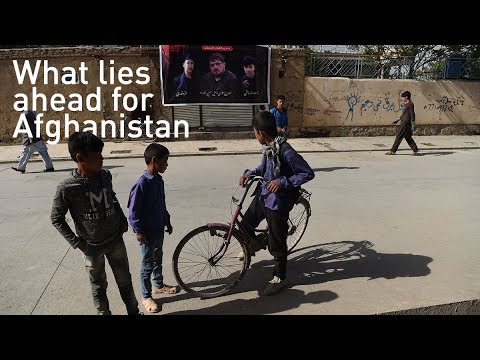
The way forward in Afghanistan seems as unclear as it has ever been. An outright military victory against the Taliban and other insurgent groups appears to be unachievable. The prospect of insurgents overrunning the country soon appears similarly unlikely. At the same time, a negotiated peace seems presently improbable. At least on terms outlined by the Kabul government and international community, the Taliban shows little interest in reconciliation.
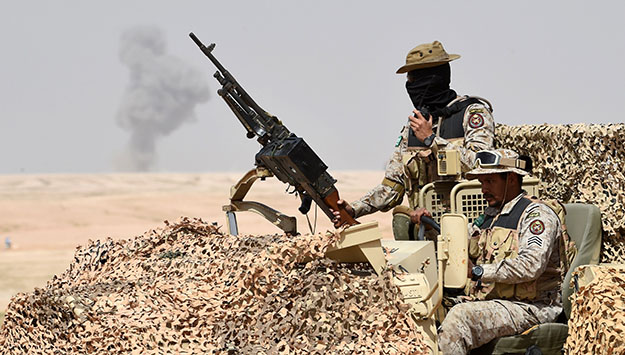
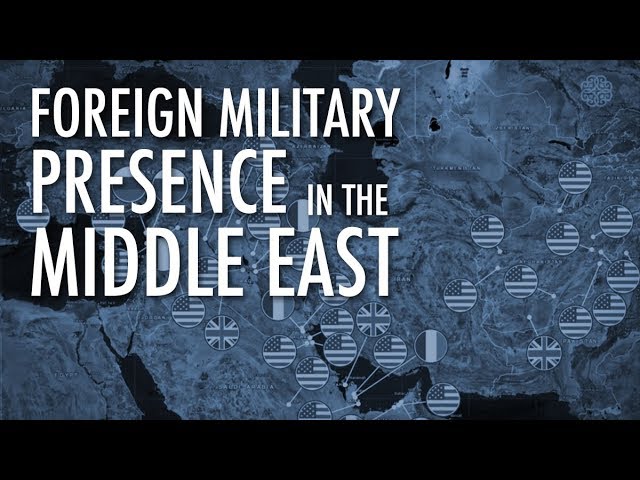
While armed nonstate actors and proxy militias have been grabbing most headlines in recent years, the risk of interstate war in the Middle East is rising at an alarming rate. This includes the risk of war between Israel and Iran, Saudi Arabia and Iran, and possibly the United States and Iran, or the United States and Russia. Tensions between Israel and Iran have boiled over several times in recent weeks in Syria, risking a serious escalation between the two countries.
In Sunday’s elections in Lebanon, Hezbollah and its allies gained more than half the seats in Parliament. After a result like that, an old canard in Washington is likely to resurface with full force: the idea that U.S. policy in Lebanon is a disaster. Don’t buy it. In fact, of all the investments the United States has made in the Middle East over the past decade, Lebanon has generated the greatest returns.
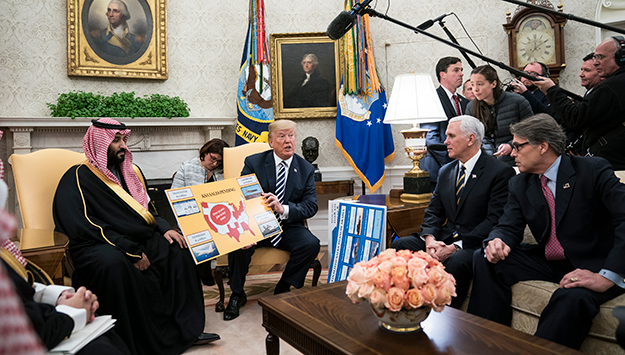
What impact will the Trump administration’s new arms sales policy, named “Buy American,” have on the Middle East, historically one of the major destinations for U.S.-made weapons? Michael O’Hanlon, senior fellow and director of research for the Foreign Policy program at Brookings, and Bilal Saab, director of MEI’s Defense and Security program, join host Paul Salem to discuss.
The White House last week released a new plan—called “Buy American”—to shore up U.S. arms sales to global friends and allies. It’s borne out of President Donald Trump’s desire, which he articulated during his presidential campaign, to sell more American weapons as a means to boost the U.S. economy and create more jobs.
Limit Iran's missiles? Sure, but first come up with a plan
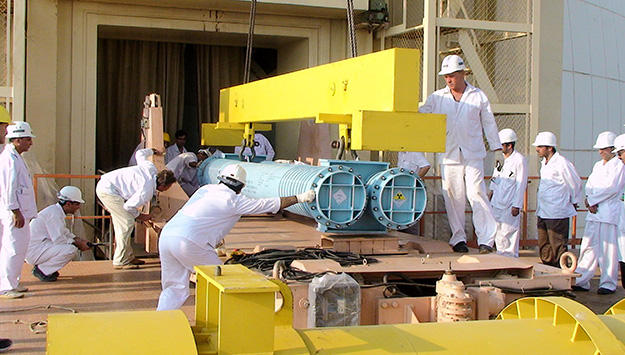
Critics of the Iran nuclear deal have consistently argued that one of its major flaws is that it didn’t address Tehran’s ballistic missile program. Imposing limits on those weapons of terror, opponents of the deal say, is a primary U.S. objective and should have been part of our negotiating strategy with the Iranians from the beginning.
Rex Tillerson’s exit and what’s next for US-Middle East policy
Outgoing Secretary of State Rex Tillerson had long been at odds with President Trump on key issues in the Middle East, from the intra-GCC dispute between Qatar and other member states, to the recognition of Jerusalem as Israel’s capital and the Iran nuclear deal. MEI fellows Gerald Feierstein, Charles Lister and Alex Vatanka join host Paul Salem to discuss how his replacement may impact these and other regional policy issues.
Sub-Saharan Africa must respect North Africa's water rights
The Middle East is the world’s most arid region and the one most dependent on renewable freshwater resources that originate outside its territories. These resources are largely contained in the Nile, Euphrates-Tigris, and Jordan river basins. An international law-based approach to transboundary watercourse development and management is vital for human security and regional stability. Applying legal principles in the Nile Basin is imperative, as unilateral actions by upstream countries can harm livelihoods on a large scale in downstream countries and destabilize their economies.