
Israel: The Future is Asia
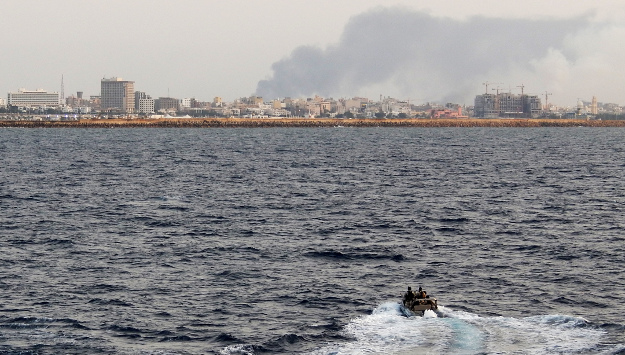
The forces of globalization have not erased national boundaries. Nor have they shortened the physical distances between countries. Tel Aviv and Tokyo still lie more than 9,000 kilometers apart. The direct flight time between Ben Gurion Airport and Beijing Capital Airport remains just over nine hours.
Israel and Indonesia: Window of Opportunity?
Israel and Indonesia are two nations whose relations―due to political circumstances―have yet to fulfill their enormous potential. Were there to be progress in peace negotiations between Israelis and Palestinians, a window of opportunity could open for Indonesia’s new president to take practical steps that would begin to unlock this potential.
Egypt's Emerging Libya Policy
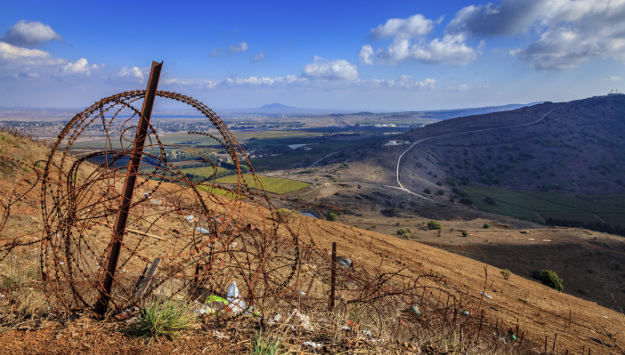
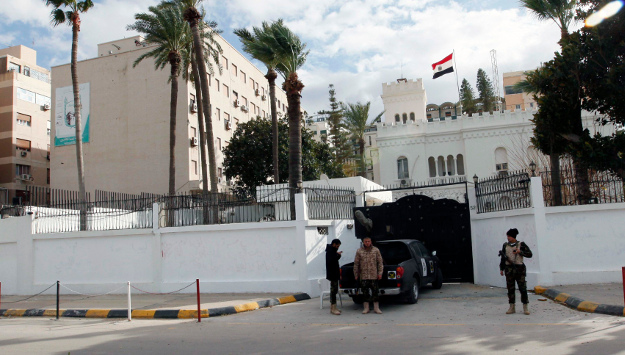
Several weeks ago an Islamist and jihadist alliance led by Ansar al-Sharia–a group with ties to Islamic State (formerly ISIS)–took control of Benghazi and declared an “Islamic Emirate.” A few days ago, an Islamist alliance took control of Tripoli’s main airport. These developments have come as a shock to the Egyptian government, which considers an Islamic state on Egypt’s 720-mile long western border an immediate threat to Egypt’s national security. This helps explain Egypt’s alleged role in recent airstrikes inside Libya coordinated with the United Arab Emirates.
Peace in the Mideast Will Come Only with International Help
Read full article at The Washington Post.
Collection Spotlight: Pens and Swords: How the American Mainstream Media Report the Israeli-Palestinian Conflict By Marda Dunsky

Free media in a democratic society allows people to evaluate and challenge, to scrutinize honestly and debate accurately. But what happens when mainstream media unknowingly fails the public? Marda Dunsky argues that, when it comes to the Israeli-Palestinian conflict, a decade-old conflict at the center of U.S. interests in the Middle East, the American mainstream media has failed the public and even perpetuated violence.
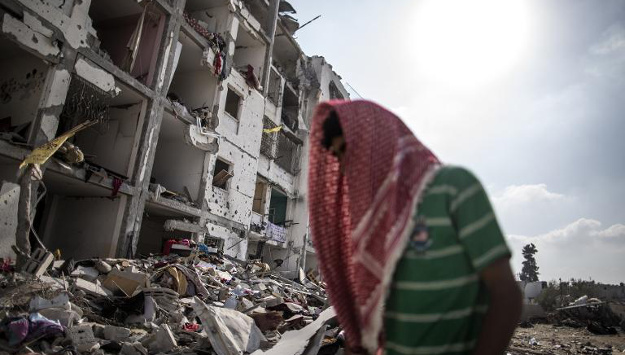
The Cruel War in Gaza Calls for a New Approach to Peace
The terrible war in Gaza, the third and worst of its kind in the last decade, is a product of Palestinian political disarray, Arab disunity, and division in Israel. Washington’s policy of “no direct talks” with Hamas and bitter partisanship between the White House and Congress have also limited effective U.S. intervention. As such, this latest tragedy is yet another symptom of decades of failure to resolve the larger Israel-Palestine conflict, which, without major policy changes, will surely drag on regardless of the latest cease-fire.
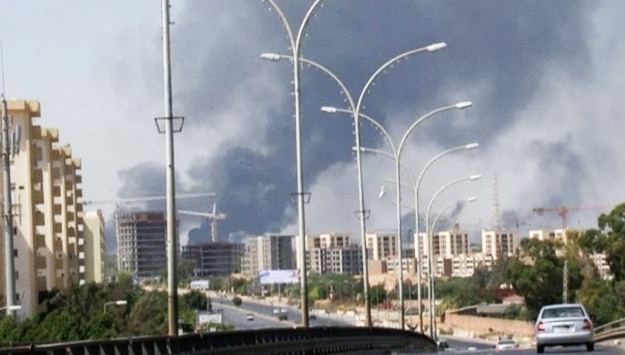
Egypt’s Least Bad Option for Addressing Energy Troubles
A proposed deal to export Israeli natural gas through Egypt has the potential to enable Israel’s entry into its first major export markets, help Egypt escape a deepening energy crisis, and welcome the first European players into Israel’s natural gas industry. However, the deal is complicated by political realities and a history of deeply rooted grievances between the two countries, made worse by the recent violence between Israel and Hamas in Gaza.
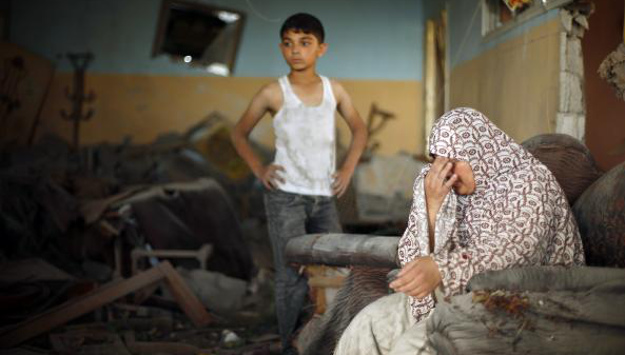
Israel's Unwinnable War
Amb. Philip Wilcox, MEI scholar and president of the Foundation for Middle East Peace, discusses the motivations that led to the current escalation of hostilities between Israel and Hamas, and why Israel decided to pursue a ground assault in Gaza.
Israel’s ground assault continues an historical pattern of dealing with threats from adversaries. How well has this strategy worked before?
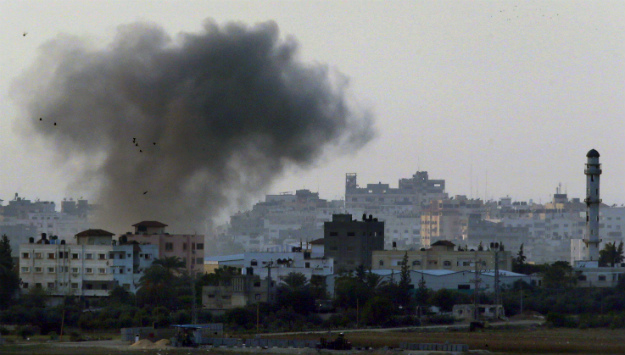
Why Securing a Cease-Fire Will Be Harder This Time
In thinking about how the crisis between Israel and the Hamas leadership in Gaza might play out, it’s useful to reflect upon the preceding Israeli incursion into Gaza in November 2012.
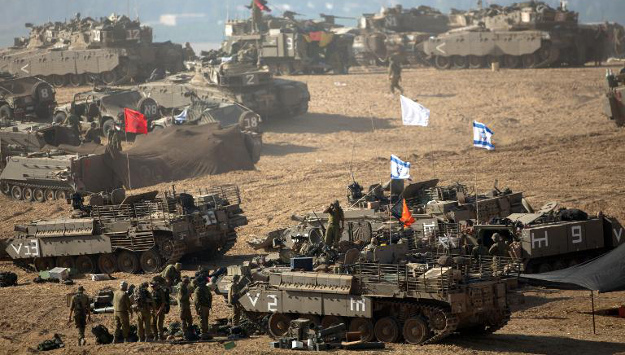
The New Wave of Violence between Israelis and Palestinians: The View from Israel
The recent wave of violence between Israel and Hamas, which to date has resulted in the death of more than 100 Palestinians and the injury of several Israelis, continues to escalate with no clear sign of when it might end.
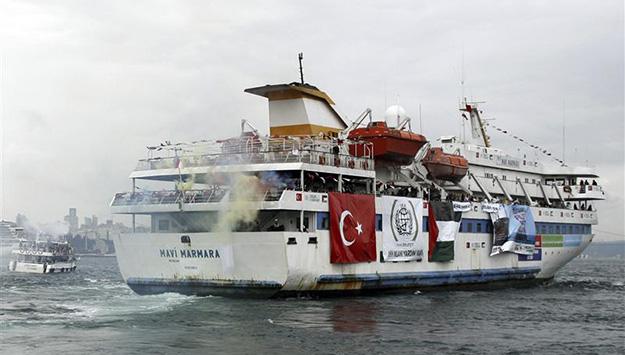
Palestine at the Center of Israel-Turkey Trade
On the north side of Istanbul’s Golden Horn, the Mavi Marmara sits in quiet isolation. In May 2010, the Turkish vessel was carrying aid for the besieged Gaza Strip when Israel forcibly intercepted it in international waters. Nine activists were killed in the raid, and a tenth succumbed to his injuries last month.
The maritime crisis set off several years of polarized relations between Israel and Turkey that both countries believe are now on the mend. These improving ties may produce humanitarian and economic benefits for the West Bank and Gaza Strip.
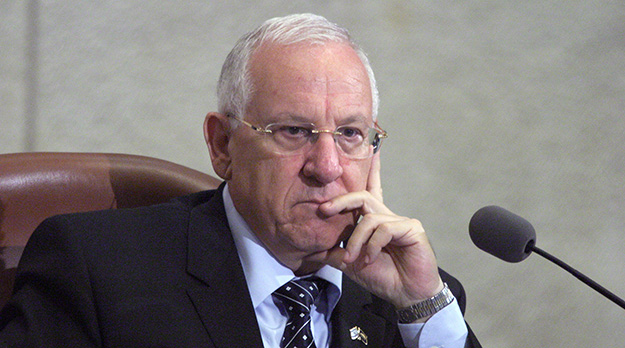
The New President of Israel: Not Easily Categorized
Understanding the new president of Israel, Reuven (“Ruby”) Rivlin—his motives and beliefs, how he contrasts with outgoing President Shimon Peres, and what role he is likely to play during his seven-year term—requires some knowledge of history and Zionist ideology.