“Gwadar is the future”: China and Pakistan’s troubled strategic port on the Arabian Sea
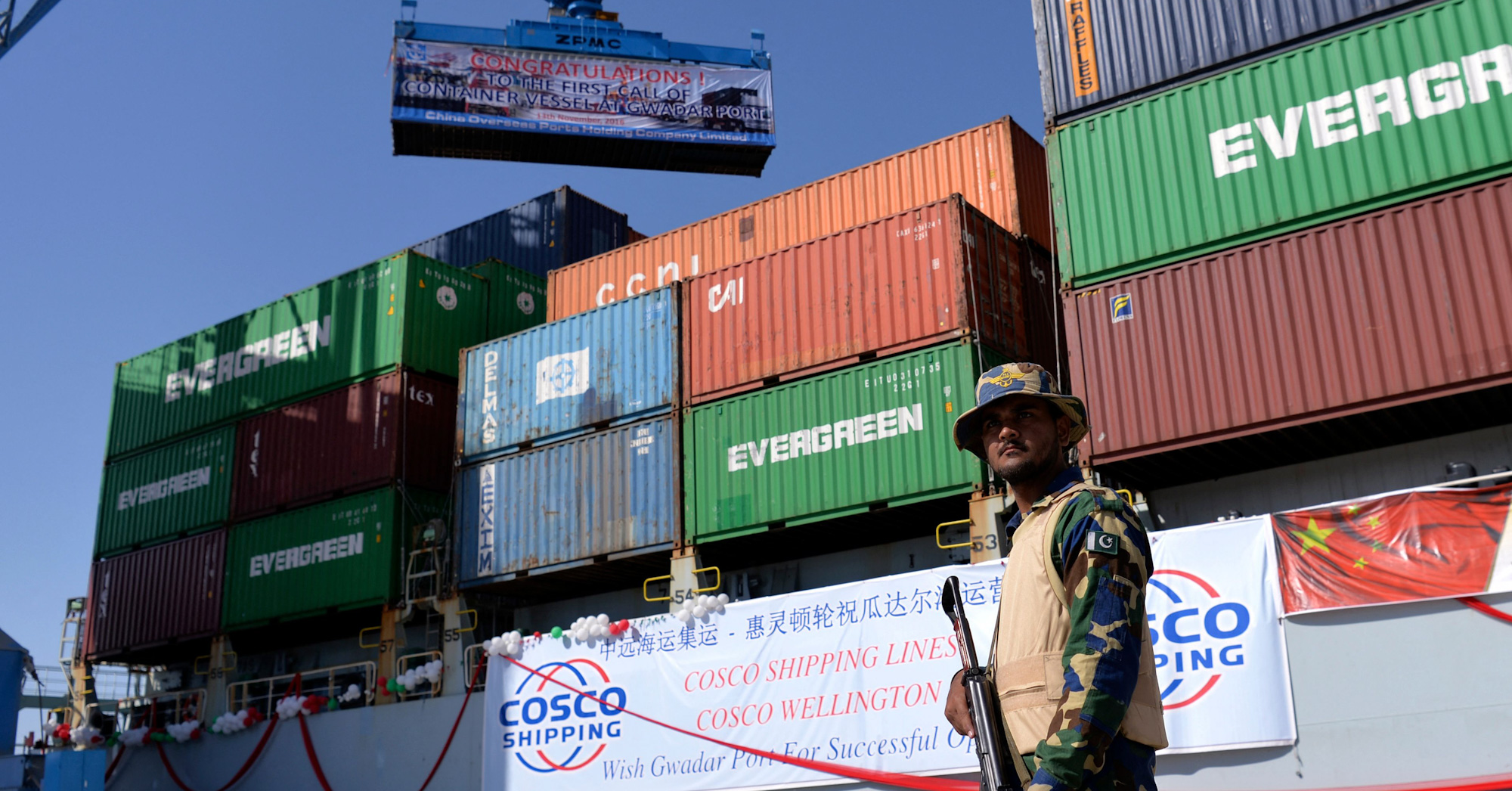
Strategically located at the mouth of the Strait of Hormuz on the Arabian Sea, Gwadar, once a derelict port, was revitalized as part of the broader development of China-Pakistan Economic Corridor (CPEC) and declared fully operational in 2021. Can a renewed focus on the Gwadar port and the socio-economic and security situation of the surrounding region help Islamabad and Beijing rescue CPEC from failure?
Evolving Middle Eastern imperatives on the Indo-Pakistan rivalry
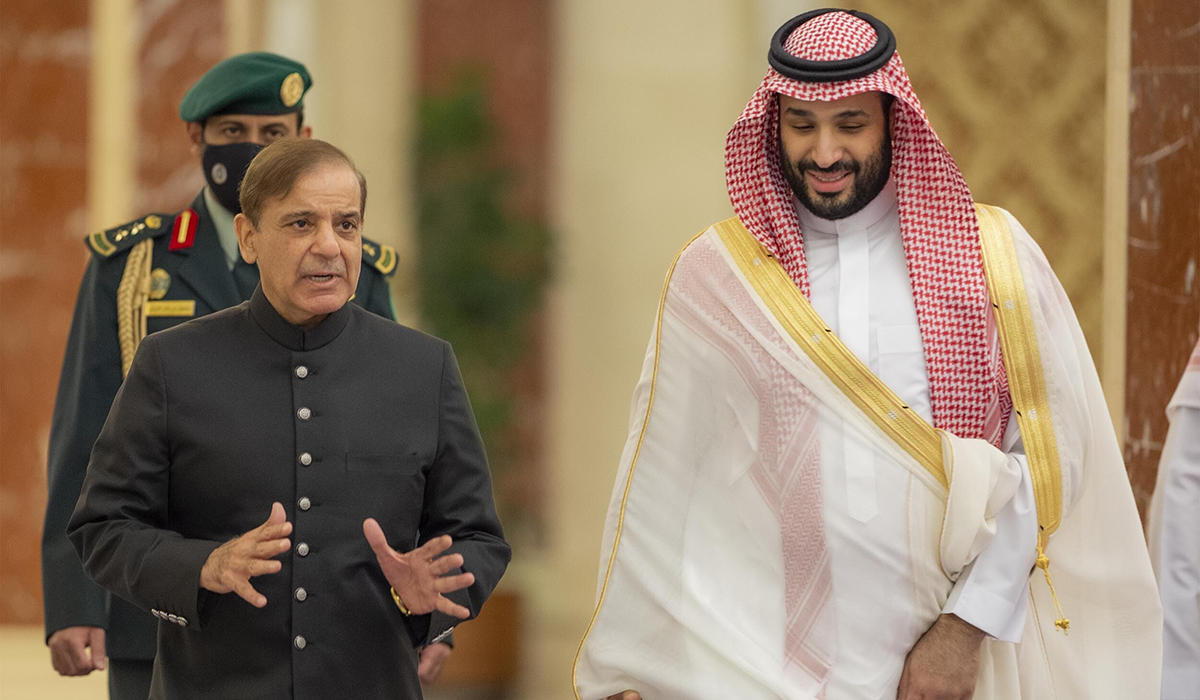
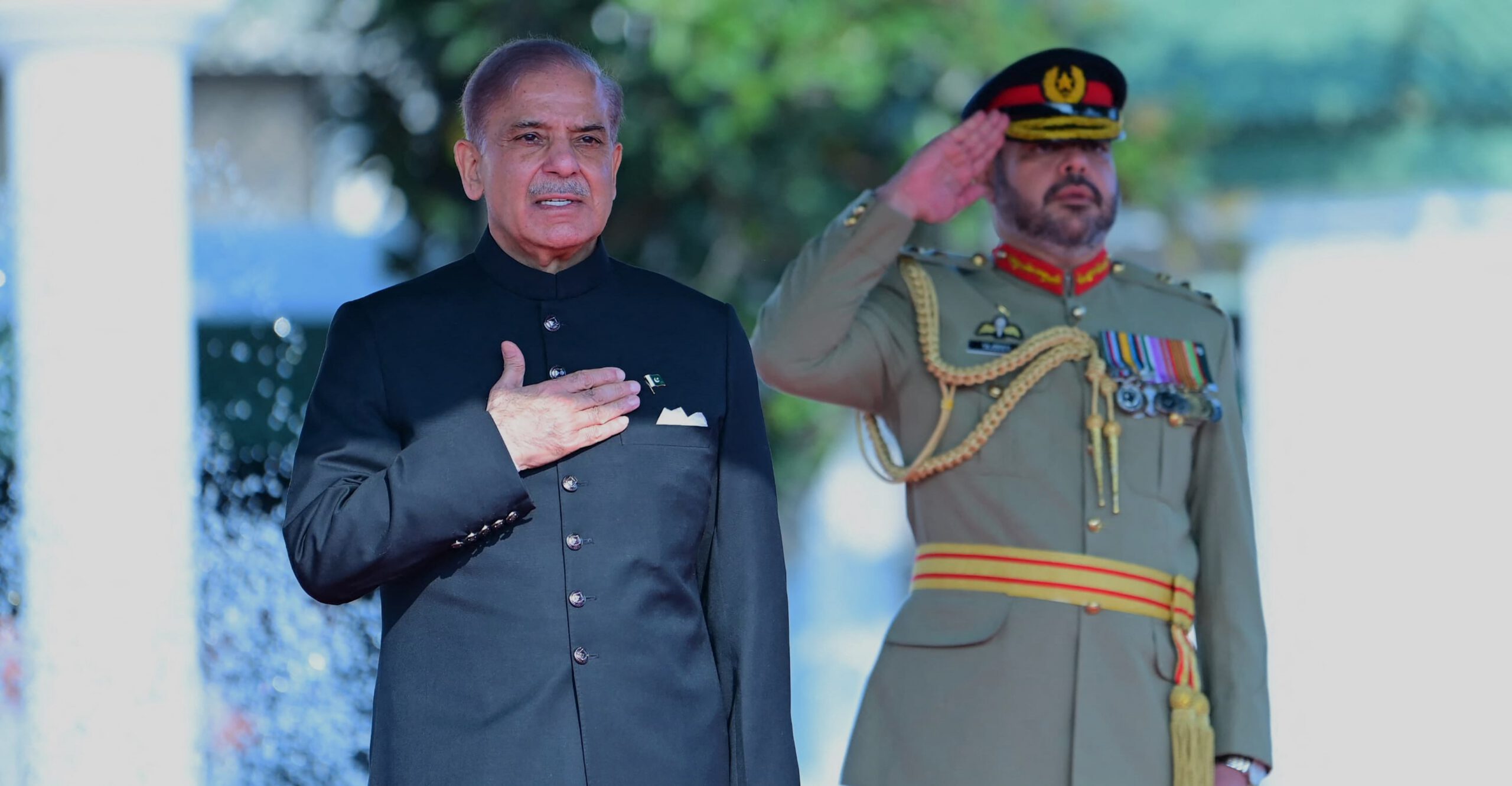
It was no surprise to see Pakistan’s new prime minister, Shehbaz Sharif, choose Saudi Arabia as the destination of his first official visit. What was more surprising, however, was the joint announcement that emerged from the trip, which called on Pakistan and India to resolve their outstanding disputes, especially the Jammu and Kashmir problem. There are several factors that have impelled Saudi Arabia and the United Arab Emirates to take on the tricky task of mediating the protracted rivalry between the two key South Asian states.
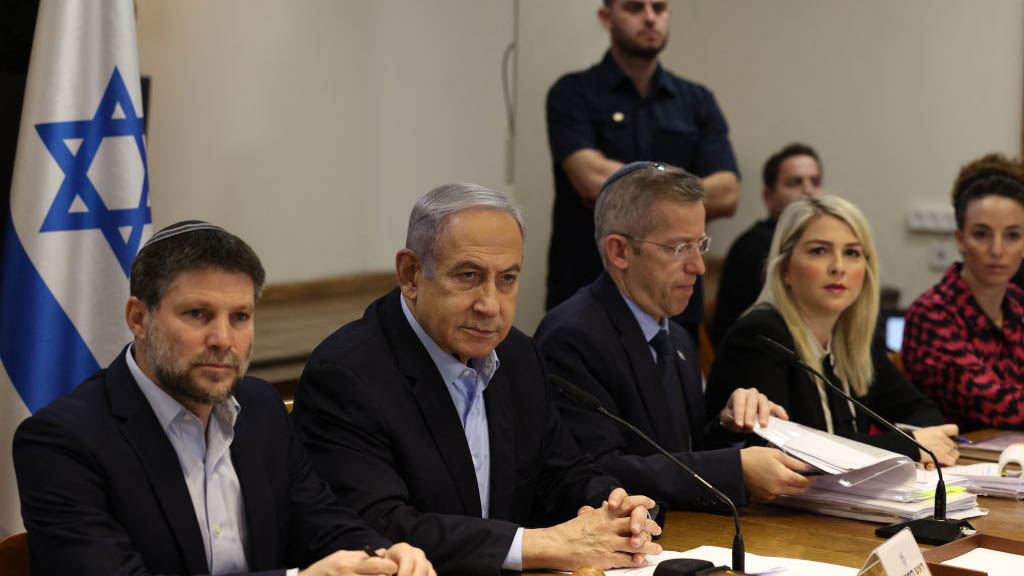
Even as more and more countries move toward authoritarianism, big cities across the world are becoming strongholds for pro-democracy forces, a fact underlined by the recent local elections in Israel and Turkey. So the question is, can cities lead a democratic revival in countries that have experienced a democratic recession?
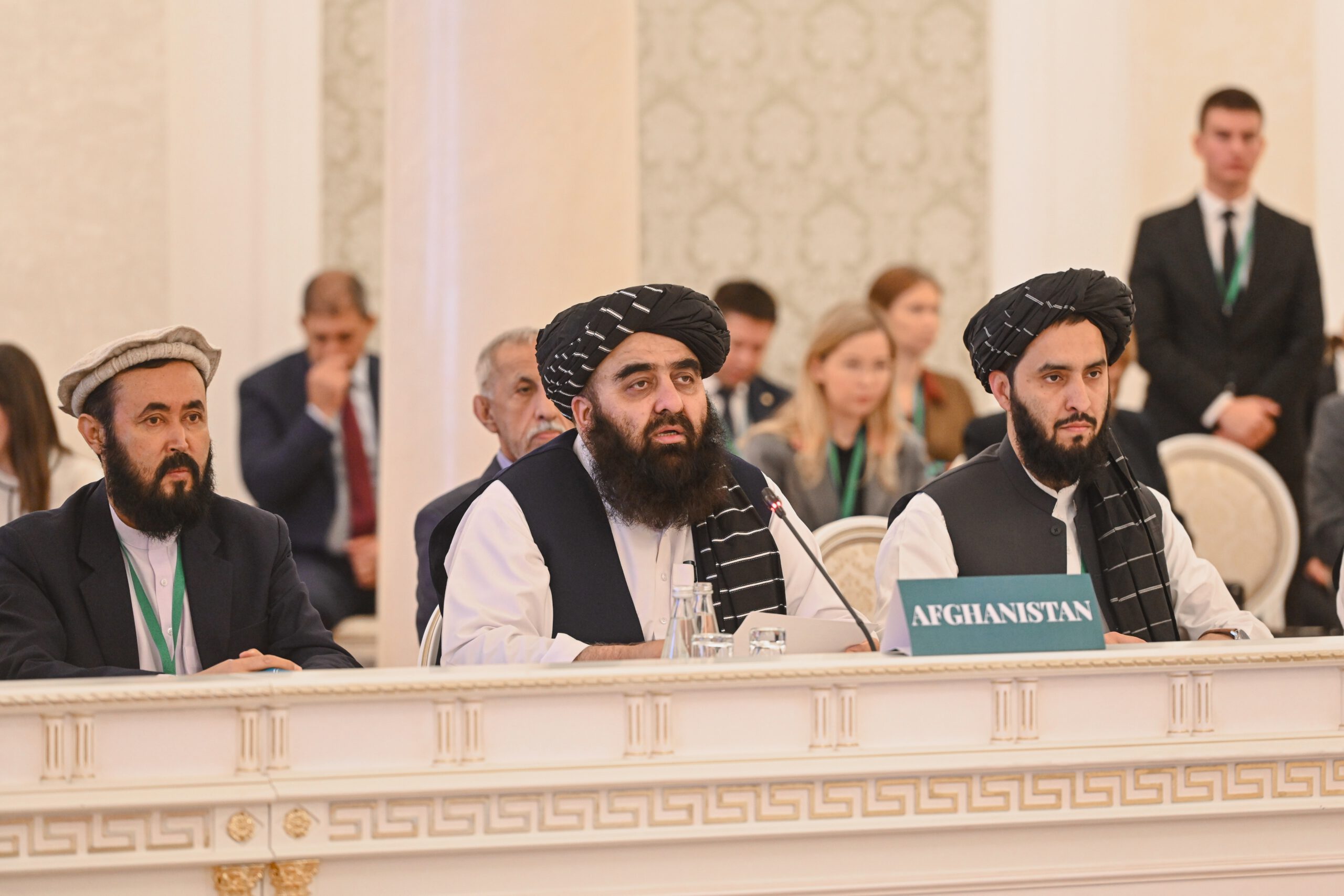
Though Tehran continues to engage the government in Kabul in a pragmatic fashion, Iran and the Taliban are not traditional friends or allies; they share an uneasy relationship. There is a sectarian angle to their differences and a long-standing dispute over water resources. Yet Iran has sought to normalize relations due to broader geopolitical considerations, security concerns, and perceived economic opportunities.
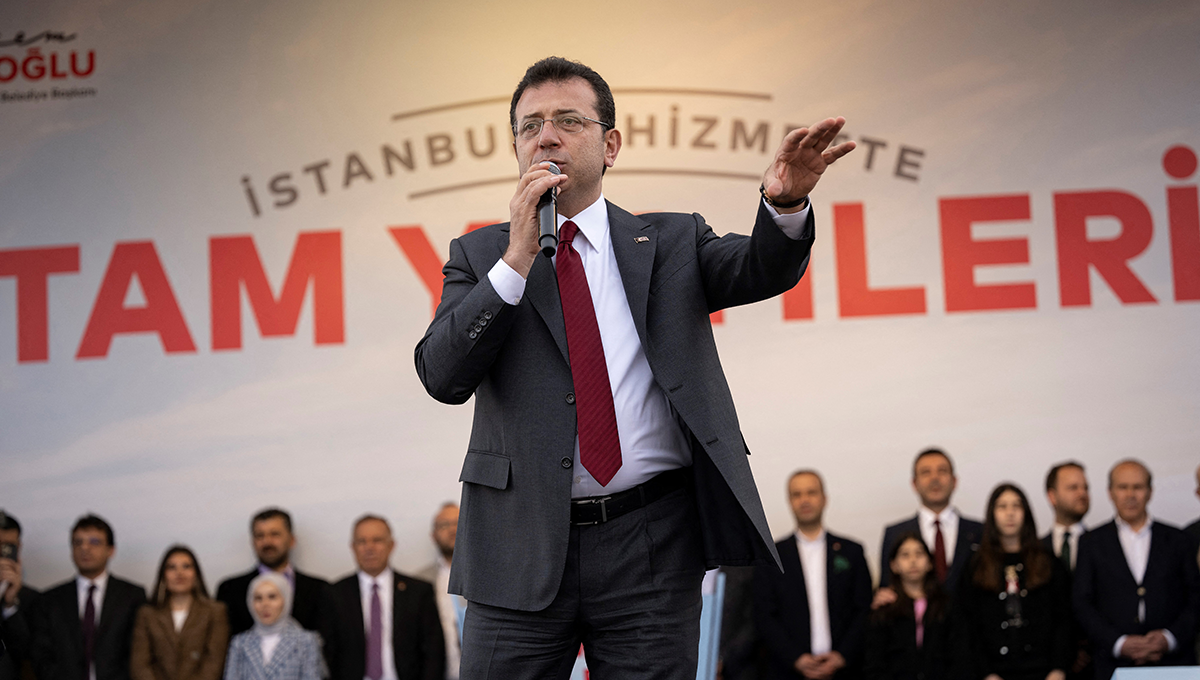
Opposition Upset Victory in Turkey's Local Elections
On this week’s episode, Murat Somer – Professor of Political Science and International Relations at Istanbul’s Ozyegin University – and MEI Turkey Program Director Gonul Tol join MEI Editor-in-Chief Alistair Taylor to discuss the main opposition party’s surprising victory in Turkey’s March 31 local elections. In what some are calling a “red wave,” the Republican People’s Party (or CHP) notched up victories in both major cities and smaller towns and villages, winning control of Turkey’s 5 largest metropolitan areas and 35 of its 81 provincial municipalities.
The newly formed government coalition in Islamabad initially looked weak, unstable, and probably short lived. But in the weeks since the outcome of the vote was announced, the political landscape has rapidly changed. Nevertheless, there are portents of trouble ahead that could send Pakistan back into the political tangle from which it has so recently emerged.
Sweeping the minefield: The case for a NATO Black Sea Fleet
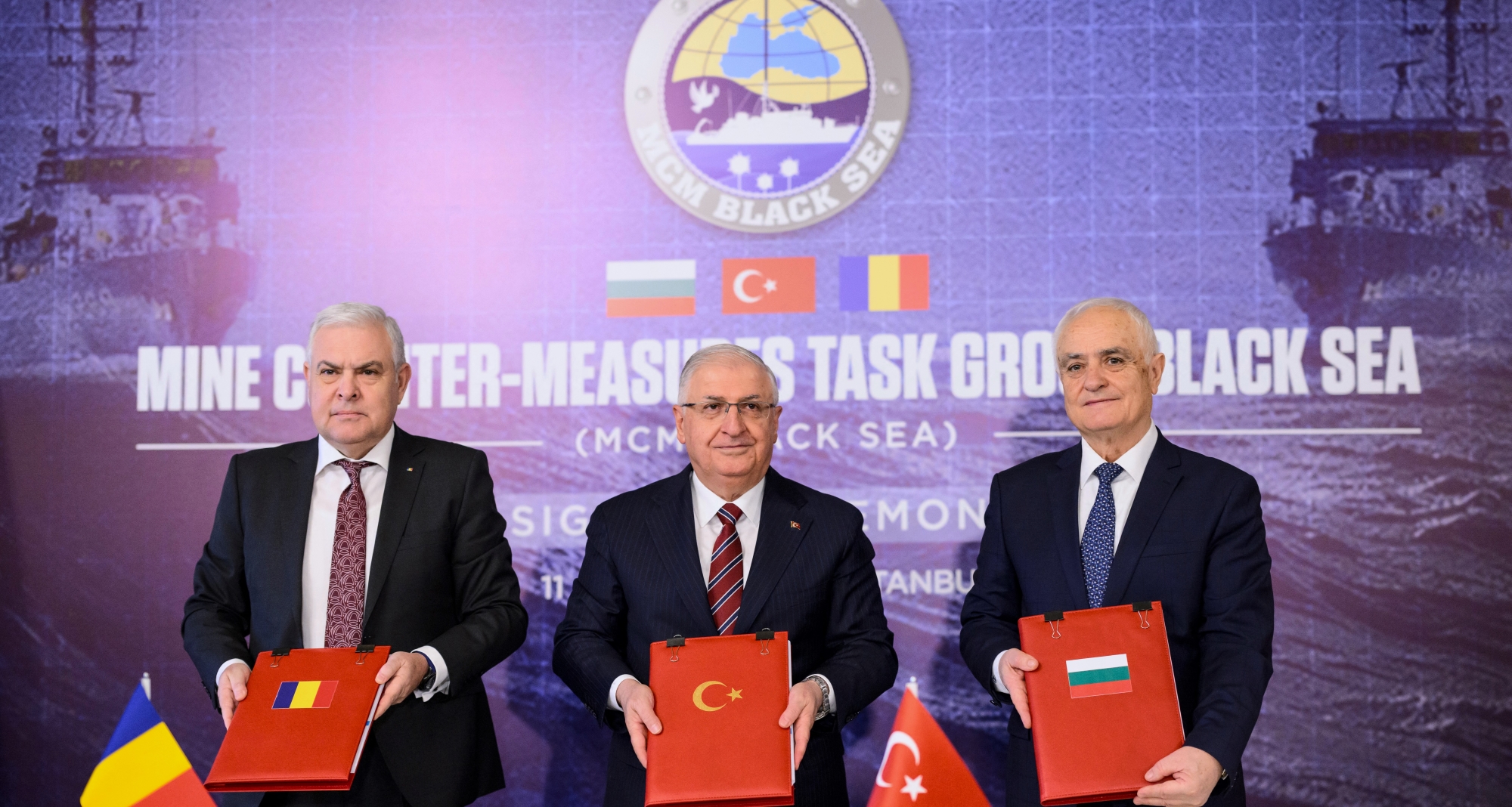
Since the start of Russia’s full-scale invasion of Ukraine, the threat of sea mines to maritime traffic in the region has become exponentially more acute. The Turkish-Romanian-Bulgarian trilateral minesweeping mission is a welcome sign of regional willingness to cooperate in this space and could, with the right incentives and sufficient political will, open the door to the establishment of a NATO Black Sea Fleet.
Women’s rights under the Taliban: The socio-economic consequences of political exclusion
One of the first things the Taliban did after capturing power in August 2021 was to abolish the Afghan Ministry of Women’s Affairs and re-establish the Ministry for the Propagation of Virtue and the Prevention of Vice. The environment within which Afghan girls and women had found avenues of employment, education, and empowerment over the previous two decades had been lost. Many families now had to deal with acute poverty, mental health issues, and even suicides.