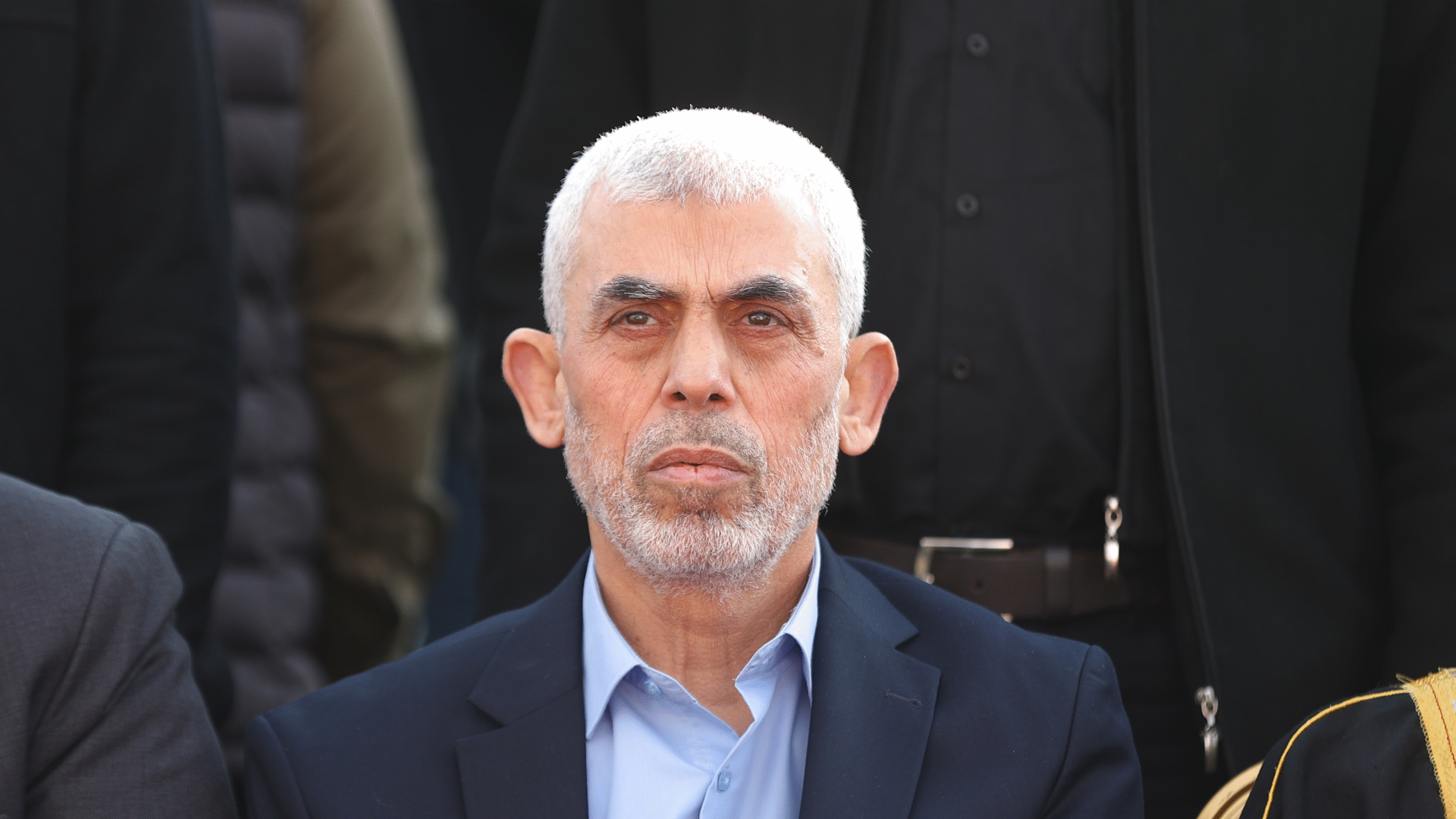
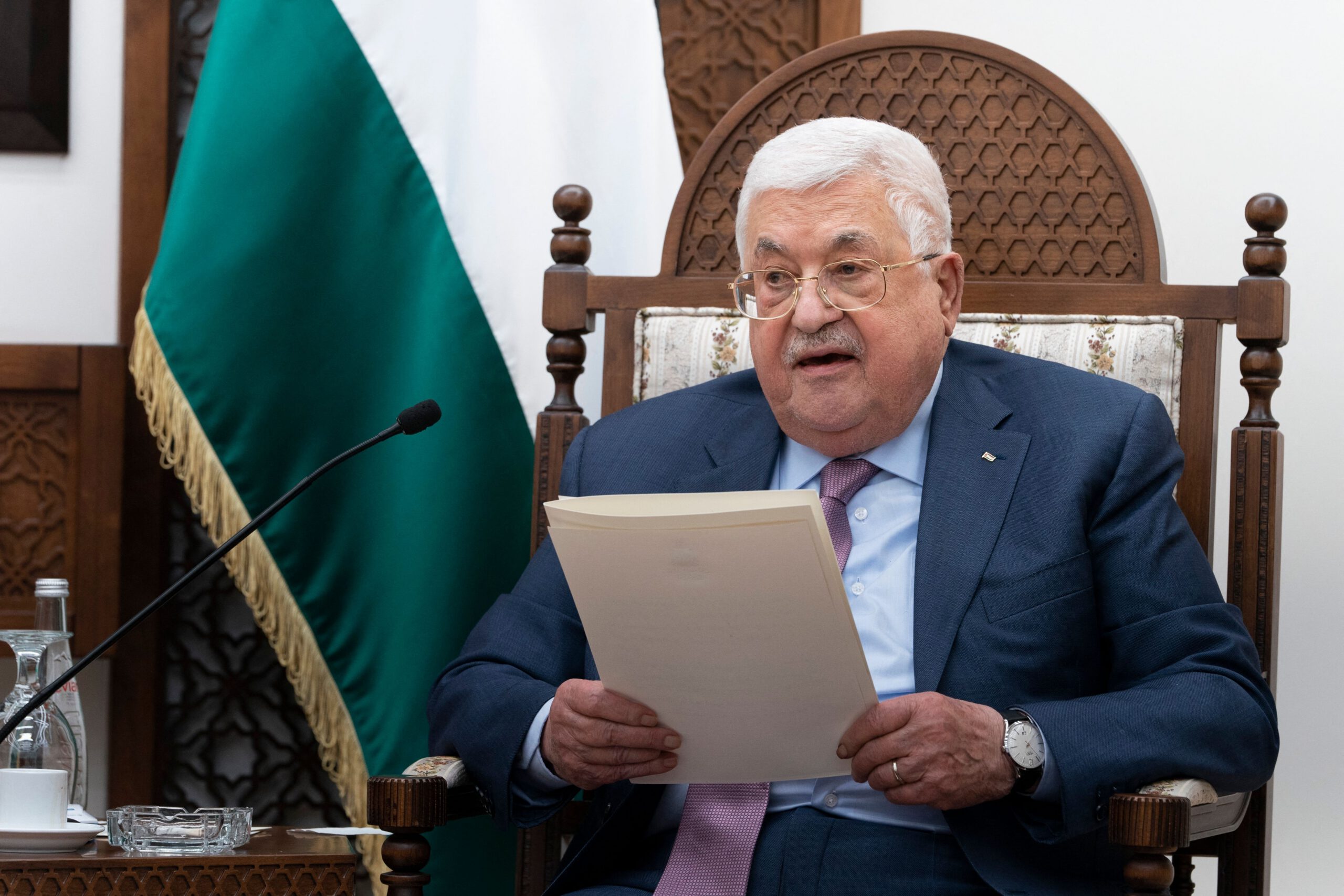
For nearly two decades, Palestinian leadership has been fractured. Along with a basic division between Hamas in Gaza and the Palestinian Authority in the West Bank, numerous other groups have competed for influence. In late July, leaders of all 14 Palestinian political factions, including Fatah and Hamas, met in Beijing to issue a call for national unity.
Israel and the Axis of Resistance in the wake of the Gaza war
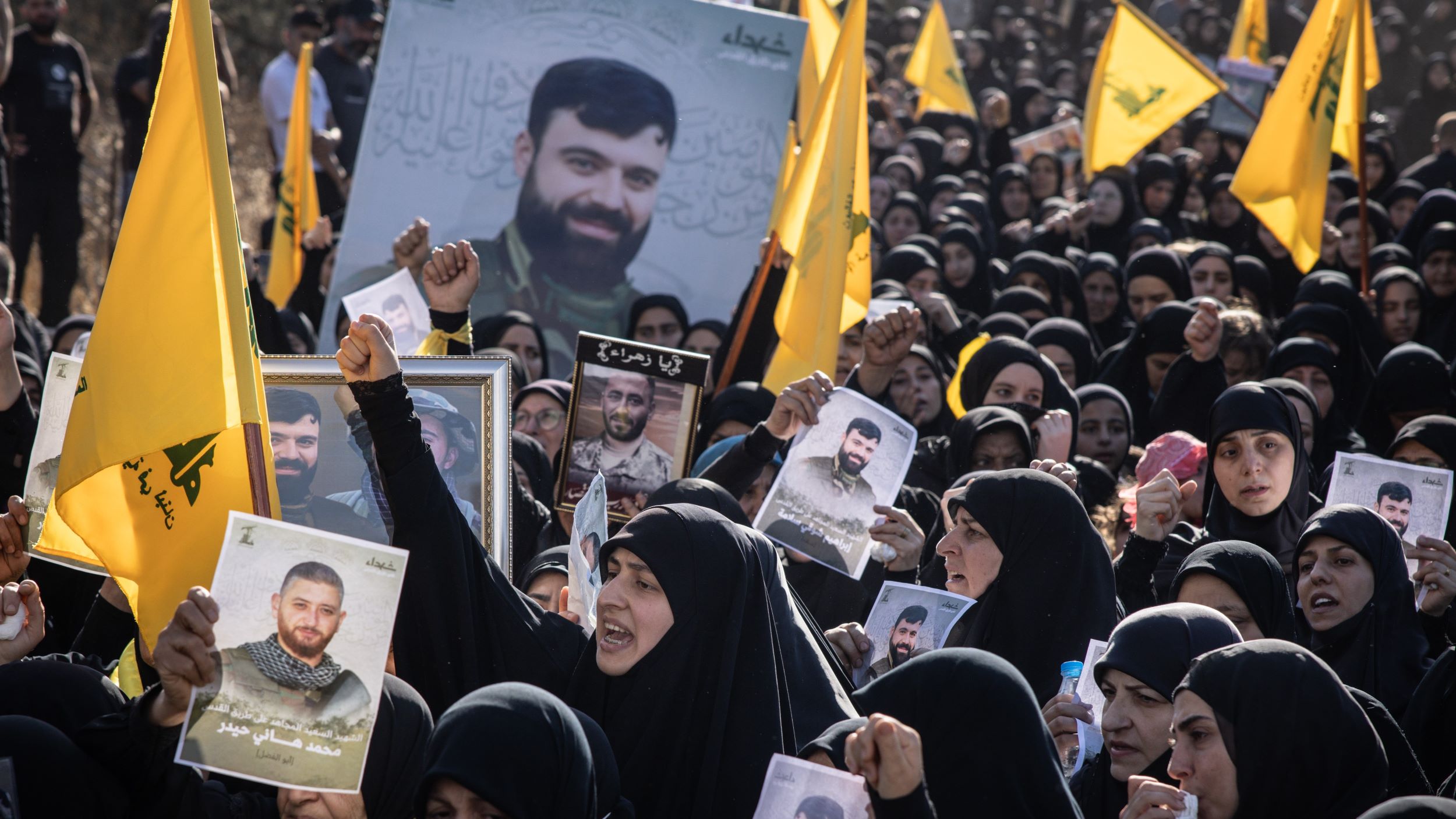
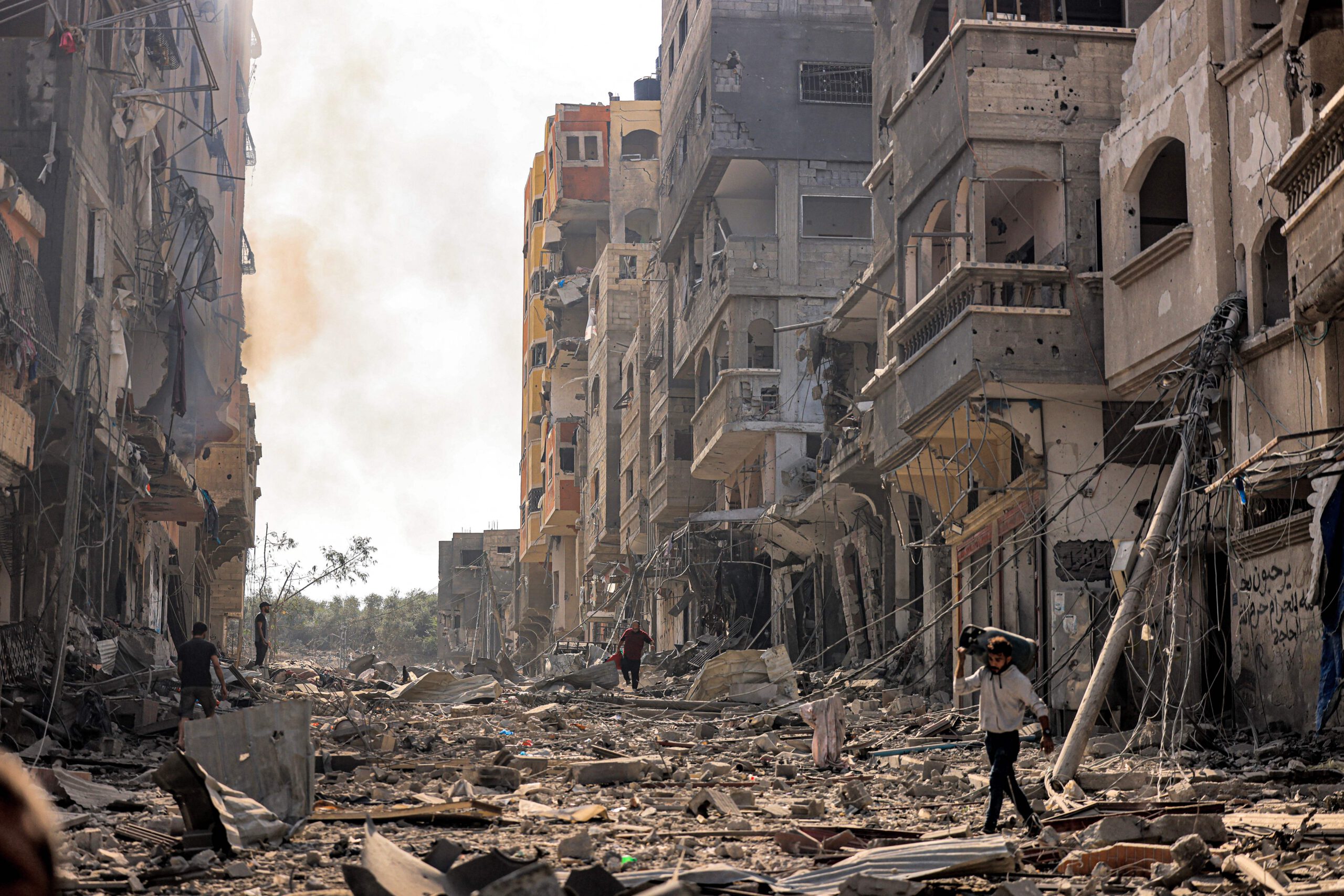
Hamas’ Oct. 7 attack touched off a destructive war with Israel and a limited but fierce regional conflagration between Israel and the Iran-led “Axis of Resistance,” with Lebanese Hezbollah at the forefront. The ongoing conflict has been multi-fronted, multi-faceted, dynamic, and already highly consequential. While a clear bottom line remains elusive, exploring the war’s primary origins and evolution offers useful indicators.
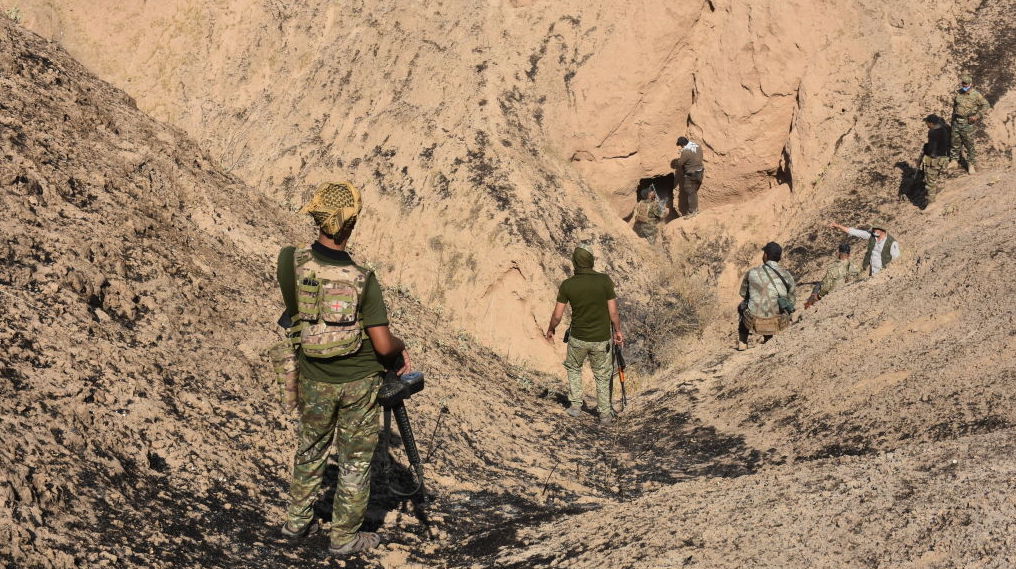
On this week’s episode, Director of MEI’s Syria and Countering Terrorism and Extremism Programs Charles Lister speaks with MEI Editor-in-Chief Alistair Taylor on the resurgence of the Islamic State, or ISIS, in Syria and Iraq. This episode is the first in a several-part series looking at where the terrorist group stands today and its international footprint 10 years on from the founding of the 87-country Global Coalition to Defeat ISIS.
A waiting game as the region teeters on the brink of full-blown war
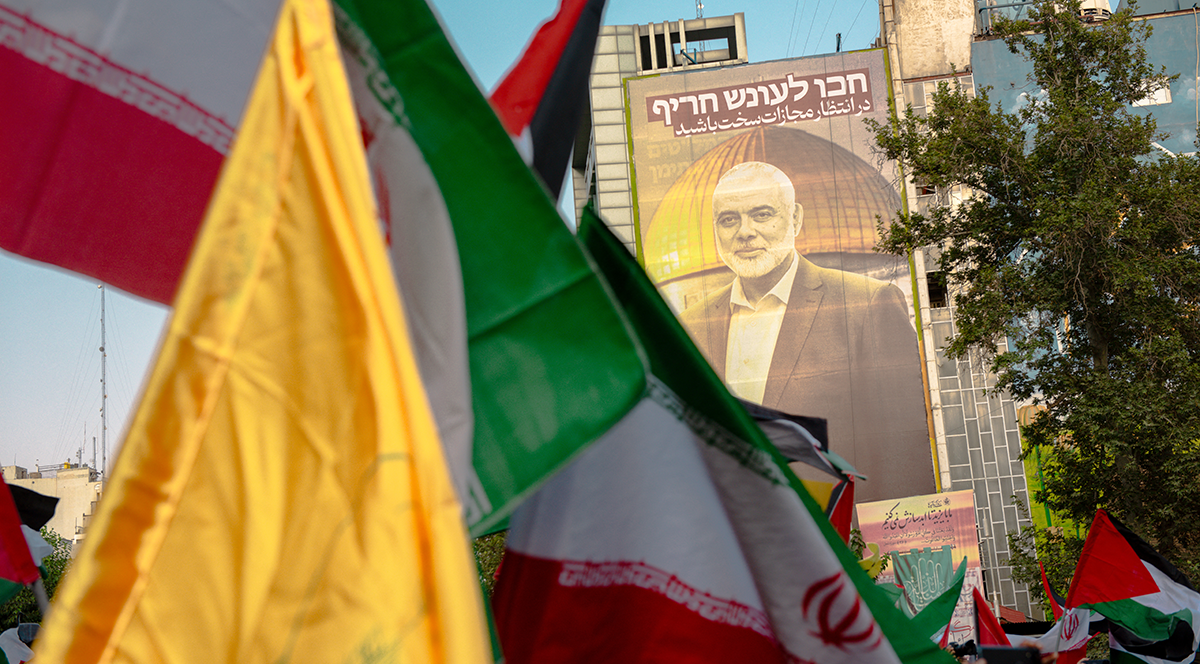
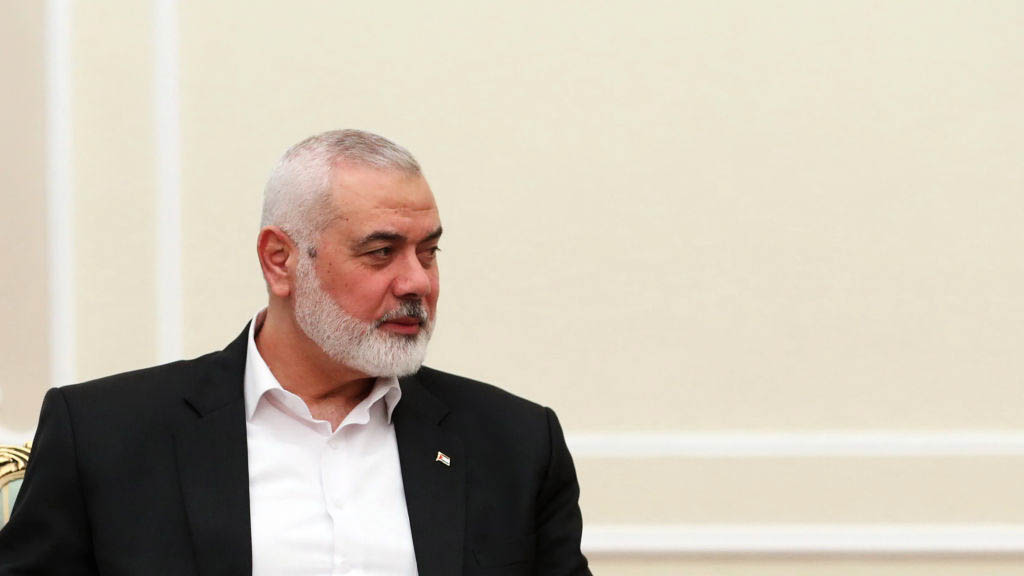
Israel’s targeted killing of Hezbollah military leader Fuad Shukr in Beirut and Hamas political chief Ismail Haniyeh in Tehran are explosive events for the region. Coming within 12 hours of each other, they were also an earthquake within the “Axis of Resistance” — but not one likely to encourage de-escalation. Far from it.
Special Briefing: The regional impact of Ismail Haniyeh’s assassination
In a new special briefing, scholars from across MEI weigh in with their thoughts on the assassination of Hamas political leader Ismail Haniyeh and the potential regional impact.
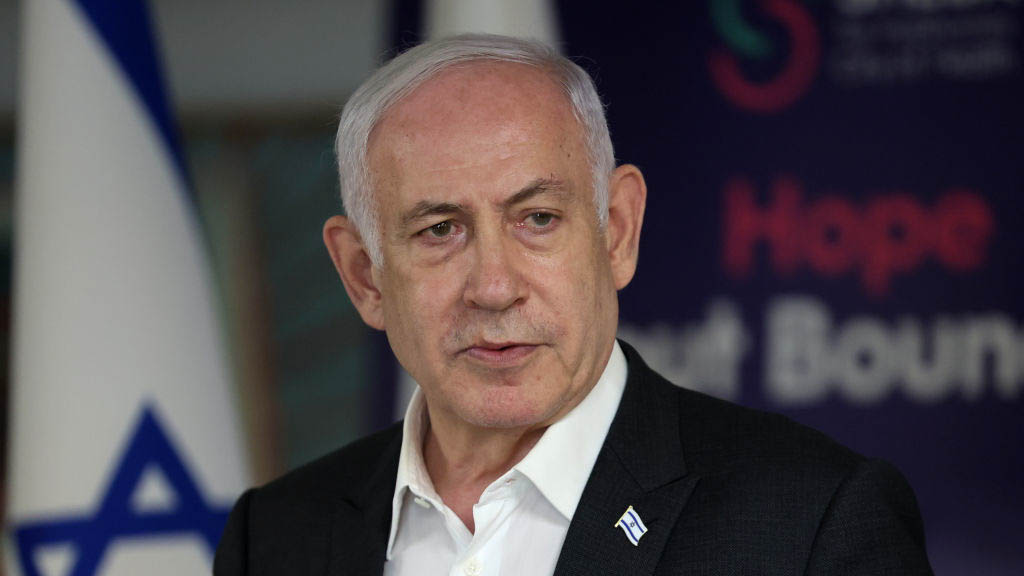
Netanyahu’s US visit highlights strains over Gaza war and an opportunity for a new approach
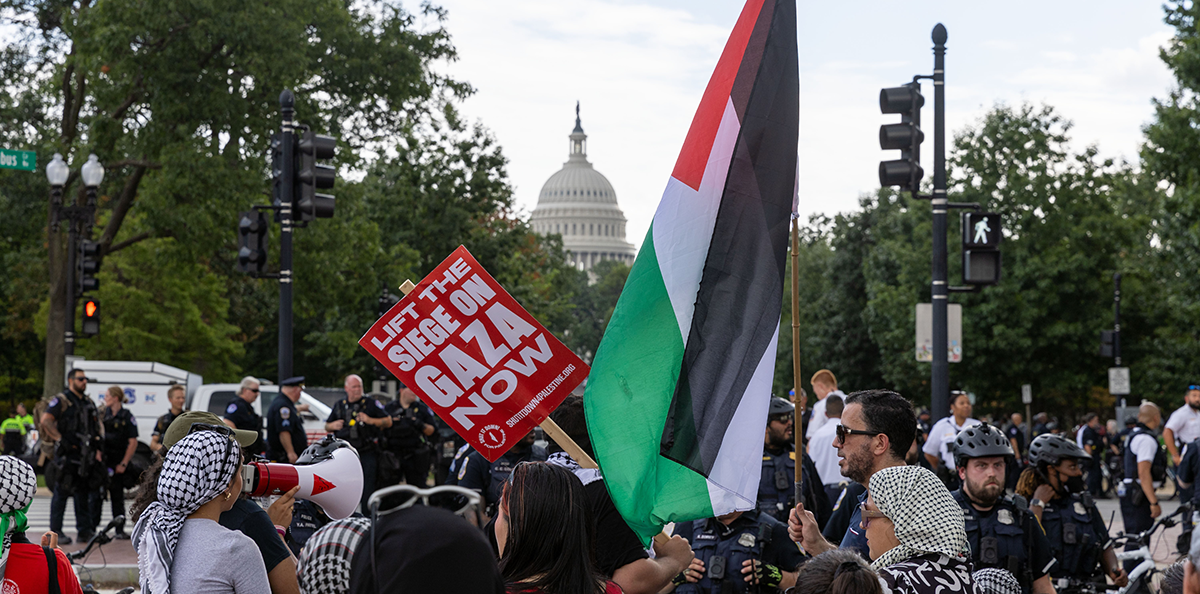
Prime Minister Benjamin Netanyahu’s recent visit to Washington highlighted the growing rift between Israel and the United States, particularly within the Democratic Party. This alliance, once solid, now faces significant discord over three critical issues: ending the war in Gaza, addressing the humanitarian crisis, and recognizing Palestinian self-determination.
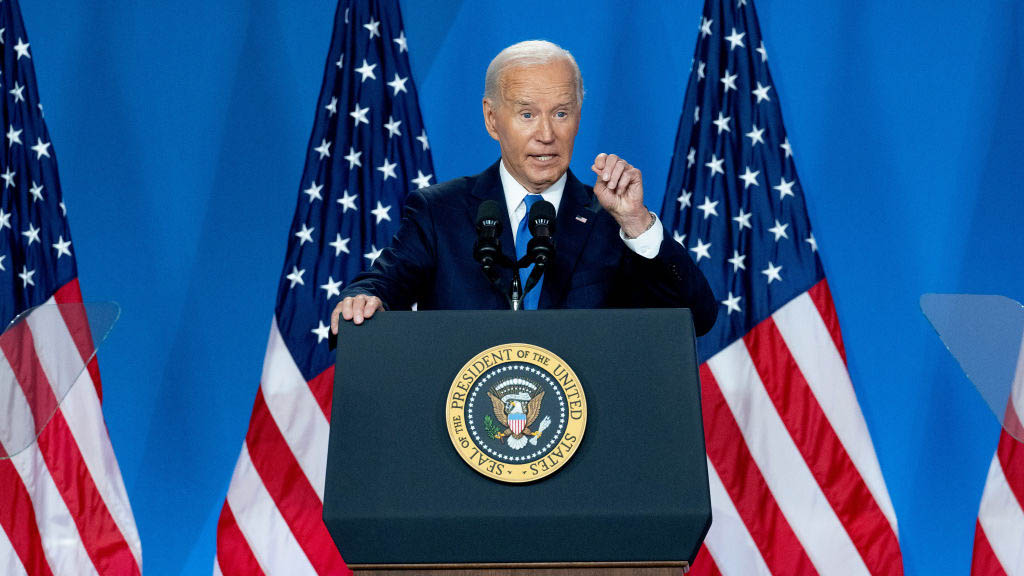
US President Joe Biden will meet with Israeli Prime Minister Benjamin Netanyahu during his visit to Washington this week. The meeting provides an opportunity to double down on considerations of what a “day after” might look like and how best to promote moderate Palestinian voices in the effort to rebuild Gaza.
CENTCOM says ISIS is reconstituting in Syria and Iraq, but the reality is even worse
On July 16, CENTCOM announced that after six months of 2024, “ISIS is on pace to more than double” the number of attacks in Syria and Iraq it claimed in 2023. But the reality is far worse than this statement suggested because the data represents only a fraction of ISIS’s actual attacks in Syria and Iraq.