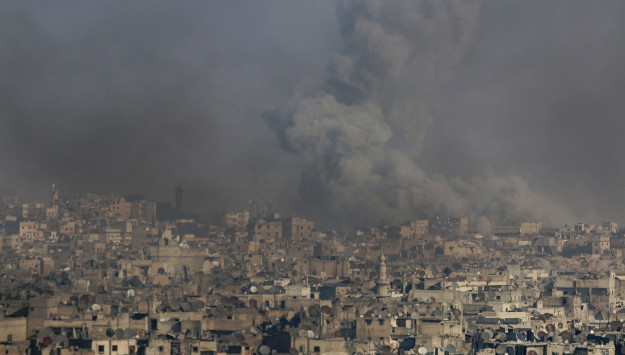
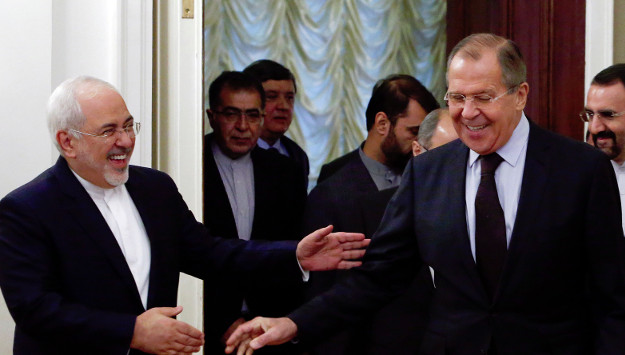
Russia, Iran and Turkey Agree on Syria “De-Escalation Zones” amid Opposition Anger
Iran, Turkey and Russia have reached an agreement to create “de-escalation zones” in Syria, Iranian and Russian media reported.

I.R.G.C. Says Will Continue Deploying Its Officers to Syria to Support Assad and anti-Israel “Resistance Front”
The chief commander of the Islamic Revolution Guards Corps (I.R.G.C.) Ground Force has said that he will continue to deploy “military advisers” to defend the government of Bashar al-Assad and the “resistance front” against Israel. “A war has multiple dimensions. The most important one is the ground part.
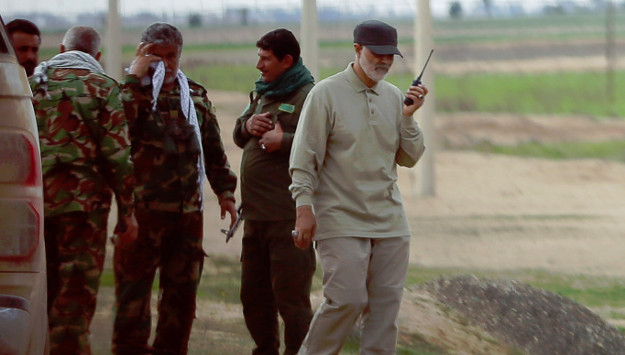
Authorities in Iran Threaten Afghan Migrants to Fight in Syria or Face Deportation
Iran’s security forces threaten Afghans living in Iran to go to Syria to “fight for Syrian President Bashar al Assad or be deported to Afghanistan,” according to a report the Pakistani Dawn newspaper.
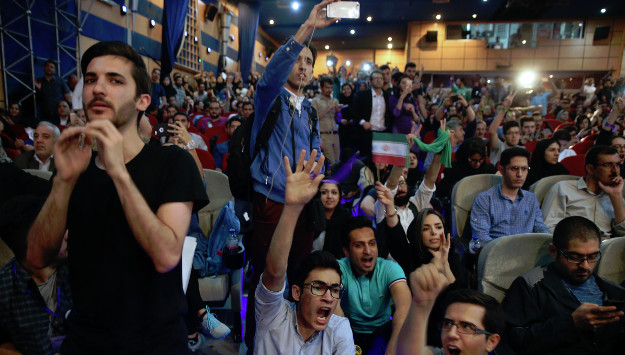
Senior Reformist Politician Faces Prosecution after Criticizing Iran’s Role in Regional Wars
A court in Iran’s Isfahan Province announced today that Gholam Hossein Karbaschi, a senior reformist politician, will be prosecuted for questioning the Islamic Republic’s policies and actions in the Syrian conflict.
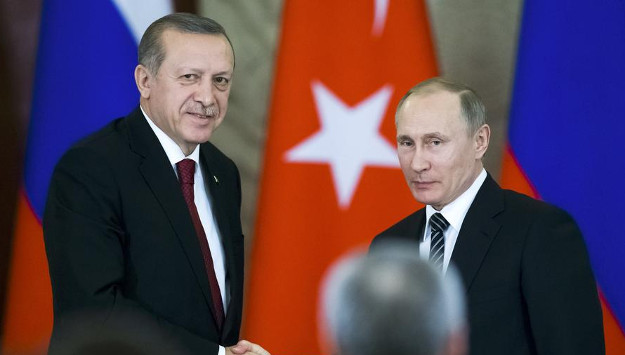
Erdogan-Putin to meet in Sochi | Monday Briefing
In this week’s Monday Briefing, MEI experts Gonul Tol, Randa Slim, Alex Vatanka, Marvin G. Weinbaum, and Mabrouka M’Barek provide analysis on recent and upcoming events including Turkish President Erdogan’s upcoming meeting with Russian President Putin, the upcoming speech by Hezbollah Secretary General Nasrallah, the suprising popularity of Rouhani’s VP in the Iranian Presidential Race, the Taliban’s new Spring offensive, and protests in Tunisia over a government proposal to give amnesty to the country’s corrupt financial elite.
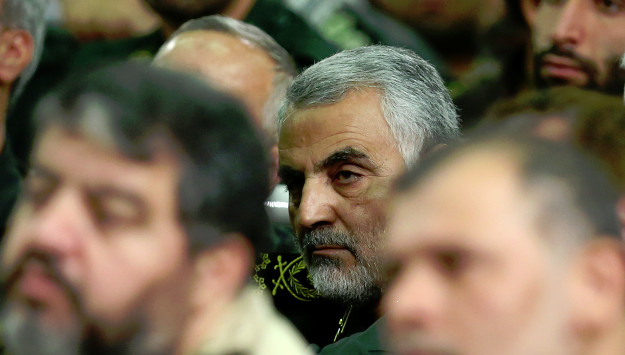
Soleimani Hails Iranian Health Ministry’s Aid to Wounded Combatants in Syria
Iran’s Quds Force Commander Major General Qassem Soleimani has thanked the country’s Ministry of Health for providing assistance to his forces and Iranian-controlled militiamen fighting in Syria under his command.
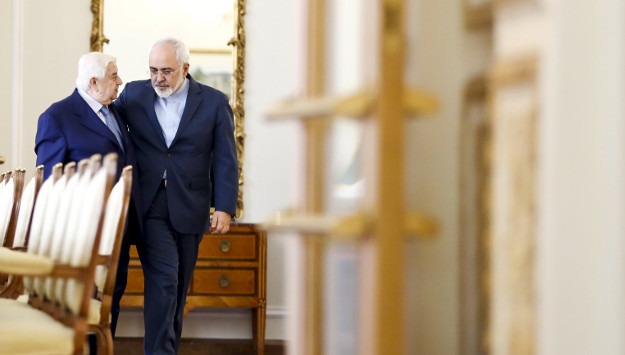
New Iranian Ambassador Arrives in Damascus after Six-Month Hiatus
Iran’s new ambassador to Syria, Javad Torkabadi, presented his credentials to Syrian Foreign Minister Walid Muallem on Wednesday, the Iranian media reports. He arrived in Damascus on Tuesday and was welcomed by Iranian and Syrian officials, including Syrian Social Affairs Minister Rima al-Qadiri.
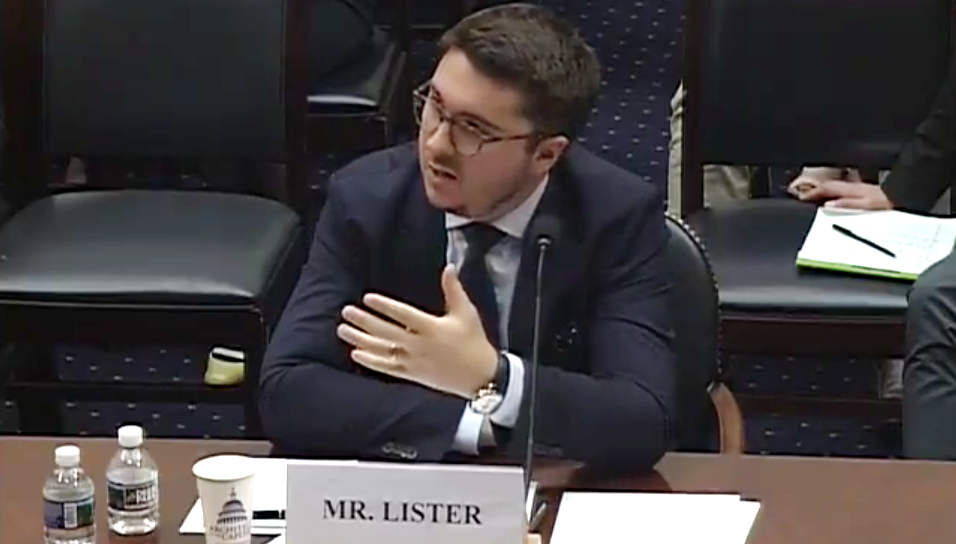
Testimony: Syria After the Missile Strikes: Policy Options
The following testimony was presented to the United States House Committee on Foreign Affairs on April 27, 2017.
Mr. Chairman, Mr. Ranking Member, Members of the Committee:
First, thank you for providing me with this opportunity to speak to you today, and to address the situation in Syria and what policy options the United States might consider going forward.

Iran Reportedly Offers to Deploy Ground Forces to Syria to Counter Potential U.S.-led Intervention
The latest air strikes on an airport near Damascus purportedly by Israel and increased U.S. military activities on Jordan’s northern border have triggered a concern in Tehran about the possibility of a broader U.S.-led military campaign in Syria.
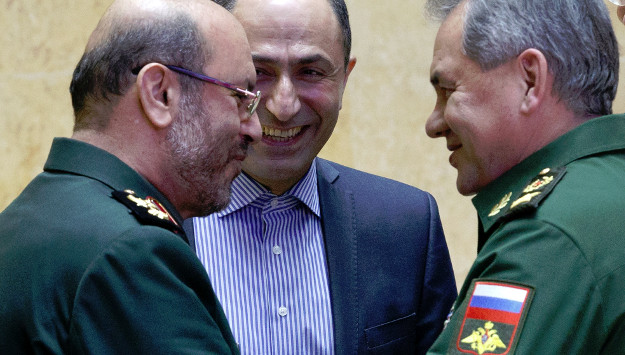
Iran, Russia and Syria Vow to Continue Joint Military Efforts
Iranian Defense Minister Brigadier General Hossein Dehqan and his Russian and Syrian counterparts, Sergey Shoygu and Fahd Jassem al-Freij, stressed that they will co

Turkey's Erdogan Gets His Presidential Wish | Monday Briefing
In this week’s Monday Briefing, MEI experts Gonul Tol, Gerald Feierstein, Alex Vatanka, and Marvin G. Weinbaum provide analysis on recent and upcoming events including the victory of Turkish President Erdogan’s “Yes” constitutional referendum campaign to increase his powers, Secretary of Defense Mattis’ trip to the Middle East, the entry of 1,600 candidates for the upcoming Iranian presidential elections, and the alarming violence in Pakistan against accused “blasphemers”.
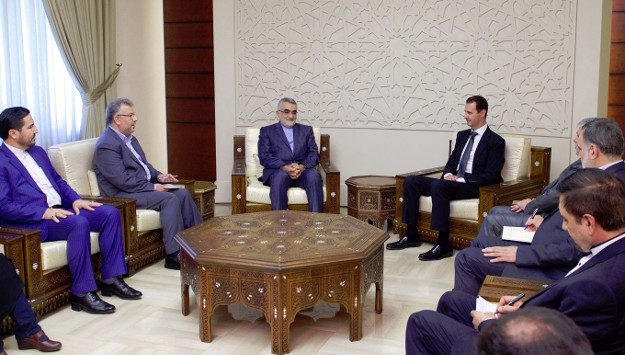
Top Iranian Lawmaker: U.S. and Saudi Arabia Defeated in Syria and Yemen
Earlier today, a senior Iranian lawmaker said the United States and its allies have failed in Syria and the broader region and credited Supreme Leader Ali Khamenei’s leadership for defeating Iran’s “enemies” in foreign lands to safeguard the country’s national security.
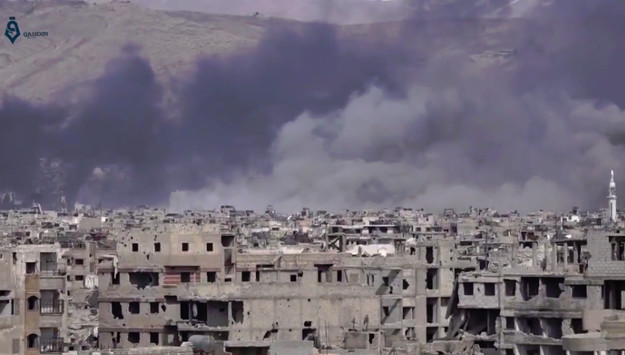
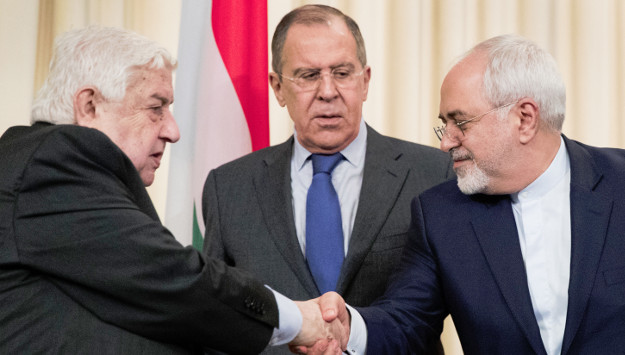
Iran and Russia Reaffirm Support for Damascus in Defiance of U.S. Warnings
Foreign ministers of Iran, Syria and Russia warned the United States against further military strikes in Syria and reiterated support for the government of Bashar al-Assad in a trilateral meeting in Moscow on Friday, the Iranian media reports.