Foreign policy and commercial interests drive closer UAE-Syria ties
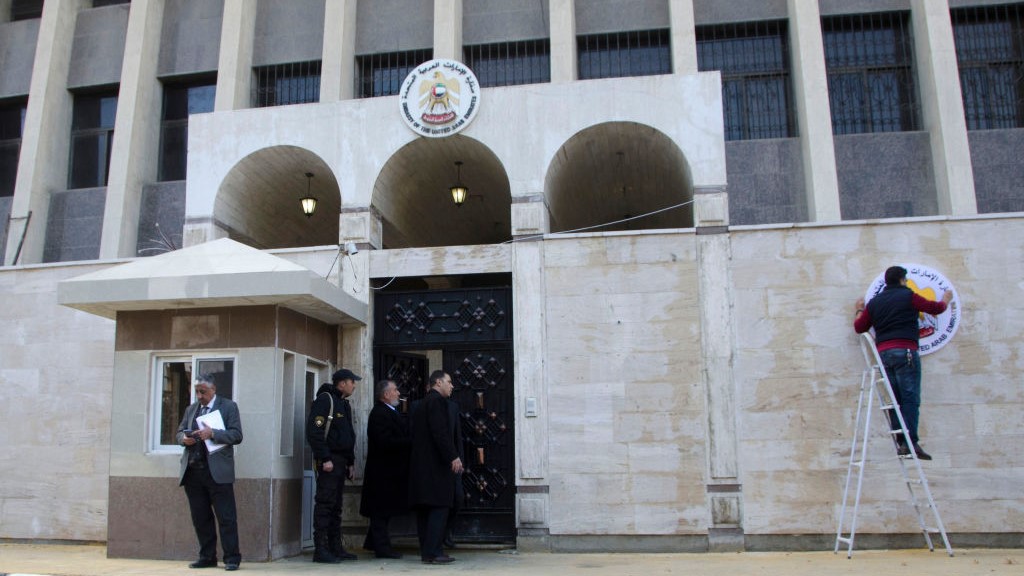
On Dec. 2, a series of public statements from Emirati and Syrian officials brought widespread attention to the UAE’s rapprochement with Syria. In a video circulated by Russian state media outlet RT, the UAE’s charge d’affaires in Syria, Abdul-Hakim Naimi, praised the “wise leadership” of Syrian President Bashar al-Assad and hailed the Syria-UAE relationship as “solid, distinct, and strong.” Syrian Deputy Foreign Minister Faisal Mekdad responded enthusiastically to Naimi’s comments by praising the UAE for standing by the Syrian government in its war against terrorism.
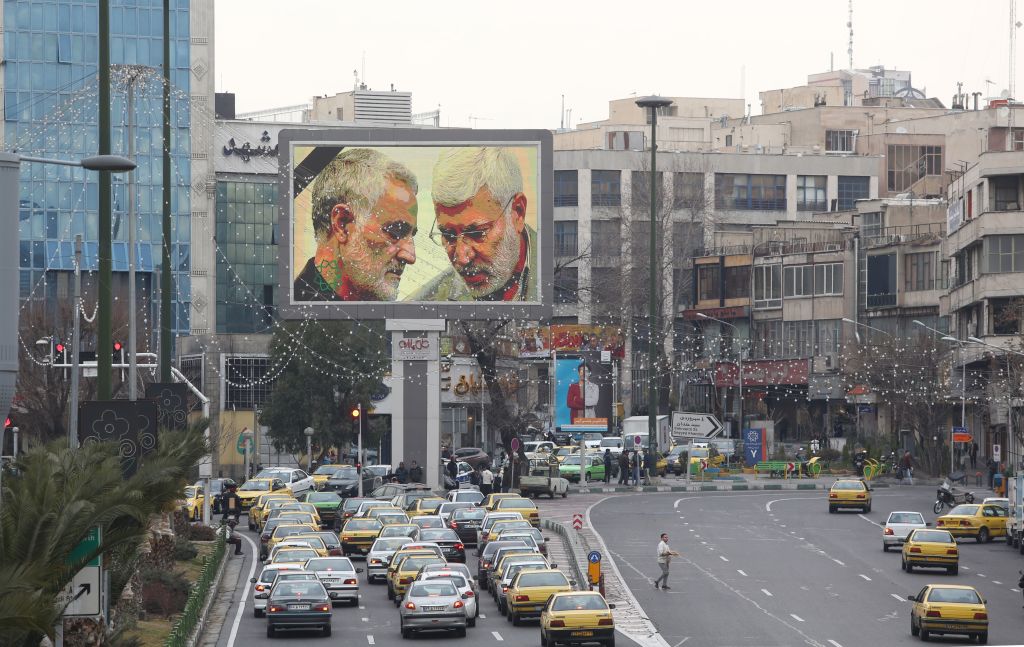
Following the recent escalation in U.S.-Iran tensions, the threat of Iranian cyberattacks is likely to intensify in the near to medium term. There are three possible fronts where Iran might look to carry out cyber operations: targeting the energy infrastructure of America’s Gulf allies; deploying malware against U.S. private sector companies; and launching disinformation campaigns that would aim to influence public opinion in both the Middle East and the U.S.
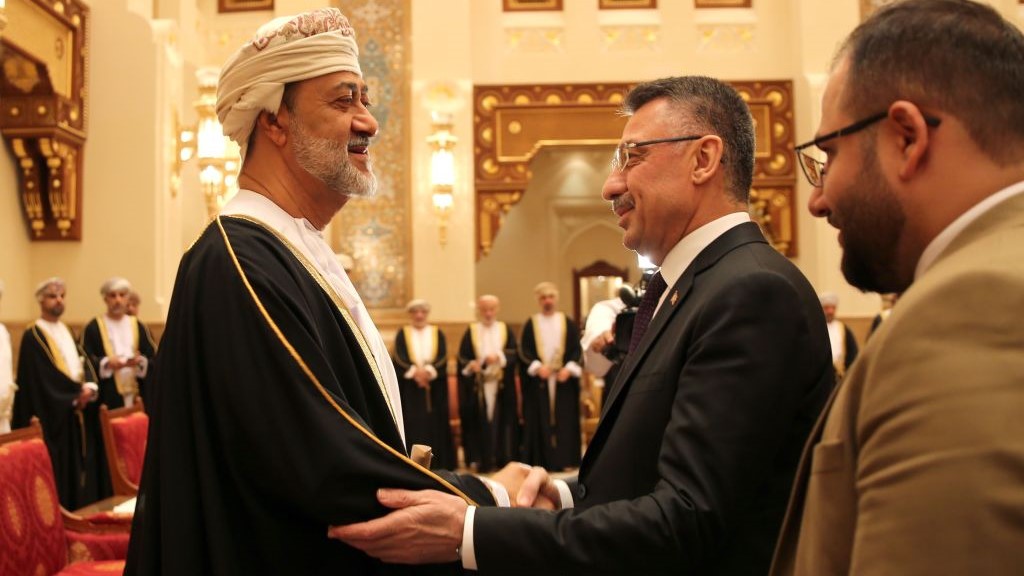
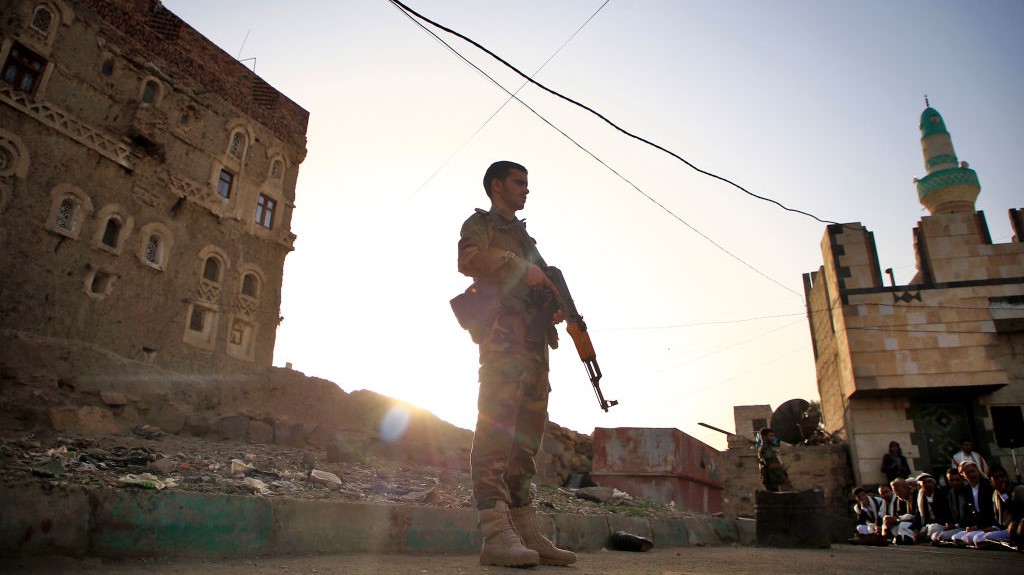
The announcement of Sultan Qaboos bin Said al-Said’s passing on Jan. 10 marked the end of an era. Now that the Arab world lost its longest-serving leader, none of the Gulf states has a ruler that was on the throne when the Gulf Cooperation Council (GCC) was established in 1981. Most Omanis have never known another leader and this transition period, marked by three days of mourning, is an emotional time for those in the sultanate.
The Military-Security Dimension of Israel-Southeast Asia Relations
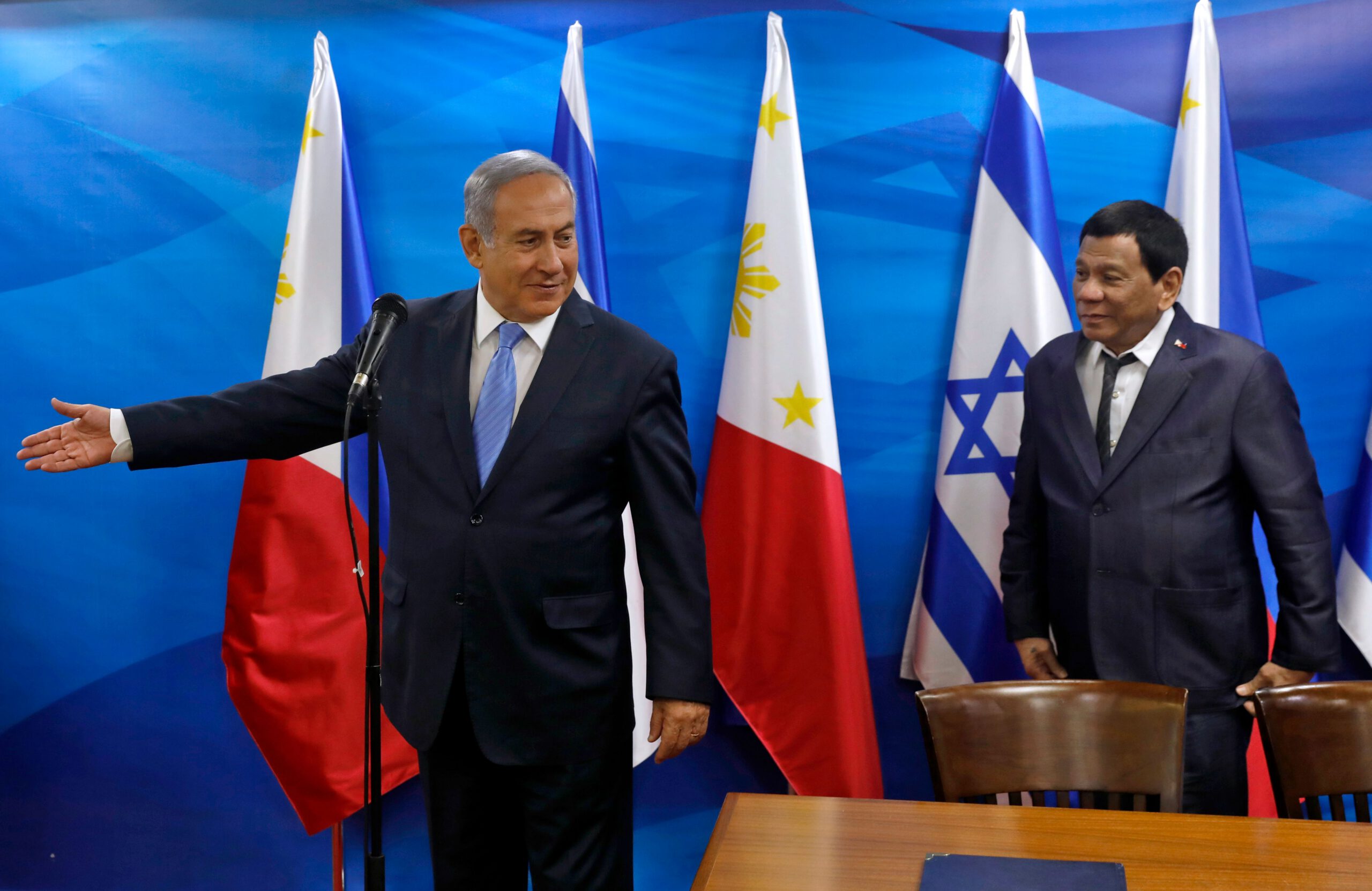
Over the past two decades, Israel has developed robust bilateral relationships with China, India, and Singapore. Israel has also succeeded in forging ties with Japan and South Korea. More recently, Israel has devoted considerable attention to strengthening its relations with Southeast Asian countries, particularly Vietnam, the Philippines, Thailand and Myanmar. Military-security cooperation in the form of arms trade as well as technology transfer and licensed production has emerged as an important dimension of Israel’s relations with Southeast Asian countries.
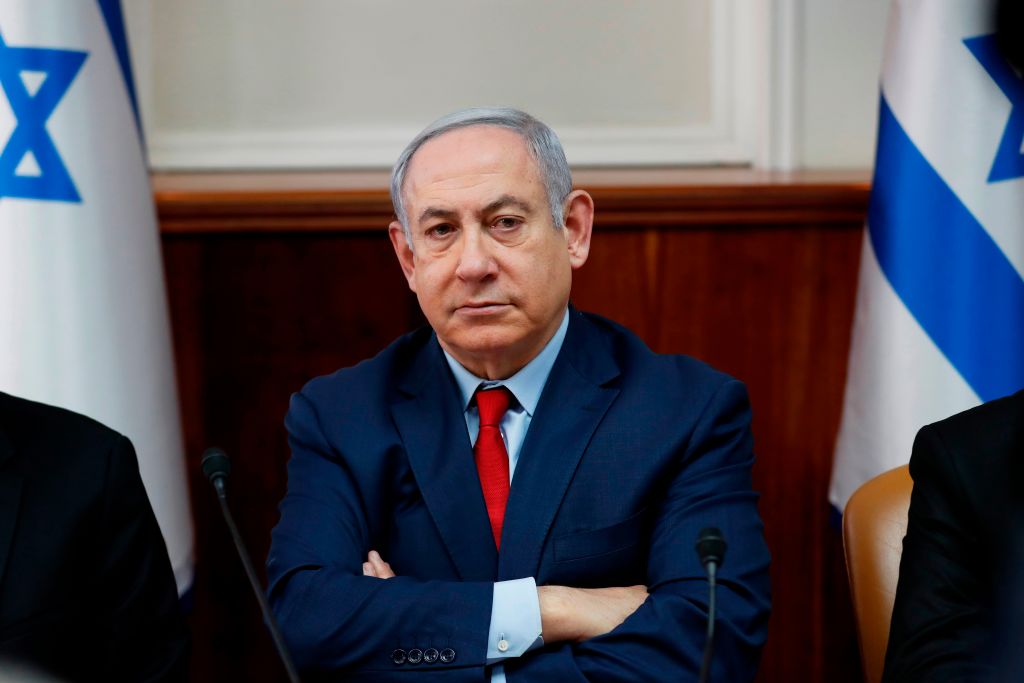
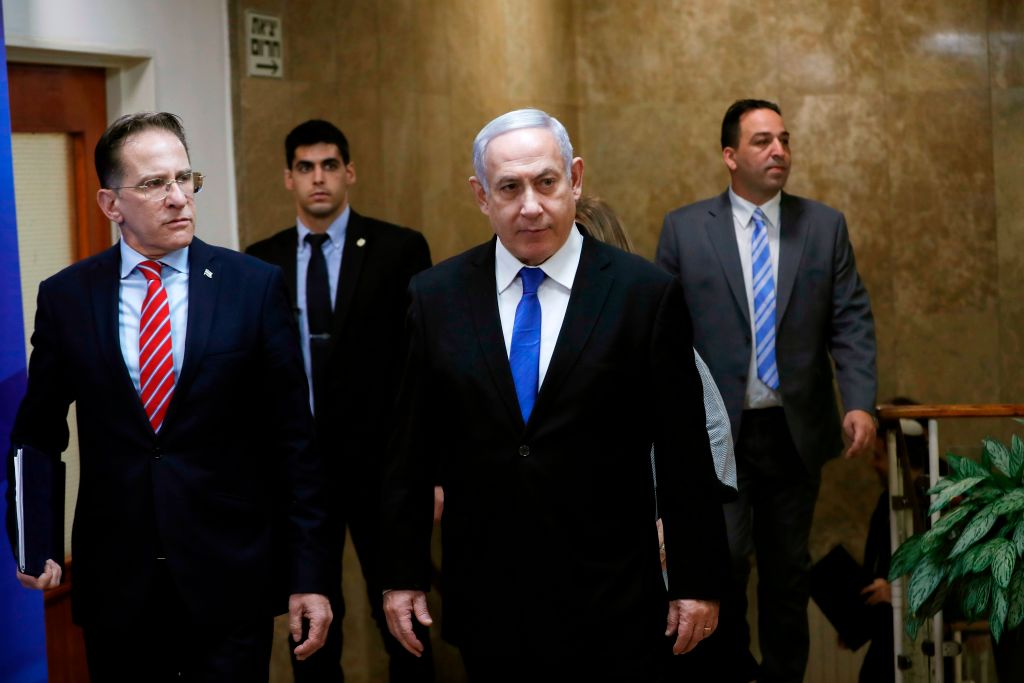
Politically Netanyahu seems to be about as popular as before his long-awaited indictment, which portends another inconclusive election and a political system unable to break the deadlock.
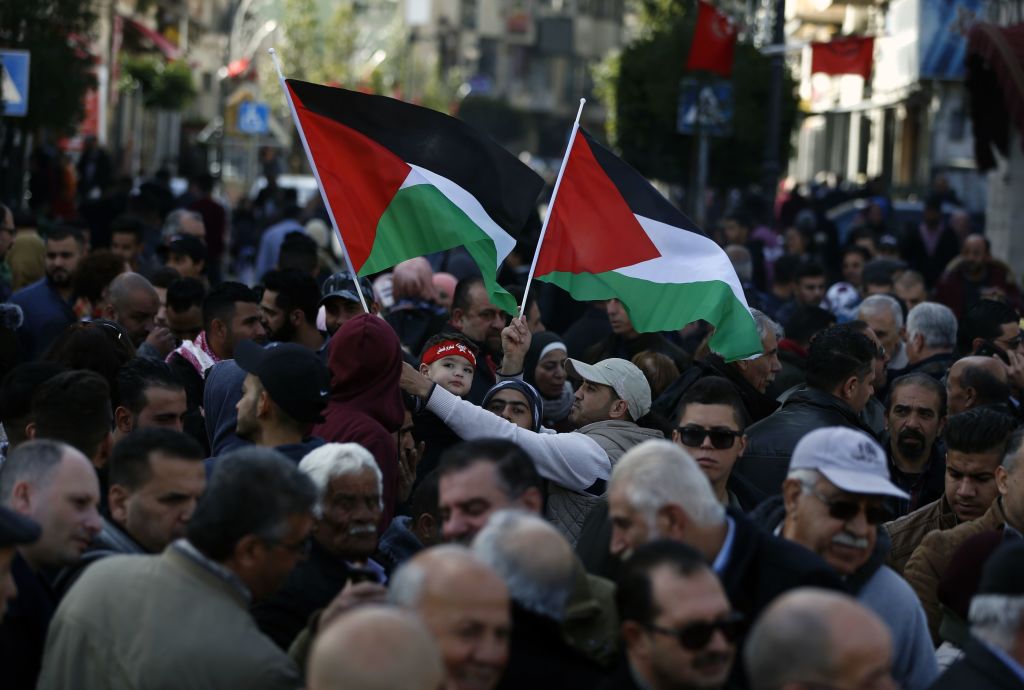
Holding long overdue elections for the Palestinian presidency and the legislative arm of the Palestinian Authority could be a step toward redressing the Fatah-Hamas conflict.
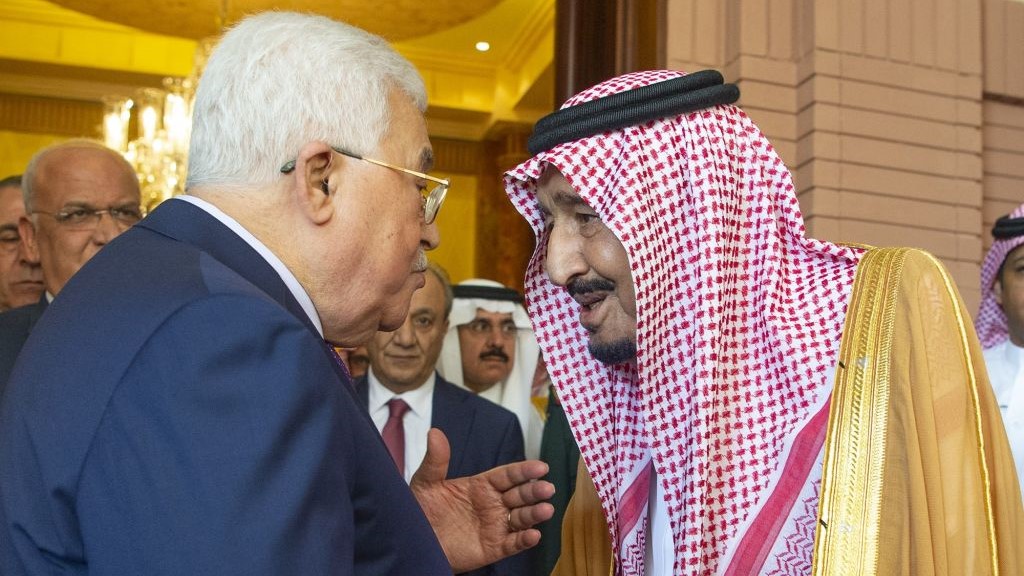
The intra-GCC competition over the Palestinian heart
Since 2017 three separate blocs have emerged within the Gulf. Driven by the region’s divisions, rival power centers, and conflicting interests, the Gulf states are playing an ever-greater role in Palestinian affairs.
The steps the Saudis have taken in 2019 may help to ease international pressure on the kingdom’s leadership and restore its image as a constructive player in the world.
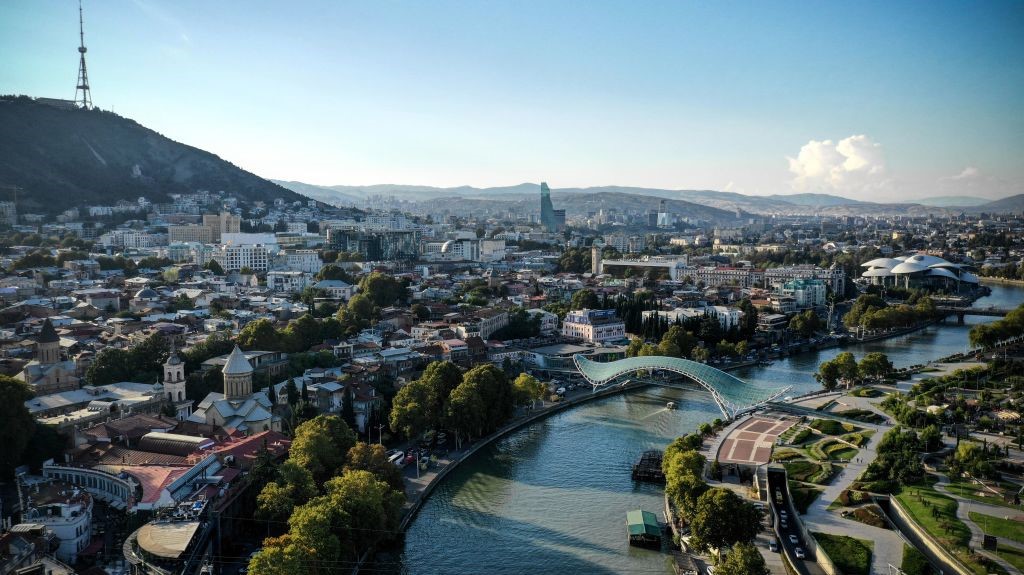
Given their territorial proximity, the regional actors of the Middle East have always had an interest in Georgia and the South Caucasus as a window to Europe. The collapse of the Soviet Union brought an end to Georgia’s isolation, and in the years since the country has gradually started reclaiming its historical role as a cultural and economic crossroads between Asia, the Middle East, and Europe.
The subject of extensive international interest and attention over the past few years, blockchain technology is regarded as a key component of the fourth industrial revolution. This article seeks to shed light on the use of blockchain technology in the Gulf states by analyzing current trends of blockchain adoption in the region compared to those internationally. In so doing, it will determine Gulf institutions’ capacity for keeping pace with the changes and developments blockchain adoption has introduced.
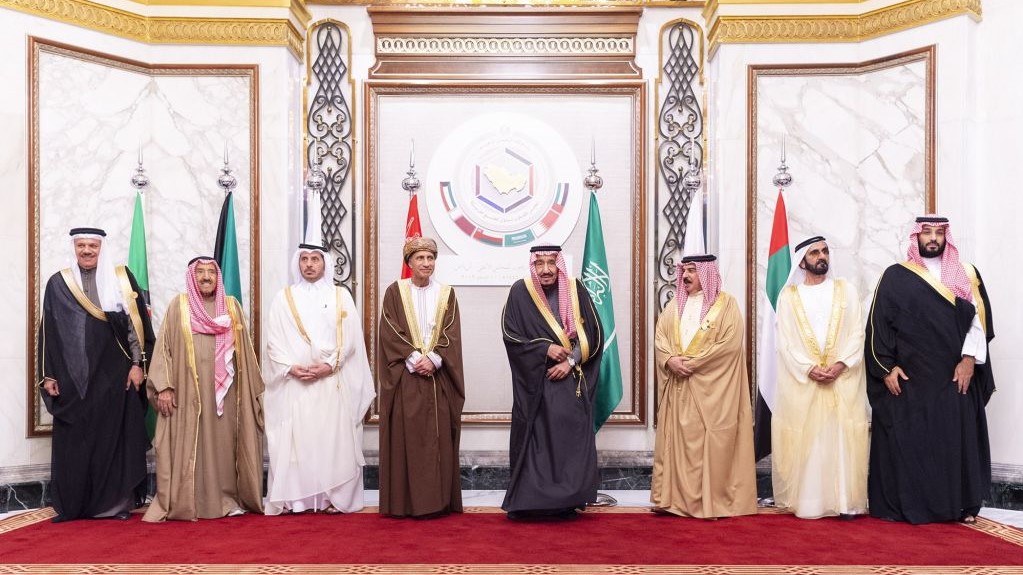
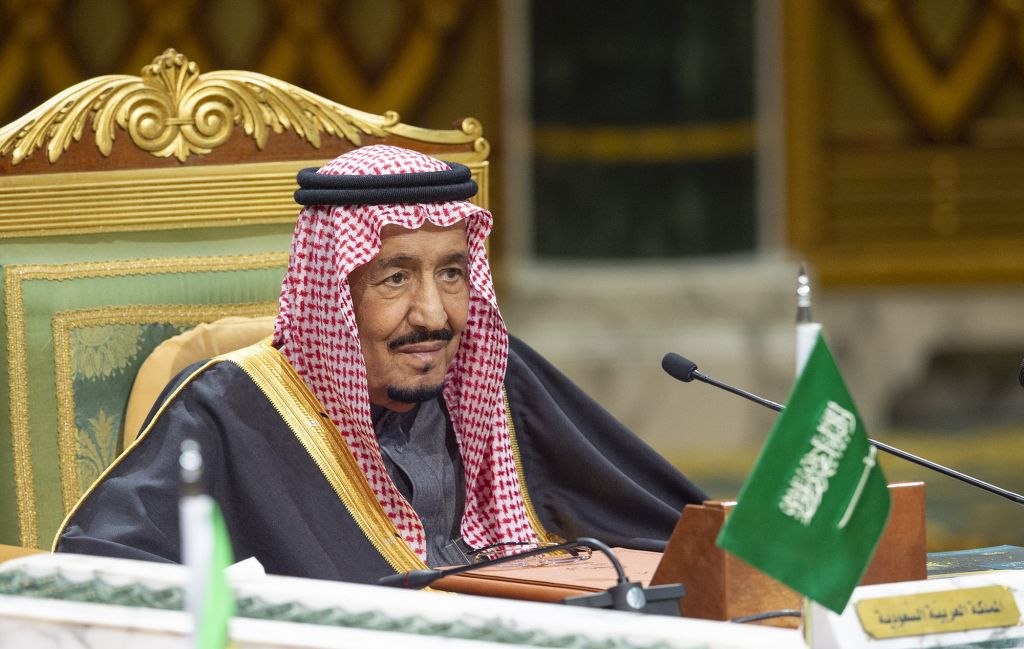
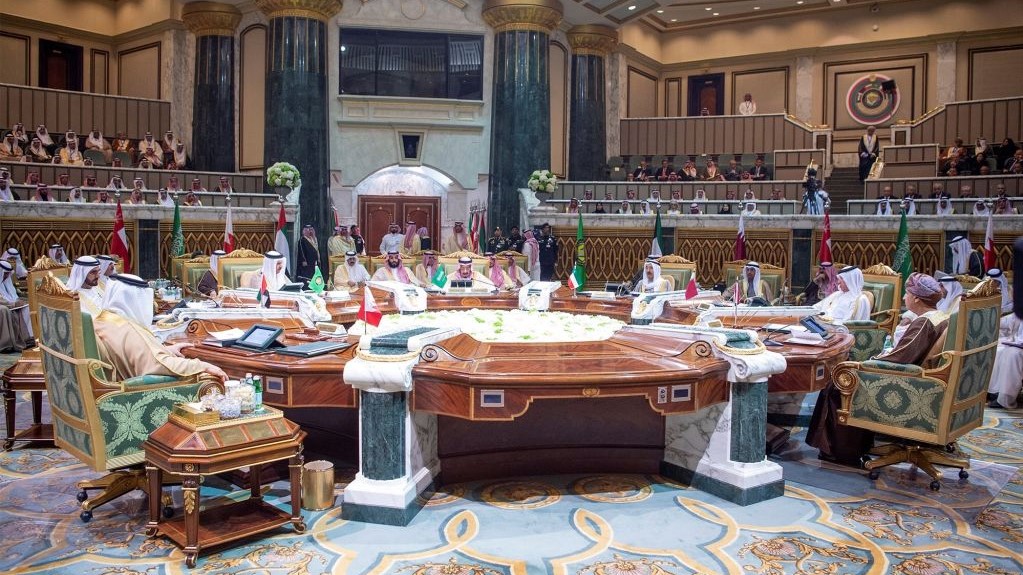
Cautious optimism that the Riyadh summit will open the door to ending the intra-GCC dispute
The leaders of the six GCC member states will meet in Riyadh on Dec. 10 amid signs that the 30-month-old confrontation with Qatar by the self-described “Anti-Terror Quartet” is diminishing.