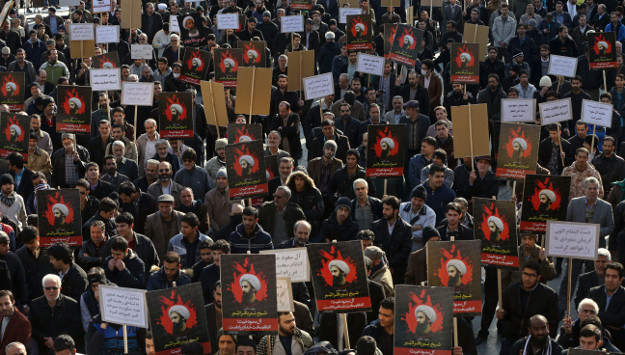
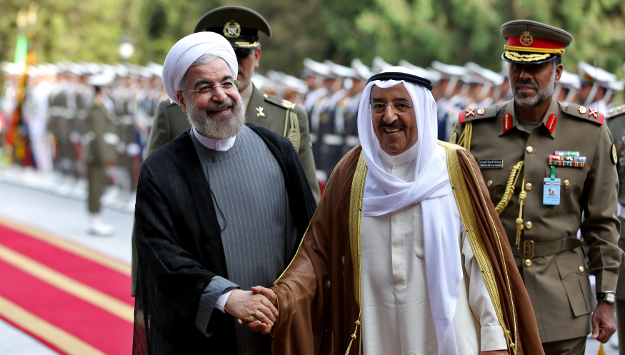
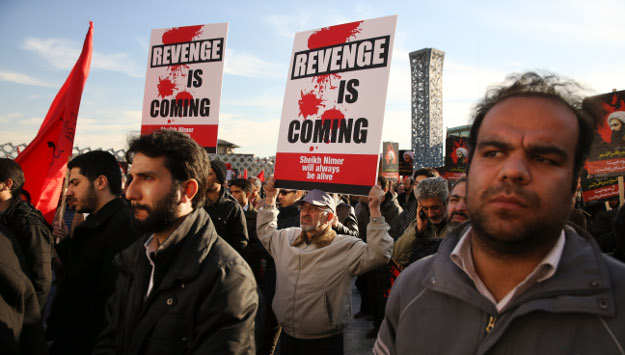
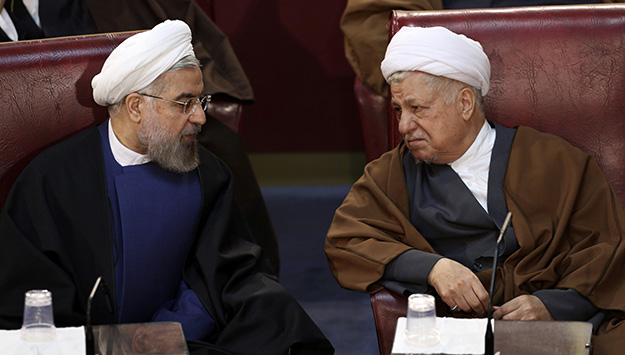
Saudi Arabia’s execution of prominent Shi’a cleric, Sheikh Nimr al-Nimr, is a gift in disguise to Iran’s hardliners seeking to undermine President Hassan Rouhani’s administration, and rally support ahead of key elections in February.
Although Saudi officials have insisted Iran is interfering in its internal affairs with its vociferous condemnation of the execution, Iranians, particularly the hardliners, saw the act as a direct provocation.
Turkey Should Avoid Getting Involved in the Saudi-Iran Row
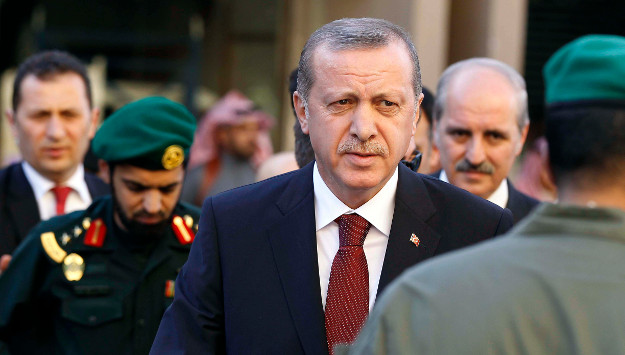
Turkey’s reaction to the latest spat between Saudi Arabia and Iran spells more trouble for Ankara at a time when it is already at loggerheads with many of its neighbors. Initial remarks by Deputy Prime Minister Numan Kurtulmus criticizing both sides were an attempt to keep Turkey out of the rift. He was upstaged, however, by Turkey’s foreign ministry, which followed up with a statement singling out Iran for condemnation.
Saudi-Iran Tensions Place Pressure on Smaller GCC States
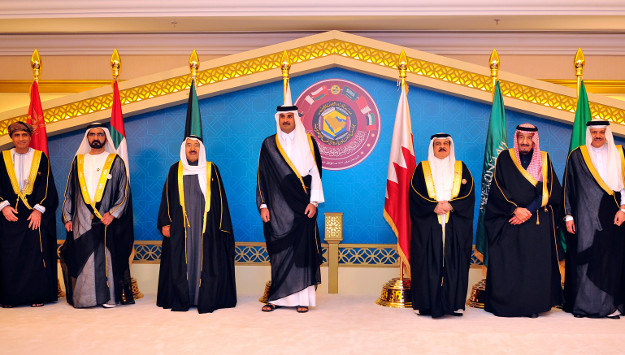
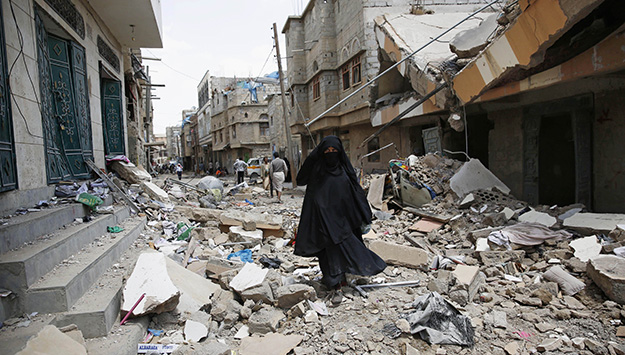
The recent escalation in tension between Saudi Arabia and Iran is throwing the GCC into a crisis of unity. Riyadh’s actions in particular are built on the frustration of the Yemen war and the perception of Iranian encroachment in Arab lands that the Saudi kingdom believes is its domain. King Salman and his son, Deputy Crown Prince Mohammad bin Salman, feel the kingdom is being ignored by the international community in other hot zones, namely Syria, where the outcome of the war is being determined by Washington and Moscow.
The New Year has seen relations in the region spiral out of control with Saudi Arabia cutting off diplomatic ties with the Islamic Republic of Iran. Sectarian tensions mounted following the execution of prominent Saudi Shi’a cleric Nimr al-Nimr and the subsequent attack on the Saudi embassy in Tehran. The immediate impacts of this escalation will likely be felt in Yemen, with the latest ceasefire collapsing over the New Year, and in Syria where U.N.-sponsored peace talks are set to begin later this month.
Paul Salem, Vice President for Policy and Research at MEI, explains the drivers behind the recent flare-up of the Iran-Saudi feud, how it will impact regional issues including Syria, Yemen, and the fight against ISIS, and what the United States can do to help get diplomacy back on track.
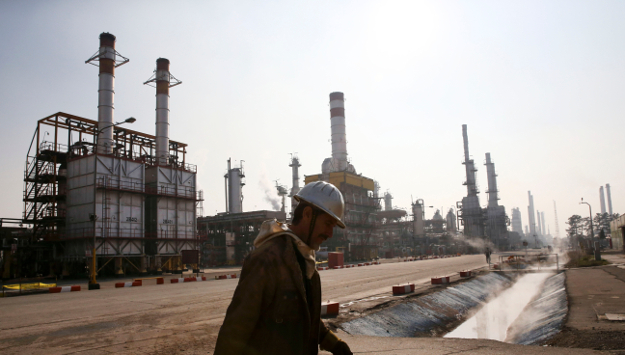
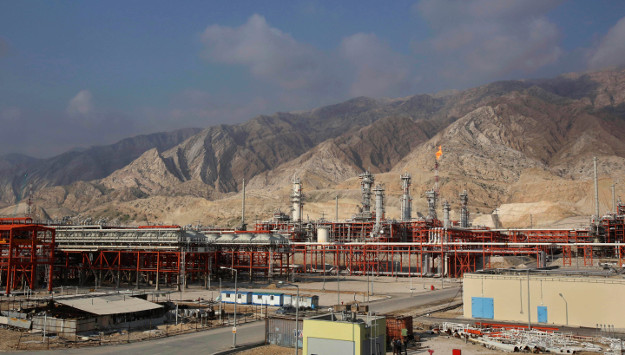
In a Middle East already aflame, a fresh feud between Saudi Arabia and Iran threatens to complicate most every major issue from the Iranian nuclear deal to the Syrian civil war to global oil markets.
This article was first published in The Hoover Institution’s The Caravan.
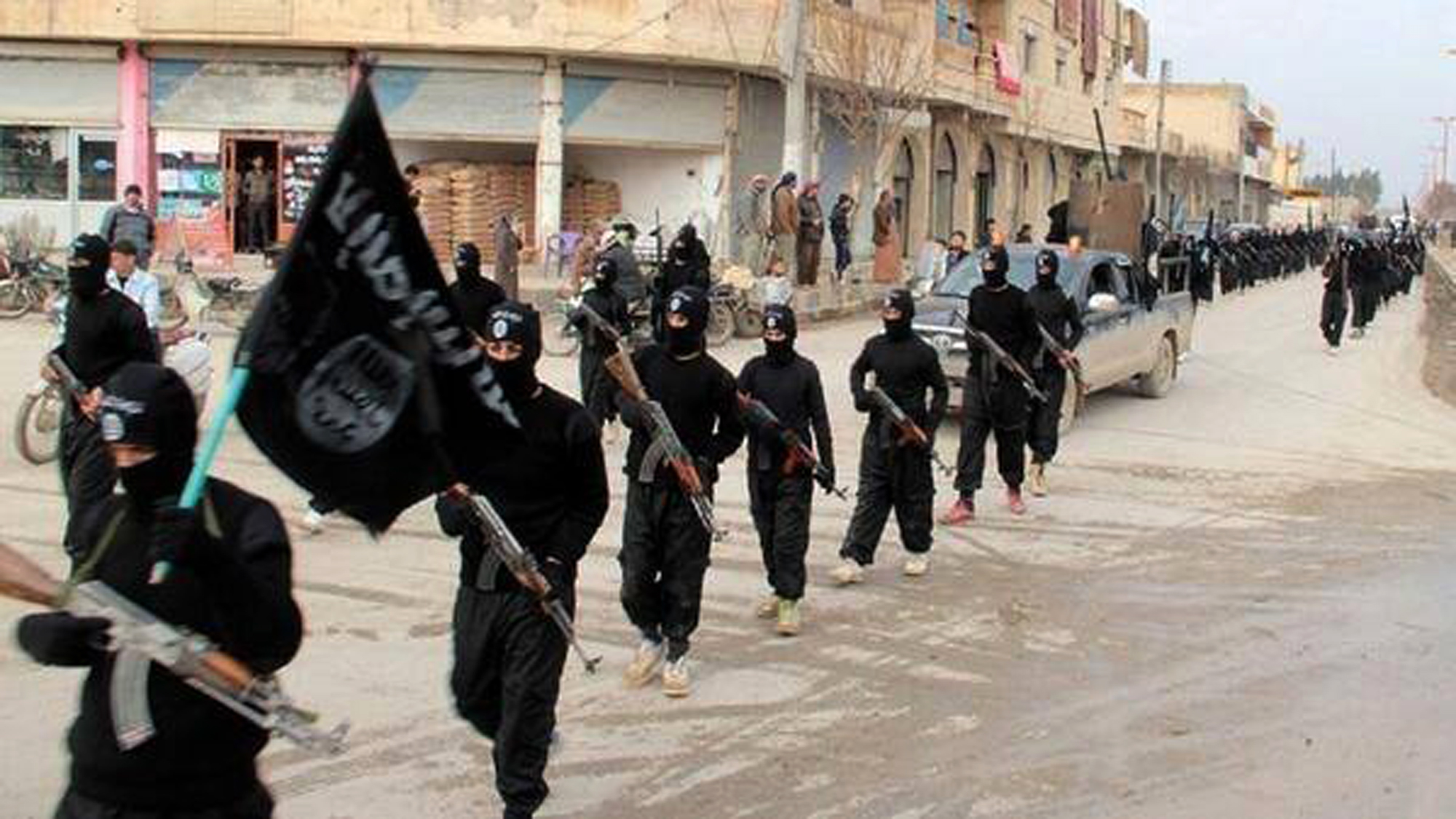
Daesh or ISIS does not represent an existential threat to any state except Syria and Iraq. It occupies and controls ungoverned space in the region between Iraq and Syria and in parts of northern Africa; and its self-proclaimed Caliphate has benefited from the seizure of some income producing assets in these areas. Daesh depends on the dynamism of success and expansion, both of which have been in short supply of late.
October 2015 marks the fourteenth month of formal U.S. military engagement in the struggle against the Islamic State (ISIS). The Obama administration was at first reluctant to engage U.S. military power in this struggle but then became more deliberate in its approach. U.S. involvement in the battlegrounds of Iraq and Syria has been evolving especially over the past year. This evolution has been defined and is in many ways limited by a strategy that emphasizes political change in Iraq and a broad coalition of states taking action against ISIS.
Hadi flip-flopped again. On Thursday, September 10, Yemeni President Abdu Rabbu Mansour Hadi announced that the government would meet with the Houthi rebels directly and without any conditions at the UN-sponsored negotiating table. As the military buildup for the assault on Sana reaches its final stages, Hadi’s announcement came with a sense of relief that Sana, having endured six months of bombardment from the Saudi Air Force, would be spared a ground assault. But two days later, Hadi reversed and
Looking to capitalize on the momentum from the July 14 nuclear deal, the moderate government of Iranian President Hassan Rouhani is now seeking ways to reduce tensions with its regional rivals, particularly Saudi Arabia. This is no small task. Not only must Rouhani convince his domestic critics that mending ties with their arch rival is in Iran’s interest, but he must also get a read on Riyadh’s new leader, King Salman, and the ruling elite.
Read the full article in the September 2015 issue of The Ripon Forum.
It will be one year this September since the U.S. president declared the formation of an international coalition to ‘degrade and destroy’ ISIS. After 6,000 air strikes, 9,000 targets struck, 10,000 fighters killed, and various battles undertaken in Iraq and Syria, the war is at a strategic stalemate.
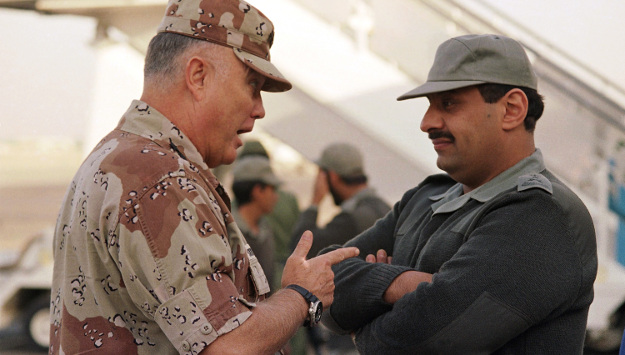
Twenty-five years ago, on August 7th 1990, an American interagency team walked into an urgent meeting with King Fahd of Saudi Arabia, not knowing what would happen. A week earlier Iraq had seized Kuwait. The Americans feared that the Iraqi Army might keep going, seizing the Saudi oil fields. As a result of decisions made at that August 7th meeting, Iraq and terrorism have dominated American foreign policy for three decades and continue to do so.