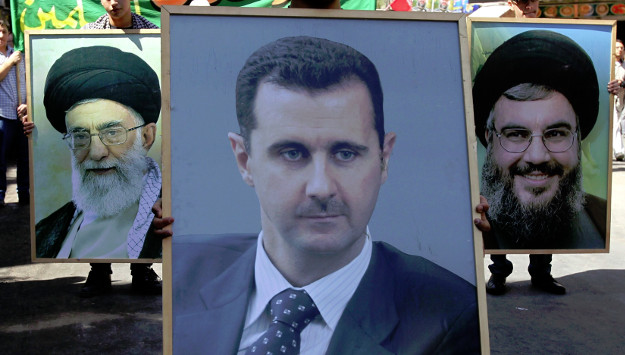
Iranian Lawmakers Praise Assad for "Defeating" U.S. and Israel in Syria
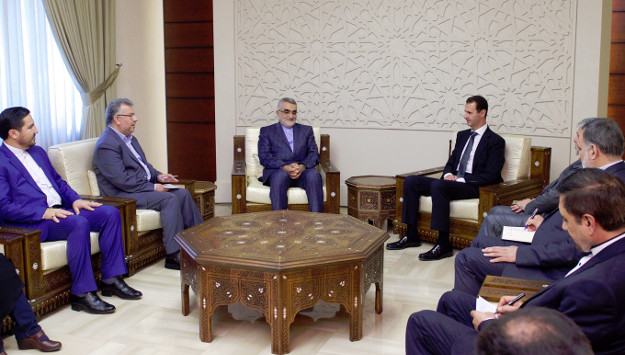
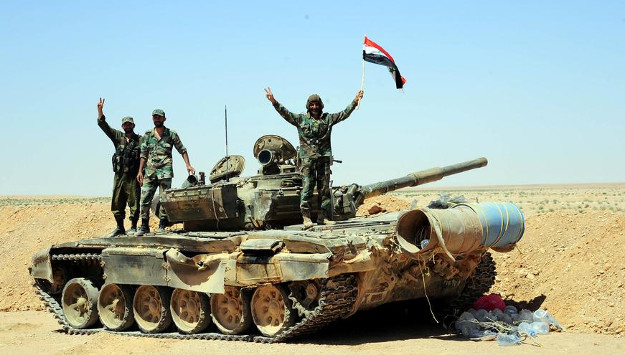
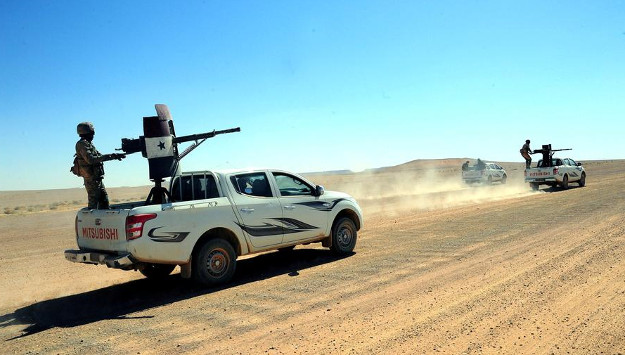
A senior Iranian parliamentary delegation visited Damascus and held talks with Syrian President Bashar al-Assad earlier today, the Iranian media reported. Alaeddin Boroujerdi, the chairman of the parliament’s national security and foreign policy committee, described Syria as a key pillar of the so-called “resistance front” against the United States and congratulated the Syrian president for the latest territorial gains by the Syrian Army and its foreign allies.
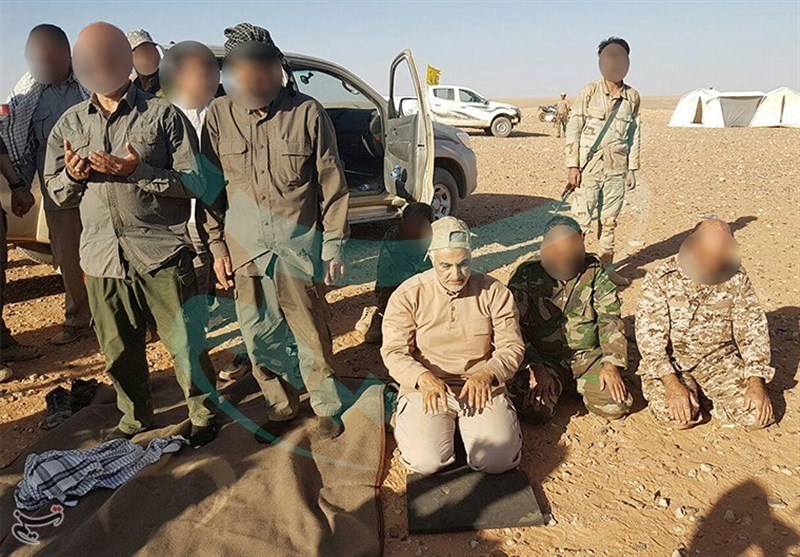
Fatemiyoun: We’ll Capture Al-Mayadin and Abu Kamal to Fulfill Soleimani’s Promise
Afghan Shiite militias fighting in Syria have made significant gains in military operations against the Islamic State in Deir Ezzor Province, the Iranian media reports.
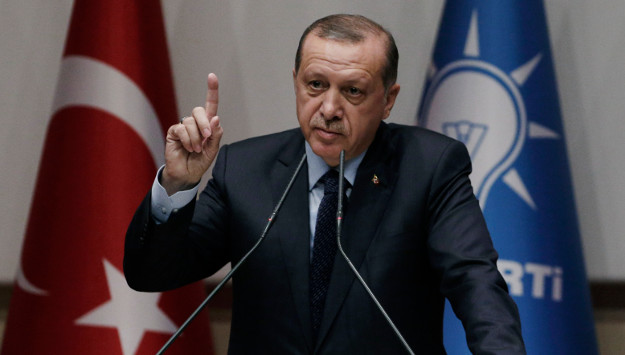
Erdogan Visits Iran as Tension Rises over Kurdish Vote | Monday Briefing
In this week’s Monday Briefing, MEI experts Alex Vatanka, Randa Slim, Marvin G. Weinbaum, Yousef Munayyer, and Gerald Feierstein provide analysis on recent and upcoming events including Turkish President Erdogan’s visit to Iran, Ayatollah Ali al-Sistani’s efforts to push for dialogue after the Kurdish independence referendum, the pending indictment of Nawaz Sharif in Pakistan, signs of progress in the reconcilliation attempt between Hamas and Fatah, and the Saudi king’s visit to Moscow.
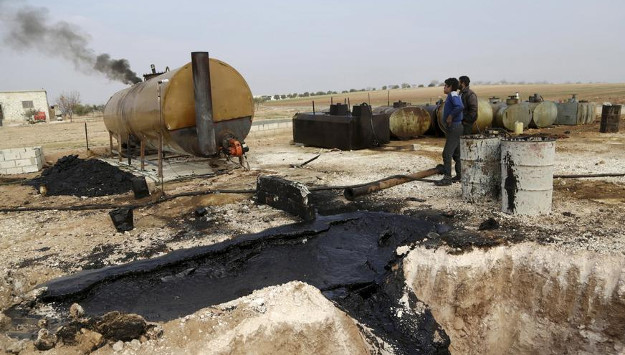
Iran and Venezuela to Build $1 Billion Oil Refinery in Syria
Iran will start constructing an oil refinery in Syria by this year’s end, a senior official of Iran’s Research Center of Petroleum Industry (R.I.P.I.) announced today.
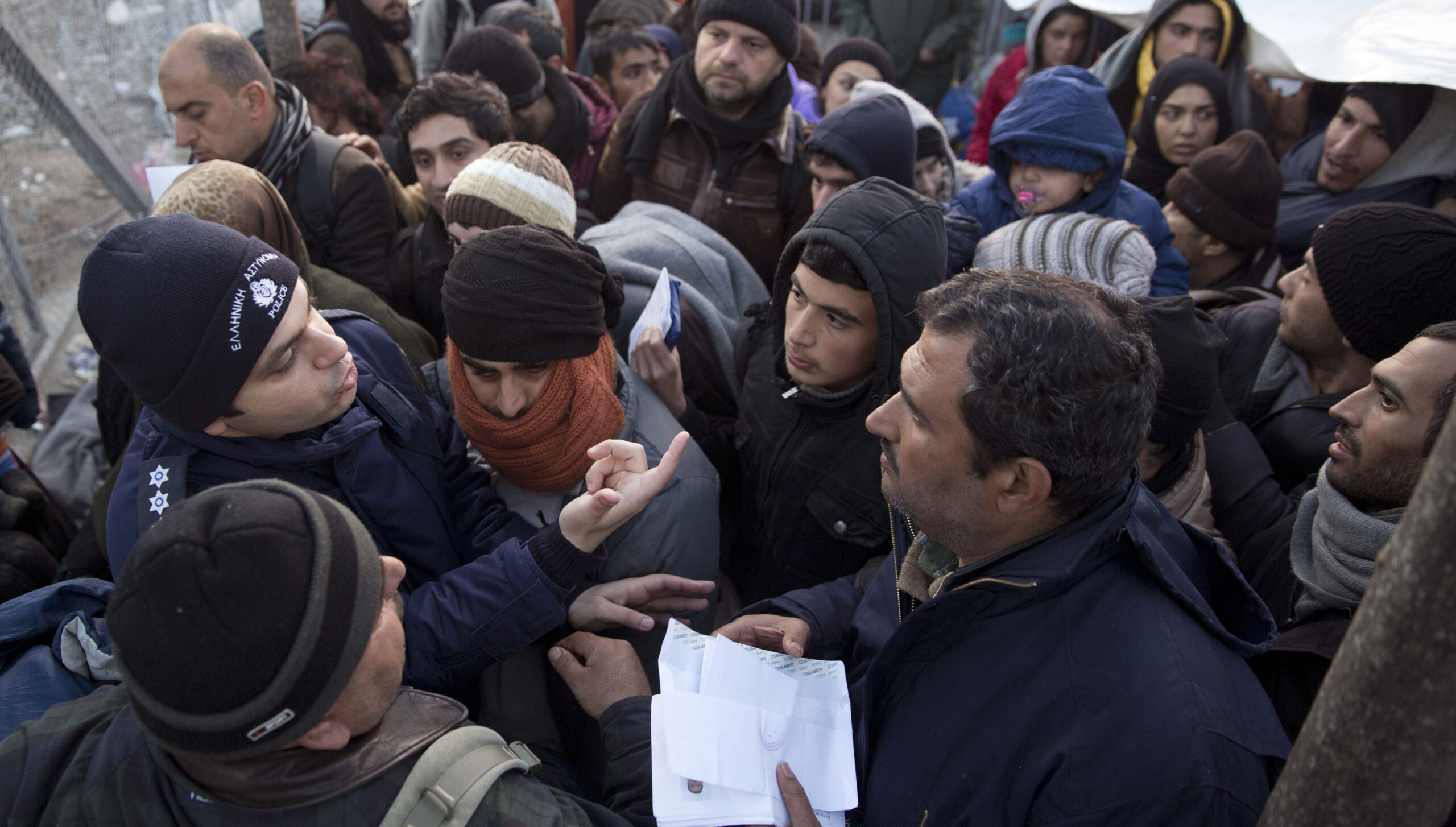
Recent surveys conducted in Europe indicate a rise in Islamophobia since 2015, namely since the beginning of the refugee crisis. Islamophobic incidents have been taking place across the whole continent, even in places where Muslim communities are almost absent, for example, in some Central European states. Islamophobia is exacerbated by some European governments and right-wing politicians who openly express anti-Muslim opinions.
Tehran, Ankara and Moscow Reach Agreement over Syria’s Idlib
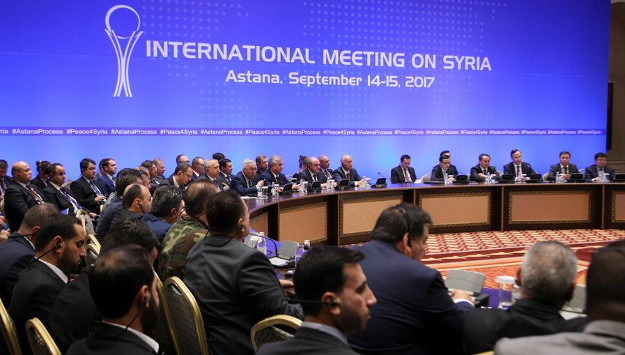
Iran, Turkey and Russia have agreed to establish the fourth de-escalation zone in Syria’s Idlib Province, according to a joint statement issued by the three countries at the end of the sixth round of talks in Kazakhstan today. Iranian media published the full text of the statement in Farsi and English.
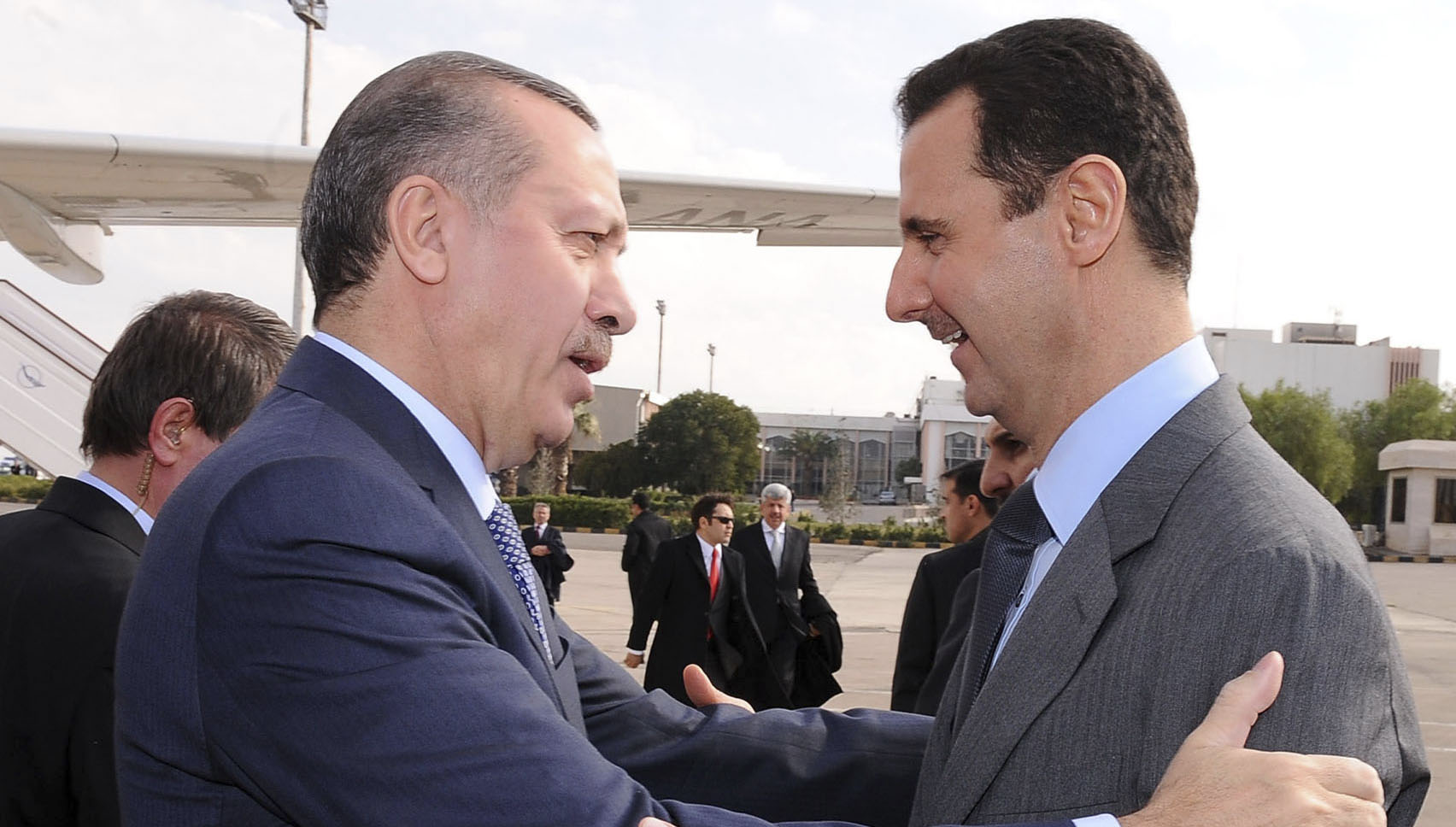
Before the conflict in Syria started, Turkey cultivated close ties to the Assad regime. The two countries lifted visa requirements, held joint military exercises and cabinet meetings, and collaborated against the Kurdistan Workers’ Party (P.K.K.). Ankara’s newly-adopted philosophy, “zero problems with neighbors,” had—at the time—won praise both at home and abroad. Turkish foreign minister, Ahmet Davutoglu, the architect of the policy, at one point described Turkey’s Syria policy as a “striking example” of the success of Ankara’s new foreign policy vision.
Iraqi Forces Turn Attention to Hawija | Monday Briefing
In this week’s Monday Briefing, MEI experts Paul Salem, Robert S. Ford, Alex Vatanka, and Bilal Y. Saab provide analysis on recent and upcoming events including the Iraqi military’s new operation to take back the town of Hawija from ISIS, the operation by the Syrian regime and U.S.-backed forces in Deir Ezzor, the Pakistani foreign minister’s visit to Iran, and the resumption of U.S. and Egyptian war games after being suspended since the 2011.
Tehran Organizes al-Ghadeer Shiite Religious Event in Damascus
Senior Iranian officials attended a public gathering in Damascus over the weekend to commemorate the Shiite religious event of Eid al-Ghadeer. According to the Iranian media, Abolfazl Tabatabai, Supreme Leader Ali Khamenei’s special representative to Syria, and Javad Torkabadi, Tehran’s ambassador to Damascus, were among keynote speakers at the event. Hundreds of people attended the celebration at the historic Sayyidah Zaynab Mosque in southern Damascus.
Tehran, Proxies Warn against U.S. Military Presence in Post-ISIS Iraq, Syria
The United States is seeking to keep a significant military presence in Iraq and the broader region after the fall of the Islamic State, warns an article in the Islamic Republic News Agency. The author points out that pro-Syrian regime forces have made important territorial gains against the Islamic State recently and claims that the lifting of a siege over the eastern city of Deir Ezzor marks the beginning of the terrorist group’s end.
I.R.G.C. Outlet: U.S. to Hand Over al-Tanf’s Control to Syrian Government
According to an agreement between the United States, Jordan, Russia and Syria, armed opposition groups will voluntarily leave eastern Damascus for Jordan, from where they will ultimately be transferred al-Hasakah Governorate in northeastern Syria, Fars News Agency reports. The Iranian outlet adds that two U.S.-backed rebel groups have reached an agreement in southeastern Damascus to surrender their weapons to the Syrian government in exchange for a safe passage to Jordan.
Iran Hails End of Siege on Syria’s Deir Ezzor as Victory for “Resistance”
Iranian leaders today congratulated the Syrian government on the lifting of a siege of the eastern city of Deir Ezzor by the Islamic State. Iran’s Foreign Minister Javad Zarif described the end of the three-year siege as a “significant victory” in the fight against terrorism.
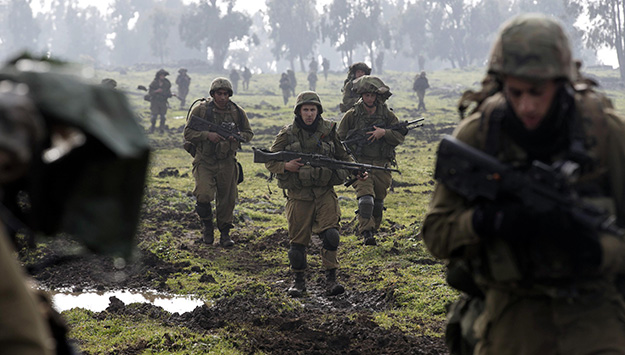
Israel has weathered the campaign to oust Bashar al-Assad far better than its neighbors. Unlike many others, Israel was never a true believer in the failed effort to topple the Assad regime, preferring an opportunistic rather than a principled strategy that aimed at keeping Israel out of harm’s way.
The challenges of postwar Syria, however, may prove more daunting. Israel must now deter any interest by Syria’s Arab and Iranian allies to deploy military forces in Syria against it.
U.S. and Iran on a Collision Course in Syria, Again
Iran and its allies are sending reinforcements near a de-confliction zone in southeastern Syria to pressure the U.S. military to withdraw from a strategic garrison near al-Tanf border crossing. Both Tehran and Damascus see the presence of U.S. troops training rebel forces in al-Tanf, as well as in northeastern Syria, as a serious threat. Iran also views the expulsion of the U.S.