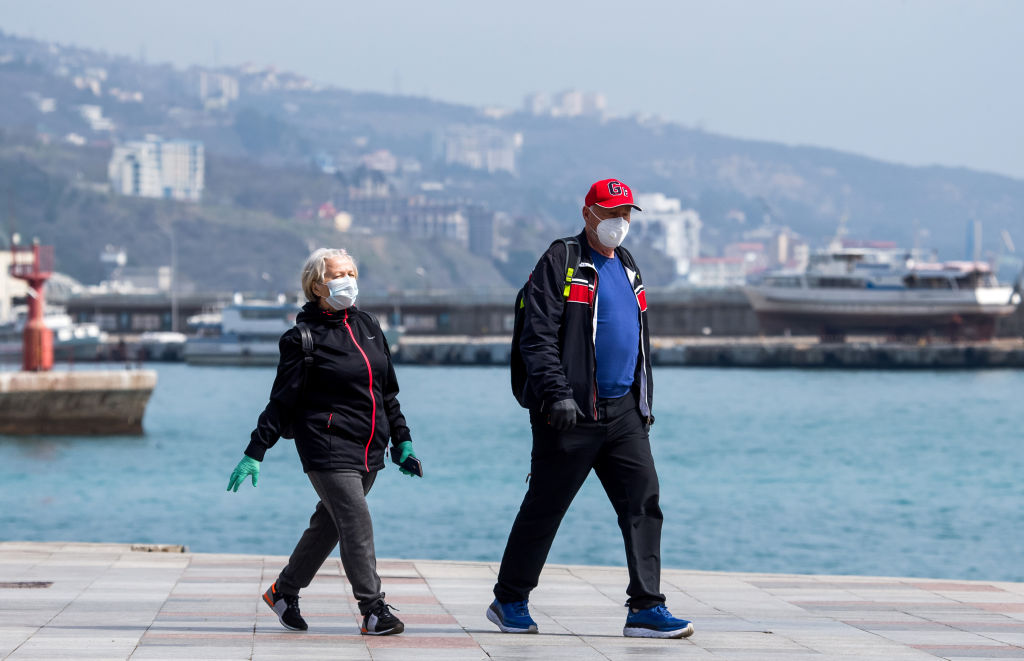
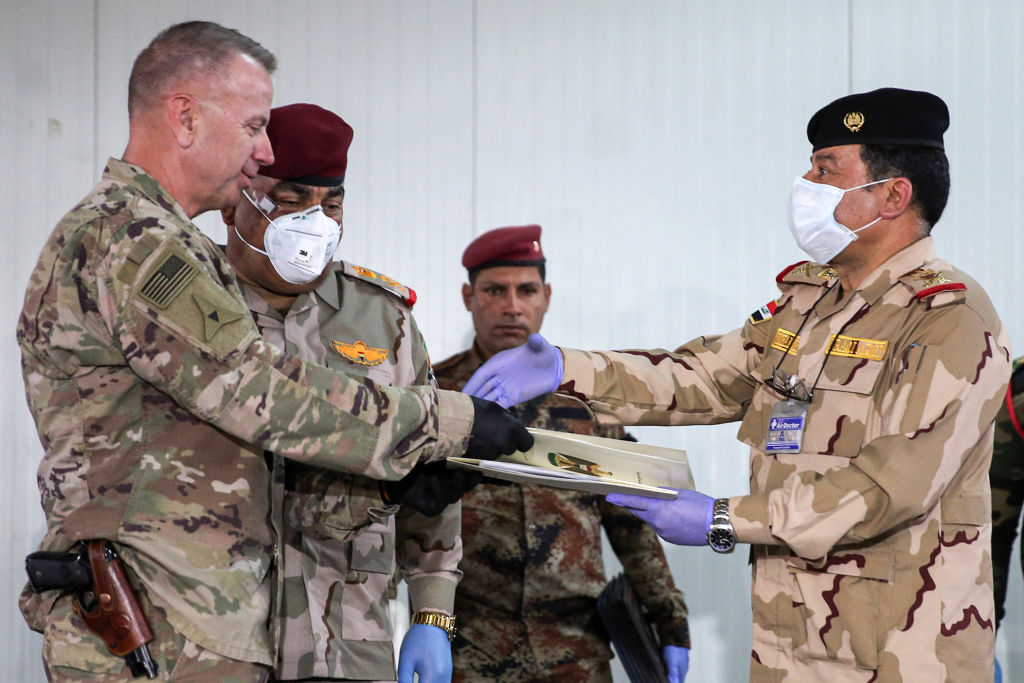
The COVID-19 crisis could be deadlier than all the wars and civil wars in the modern Middle East. This should spur regional leaders to act urgently and cooperatively.
Amid political jockeying, militia fragmentation, COVID-19, and an economic crisis, Iraq's outlook is bleak
The different scenes in Baghdad tell the tale of a future that will, at the very least, present serious challenges, and at the worst could become chronically violent.
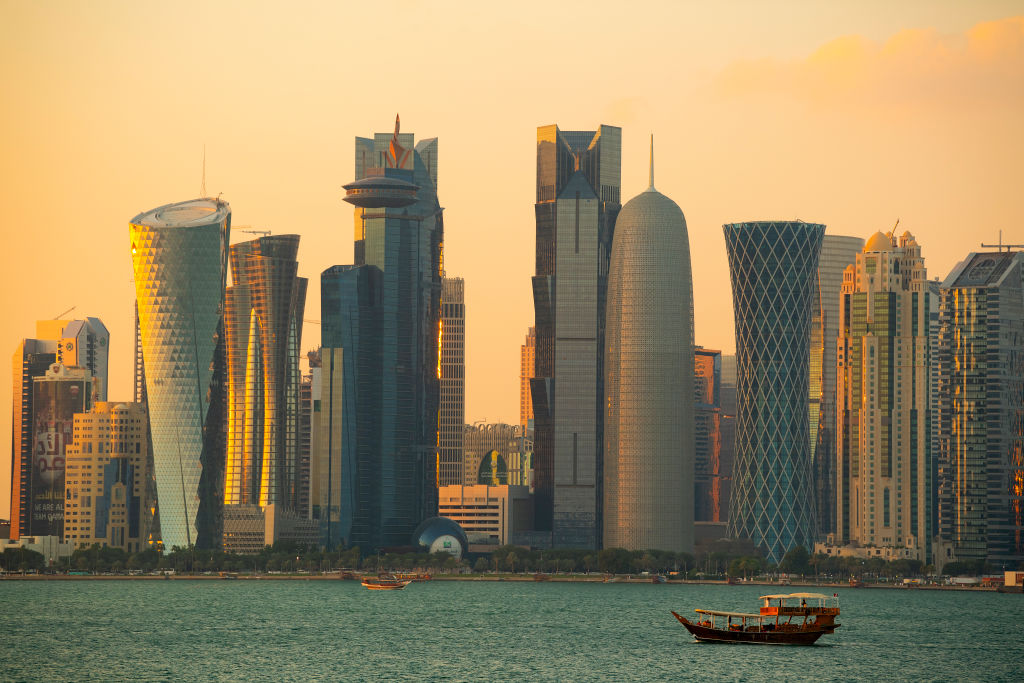
Cratering demand for Qatar’s main exports has reduced its income to a fraction of what it was last year, but its nest egg is held in very illiquid assets.
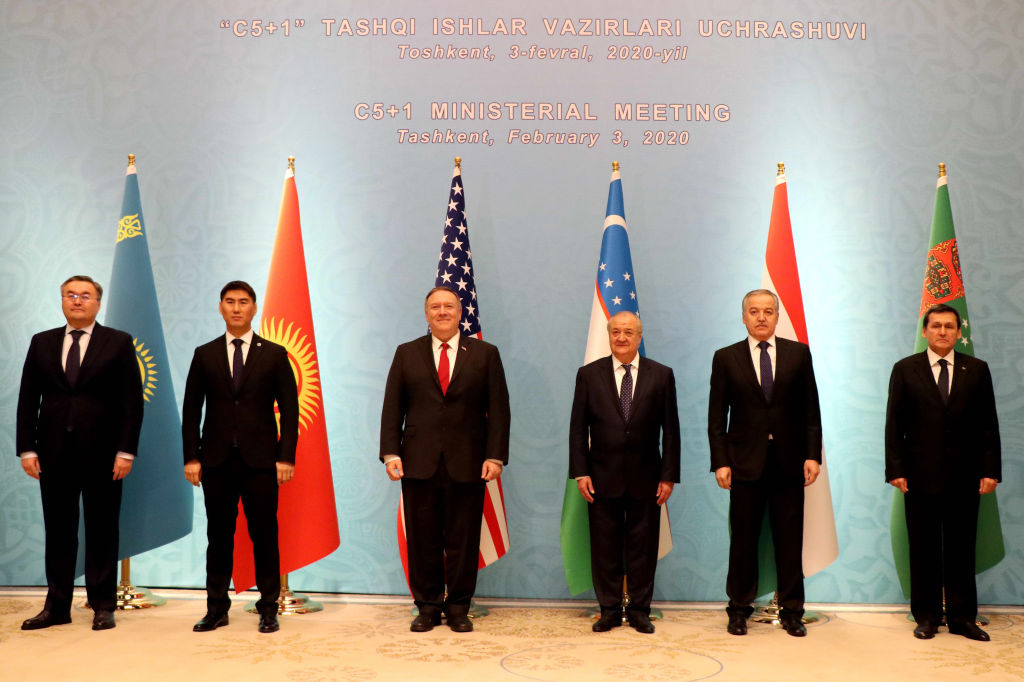
Continuity and Change in US Policies towards the Caspian Region
The U.S. government agenda for Central Asia and the South Caucasus has regularly included a multitude of goals. Whereas in the 1990s, U.S. policy focused on state building, economic development, WMD elimination, and democracy promotion, in the 2000s, counterterrorism rose to the forefront of the U.S. agenda.
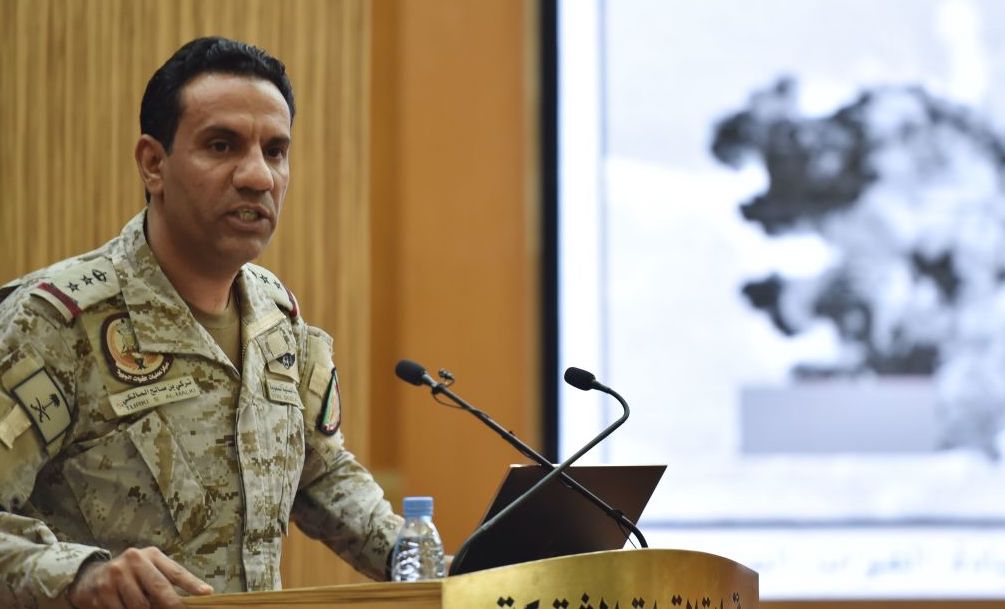
Five years on, has the Arab coalition achieved its objectives in Yemen?
On March 26, 2015, the former Saudi ambassador to the U.S., Adel al-Jubeir, announced the beginning of a Saudi-led military campaign in Yemen to curtail Iran’s influence in the country, reinstate the regime of President Abed Rabbo Mansour Hadi in Sanaa, and deter the Iranian-backed Houthi threat. Five years on, however, the objectives of Operation Decisive Storm are far from realized, and the situation on the ground is as volatile as ever.
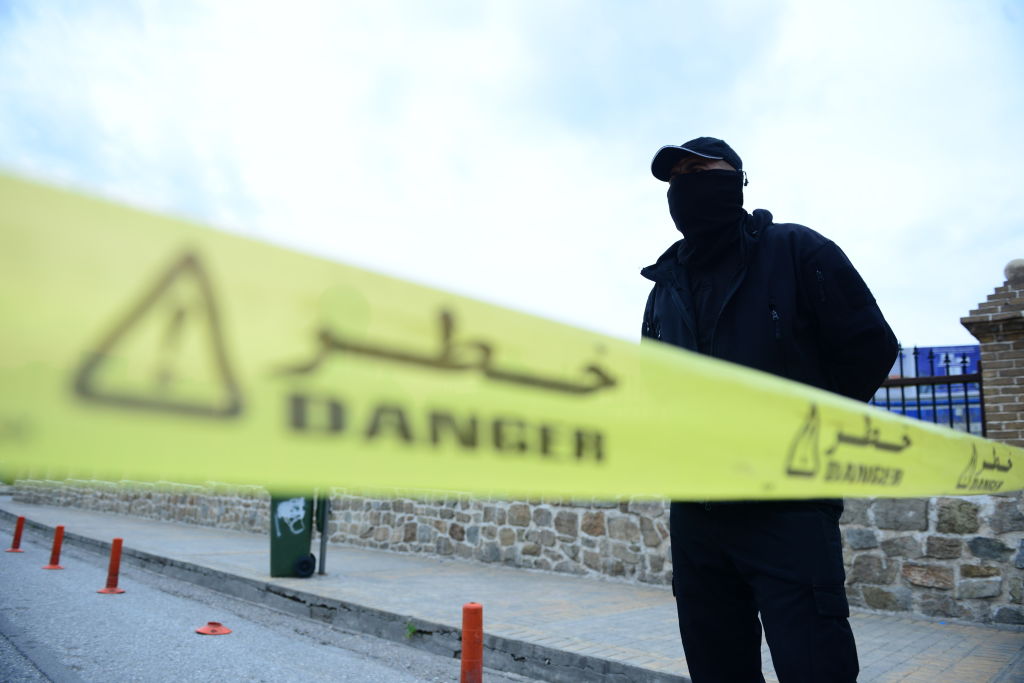
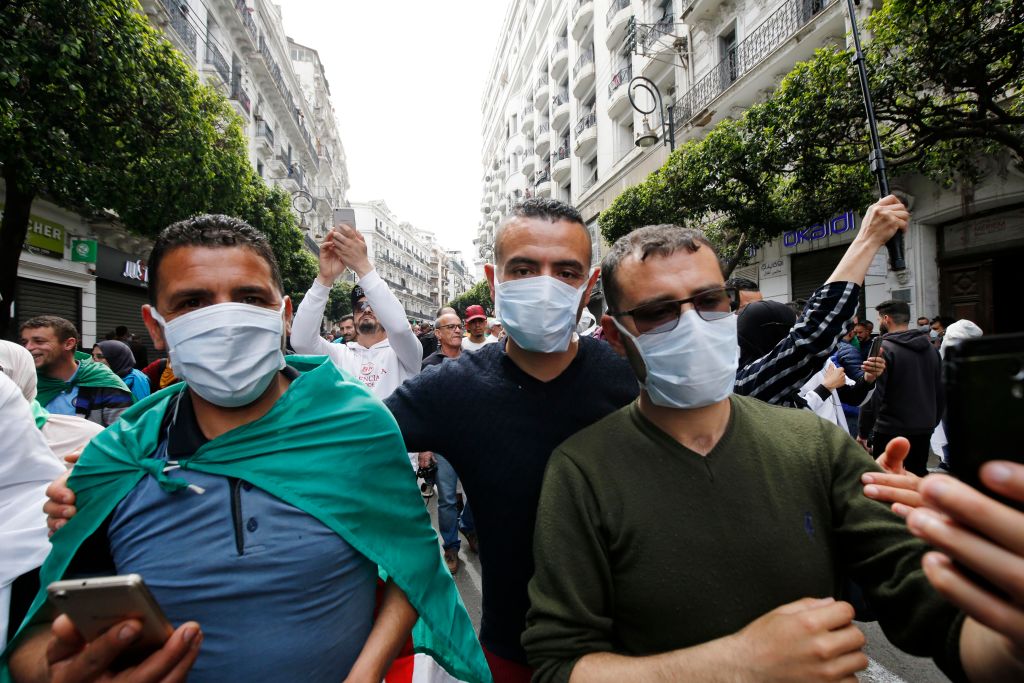
Algeria’s Hirak: A political opportunity in COVID-19?
As Hirak’s primary repertoire of contention has been biweekly protests in key cities, some worry that the COVID-19 lockdown is tolling the movement’s death knell. However, Hirak’s intellectual leaders have long called for supplemental tactics, noting that despite being among the most significant social, political, and cultural phenomena in modern Algerian history, protests alone may no longer be as effective as they once were in extracting meaningful concessions from the regime. Thus, as ill-timed and worrying as this feels for many of the Hirak faithful, the global health crisis may come as a significant political opportunity for the movement.
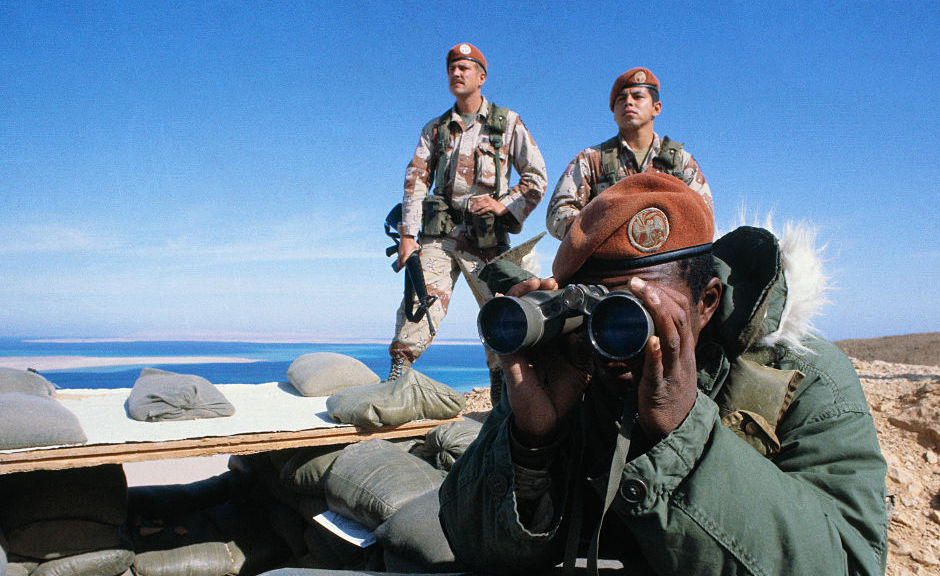
Whither the MFO? The US presence in Sinai has seen its best days
The Sinai-based Multinational Force & Observers (MFO) will soon celebrate its 41st anniversary. Like most of what the MFO does, recognition will be low key and understated. The MFO has always operated under the radar, but this may soon be changing.
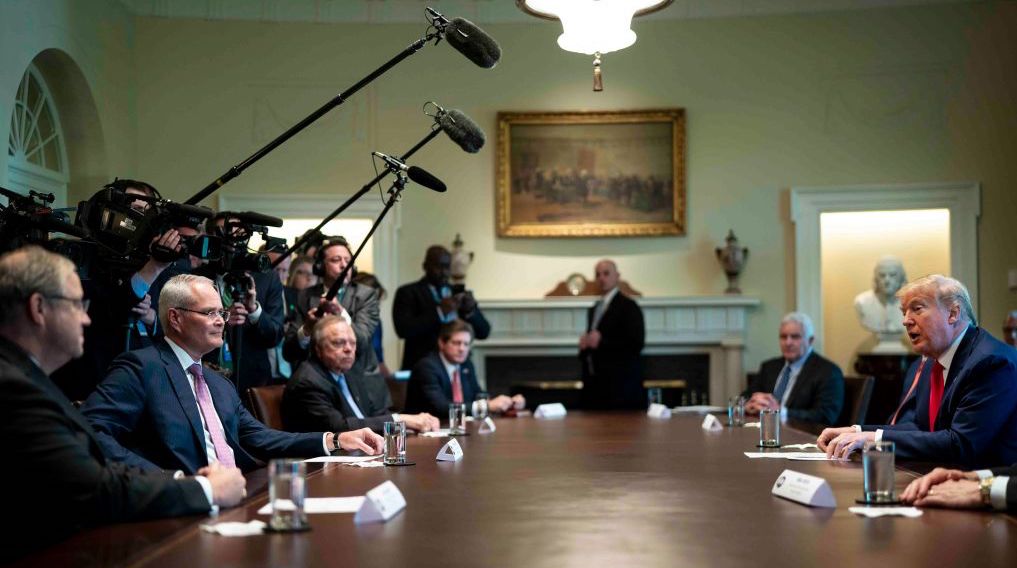
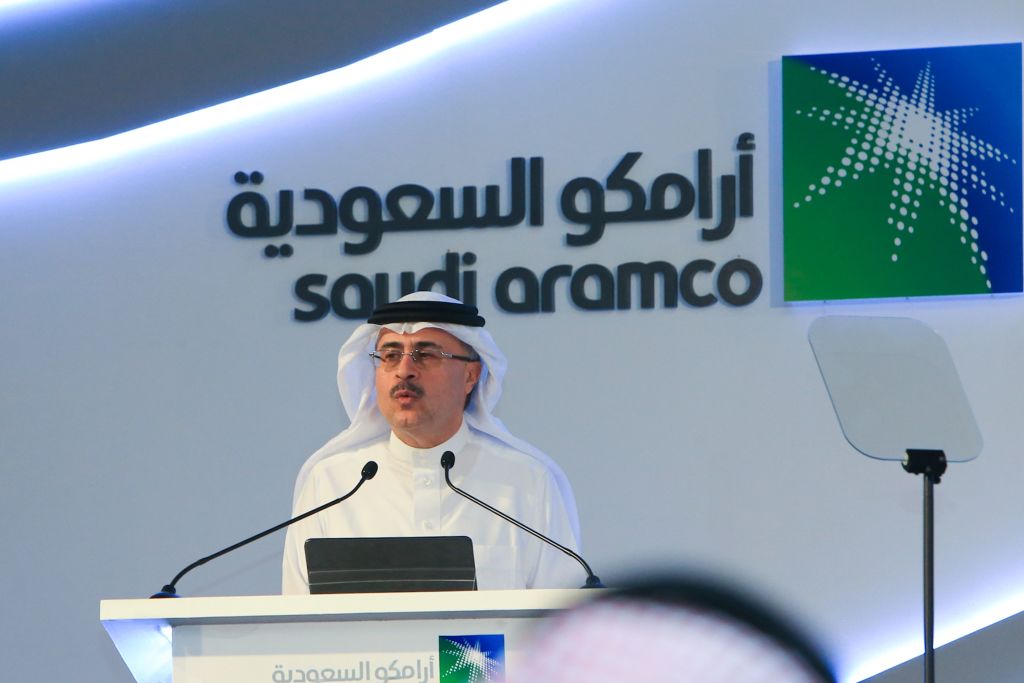
Saudi Arabia’s oil price war could reshape the industry
Saudi Arabia declared a price war against Russia in early March to prove a point: that it can offer an unprecedented supply of 12.3 million barrels per day (bpd), way above the record 11 million bpd it reached in November 2018, and expand its market share at the expense of Moscow. As the coronavirus pandemic brings the world to a standstill, the question is how long it can sustain this war.
As with the rest of the world, COVID-19 is likely to wreak havoc across the Black Sea region in a very short period of time. With the outbreak projected to peak in April or May – and with some predicting the pandemic will last two years and infect 60 to 70 percent of the global population – it is difficult to fathom the potential consequences for this region.
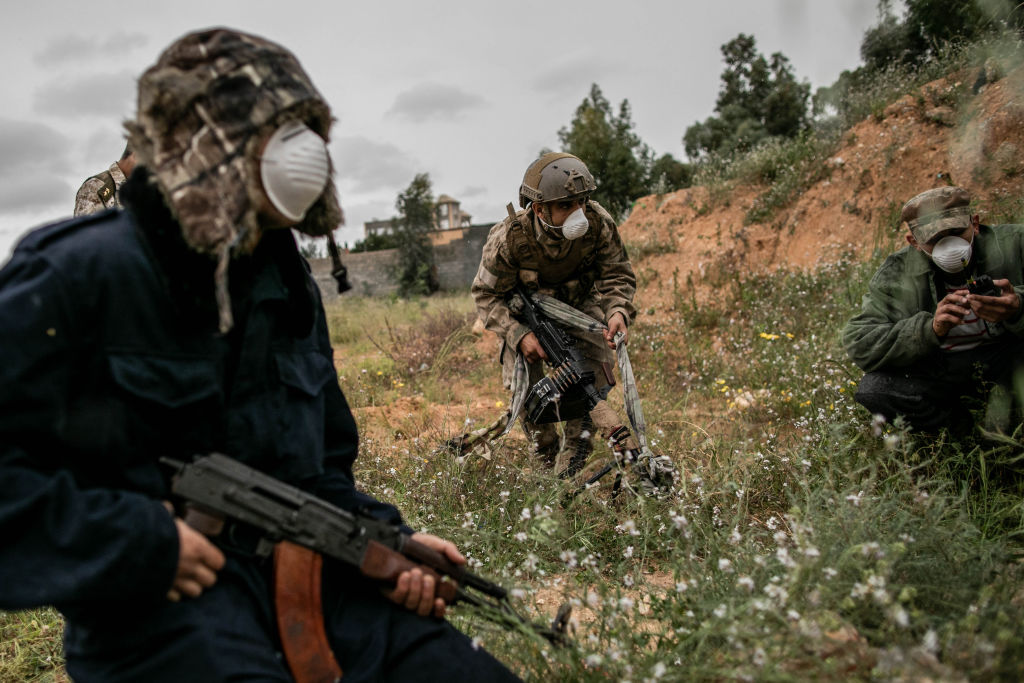
Although press coverage may have shifted almost totally to the worsening global pandemic, the conflicts in Iraq, Syria, Yemen, and Libya are anything but frozen.
A new challenge to countering insurgency and terrorism
In active threat zones, the capacity to launch major operations will likely be constrained for at least several months once the virus begins its inevitable surge.
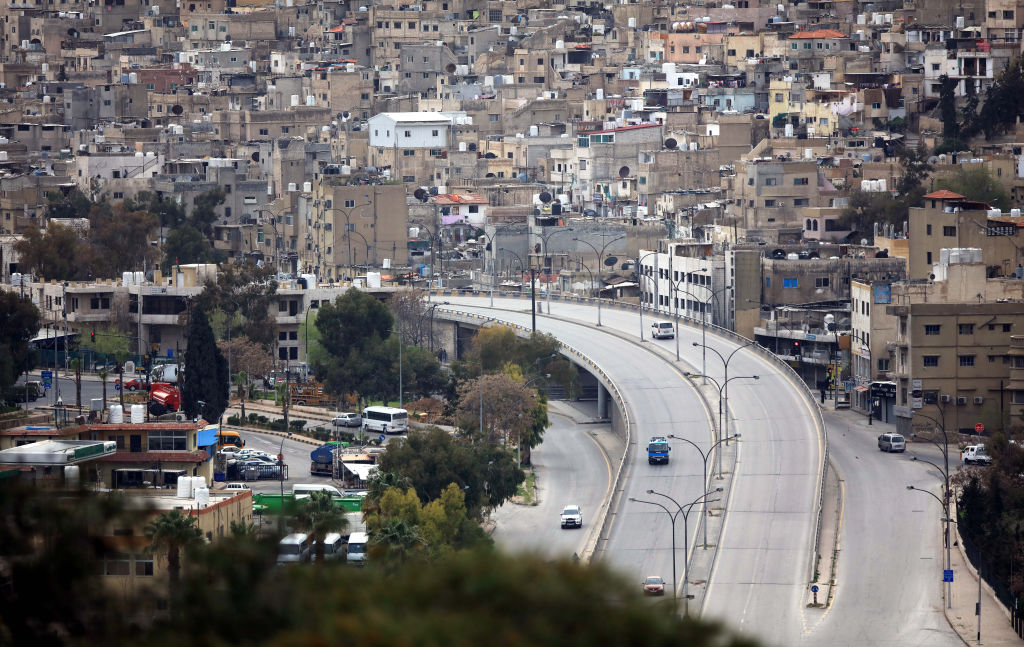
Since the establishment of the Hashemite Kingdom of Jordan a hundred years ago, many have argued at one point or another that the country is on the brink of political or economic instability. It seems increasingly true these days, however. The unexpected shock of the COVID-19 pandemic adds even more pressure to the already floundering economy.
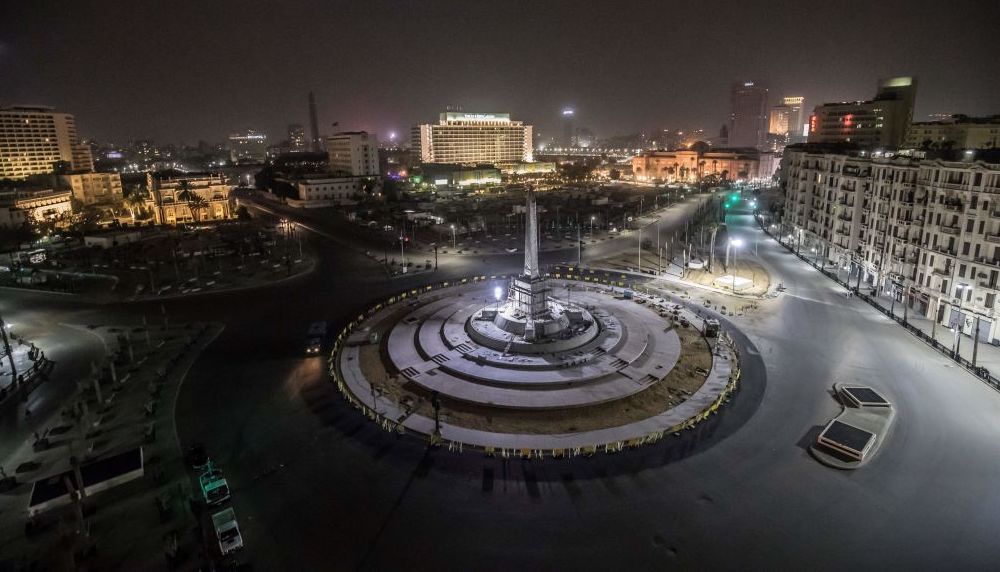
COVID-19 has disrupted both supply and demand around the world. Egypt is not immune to the recessionary trends caused by the sudden halt in supply chains and the sharp decline in demand, domestically and globally, resulting from the rapid spread of the virus.
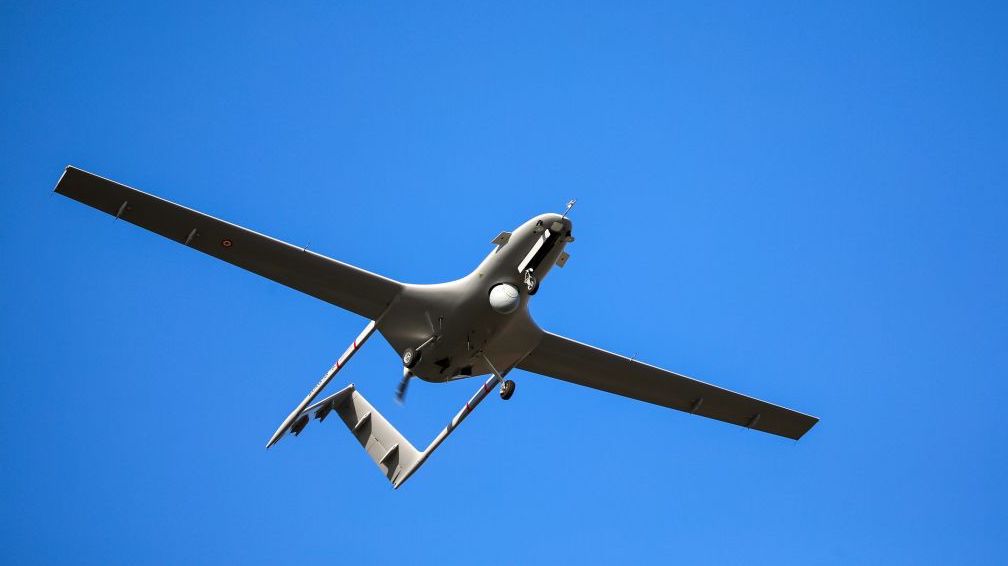
The fight for Syria’s skies: Turkey challenges Russia with new drone doctrine
In retaliation for an airstrike that killed 33 Turkish soldiers at the end of February, Ankara launched “Operation Spring Shield” (OSS) against the Syrian regime and the pro-Iranian militias supporting it. Despite being unable to rely on its fleet of F-16s due to Russia’s control of the Syrian airspace over Idlib, Turkey managed to successfully wipe out a large portion of Assad’s army in the area within just a couple of days by making innovative use of drones.