Understanding EU-MENA relations: Current and changing dynamics
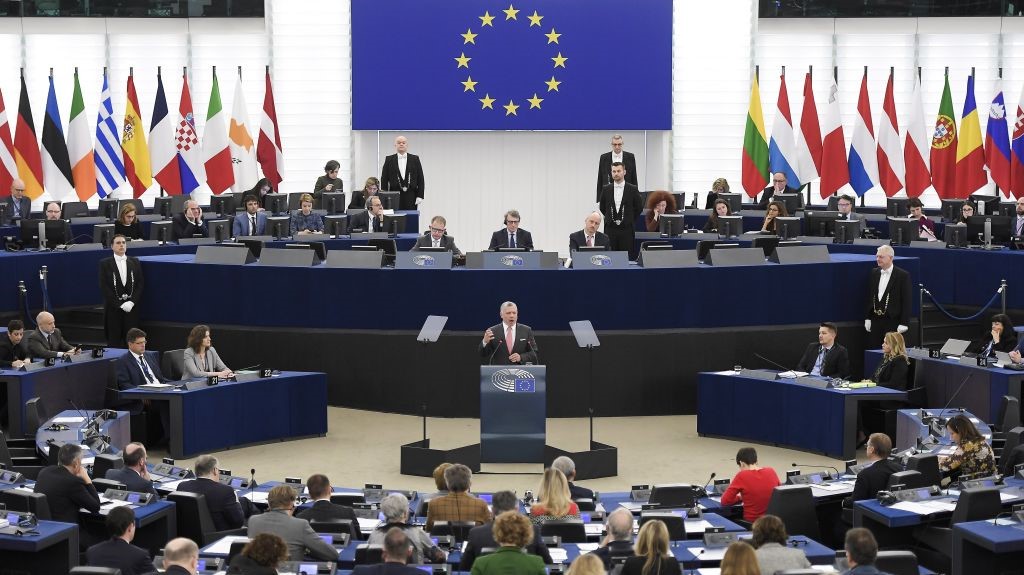
This year could mark a turning point in the European Union’s relations with the countries of the MENA region. If the EU is to realize the objectives laid out in its 2016 global foreign and security policy strategy and become a major world power, it has to be more proactive and creative, especially in the Middle East.
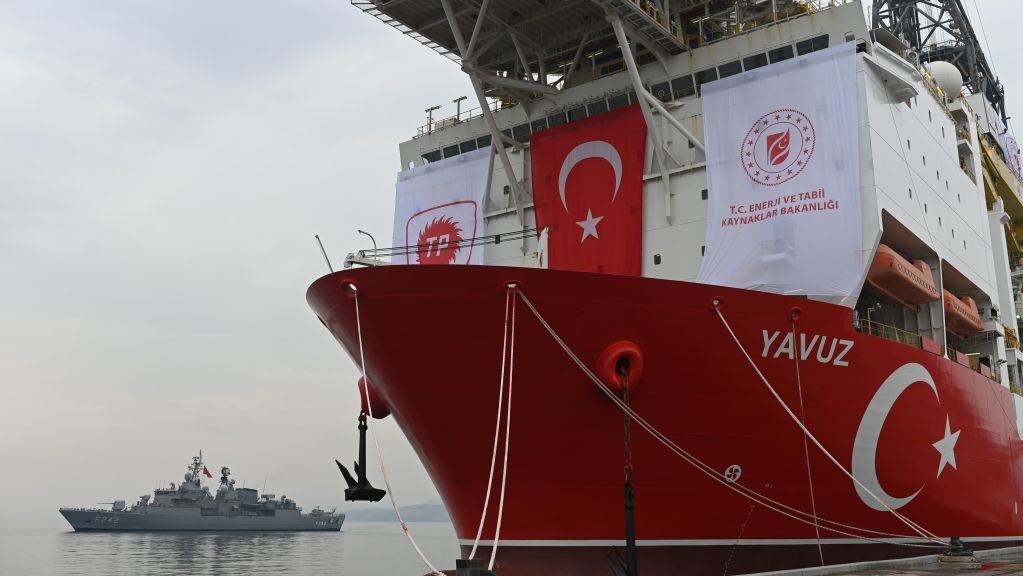
The eastern Mediterranean has become an increasingly important focus for Turkey’s foreign and security policy, but the interlocking of new issues like energy politics and sovereignty rights with old problems like Cyprus has created significant challenges for Ankara.
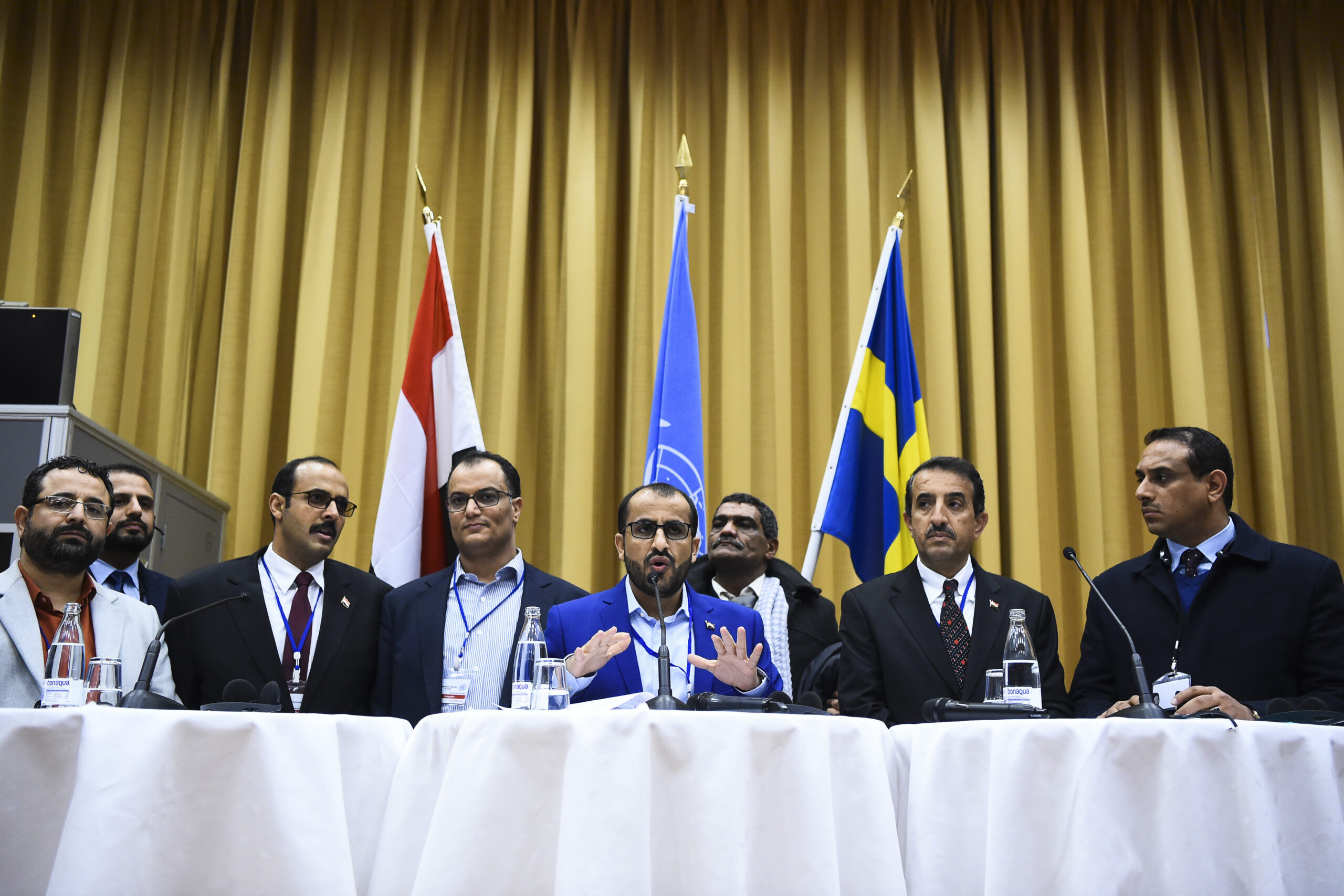
From Stockholm to Riyadh: Breaking the Yemen peace process deadlock
Over the past 14 months, there have been moments when it seemed like progress was being made toward de-escalation in Yemen, but there have also been significant setbacks as well. Peace efforts thus far have been largely fragmented and frail, and two primary lessons from the past failures have become clear.
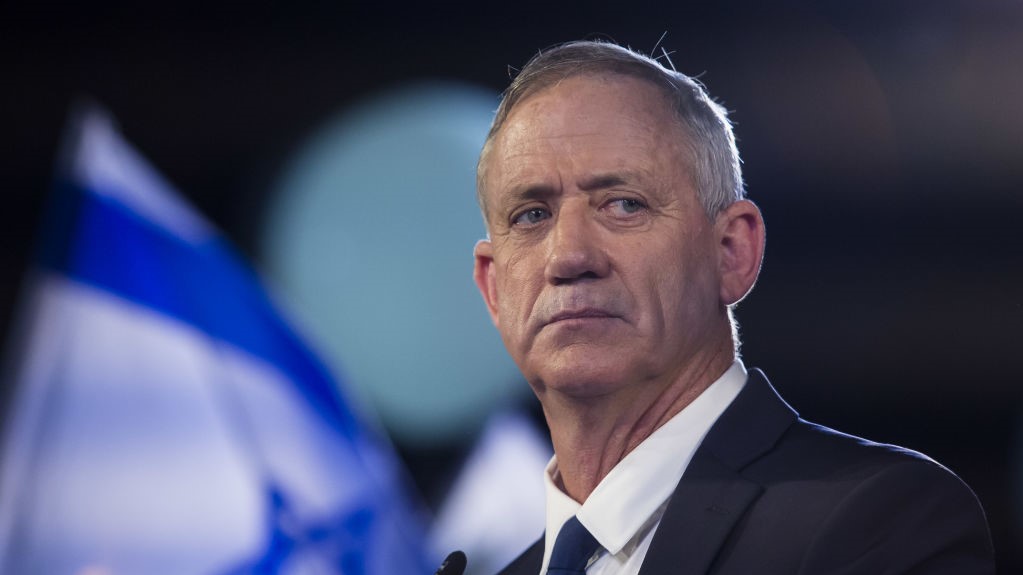
Iran targeted Israel’s April 2019 elections. Was it preparing for the US 2020 elections?
The April 2019 Israeli elections between incumbent Prime Minister Benjamin Netanyahu and his competitor Benny Gantz were fraught with tension even before external entities got involved. But when Israel’s internal security service, Shin Bet, revealed that suspected Iranian cyber actors had accessed Gantz’s mobile phone, there was yet another issue to contend with, albeit one not specific only to Israeli elections: interference.
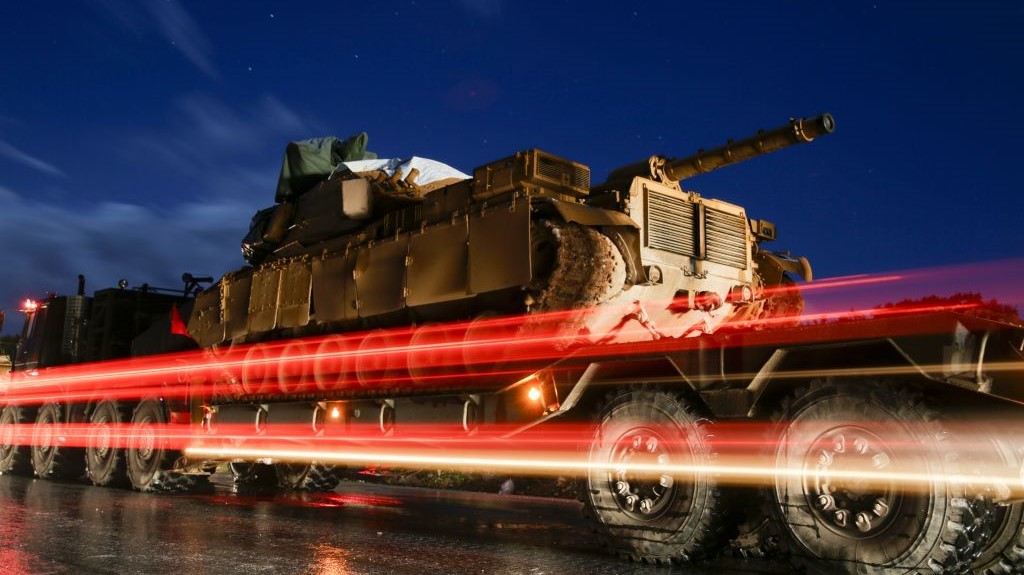
Turkey faces potential Russian blowback on Syria — and tomatoes are only the beginning
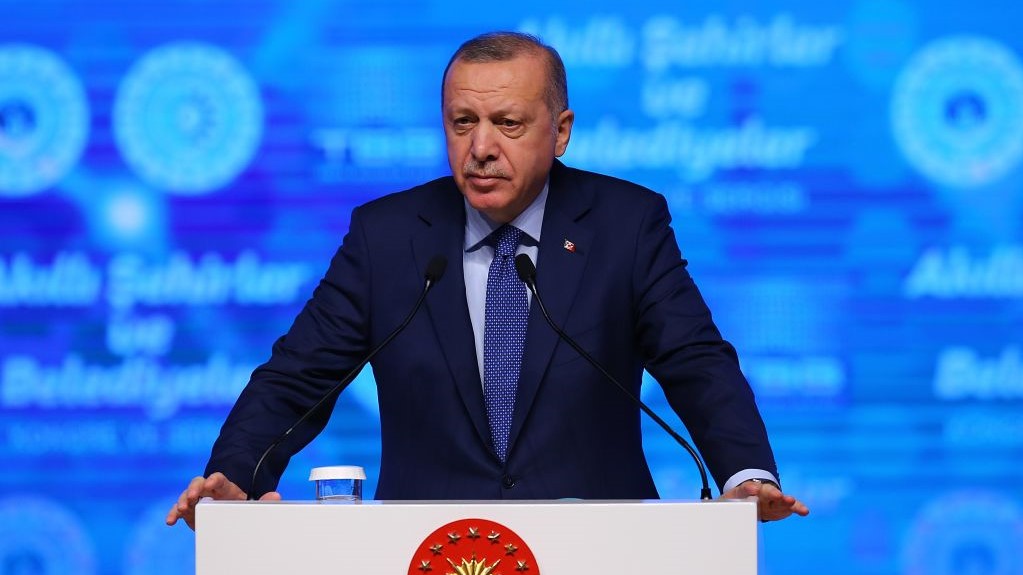
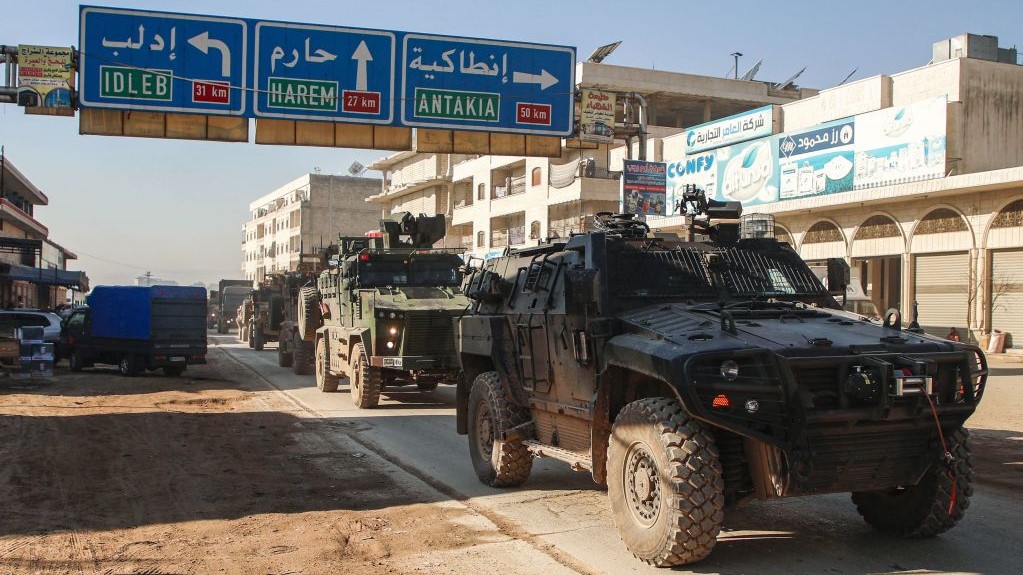
Turkish President Recep Tayyip Erdogan finds himself in a tough spot with Russia as tensions in Syria have escalated dramatically. In a rare direct military confrontation between Turkish and Syrian regime forces, 14 Turkish soldiers and over 100 regime troops were killed in two separate clashes in Idlib over the past 10 days.
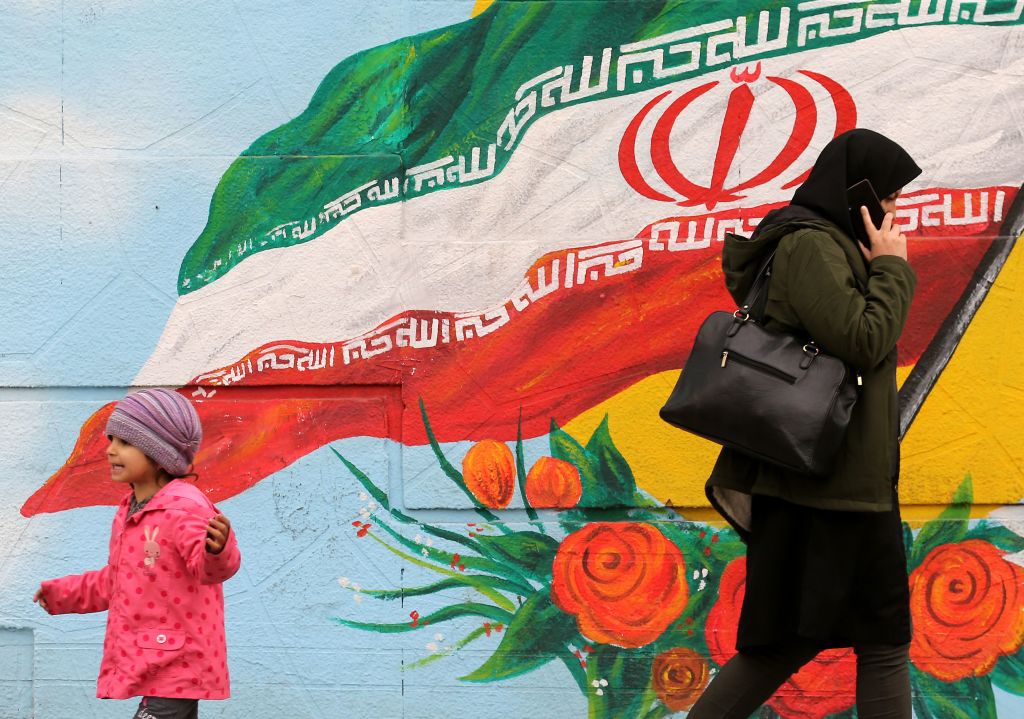
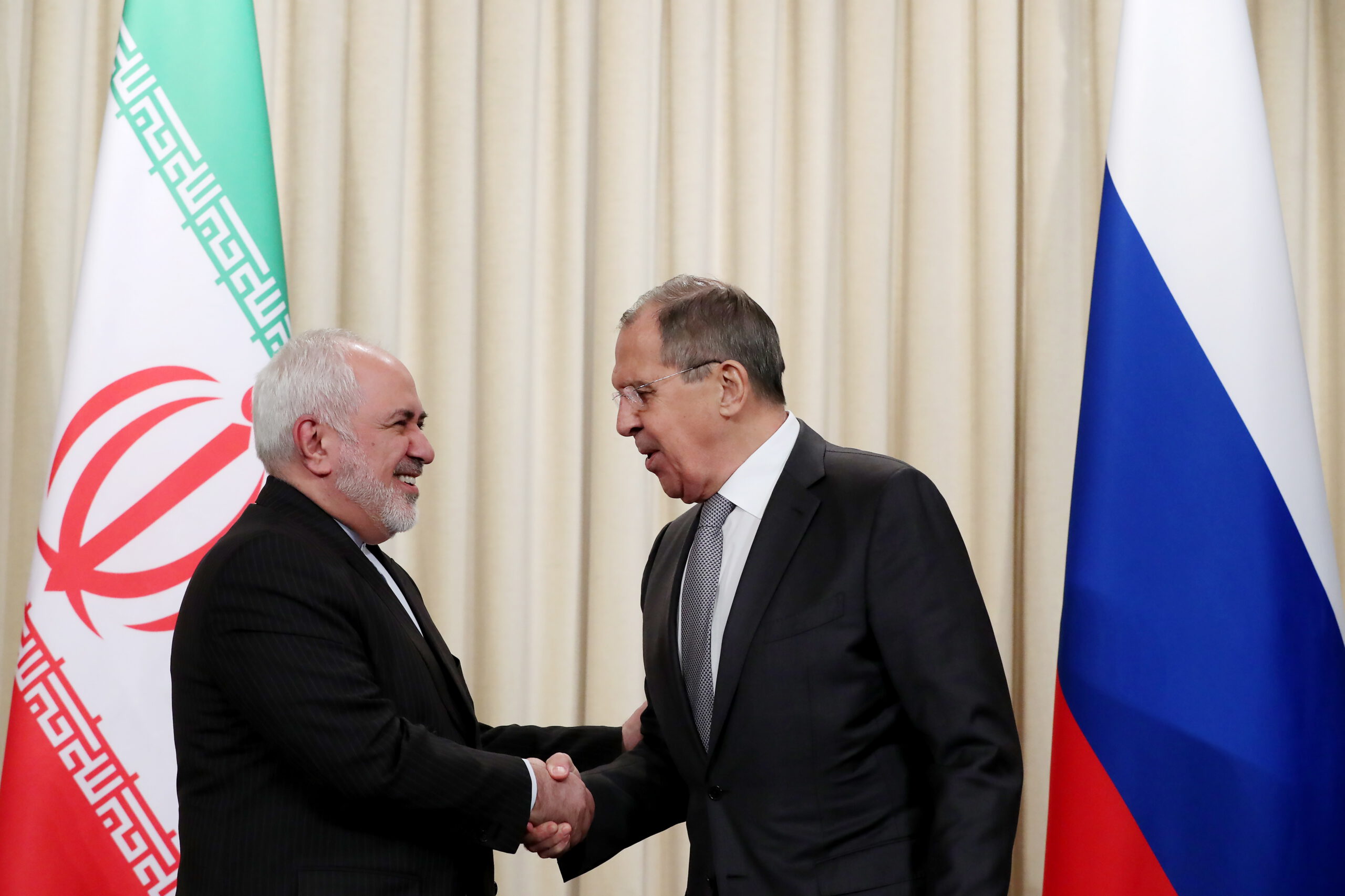
Iran-Russia ties: Never better but maybe not forever?
The relationship between Iran and Russia has been strengthened by the rising tensions between Tehran and Washington since Donald Trump took office, and there is no doubt that Iran views Russia as one of its closest allies. The Iranian foreign minister, Mohammad Javad Zarif, has traveled to Moscow some 28 times during his tenure, and has stated that relations between the two countries have never been better.
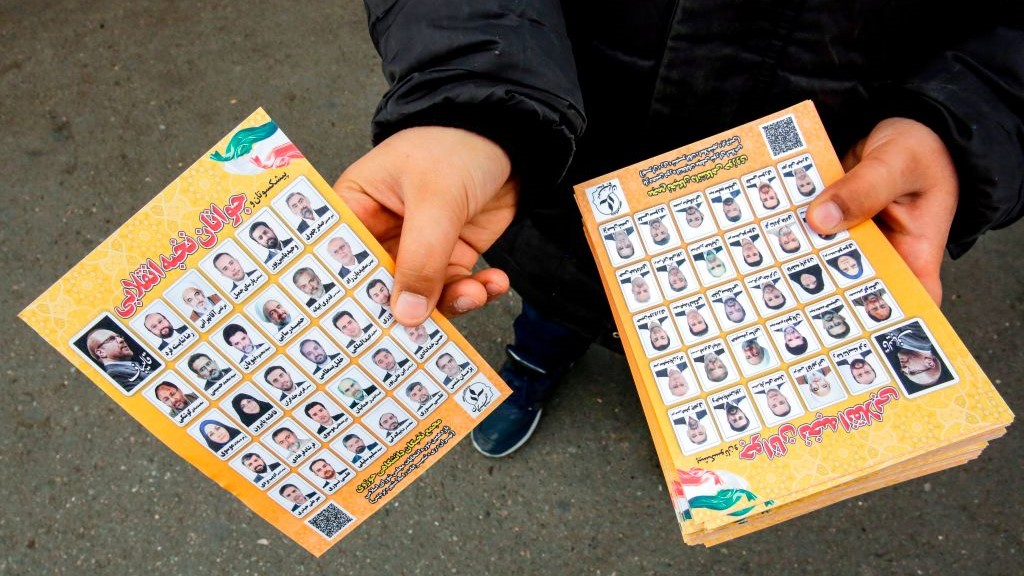
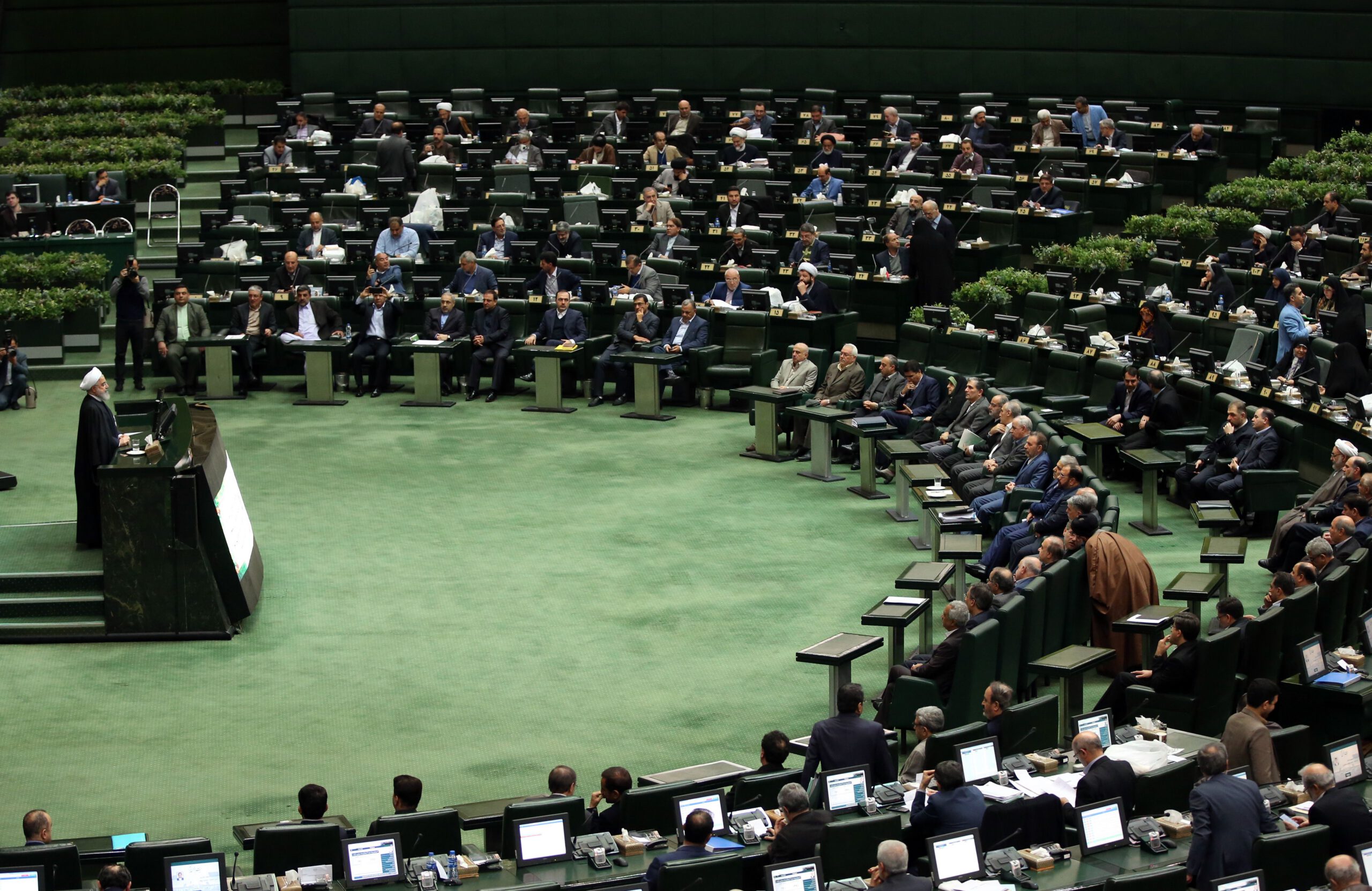
As Iran heads to the polls, could Rouhani be facing impeachment?
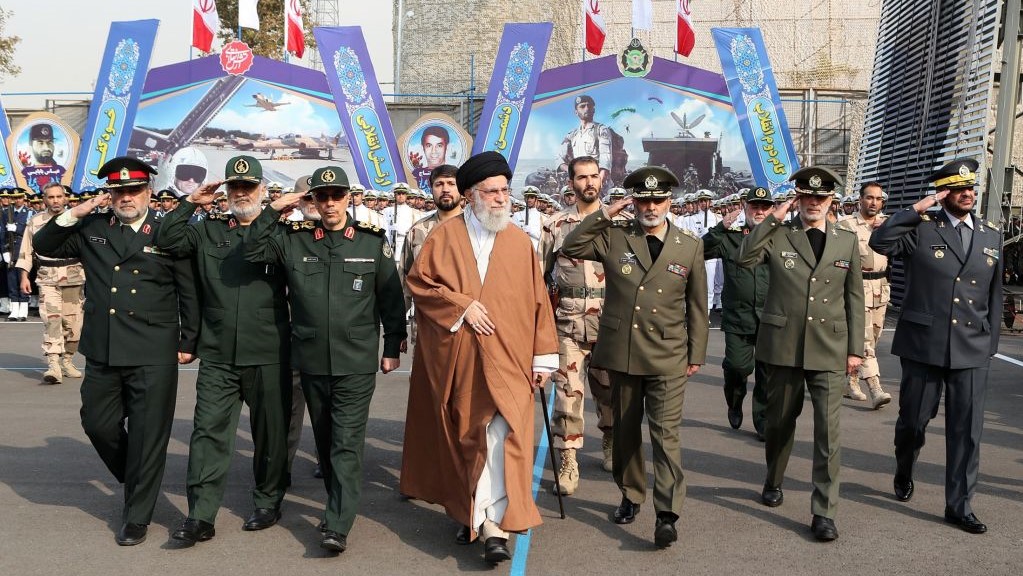
On Feb. 21, Iranians will be voting to elect a new Majlis, the country’s unicameral Parliament. Viewed from the outside, participating in the electoral system might seem futile. While the Iranian constitution recognizes popular will, as represented by an elected president and Parliament, the whole political system operates under the supreme leader, who, although appointed by an elected clerical body (the Assembly of Experts), is, in effect, answerable to no one. The Majlis does, however, have the power to remove the president — a fate that could potentially await President Hassan Rouhani if the conservatives win a majority in the upcoming elections.
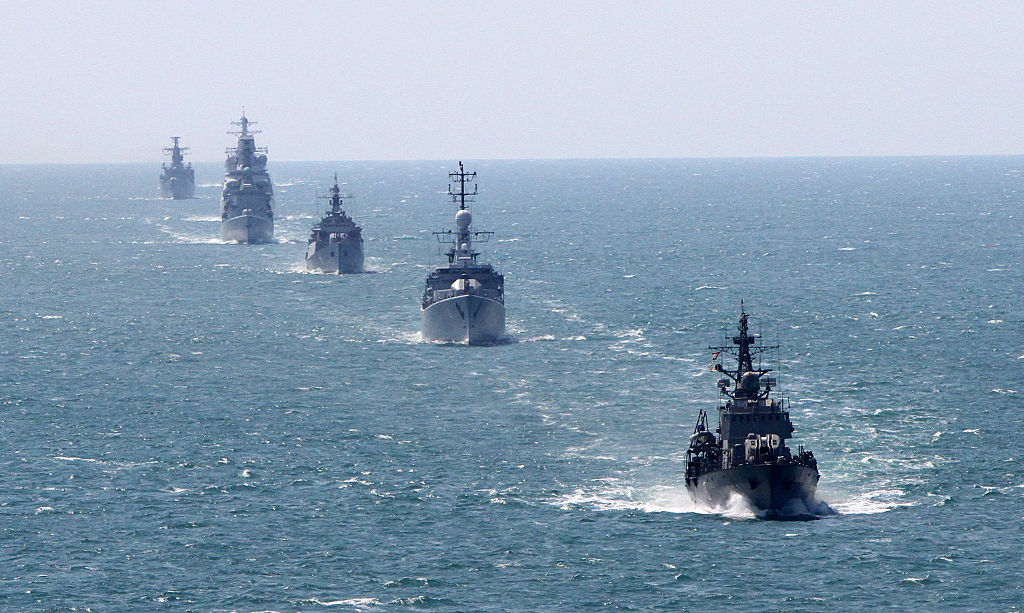
The Black Sea is a very important region for NATO, and has not received the attention it deserves; a separate focused NATO strategy and support for countries in the Black Sea would send a message that the Alliance takes the region seriously.
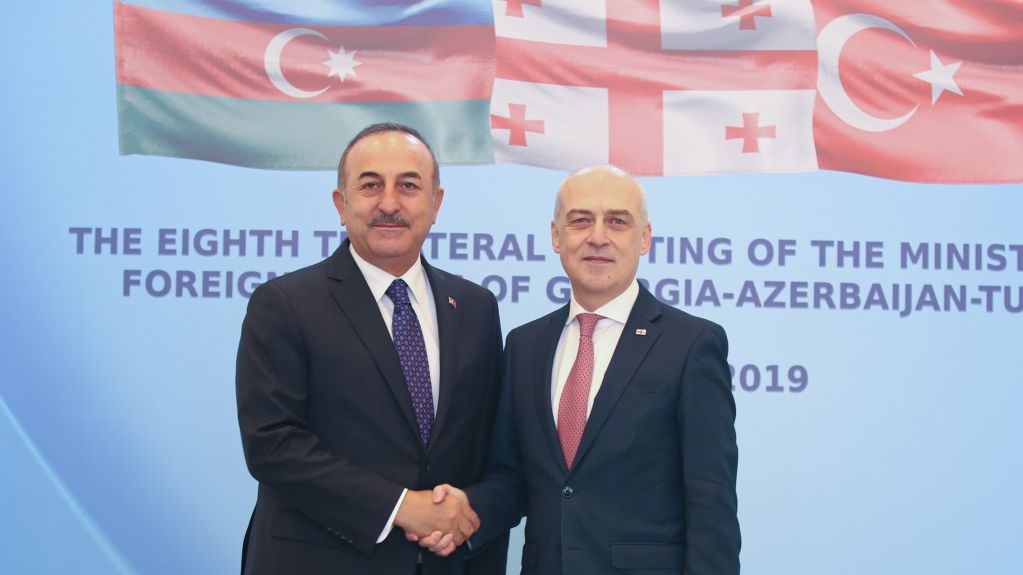
As Turkey-Russia ties warm, will Georgia be left out in the cold?
Turkey’s blossoming relationship with Russia has not only raised eyebrows in Washington and Western European capitals, it has also caused a great deal of discomfort in countries like Georgia that have borne the brunt of Russian aggression. A few recent scattered signals from Ankara, however, might comfort Turkey’s northeastern neighbor.
Turkey’s Parliamentary Purge and the HDP’s Dilemma
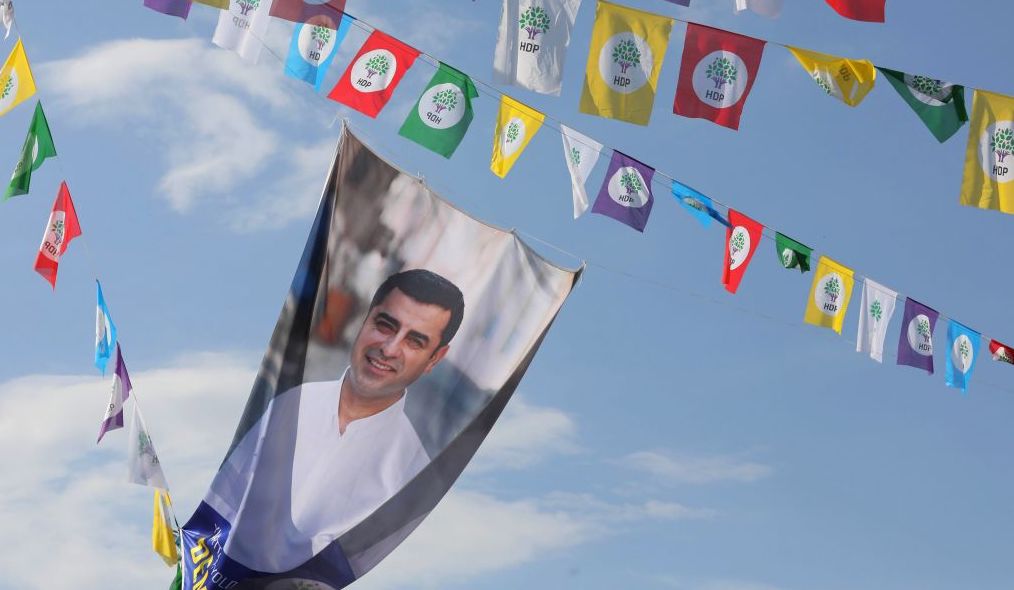
In 2016 the Turkish parliament voted to revoke parliamentary immunity and initiated the ruling Justice and Development Party’s (AKP) political purge of MPs with the Peoples’ Democratic Party (HDP). Despite the introduction of a new assembly in 2018, Turkey’s October invasion of northeast Syria provided ample incentives for the launch of new investigations into HDP members protesting the operation. The targeting of the HDP has set new legal and political precedents that could undermine the political capacity of the opposition coalition as a whole and create ideological divisions over the so-called “Kurdish Question.” This report records documented arrests of HDP MPs from June 2016 to January 2018 in order to identify prominent trends and waves of arrests that correspond to political and legal events.