ISIS strategy check: Rule out a U.S. war
This op-ed was first published in the New York Daily News.
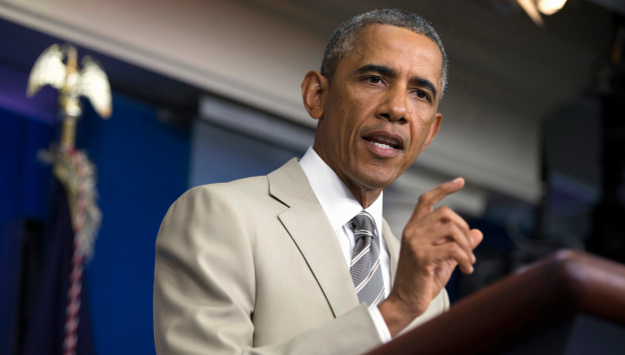
The United States might not have had a strategy for battling ISIS last week, but it does now. The NATO summit in Wales produced one. It reflects President Obama’s instincts and his ability to corral fractious allies.
It also says nothing about the use of force by the United States.
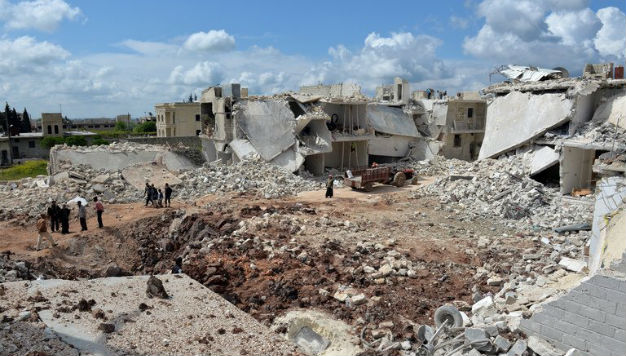
Extremist Groups in Syria
Three and a half years into the Syrian civil war, it is clear that any hopes that the overall insurgency against the Assad regime might develop in a more “mainstream” and “moderate” direction have dissipated.[1]
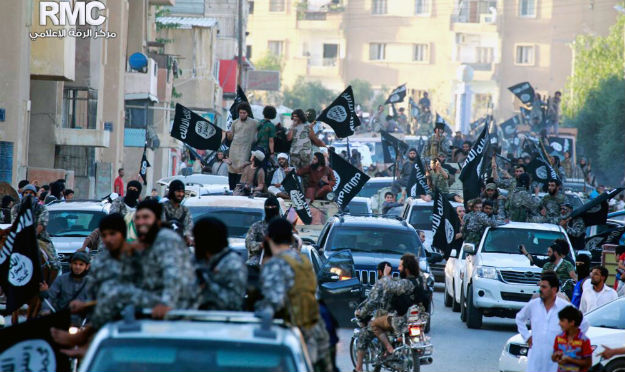
Obama Needs Both a Peace Plan and a War Plan
Last week, President Obama said that he has no strategy yet to confront the Islamic State (IS) in Syria. He was attempting to counter speculation about American bombing of IS targets there. It had been rumored that the President wanted to decide on a war plan by the end of the week.[1]
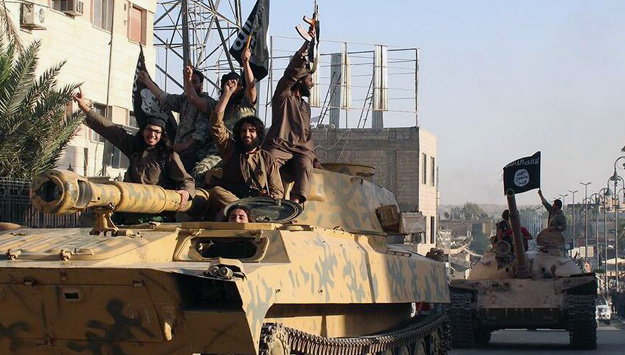
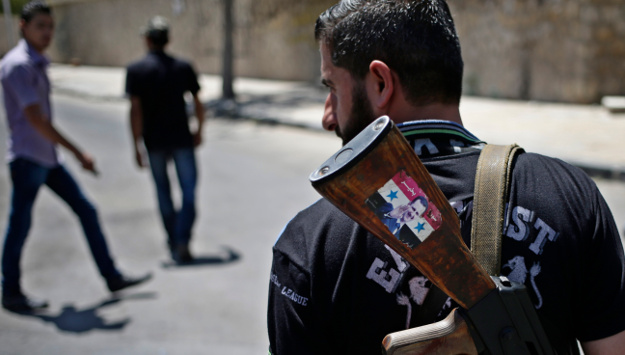
How U.S. can help Syria drive out ISIS
Read the full article on CNN.
American airstrikes might be needed in Syria, but that would not be the most important tactic for success, nor would more material aid to the rebels be sufficient to contain the Islamic State over the long term. As in Iraq, there has to be a political angle as well.
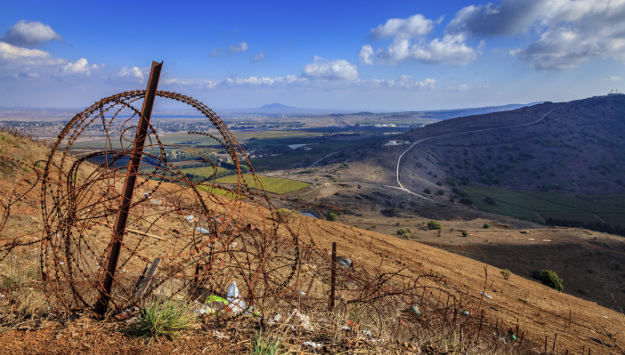
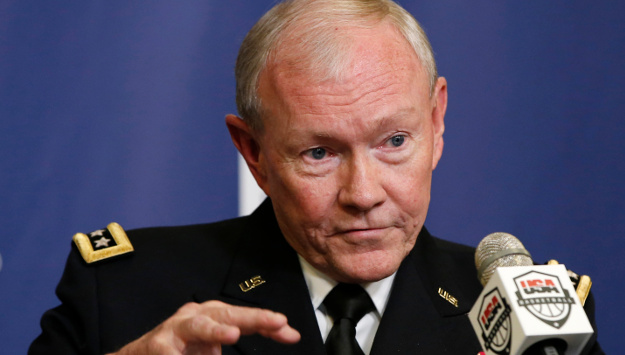
A Strategy Against the Islamic State
The outlines of a US strategy to roll back ISIS, or the ‘Islamic State’ as it styles itself, in Iraq have become relatively clear, even if success is uncertain.
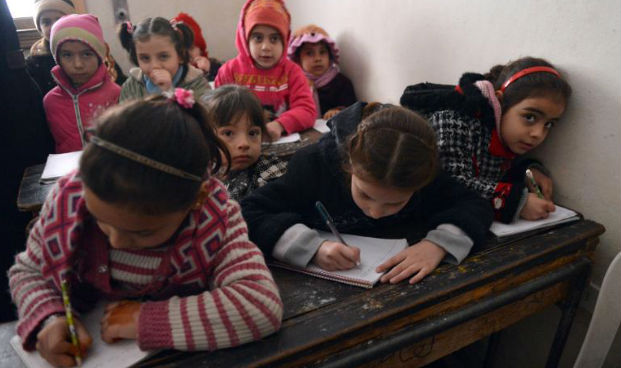
The Education of Syrian Refugee Children
If the future of a nation is built on the competencies learned by its children, then the future of Syria gives cause for great concern. Since the start of the civil war in Syria in 2011, at least 3 million children have been unable to go to school, the vast majority of them within Syria itself.[1] Interventions are urgently required to educate these children so that they can help rebuild Syria.
Years of Turmoil

Incorporating Cultural and Religious Practices into Transitional Justice: Lessons Related to Islam in Tunisia and Aceh, Indonesia
The Tunisian transitional justice has not drawn upon the Islamic tradition and would almost certainly not have been able to do so in a way that contributes to the ultimate success of transitional justice there. Why? This article will answer that question by focusing upon the circumstances of Tunisian transitional justice and by comparing them to the transitional justice process in Aceh, Indonesia, where Islamic practices were to some degree drawn upon. These case studies demonstrate that local cultural or religious practices must have widespread legitimacy and popular acceptance if they are to effectively contribute to transitional justice.
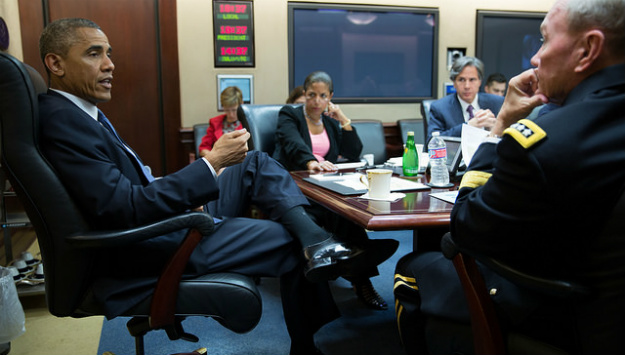
Obama Raises the Bar in Iraq
Paul Salem, MEI’s vice president for policy and research, examines President Obama’s decision to step up US intervention against the Islamic State (also known as ISIS) in Iraq, and what it implies for broader US policy in the region, in this Expert Q&A.
How do you read the import and impact of President Obama’s recent announcements of airstrikes and humanitarian intervention in Iraq?
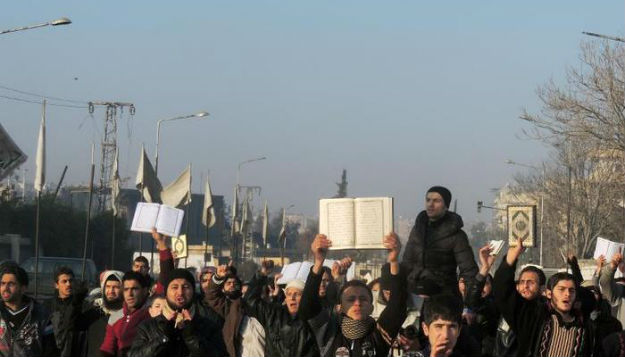
Not Our Kind of Caliph: Syrian Islamists and the Islamic State

The Future of Tunisia's Nidaa Tounes Party
When the Nidaa Tounes (“Call for Tunisia”) party was formally licensed in July 2012, it positioned itself as a “modern” alternative to the Islamist Ennahda party. Led by former interim prime minister Béji Caid Essebsi, Nidaa Tounes drew a wide range of people, including supporters of Tunisia’s Destourian (“Constitution”) movement, trade unionists, leftists, and independents, as well as former members of Zine el-Abidine Ben Ali’s Constitutional Democratic Rally (RCD) party.