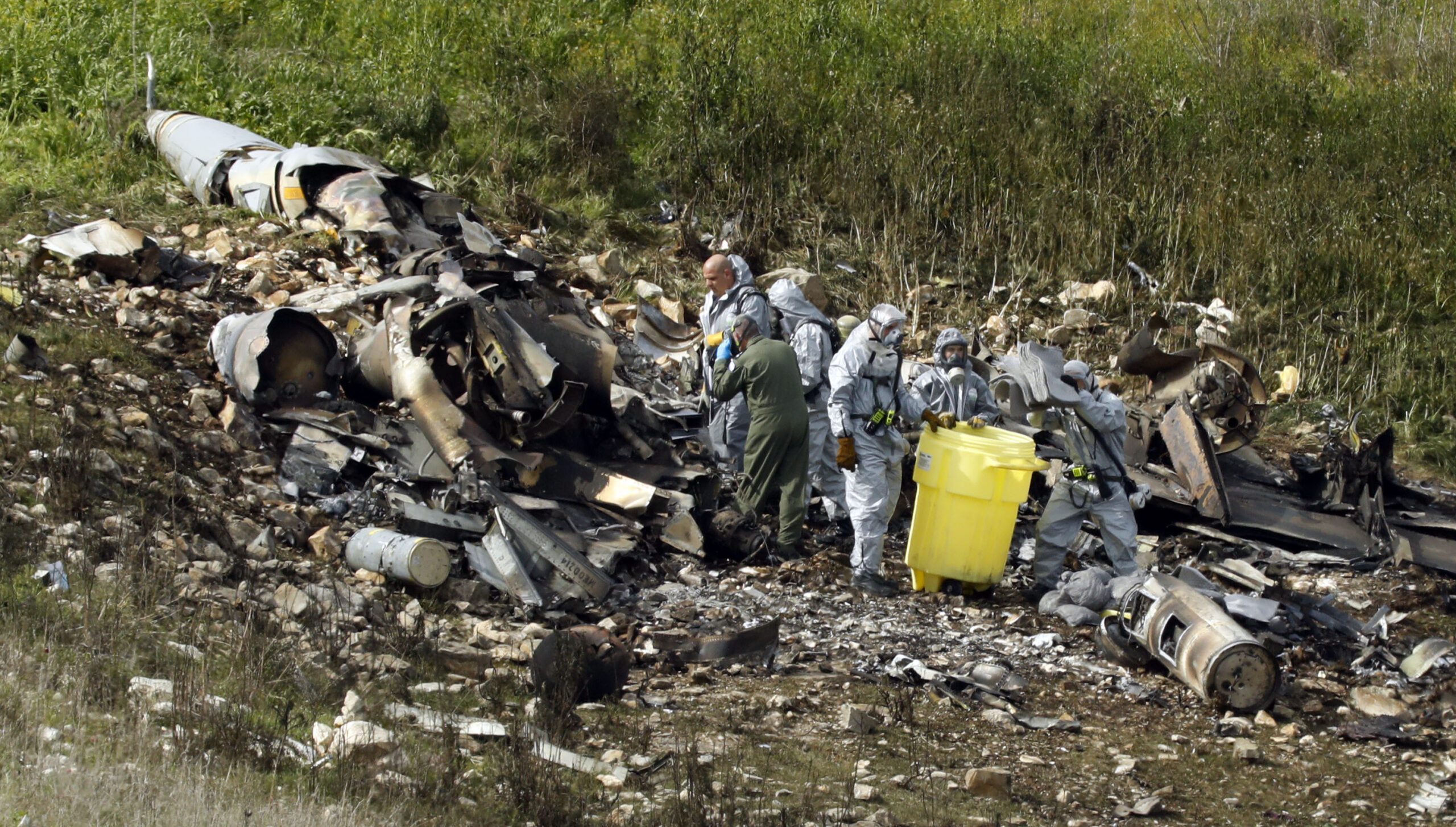
Monday Briefing: The Syrian-Iranian downing of an Israeli fighter jet
In this week’s Monday Briefing, MEI experts Charles Lister, Bilal Y. Saab, Eran Etzion, Gonul Tol, Paul Salem, and Randa Slim provide analysis on recent and upcoming events including the Syrian-Iranian downing of an Israeli fighter jet, the critical crossroads of U.S. and Turkey relations, Rex Tillerson’s upcoming visit to Lebanon, and Iraqi reconstruction plans.
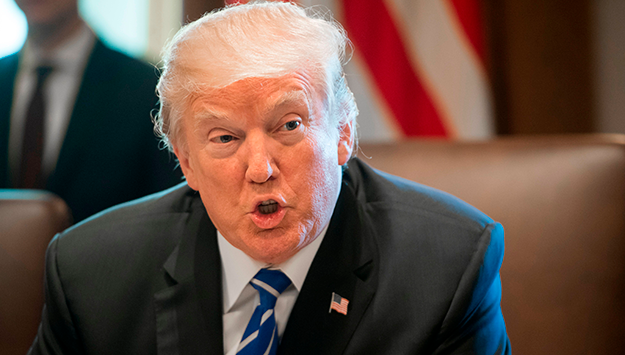
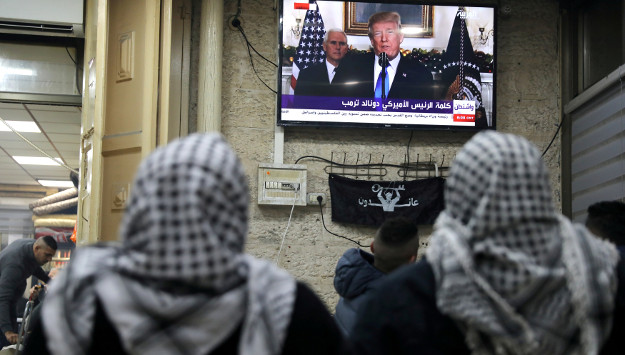
In the wake of his announcement to relocate the U.S. embassy in Israel to Jerusalem, President Trump has also vowed to cut funding to the United Nations Relief and Works Agency for Palestine Refugees (UNRWA) by 83 percent, in a stated effort to bring the Palestinian Authority to the negotiating table. International governments and NGOs swiftly condemned these funding cuts by the United States, citing the critical role UNRWA plays in promoting security and stability in the region through health, education, and assistance programs for Palestinian refugees.
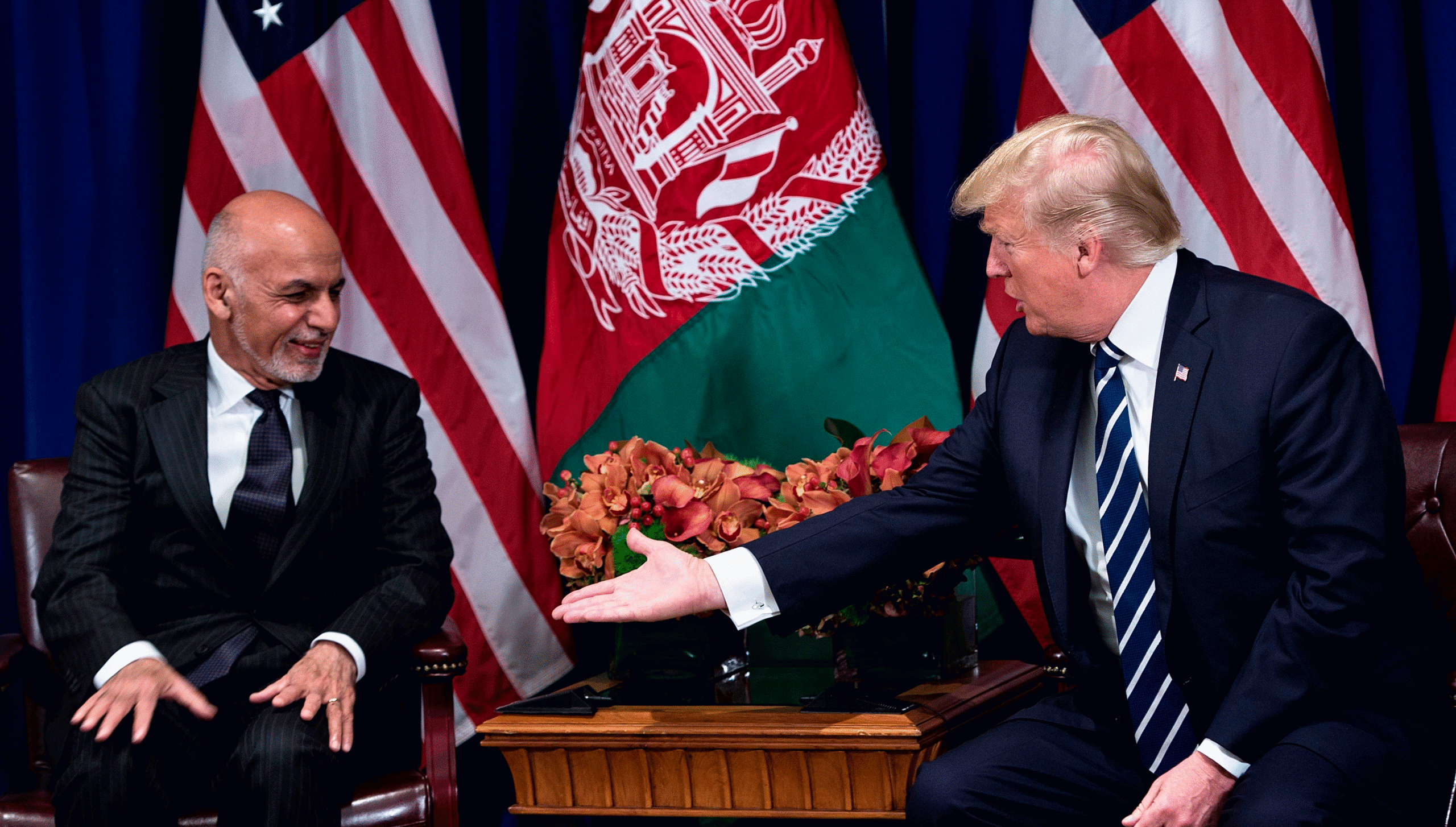
A series of devastating terror attacks orchestrated by the Afghan Taliban and the Haqqani network in the past two weeks have unnerved both the United States and Afghanistan. Visibly upset over the lack of success of his recently announced strategy on Afghanistan, President Donald Trump has declared that “We don’t want to talk to the Taliban.
In this week’s Monday Briefing, MEI experts Charles Lister, Bilal Y. Saab, Marvin G. Weinbaum, and Gonul Tol provide analysis on recent and upcoming events including the unrelenting violence in Syria, President Trump’s “Buy American” plan, the Taliban’s anti-U.S. propaganda, and Erdogan’s meeting with the Vatican.
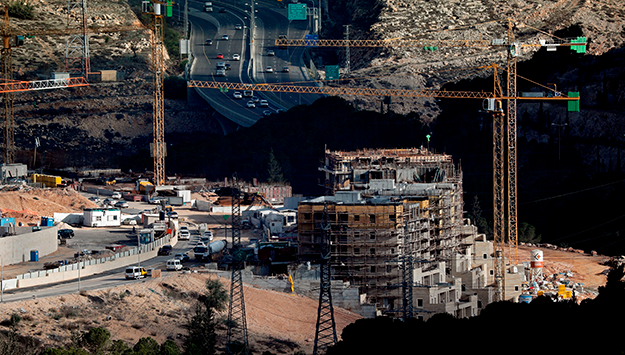
Donald Trump’s promise of “a deal of the century” to end the conflict between Israel and the Arabs is getting legs. After a year of discussions led by Trump’s son-in-law Jared Kushner, the main elements of the president’s design are coming into view. But it’s not exactly what the Palestinians want to see.
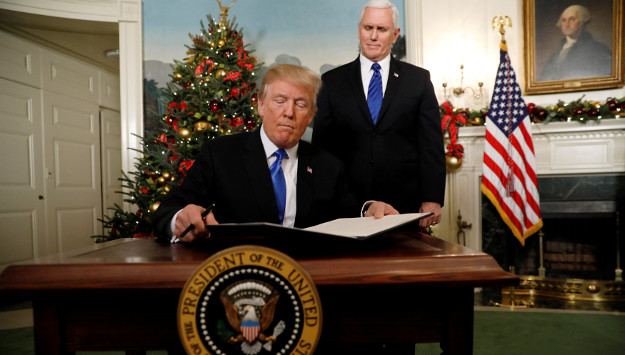
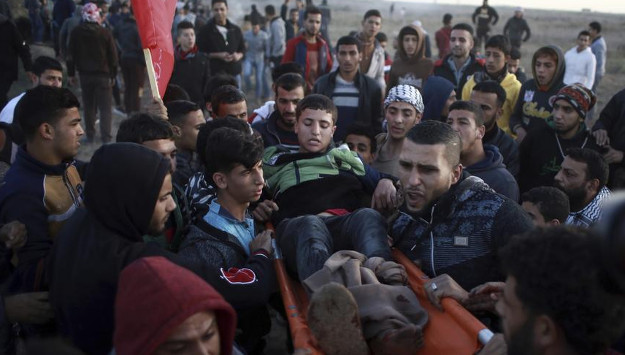
President Trump’s decision to recognize Jerusalem as Israel’s capital and to relocate the U.S. embassy there was met with Arab and international censure. The United Nations General Assembly voted 128 to 9, with 35 abstentions, for a resolution demanding that the United States rescind this declaration. Human rights groups decry the decision as a death knell for the two-state solution.
Trump will no longer waive U.S. nuclear sanctions on Iran | Weekly Briefing
In this week’s Monday Briefing, MEI experts Alex Vatanka, Charles Lister, Marvin G. Weinbaum, and Eran Etzion provide analysis on recent and upcoming events including President Trump’s statement that he will no longer waive U.S. nuclear sanctions on Iran, new developments in northern Syria, Pakistan’s response to the withdrawal of U.S. security assistance, and Benjamin Netanyahu’s trip to India.
The Multiple Sorrows of Trump’s Jerusalem Announcement | Monday Briefing
In this week’s Monday Briefing, MEI experts Paul Salem, Charles Lister, and Gonul Tol provide analysis on the international fallout from President Trump’s Jerusalem announcement and Russian President Vladimir Putin’s visit to Syria and then to Turkey to discuss Syria, Jerusalem, and energy matters.
The commander of Iran’s elite Quds Force today called leaders of Palestinian “resistance groups” to pledge Iran’s “all-out support” for them in their armed struggle against Israel,
Recognizing Jerusalem as Israel's Capital Carries Enormous Risk
President Donald Trump’s decision to recognize Jerusalem as the capital of Israel is a major policy shift that carries enormous risk. Warnings from Arab and European allies of the “explosive” consequences of the move aptly reflect the fragile dynamics in the region and the sensitivity of the question of Jerusalem to millions worldwide.
After ISIS, Fatemiyoun Vows to Fight with “Axis of Resistance” to Destroy Israel
With ISIS militarily defeated in Syria and Iraq, the Fatemiyoun Division, an all-Afghan Afghan Shiite militia group fighting in Syria, says its fighters will join the Lebanese Hezbollah and Iranian-sponsored Iraqi militia groups to fight Israel next.
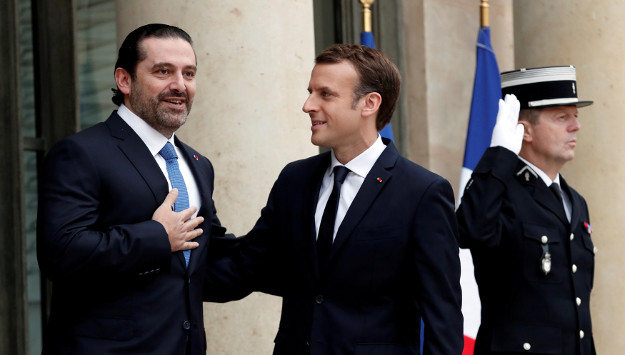
France and Egypt Try to Moderate Saudi-Iran Escalation | Monday Briefing
In this week’s Monday Briefing, MEI experts Paul Salem, Alex Vatanka, Randa Slim, Marvin G. Weinbaum, and Eran Etzion provide analysis on recent and upcoming events including the Arab League meeting in Cairo to moderate the Saudi-Iran escalation, Iran’s view of the Sochi Summit as a turning point, Putin’s effort to reach an agreement on Syria before presidential elections, Afghanistan’s response to the increase of US troops on their ground, and the political upheaval in Israel as Netanyahu’s corruption case continues.
The war in Afghanistan has dragged on for 16 years, appearing to many Americans to have no end in sight or positive outcome. However, as Defense Secretary James Mattis recently testified, “Violence and progress in Afghanistan continue to coexist.” What is that progress, and what does it mean for Afghans themselves? Saad Mohseni, chairman and CEO of Moby Media Group, and Ahmad Majidyar, director of MEI’s IranObserved project, join host Paul Salem to discuss the positive changes taking place in the country.
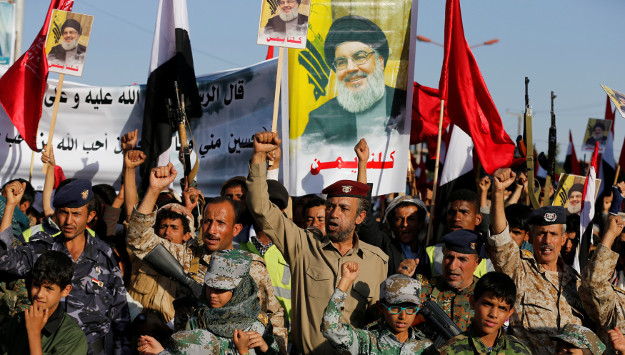
The Lebanon Crisis Pivots on Hezbollah’s Presence in Yemen | Monday Briefing
In this week’s Monday Briefing, contributors Paul Salem, Eran Etzion, Alex Vatanka, and Bilal Saab provide analysis on recent and upcoming events including the rising tension between Saudi Arabia and Lebanon over Hezbollah’s presence in Yemen, rumors that an Israeli attack on Lebanon is imminent, the Saudis’ latest attempt to round up collective action against Iran, and the new phase in the Saudi-Iran proxy war following the recent explosion of a pipeline in Bahrain.