Understanding the Fatemiyoun Division: Life Through the Eyes of a Militia Member
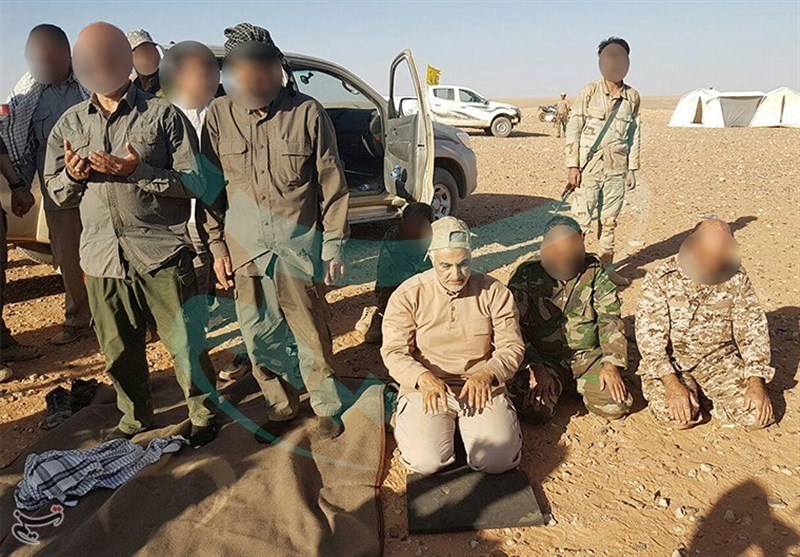
Approximately 10,000-20,000 Afghan men, mostly from the Hazara ethnic group, have fought in Syria in support of the government of President Bashar al-Assad. Organized by Iran and led by the Islamic Revolutionary Guard Corps and other affiliated groups, they have gathered under the banner of the so-called “Fatemiyoun” Division. This is the story of one of those men, Mohammed Jalil Dinsta, told through selections from his writings, alongside relevant analysis.
Is Trump’s “Deal of the Century” really a peace plan?
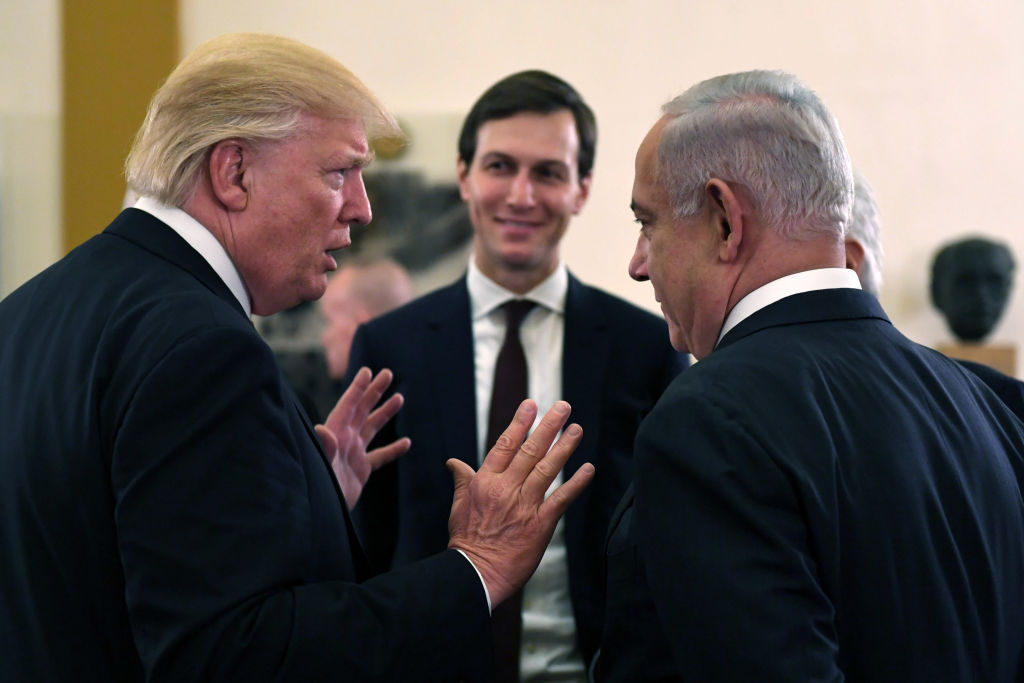
The Trump administration is preparing to present the “Deal of the Century,” proposing an outline for an Israeli-Palestinian agreement. Very little is known about the plan so far. However, it is important to discuss the context and the conditions under which it has been formulated, and to highlight some basic elements that are required for a third party to promote a peace plan — which are absent in this case.
Forgotten Lives: Life Under Regime Rule in East Ghouta
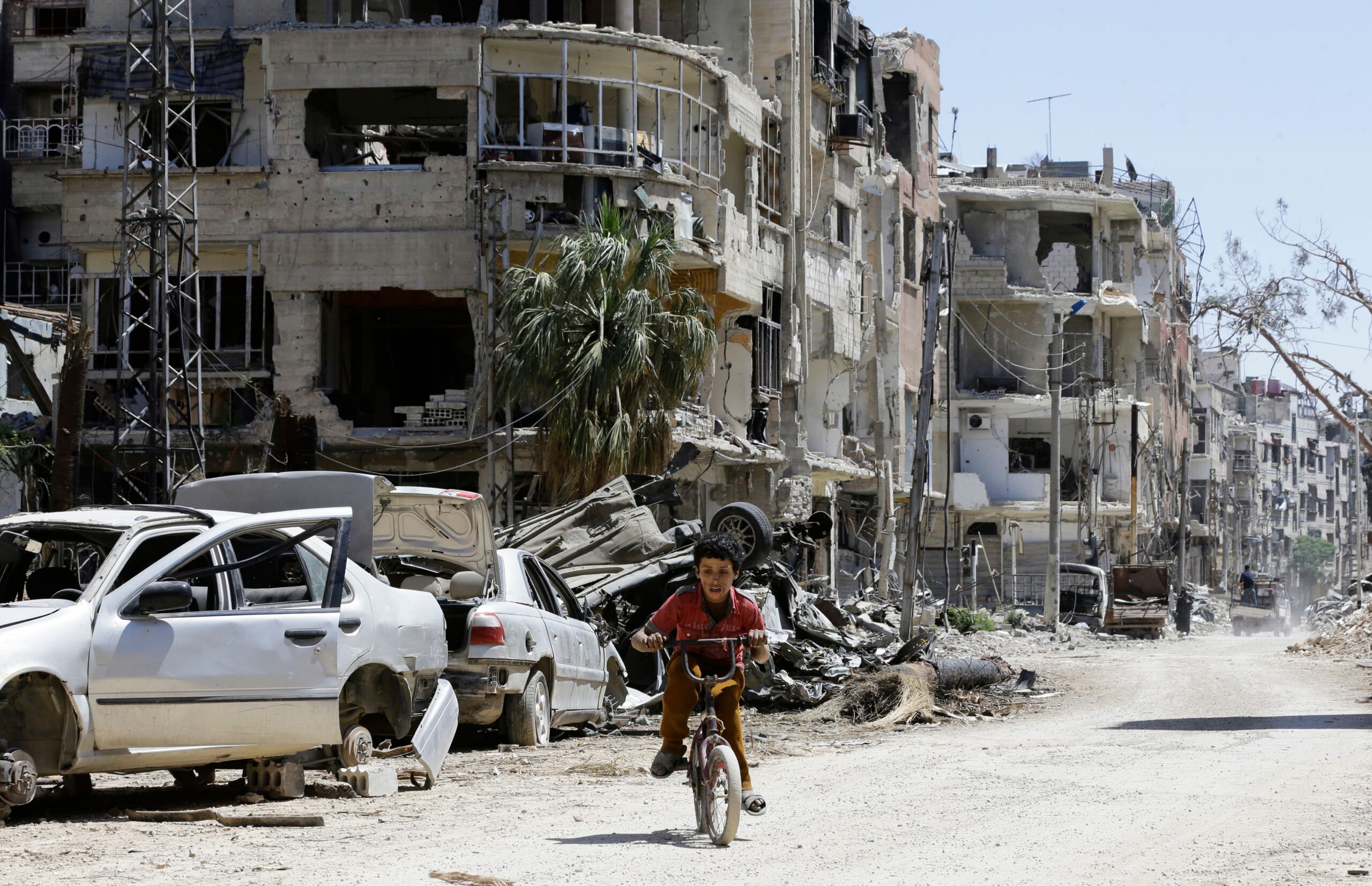
A “black hole” of information, East Ghouta is a dark example of the reimposition of the Assad regime’s rule over a community once controlled by the opposition. This paper, produced in association with ETANA Syria, shines a light on what the regime’s military rule looks like on the ground and the resulting human rights violations against the population, and details the scale of the Iranian presence in key strategic locations around Damascus.
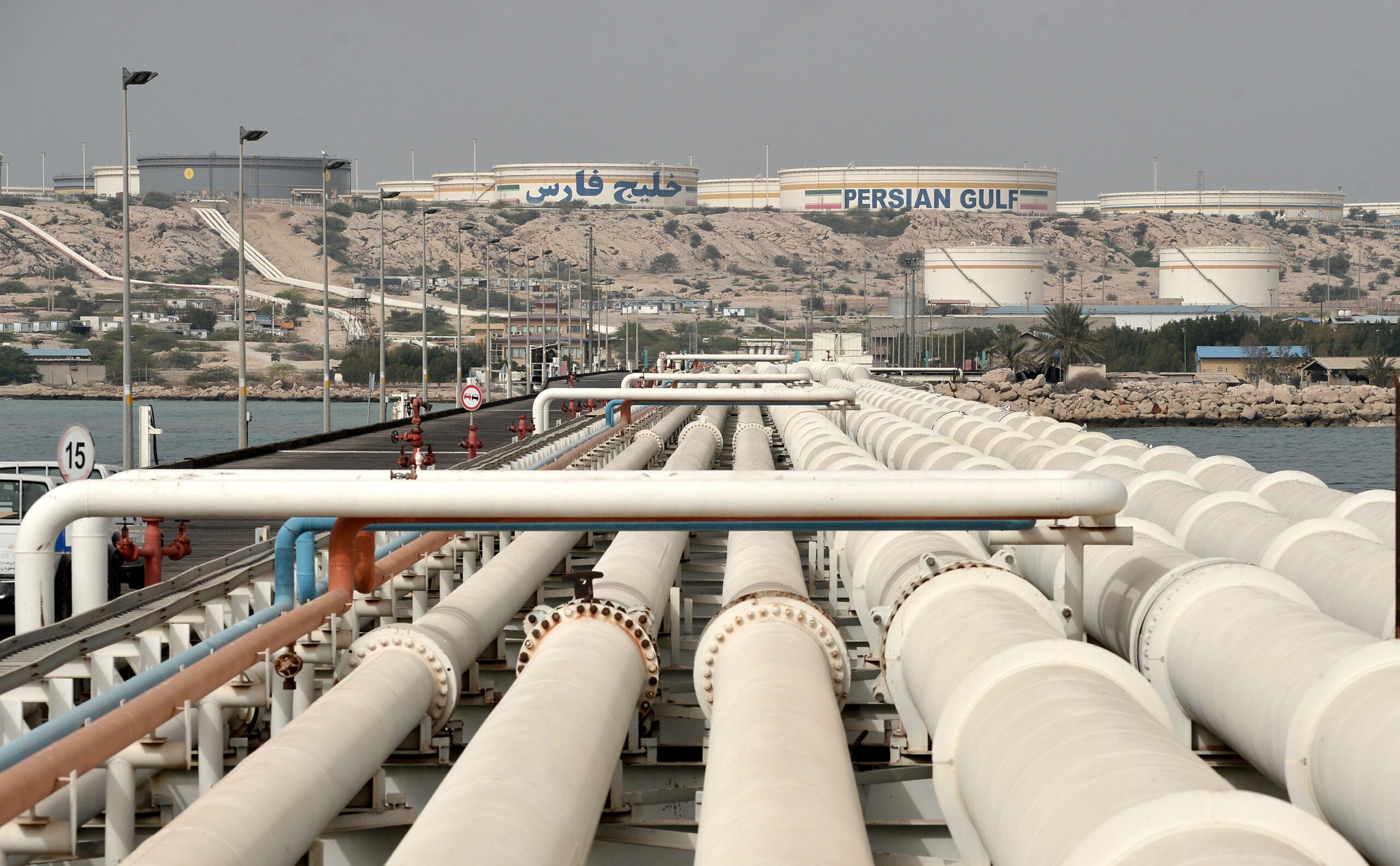
Monday Briefing: Ships sabotaged in the Gulf amid rising tensions with Iran
In this week’s Monday Briefing, MEI experts Alex Vatanka, Robert S. Ford, Jonathan M. Winer, and Gonul Tol provide analysis on recent and upcoming events including the sabotage this weekend of four ships off the coast of the UAE, the recent escalation of fighting in northwestern Syria, efforts to negotiate a ceasefire in Libya, and mounting concerns about Turkey’s economic health.
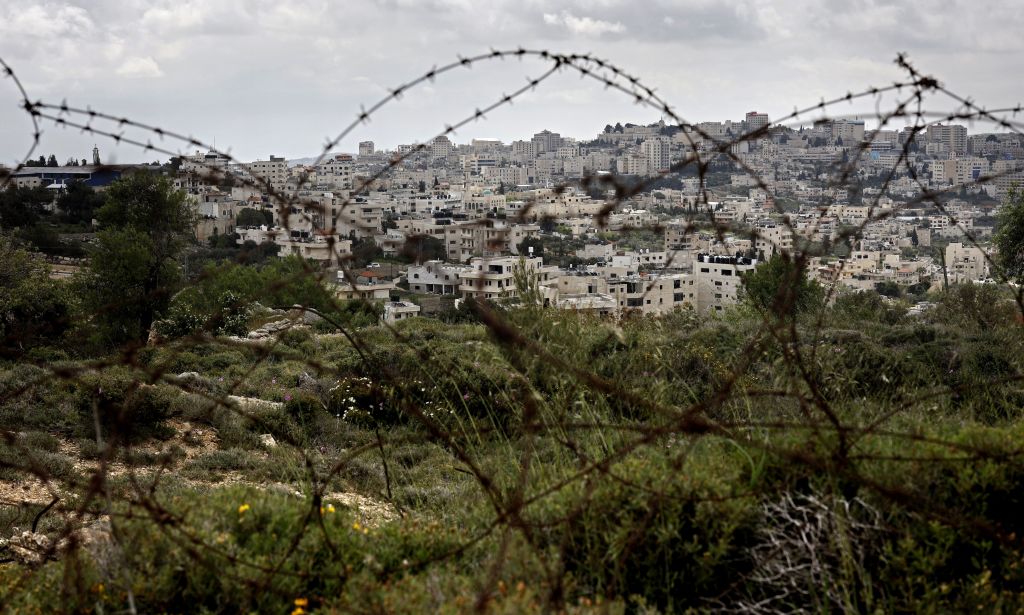
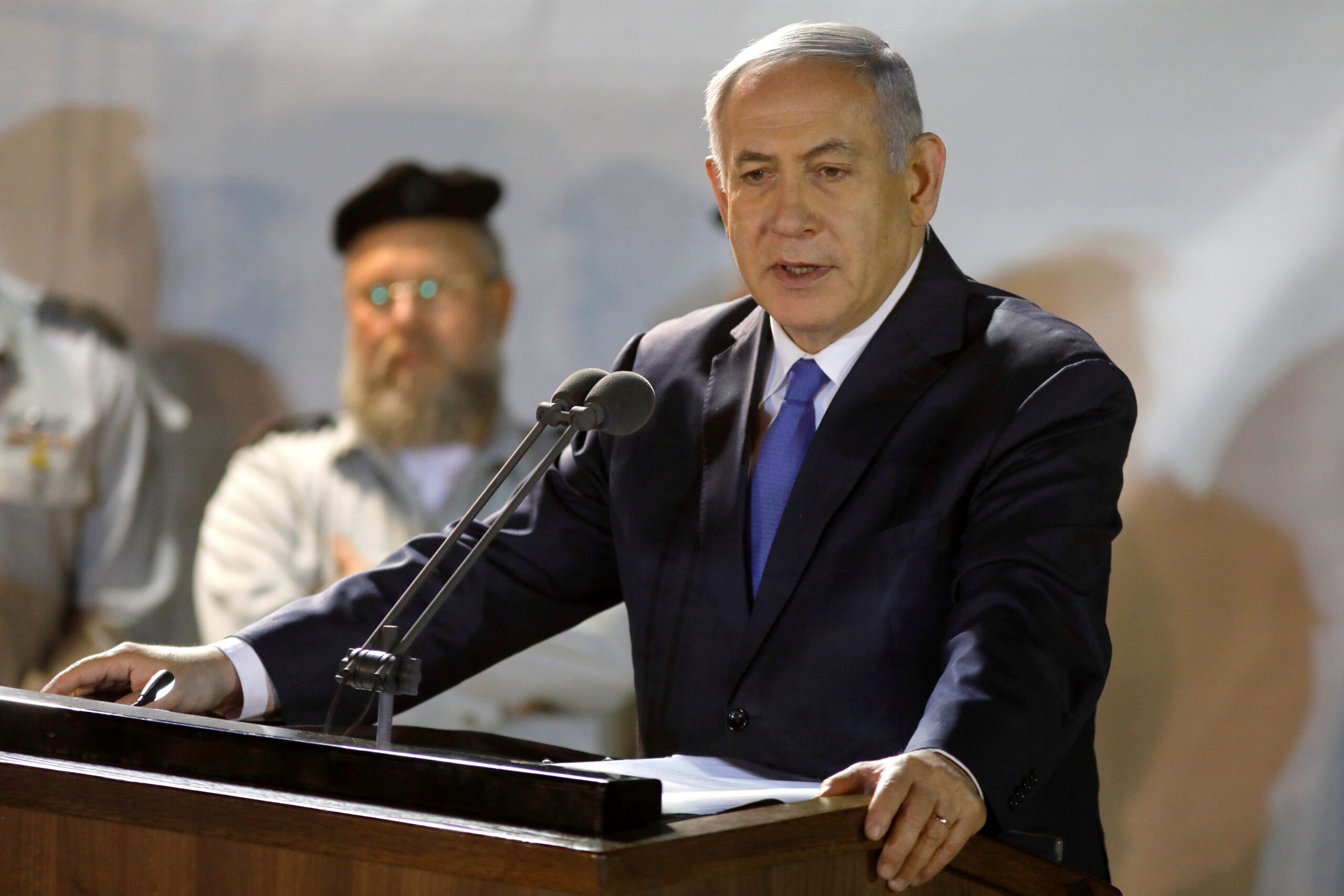
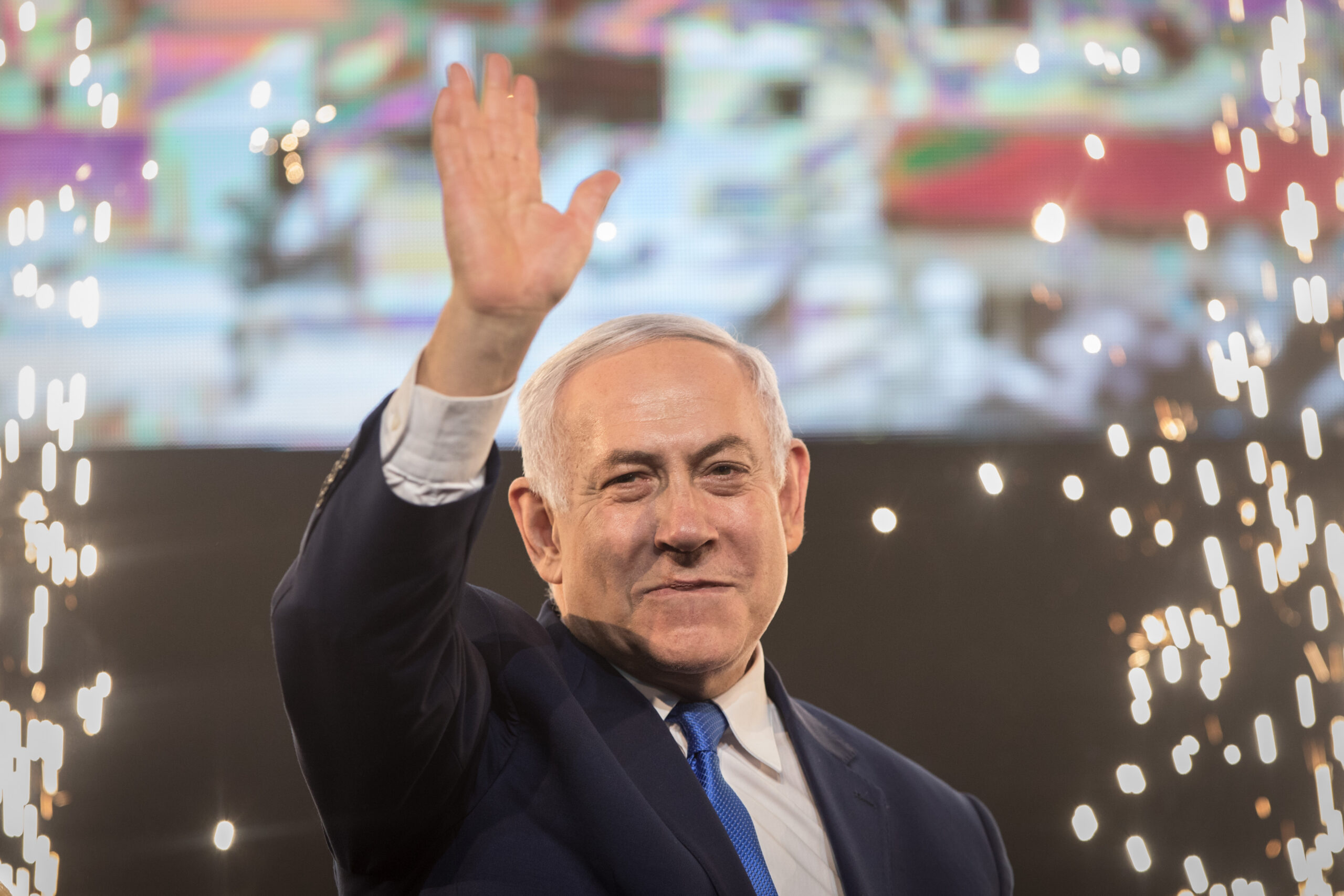
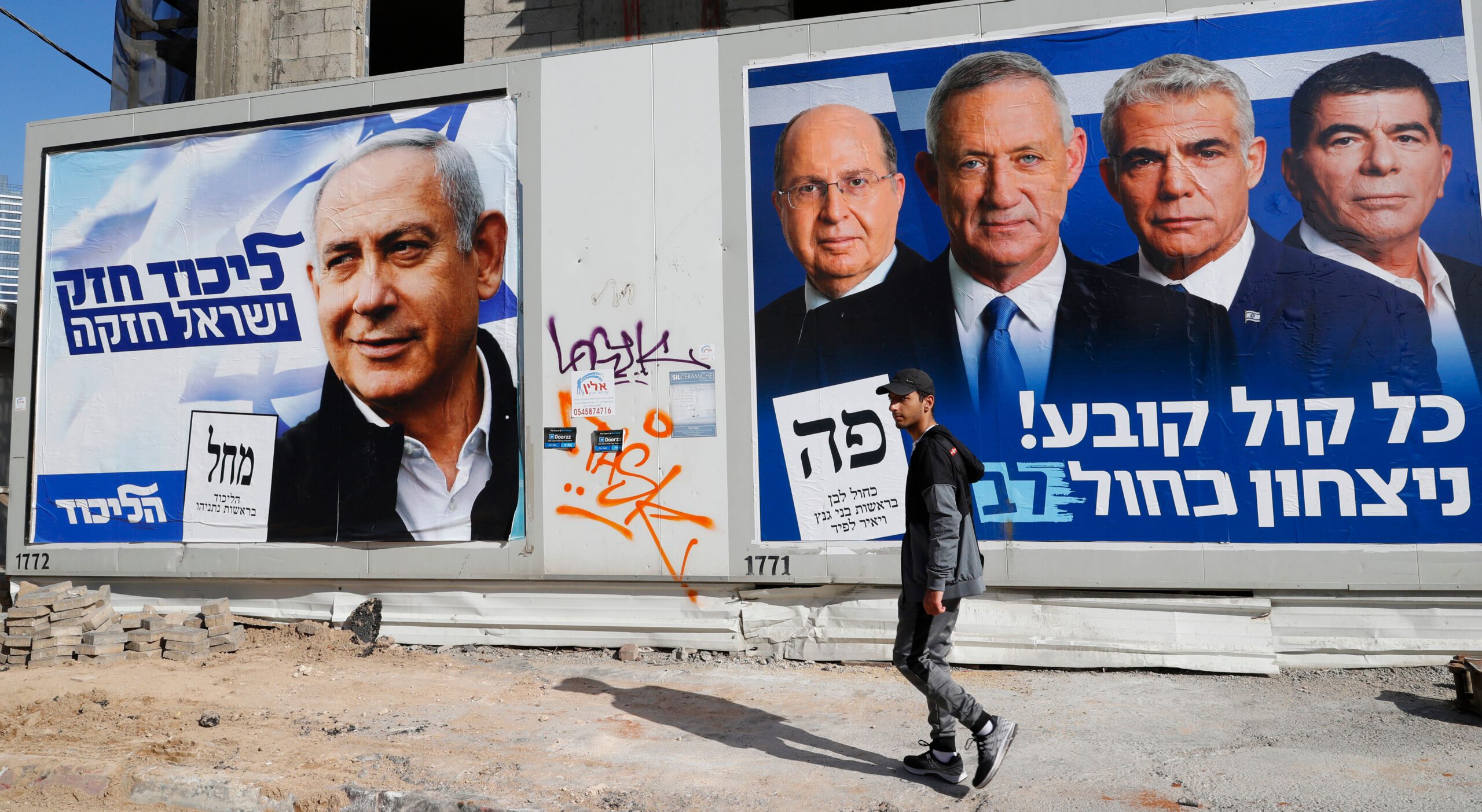
In the days before his recent election victory, Prime Minister Benjamin Netanyahu raised the prospect of Israel’s formal annexation of the West Bank settlement areas where close to half a million Israelis reside. For more than half a century Israeli governments of all parties and constellations have been enthusiastic partners in policies of occupation and settlement of territories conquered in the Arab-Israeli war of 1967.
Following a brief lull on the Israel-Syria front earlier this year, Tel Aviv has once again resorted to striking Iranian assets to its north. While a direct confrontation between the IDF and Syrian forces seems unlikely, the path forward for Israel and Syria is unclear.
Monday Briefing: Conflict is far from over in Syria
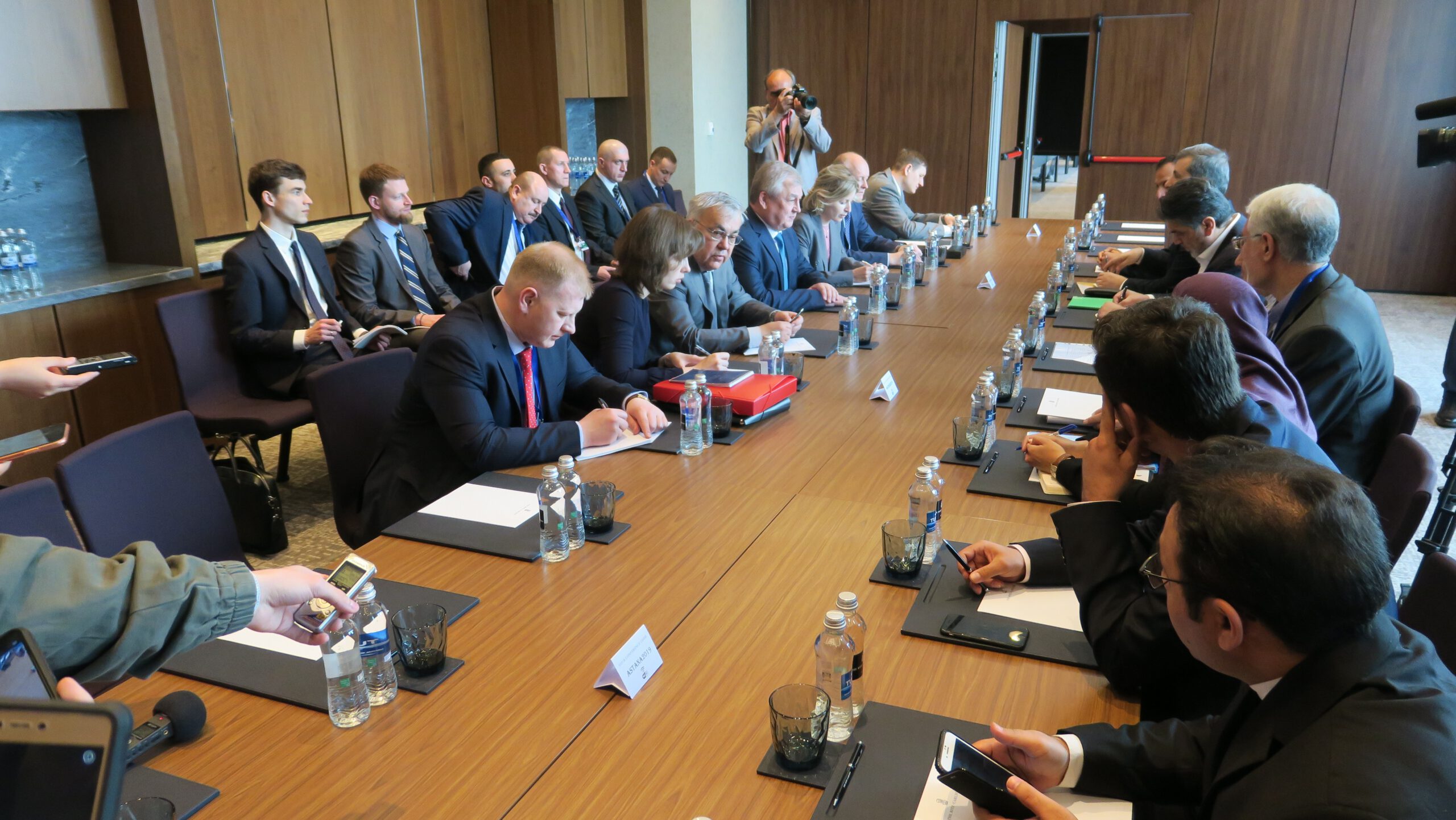
In this week’s Monday Briefing, contributors Charles Lister, Gerald Feierstein, Ruba Husari, Guney Yildiz, Mirette F. Mabrouk, and John Calabrese provide analysis on recent and upcoming events including the failure of the twelfth rounds of Syria peace talks in Astana, negotiations over Yemen’s strategic port of Hodeida, a new report on Iraq’s oil production potential, ongoing US-Turkey talks about a buffer zone in Syria, Egypt’s recently passed constitutional amendments, and Beijing’s second Belt and Road Forum.
The Syrian Civil War: A New Stage, but Is It the Final One?
Eight years on, the Syrian civil war is finally winding down. The government of Bashar al-Assad has largely won, but the cost has been steep. The economy is shattered, there are more than 5 million Syrian refugees abroad, and the government lacks the resources to rebuild. The country remains divided into three zones, each in the hands of a different group and supported by foreign forces. The Syrian government will not accept partition and is ultimately likely to reassert its control in the other two zones.
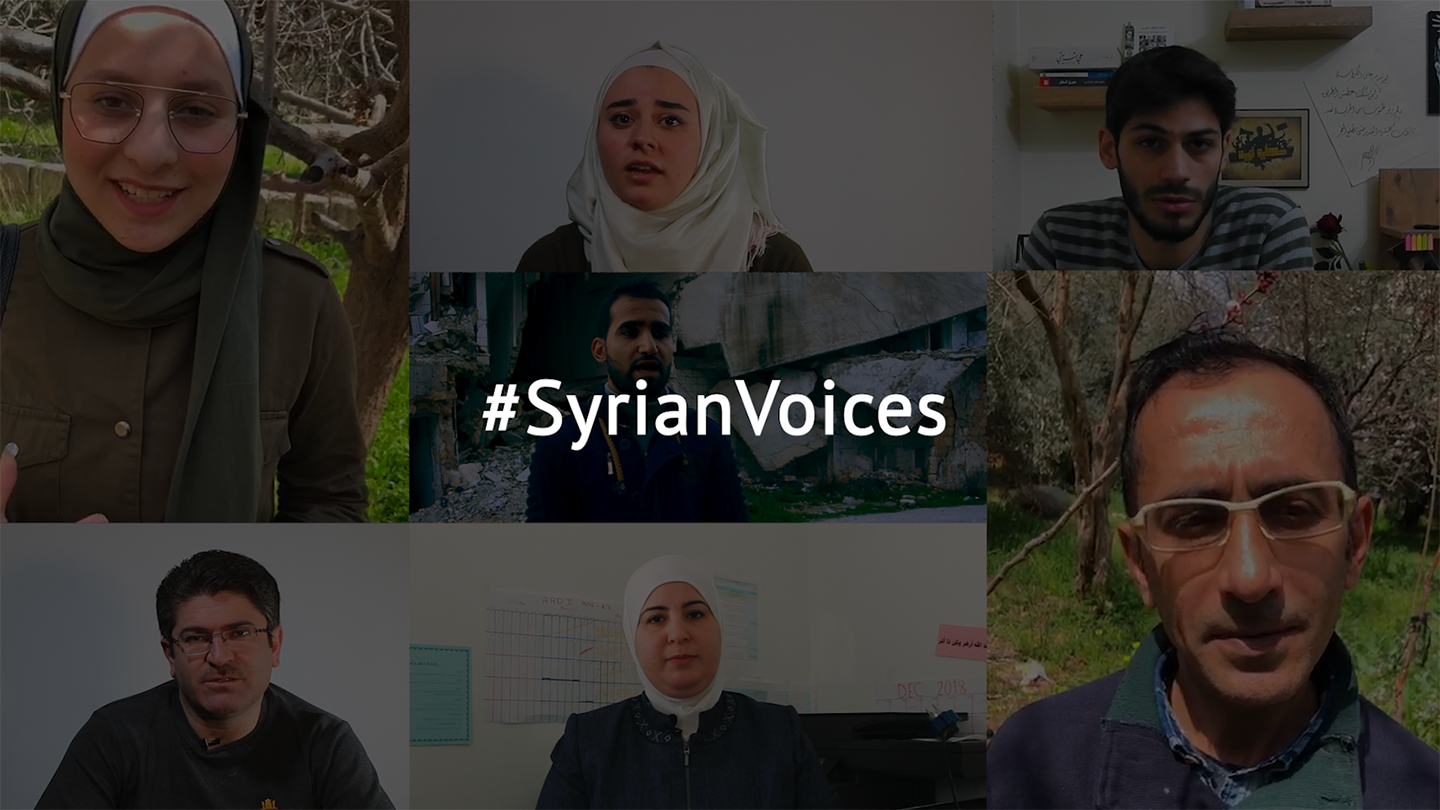
The Voices of Syria project is an undertaking by the Middle East Institute, in partnership with Syrian civil society, to better inform the general public and to guide policymakers toward a more holistic view of the situation in Syria by leveraging the voices of the unheard and their hopes and aspirations.
Monday Briefing: US and key partners on course for conflict over Iran oil waivers
In this week’s Monday Briefing, MEI experts Gerald Feierstein, Marvin G. Weinbaum, Randa Slim, Emadeddin Badi, and Robert S. Ford provide analysis on recent and upcoming events including the US decision to end Iran oil waivers, the flagging Afghan peace process, Iraq’s evolving regional policy, the status of General Hifter’s offensive in Libya, and Russia’s maneuvering to control the upcoming Syria talks in Astana.
Benjamin Netanyahu will undoubtedly succeed himself as Israel’s prime minister after his recent electoral success and, in July, surpass David Ben-Gurion as Israel’s longest-serving prime minister. But, unlike most genuinely successful leaders of democracies, his first priority will have to be avoiding indictment for corruption and going to prison.
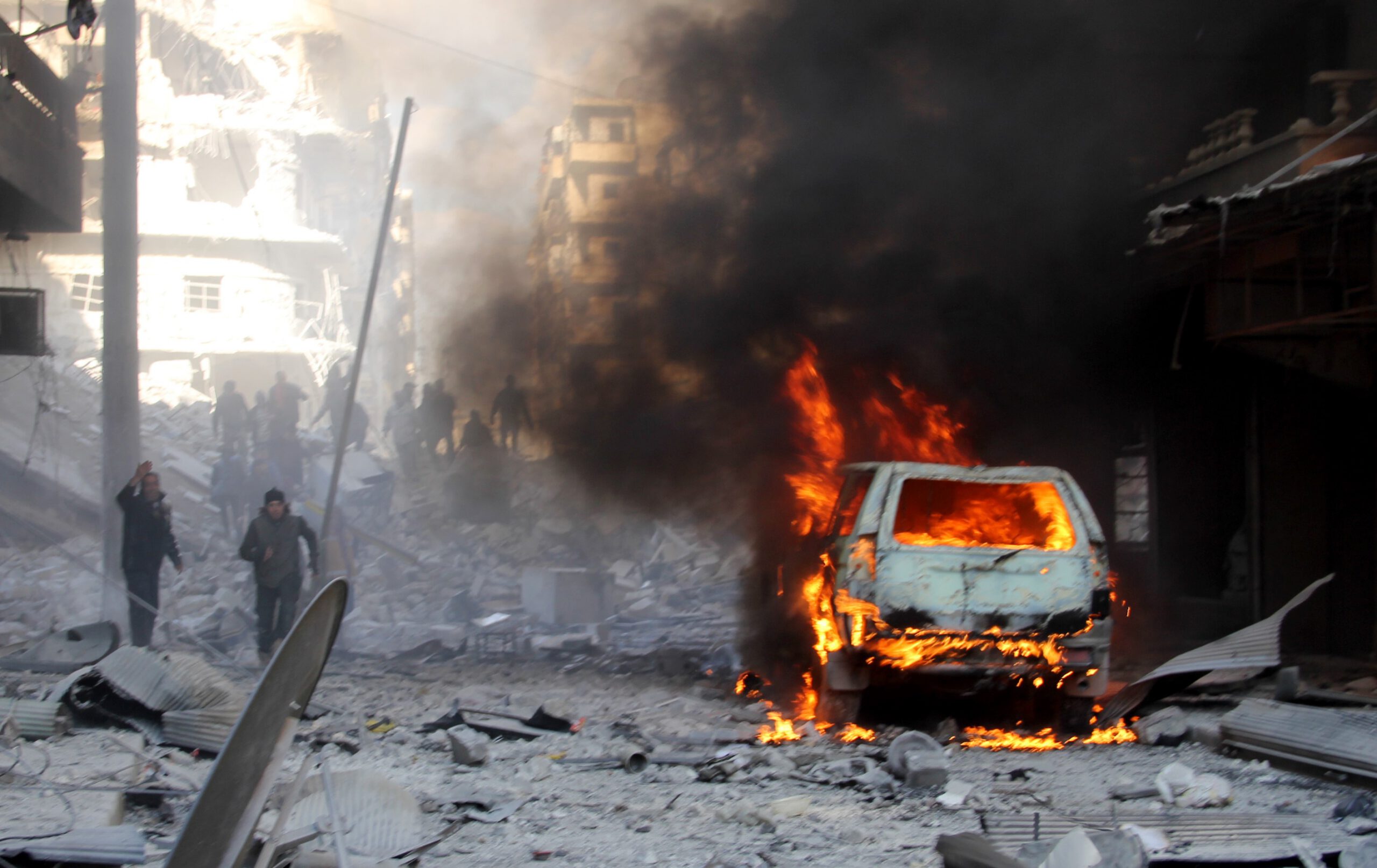
Car Bombs as Weapons of War: ISIS's Development of SVBIEDs, 2014-19
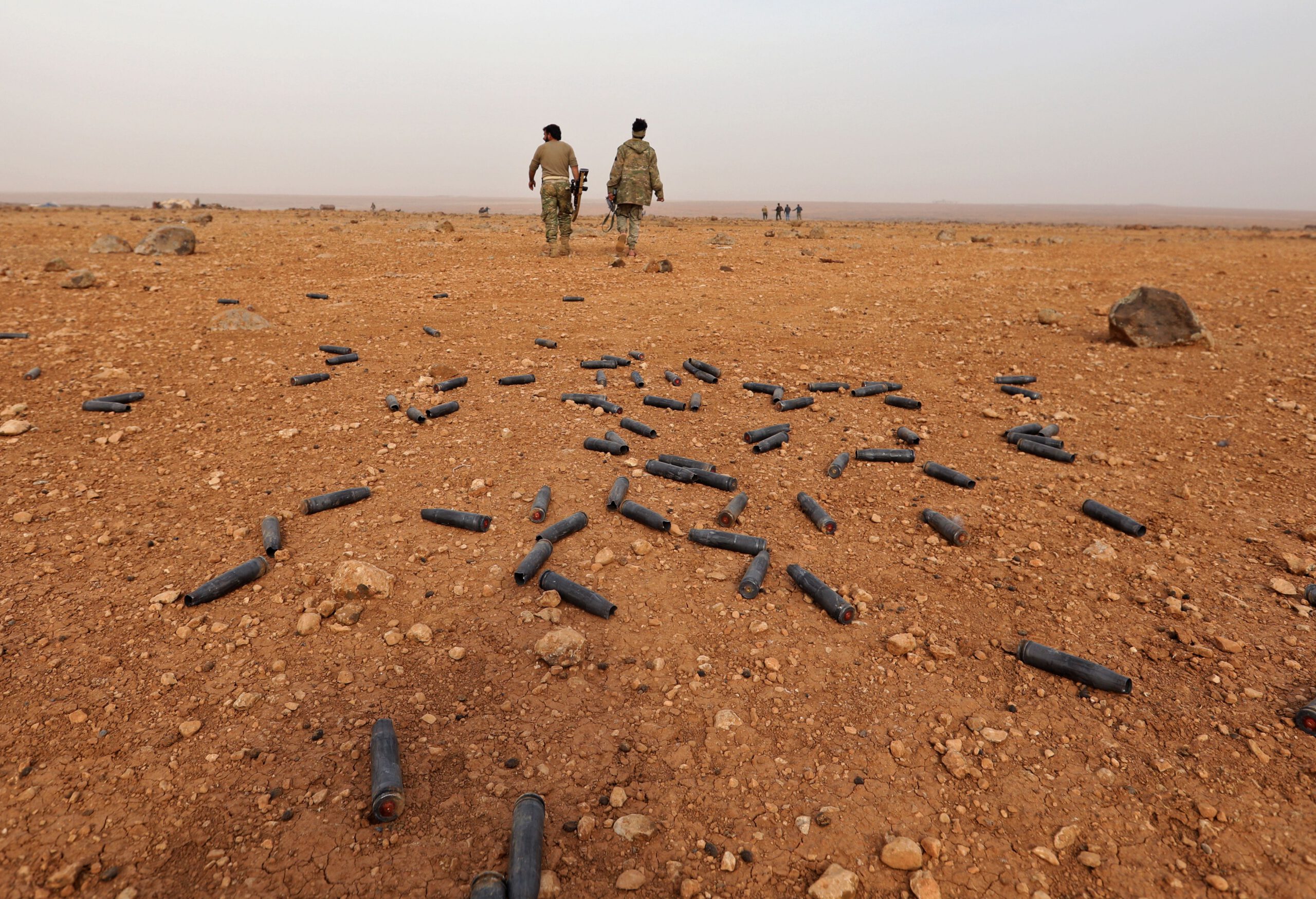
The suicide vehicle-borne improvised explosive device (SVBIED) has been one of ISIS’s most powerful and versatile weapons. The group consistently adapted its SVBIED designs based on operational environment and other factors, with modifications in armor, payload organization, color, and detonation technology. ISIS’s research and development of SVBIED technology presents a continued threat, even after the collapse of the territorial caliphate, due to the group’s ability to share and export its designs, enabling nascent ISIS provinces halfway around the world to launch powerful attacks on unsuspecting communities.
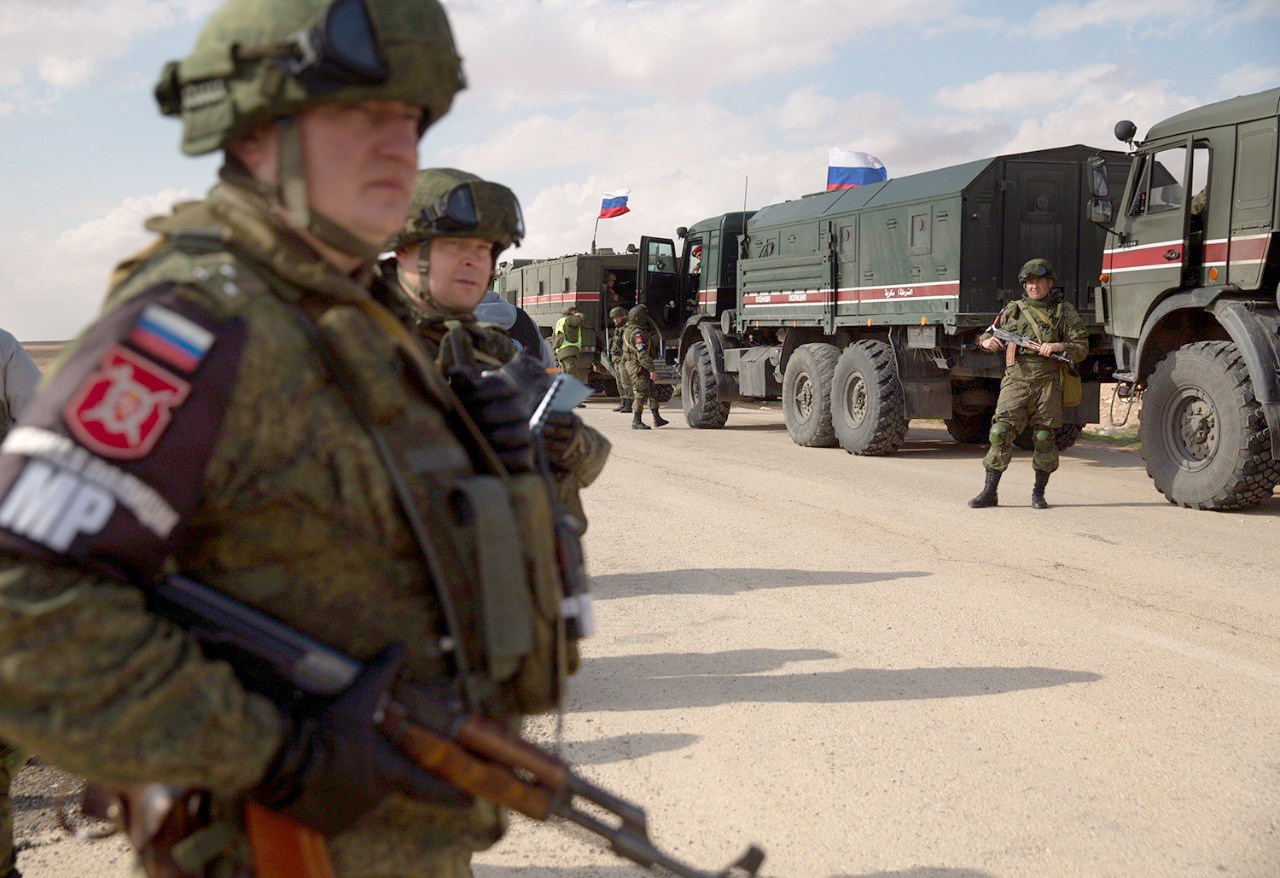
Russia has a new focus in Syria. Intractable stalemates characterize most of the regions that remain outside of the Syrian government’s control. In discussions with Turkey, the other primary player in Syria’s north, little progress has been made on either Manbij or Idlib. Half a year of deadlocked negotiations appears to have made Moscow anxious. With this in mind, Kremlin officials have recently turned their attention to another target: The Rukban refugee camp.
Israel’s general election, to be held next Tuesday, April 9, is full of even more sound and fury than usual, but it isn’t at all clear what it will signify.
After a decade in power, Prime Minister Benjamin Netanyahu faces significant headwinds in the forms of a strong challenge from the new Blue and White party and the specter of multiple criminal indictments. Natan Sachs, Amir Tibon, and Grace Wermenbol join host Alistair Taylor to discuss whether this could be the year of a major shakeup in Israeli politics.