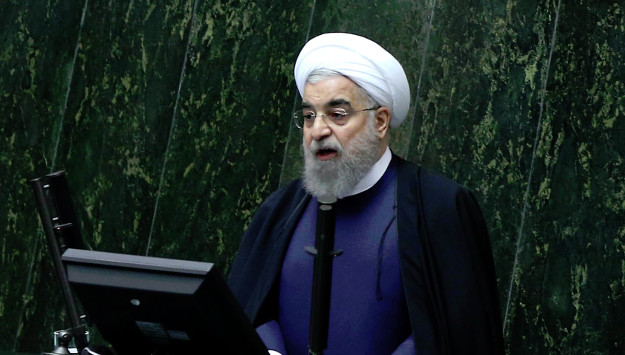
In our final episode of the year, host Alistair Taylor interviews several MEI scholars on the key events that transpired across the Middle East in 2018 including in the Gulf, Iran, Turkey, and Afghanistan. Guests include Paul Salem, Gerald Feierstein, Alex Vatanka, Gonul Tol, and Ahmad Majidyar.
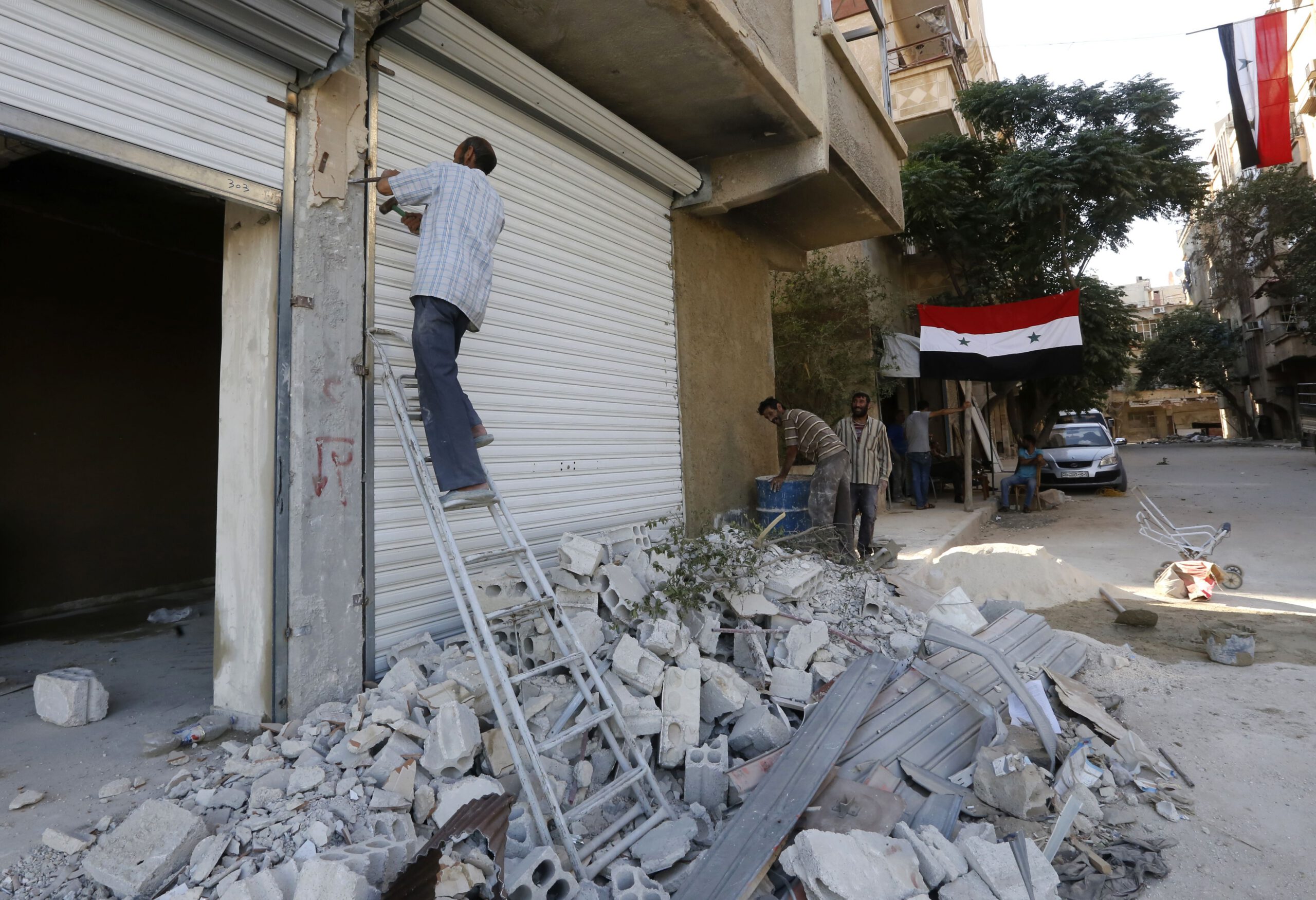
While non-Arab powers have taken the lead in the Syrian crisis so far, Damascus will need to restore political, economic, and diplomatic ties with regional Arab states as it moves into the phase of postwar reconstruction and development.
In this week’s Monday Briefing, MEI experts discuss recent and upcoming events including the coming changes in Trump’s administration, Iran’s hesitation in the US-China battle over Huawei , the ongoing Sweden talks on Yemen, results of the latest GCC summit, and questions over the legitimacy of the Afghan elections.
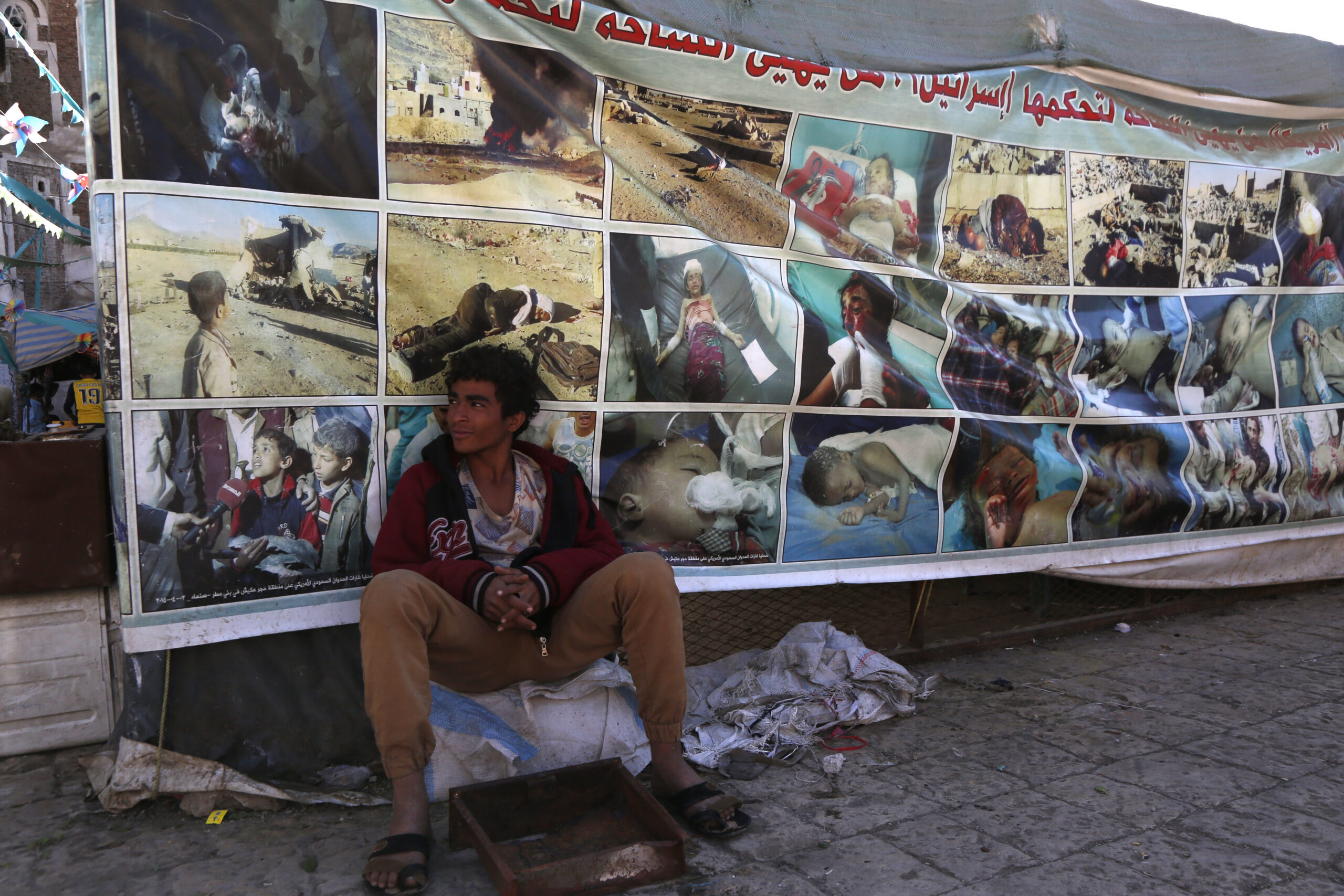
Restoring security and stability in Yemen is going to be a long-term process. Successful peace negotiations — including a ceasefire and confidence-building measures — can only be a first step toward that broader objective.
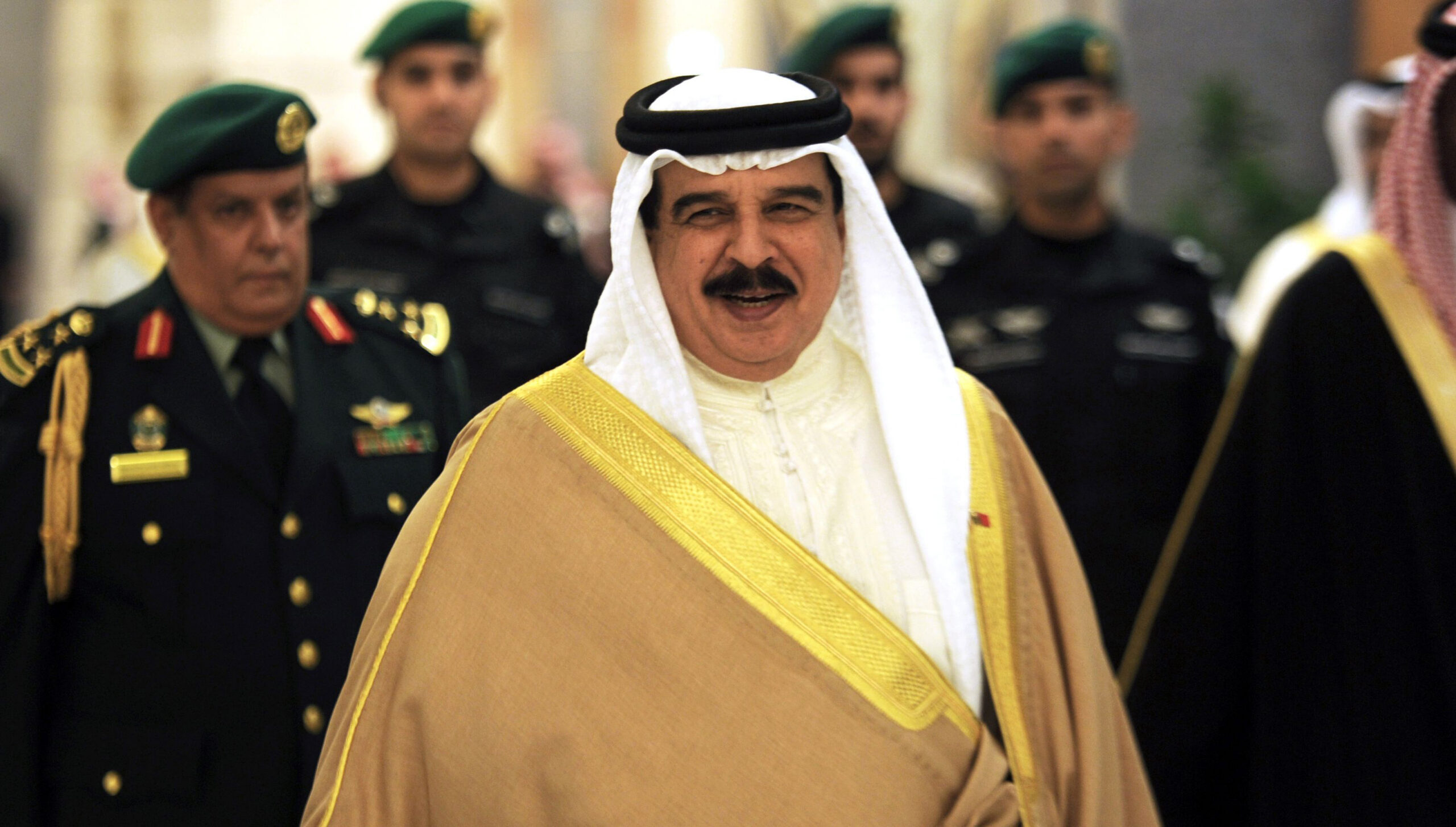
The GCC Riyadh summit: Beginning of the end of the Qatar crisis?
The upcoming GCC summit in Saudi Arabia offers an opportunity to bring the opposing sides to the table, but it is far from clear what will come out of the meeting
Even if negotiating with Trump is impossible—and Iran’s Supreme Leader Ali Khamenei has said it is—the leadership in Tehran can still look at his presidency as an opportunity to prepare the ground to talk to his successor.
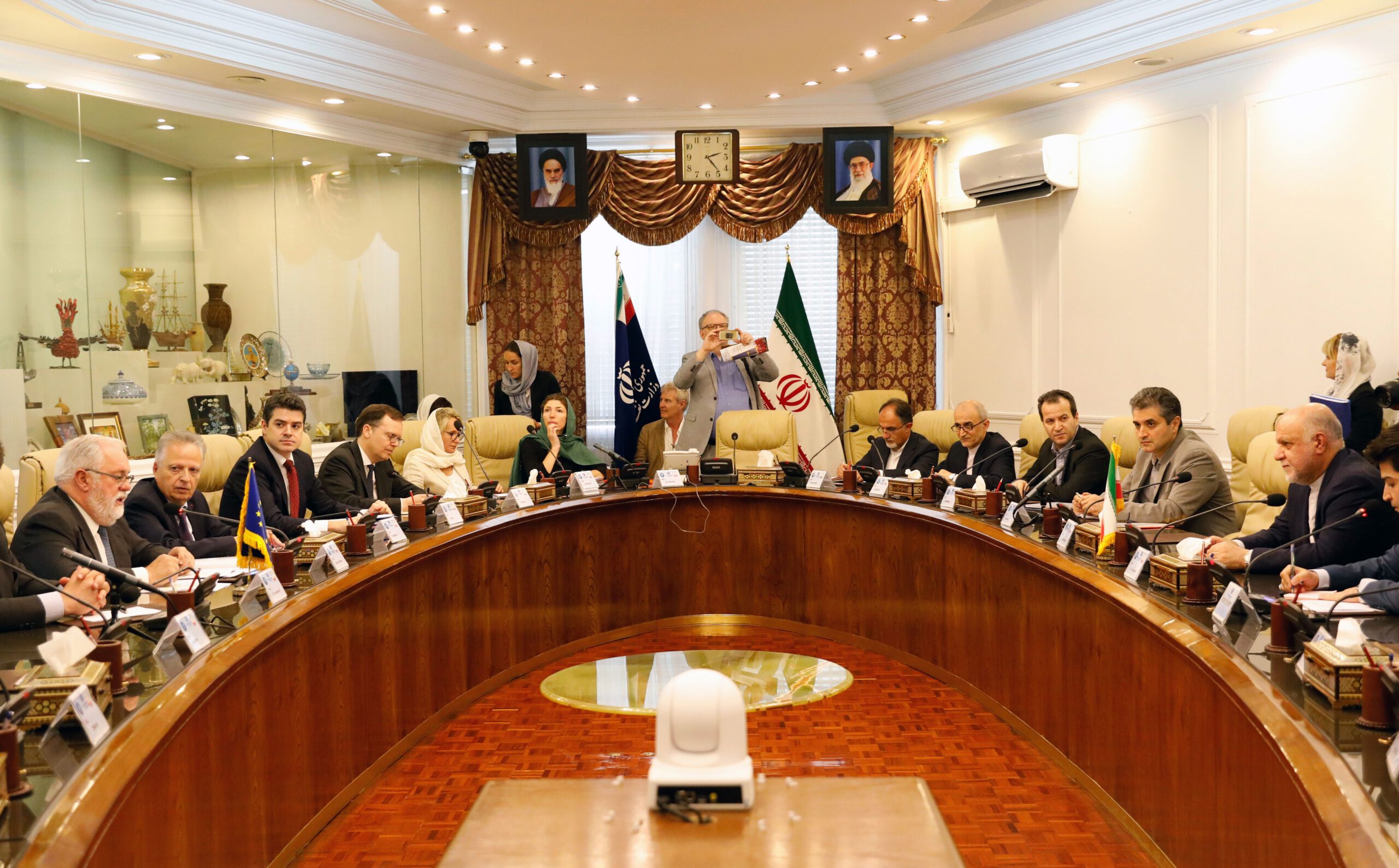
The American decision to reimpose sanctions may result in a new wave of tensions between the U.S. and EU as European companies have benefited significantly from growing trade with Iran.
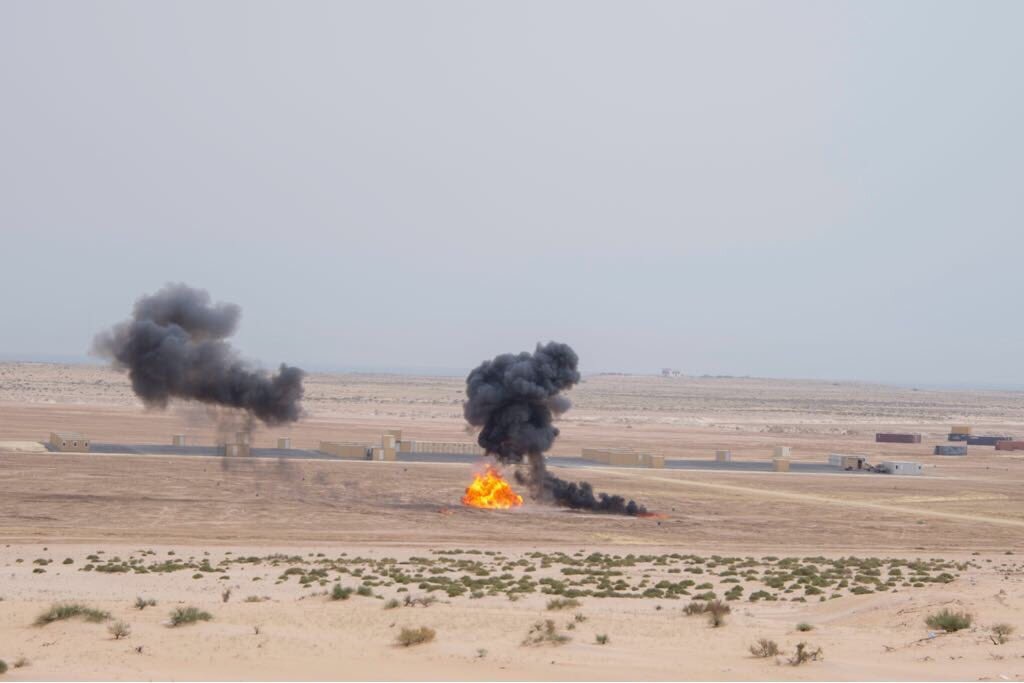
As naval, air, and ground units from Bahrain, Egypt, Jordan, Kuwait, Saudi Arabia, and the UAE conduct war games in western Egypt this month, many speculate that this could represent the birth of the so-called “Arab NATO.”
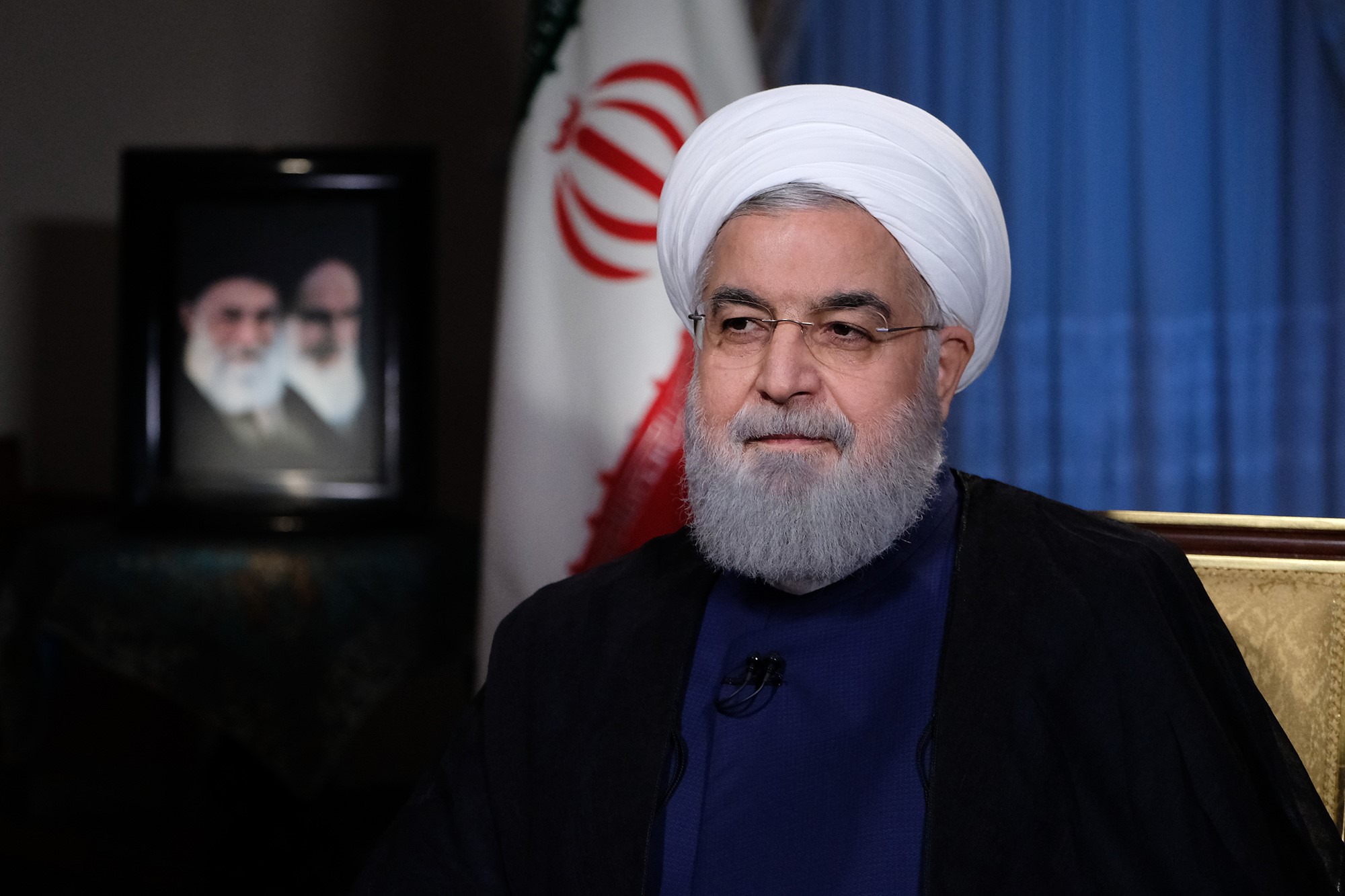
New Iran sanctions: U.S. goals, E.U. countermeasures, and Tehran’s reactions
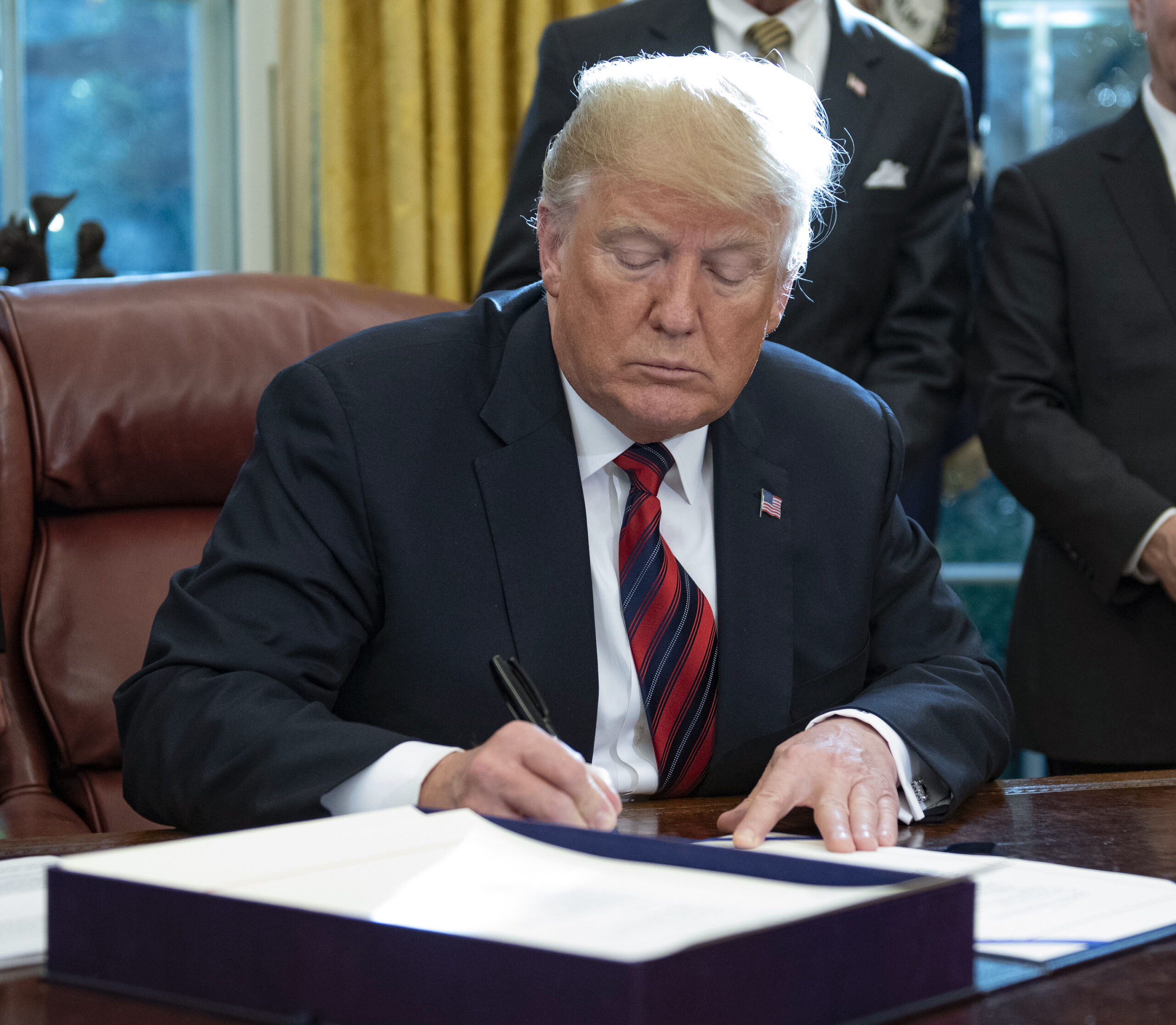
On November 5, the Trump administration re-imposed the full scope of U.S. sanctions on Iran, nearly six months after it unilaterally withdrew from the 2015 nuclear accord, also known as the Joint Comprehensive Plan of Action (JCPOA). The stringent sanctions target Iran’s energy, shipping and banking sectors and make it difficult, if not impossible, for foreign companies to continue to do business with the Islamic Republic. The Treasury Department reinstated all sanctions removed under the JCPOA, and blacklisted 300 new entities and individuals, in what the Treasury called it the “largest ever single-day action targeting the Iranian regime.”
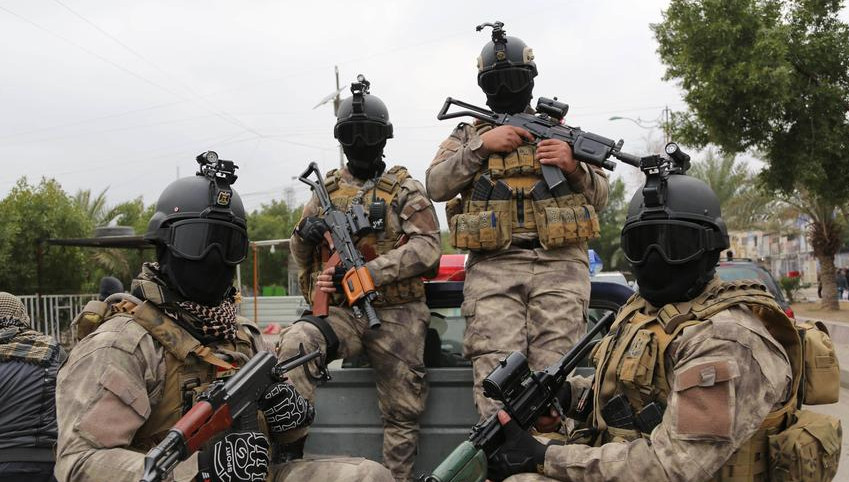
Iraq’s Imam Ali Brigade militiamen vow to fight in Yemen next
In a recent video circulating on Iraqi social media, a man appears to be showing off rows of militiamen in the background as they conduct combat drills. He begins by giving an overhead view of several fighters of the Imam Ali Brigade, an Iranian-supported militia group within Iraq’s Popular Mobilization Force (PMF), marching in formation as they receive training. Before concluding the clip, he declares “Ila al-Yaman Insha’llah” (to Yemen, God willing).
The cross-currents shaping Washington’s Iranian oil policy
Although the Trump administration has said it will issue temporary waivers to some major importers of Iranian oil, further declines in Iran’s exports are likely after sanctions come into effect on Nov. 4.
MEI’s Alex Vatanka and Jean-Francois Seznec join host Paul Salem to discuss the impact of incoming U.S. sanctions on Iranian energy exports on Iran’s economy, the Gulf, and energy markets in general.
The GCC aid package for Bahrain illustrates how massive capital flows underlie the contentious politics and strategic alliances within the Gulf and broader Middle East.
In this week’s Monday Briefing, MEI experts Alex Vatanka, Marvin G. Weinbaum, and Charles Lister provide analysis on recent and upcoming events including Iran’s decision to sell its oil in the private sector, the prime minister of Pakistan’s search for foreign aid, and the Syrian summit in Istanbul.