Trump’s unconvincing "hearts and minds" strategy on Iran
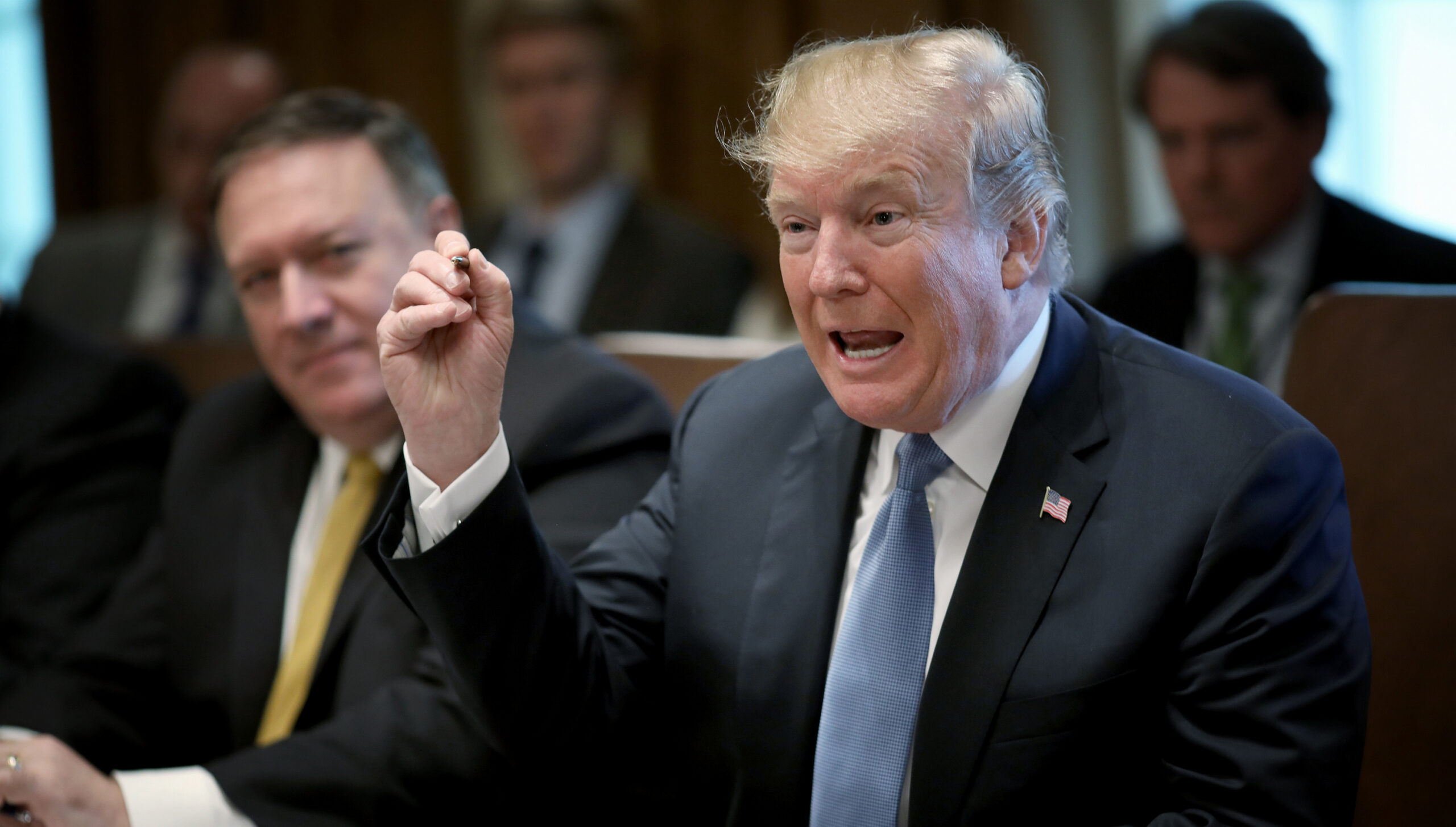
In the span of one week, President Donald Trump both warned Iran’s leaders of a calamitous response to any belligerence from Tehran and offered Tehran a “real” nuclear deal if they come back to the negotiation table. It is just the latest example of the Trump administration’s disjointed Iran policy.
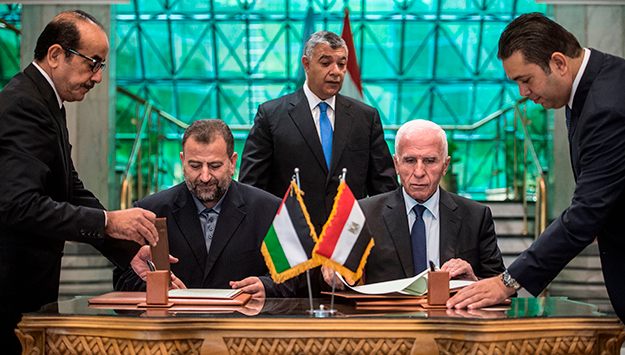
In this week’s Monday Briefing, MEI experts provide analysis on Fatah-Hamas reconciliation talks in Cairo, possible cooperation between the Syrian Democratic Council and the Assad regime, the protests in Iraq, the U.S.’s lifting of restrictions on aid to Egypt, and Imran Khan’s victory in the Pakistani elections.
Houthi attack in strategic shipping lane could undermine oil markets
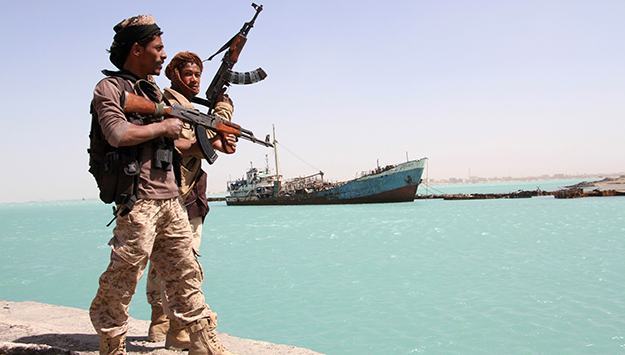
Saudi Arabia temporarily halted all oil shipments through the Bab al-Mandab strait on Wednesday, Jul. 25, after two of its very large crude carriers were attacked by Houthi rebels. According to Saudi and Yemeni officials, the attack was launched from the besieged port city of Hodeida.
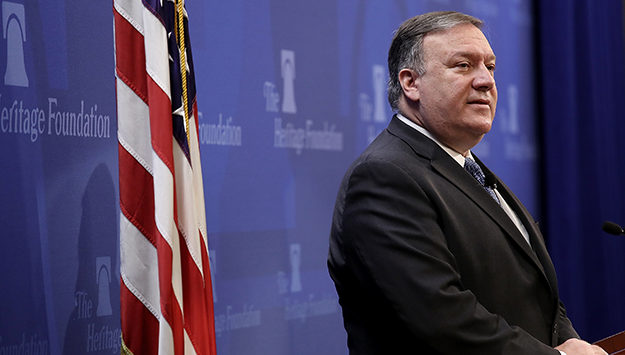
In this week’s Monday Briefing, MEI experts provide analysis on Secretary Pompeo’s speech on Iran, Erdogan’s decision to lift Turkey’s state of emergency, the cease-fire in Gaza, Iran’s continued threat in Syria, Trump’s tweets on Iran, and Vice President Dostum’s return to Afghanistan.
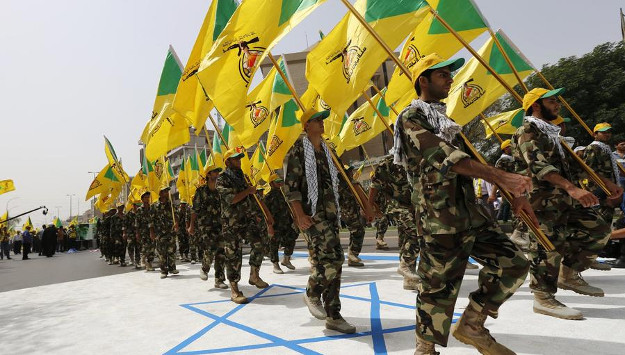
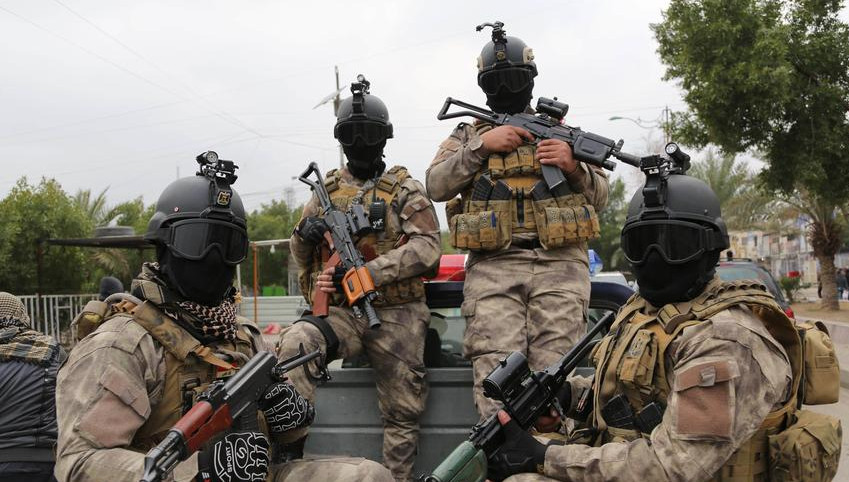
Iraqi Hezbollah threatens retaliation against U.S. if Israel attacks Iranian assets in Iraq
An Iranian-supported militia group in Iraq has threatened retaliation against the United States if Israel carries out any strikes against Iranian military personnel and assets inside Iraq,
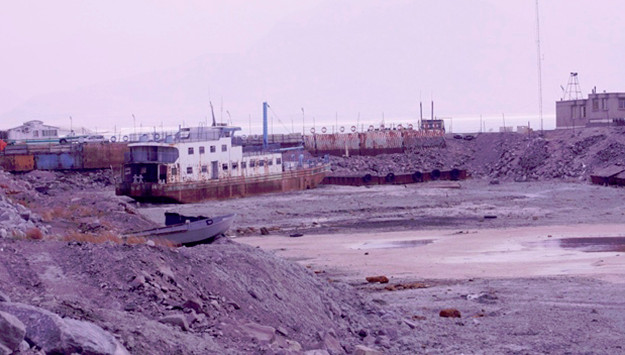
Tension between Iran and neighboring Afghanistan over water rights has reached new heights as declining rainfall, prolonged droughts, and mismanagement of water resources have severely affected agricultural production, food security and availability of drinking water in both countries. Tehran has warned of retaliatory actions if Kabul does not allow sufficient water into Iran’s water-stressed southeastern region, while Afghan officials accuse Iran’s Revolutionary Guards of aiding Taliban militants to sabotage dam projects in southern and western Afghanistan.
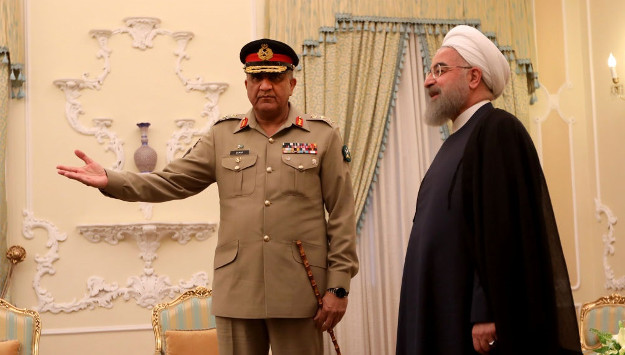
Iran and Pakistan agree to bolster defense ties and jointly produce military hardware
Iran and Pakistan have agreed to boost defense ties, enhance cooperation on border security and regional issues, and jointly manufacture military hardware, Iranian and Pakistan media reported. The agreements came during a high-level visit to Pakistan this week by an Iranian military delegation led by Chief of Staff of the Armed Forces Mohammad Hossein Bagheri.
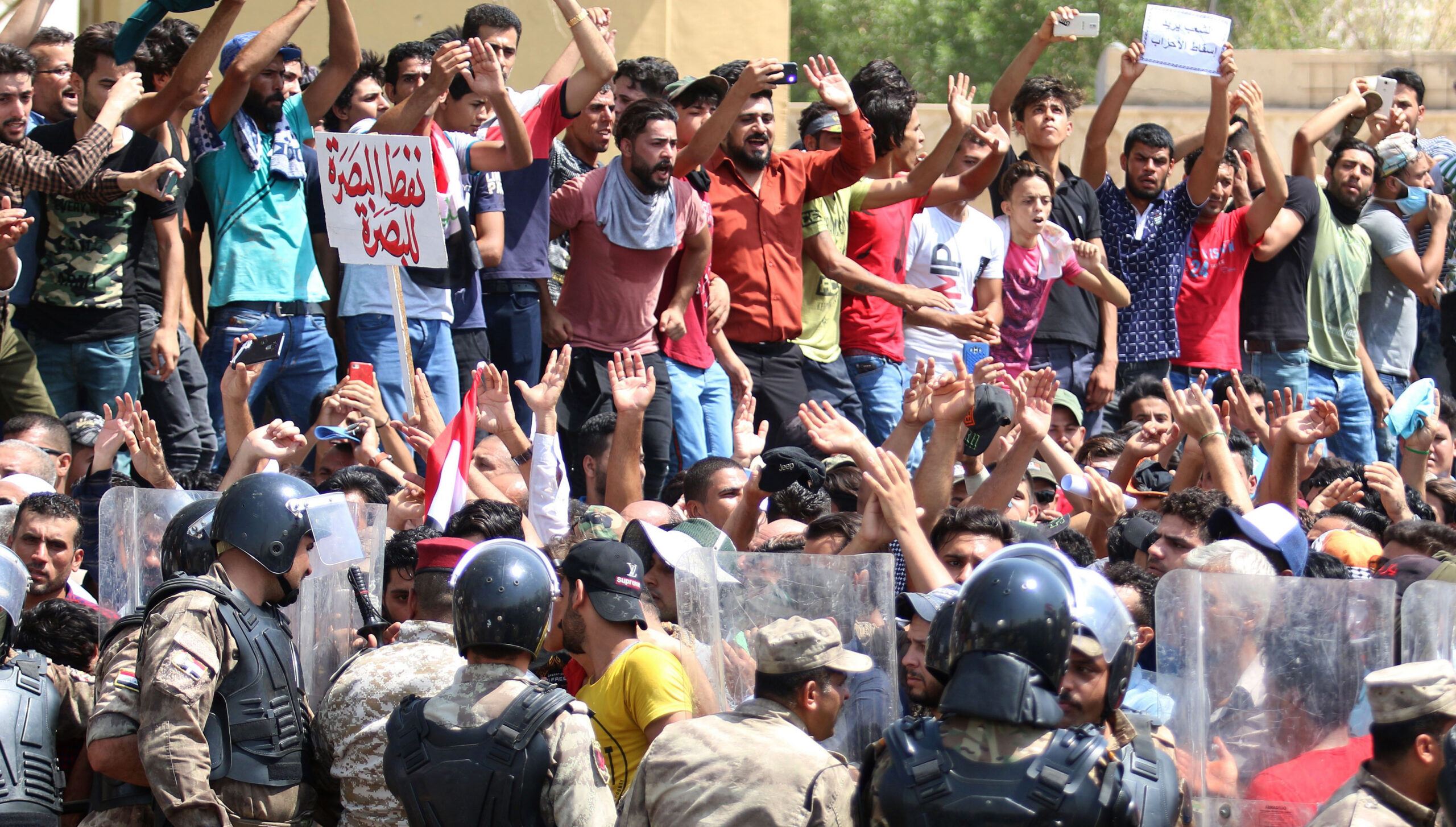
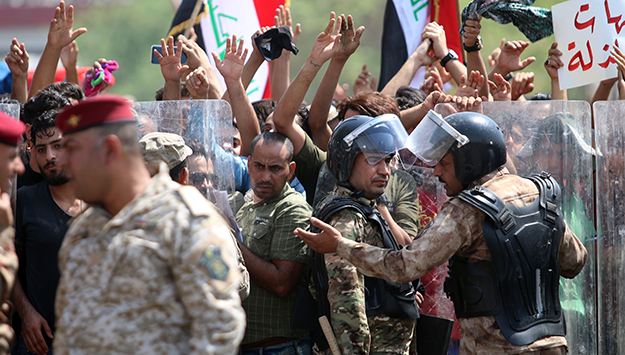
As protests roil Iraq, political elite seeks scapegoat
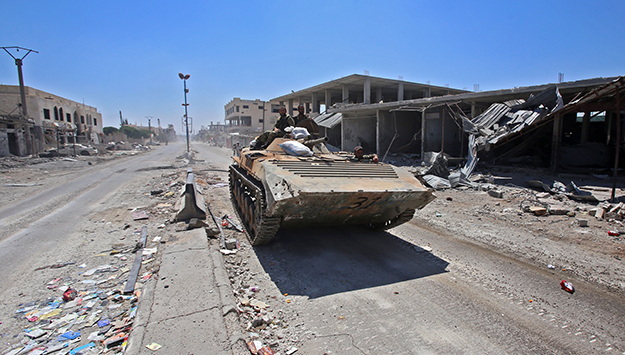
In this week’s Monday Briefing, MEI experts Randa Slim, Marvin G. Weinbaum, and Charles Lister provide analysis on recent and upcoming events including the ongoing protests in Iraq, the Sharifs’ return to Pakistan and their subsequent imprisonment, and pro-Assad forces’ westward push in Syria.
In this week’s Monday Briefing, MEI experts Robert S. Ford, Gerald Feierstein, Marvin G. Weinbaum, and Bilal Y. Saab provide analysis on Iran’s efforts to stay in Syria, Pompeo’s upcoming trip to Abu Dhabi, the Pakistan Muslim League’s struggle in the upcoming National Assembly elections, and Qatar’s decision to renege on its Russian S-400 purchase.
Protests have broken out in Iran’s capital several times in recent weeks, leading to clashes with police and the temporary closure of Tehran’s Grand Bazaar. As with the demonstrations that swept the country earlier this year, these protests focused mainly on Iranians’ economic grievances. MEI’s Alex Vatanka and Ahmad Majidyar join guest host Greg Myre, national security correspondent for NPR, to discuss the factors driving Iran’s economic struggles, and the potential political impact.
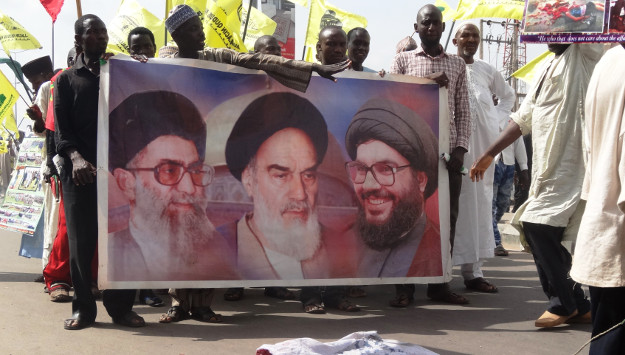
Hezbollah allegedly training Nigerian Shiites to expand influence in West Africa
While Hezbollah’s military expansion across the Middle East, particularly since the start of the Syrian conflict in 2011, has drawn a great deal of attention, the Lebanese organization’s efforts to increase its presence and influence in Africa has largely been overlooked. Nigeria is a case in point. Sources close to Hezbollah say the organization provides ideological and military training to Nigerian Shiites inside Lebanon.
In this week’s Monday Briefing, MEI experts Charles Lister, Alex Vatanka, Randa Slim, and Marvin G. Weinbaum provide analysis on the US’s silence amid the Assad regime’s expansion, the Iranian president’s trip to Europe, the uptick in violence after Iraq’s elections, and the upcoming Pakistani parliamentary elections.