
Informal Governance and Role of State in Cities in Developing Countries: Comparing Karachi and Cairo
The 21st century has been called the “Century of the City,” as half of the world’s population lives in urban areas.[1] Virtually all of the projected global population growth will be in cities of the developing world, and most of it will be concentrated in informal settlements.
The Wealth Management Industry in the Middle East: Boon or Bust?
Introduction
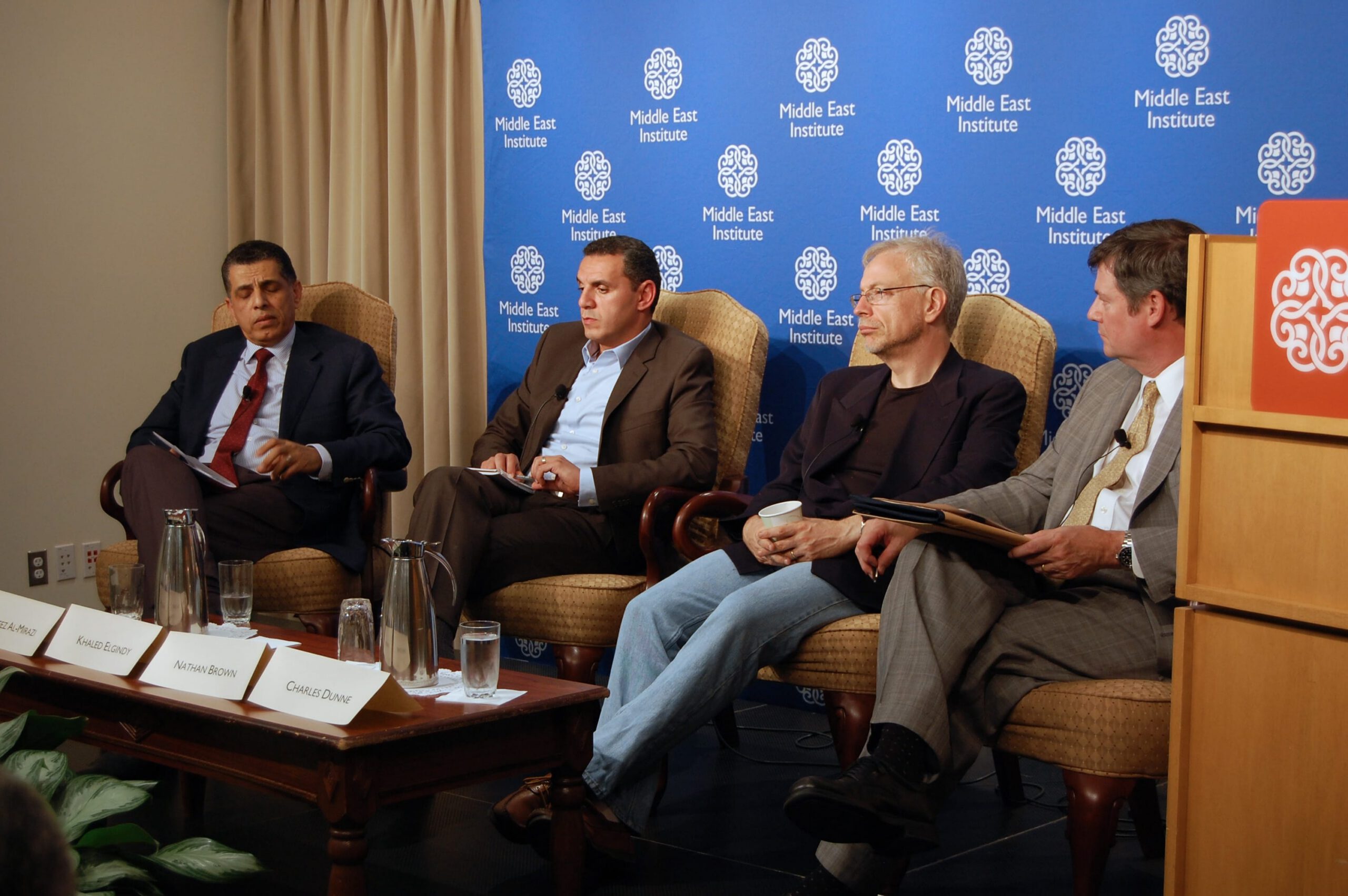
Egypt After the Elections – Video
The Middle East Institute is pleased to host Nathan Brown, Khaled Elgindy, and Hafez Al Mirazi for a conversation about recent political developments in Egypt. As the first ever Muslim Brotherhood presidential candidate prepares to take office, a larger standoff looms between the SCAF and the Brotherhood over the future of the recently dissolved Parliament and the question of the constitution. Brown, Elgindy and Al Mirazi will examine these and other challenges facing Egypt on its rocky transition toward democracy.

Saudi Professor Faces Charges After Fighting for Free Speech
This Opinion was first published on Al-Monitor.com on June 28, 2012
What are the limits of free speech and open dissent in the Kingdom of Saudi Arabia? They are often unclear and seemingly arbitrary, but there is no doubt that Dr. Mohammad al-Qahtani, a professor and activist, went well beyond them, and he knew it. He was hardly surprised when Saudi prosecutors, finally fed up with his vociferous denunciations of the regime, hit him with a long list of criminal charges. He had predicted it, and in the context of Saudi Arabia, he was asking for it.
Egypt After the Elections
podcast for Egypt After the Elections, recorded on the 28th of June, 2012
Egypt After the Elections
podcast for Egypt After the Elections, recorded on the 28th of June, 2012
Egypt After the Elections
podcast for Egypt After the Elections, recorded on the 28th of June, 2012
Egypt After the Elections
podcast for Egypt After the Elections, recorded on the 28th of June, 2012
Egypt After the Elections
podcast for Egypt After the Elections, recorded on the 28th of June, 2012
Confronting Egypt’s Counterrevolution
This Opinion was originally posted on Freedom House’s “Freedom at Issue” blog on June 21, 2012.
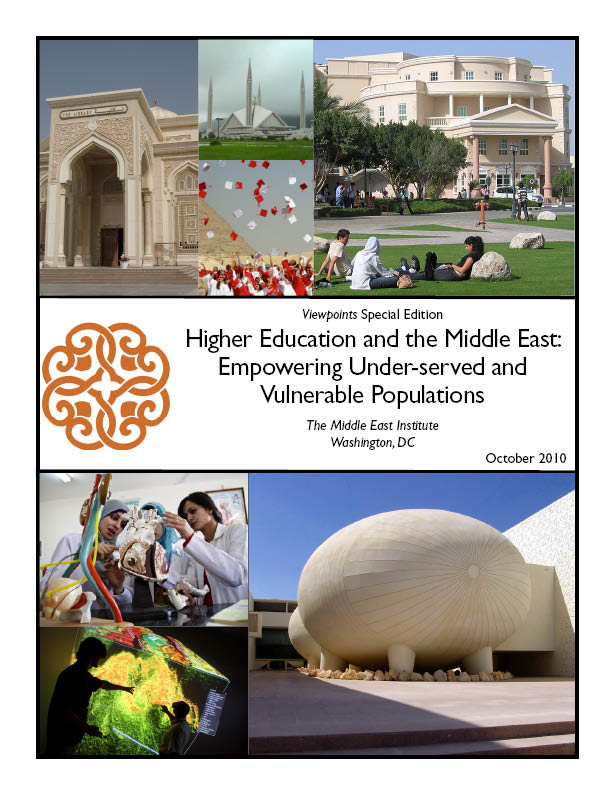
Introduction to Higher Education and the Middle East: Empowering Under-served and Vulnerable Populations
Originally posted October 2010
This second edition of the MEI Viewpoints series on Higher Education and the Middle East focuses on Empowering Under-served and Vulnerable Populations.
Saudi Arabia Moves Closer to A New Generation of Leaders
This Opinion first appeared in Al-Monitor on June 16, 2012
The death Saturday (June 16) of Saudi Crown Prince Nayef bin Abdul Aziz is likely to have little short-term impact on the economic or political life of the kingdom or on its international relations. But it does accelerate the inevitable transition to a new generation of rulers who may have very different ideas about how the al-Saud should rule their people, deal with their neighbors and manage the critical relationship with the United States.
Egyptian Voters Flex Their Cheops
The cacophony of bullhorns, fireworks and frenzied cross-country barnstorming in trucks, busses and three-wheeled “tuk-tuks” emblazoned with candidates’ posters has come to an end, and a historic moment has arrived: tens of millions of Egyptians are heading to the polls today in the first democratic presidential election in the country’s history, an election borne out of the 2011 revolution that ousted former President Hosni Mubarak and injected Egyptians with a novel feeling of excitement for participatory democracy.
Salafis Coming to America
This Opnion first appeared in the Huffington Post on May 11, 2012.