Are Tehran’s Overtures to Riyadh Serious?
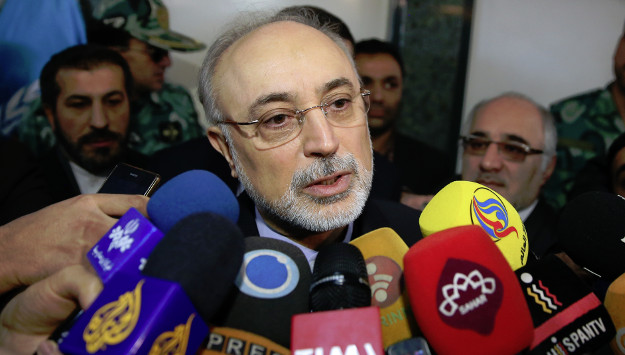
In an interview with an Arab television station, the former Iranian foreign minister and the present head
Weekly Briefing: Confirmation Hearings, Syria Peace Talks, and OPEC
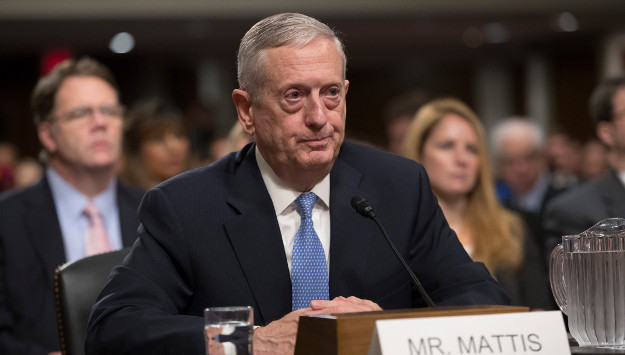
In this week’s briefing, MEI experts Gerald Feierstein, Robert S. Ford, Yousef Munayyer, Eran Etzion, and Ruba Husari provide analysis on recent and upcoming events including the ongoing confirmation hearings for key members of the incoming administration’s foreign policy team, the upcoming Syria talks, the recently convened Paris talks on Israel and Palestine, and OPEC’s assessment of its agreement to cap oil output.
Iranian General Calls for Closure of Saudi Consulate in Erbil
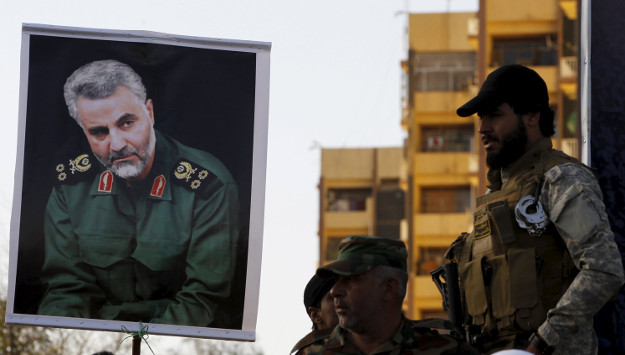
In the latest example of Iranian interference in Iraq, a top Iranian general has said that the presence of the Saudi consulate in Erbil, the capital of Iraq’s semi-autonomous Kurdish region, is not “just
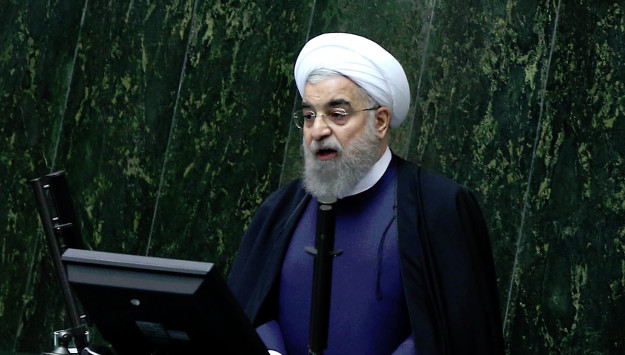
Rouhani’s Unconvincing Message to Saudi Arabia
At a press conference on January 17, Iranian President Hassan Rouhani stated that “Iran would welcome working with Saudi Arabia to bring about a more stable Middle East.” He urged for “moderation” and “respect.” This message from the Iranian president is positive and should be applauded. However, the question in so many capitals around the Middle East is whether Rouhani’s posture and message of “moderation” has any bearing on the actual policies that Tehran is presently pursuing in the region.
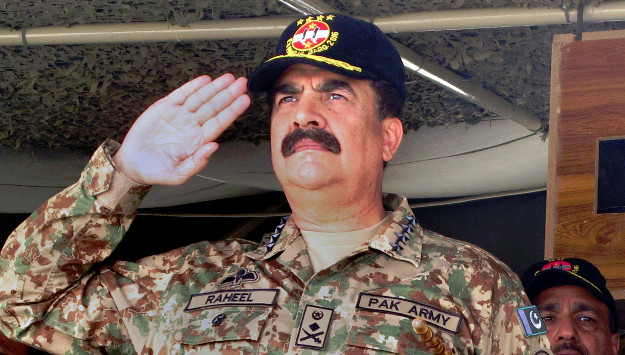
Iran Nervous about Pakistani-Saudi Cooperation
The recent announcement by Saudi Arabia that the retired Pakistani General Raheel Sharif will head a 39-member anti-terrorism coalition made of Muslim states is a matter of much concern in Tehran. Iran, which was not invited to join the coalition, regards the Saudi initiative as a regional project aimed to contain its influence.
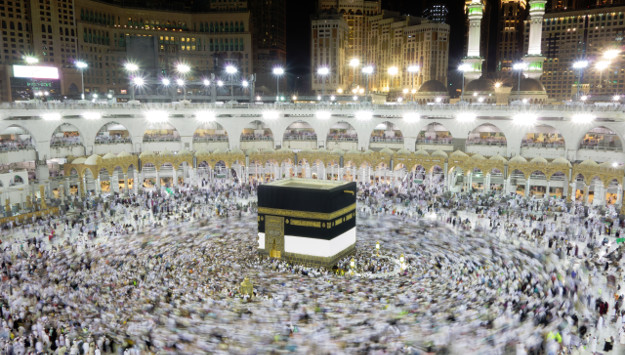
Iran Accepts Saudi Hajj Offer
The representative of Iran’s Supreme Leader on Hajj [pilgrimage] affairs has announced that Tehran will shortly dispatch a delegation to Saudi Arabia. This latest development has come about following Iran’s decision not send any pilgrims to Saudi Arabia in 2016. Riyadh had earlier sent an invitation to Iran for talks to be held to resolve differences that exist in this context.

Saudi Interest in the Red Sea Islands of Tiran and Sanafir Grows as Its Security Interests Expand
Notwithstanding Egypt’s political and judicial contretemps, the Egyptian parliament is expected to vote soon in favor of the return of Tiran and Sanafir islands to Saudi Arabia. The decision, after months of controversy in Egypt, will fulfill the April 2016 agreement reached between Egyptian president Abdel Fattah al Sisi and Saudi King Salman bin Abdul Aziz Al Saud that formally acknowledged Saudi sovereignty over the two small islands and provided for their return to Riyadh’s control.
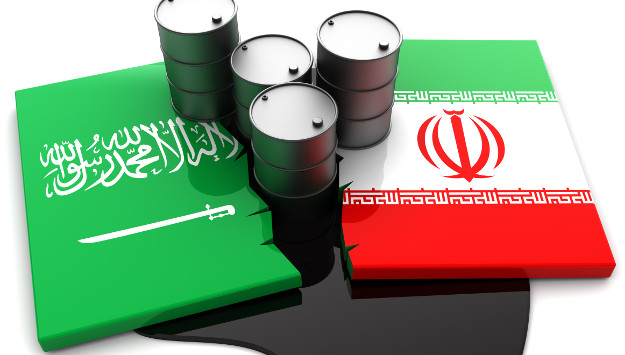
Iran Continues Efforts to Subvert Saudi Arabia from within
In fresh evidence that the government of Iran continues its efforts to undermine Saudi stability and security from within, a Saudi court has convicted a Saudi businessman of plotting with the government of Iran to instigate sectarian strife and threaten Saudi social stability, according to a report in al-Sharq al-Awsat.
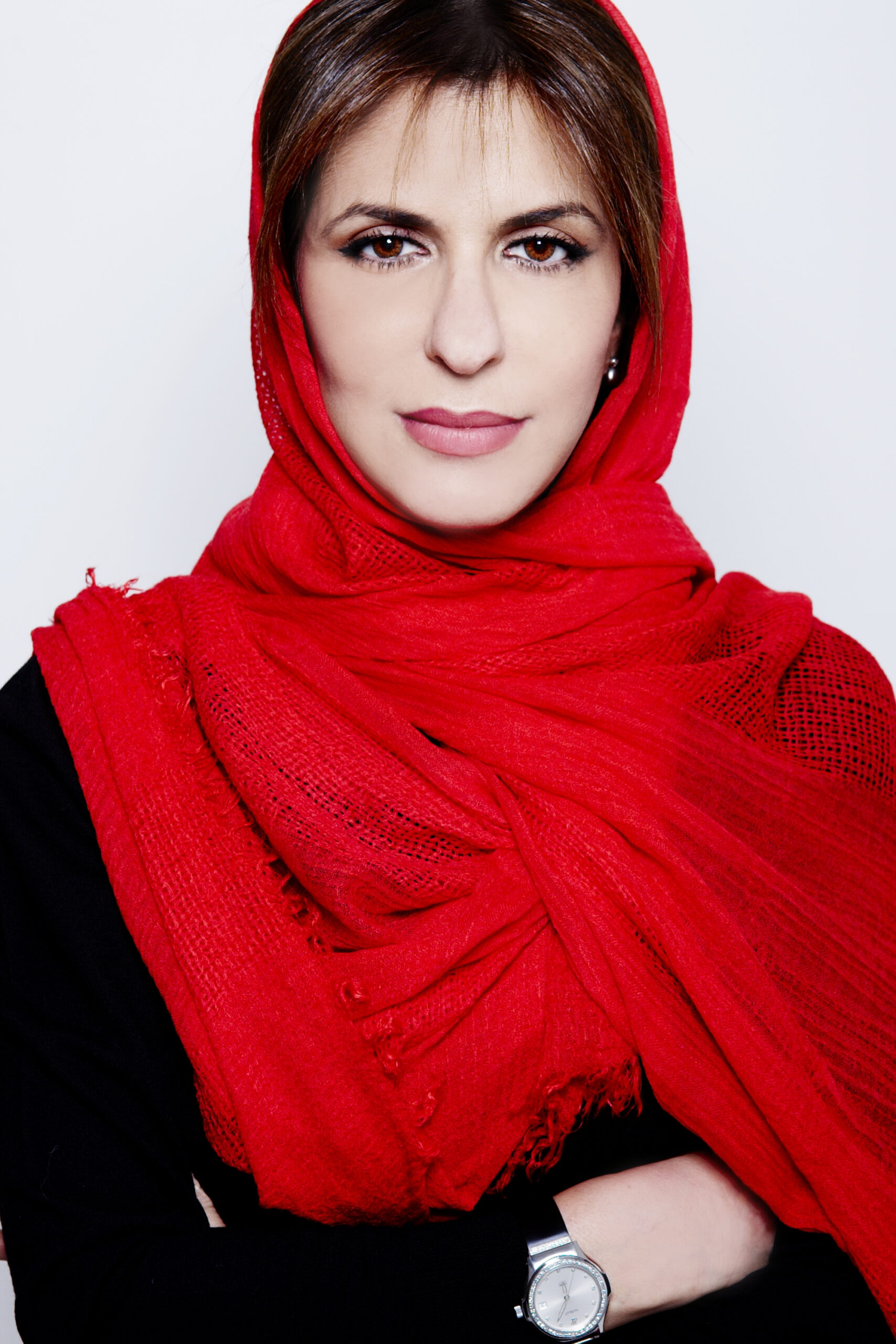
Saudi Female Conservationist Fights to Preserve Islamic Heritage
The Middle East’s descent into chaos has been accompanied by a growing threat to the region’s historic sites. The breakdown of states and growth in extremism have exposed these ancient sites to looting and destruction. The drivers, however, are varied. Extremist groups like ISIS profit from the smuggling of antiquities, but there are also religious motivations. Extremist movements such as ISIS and al-Qaeda, which adhere to a strictly puritanical view of Islam, perceive heritage sites, including Islamic, as a sinful distraction from faith.
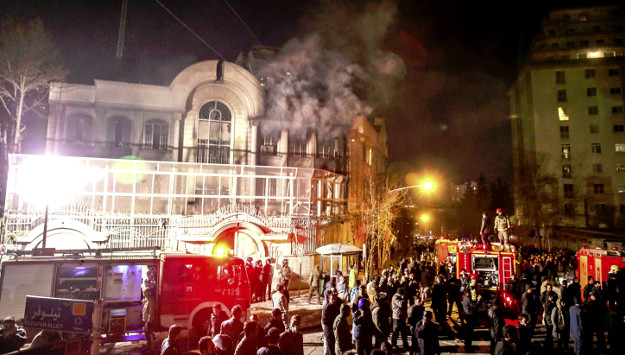
Iranian Responsible for Saudi Embassy Attack Claims Iran Government Gave “Green Light”
Iranian extremist cleric Hassan Kurdmihan, the confessed mastermind of the January 2016 attack on the Saudi Embassy in Tehran, is heard in a leaked tape recording telling his followers that the attack was “carried out upon a green light from the government and the regime,” according to a December 18 report in al-Arabiya. Kurdmihan can also be heard in the leaked calls directing members of the Iranian Basij and the Islamic Revolution Guards Corps (IRGC) to burn and destroy the Embassy and seize documents inside. The leaked recordings have been attributed to the Iranian opposition Green Mov
The Samuel Lewis Collection

Introduction
New to the Oman Library’s shelves is a distinct collection, donated by Sallie Lewis on behalf of her late husband, Ambassador Samuel Lewis. This new addition brings a unique set of stories to the library, with many works containing signatures and personal notes from well known figures who worked closely with the ambassador during his career in the foreign service.
Life in service
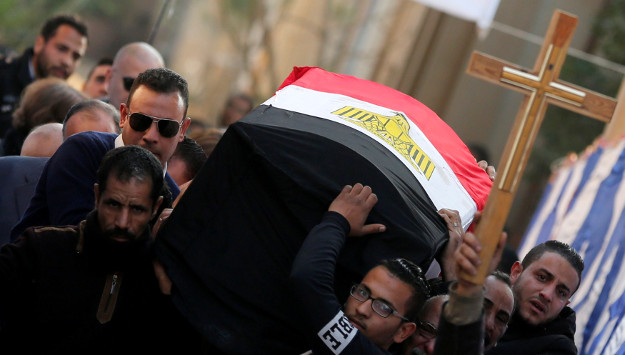
Monday Briefing: Egypt Faces New Wave of Terrorist Attacks
In this week’s Monday Briefing, MEI experts Paul Salem, Randa Slim, Charles Lister, Jean-François Seznec, Eran Etzion, and Marvin G. Weinbaum provide analysis on recent and upcoming events including yesterday’s terrorist attack on the Coptic Christian Cathedral in Cairo, the Sryian regime’s progress in retaking Aleppo, the continued threat presented by ISIS, the potential selection of Rex Tillerson as the next Secretary of State, Ash Carter’s farewell trip to Israel, and new Congressional pressure for Pakistan to crack down on the Haqqani Network.
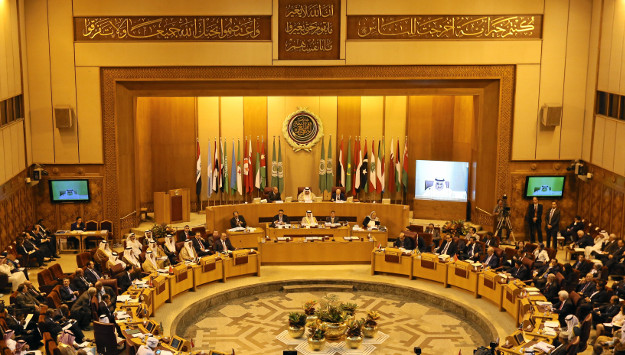
Toward a Regional Framework for the Middle East: Takeaways from other Regions
Regional Cooperation Series
This Policy Paper is part of the Middle East Institute’s Regional Cooperation Series. Throughout 2016, MEI will be releasing several policy papers by renowned scholars and experts exploring possibilities to foster regional cooperation across an array of sectors. The purpose is to highlight the myriad benefits and opportunities associated with regional cooperation, and the high costs of the continued business-as-usual model of competition and intense rivalry.
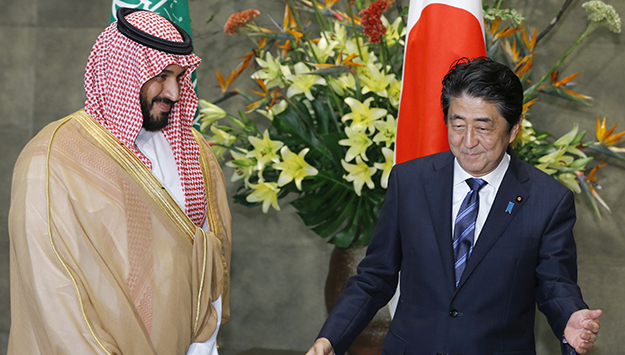
Japan's Important Role in Saudi's Vision 2030
Cinzia Miotto contributed to this article.