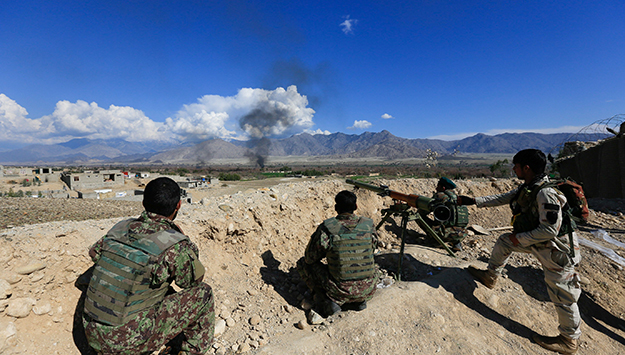
Accusations are mounting that Iran is ramping up its engagement with the Taliban in Afghanistan. Like a lot of Iran’s murky foreign policy, it is difficult to separate the wheat from the chaff. The three questions that need to be answered to clear up the murky relationship between Iran and the Taliban are: why the change in Iran’s policy; when did this policy change occur; and what is the level of support afforded to the Taliban?
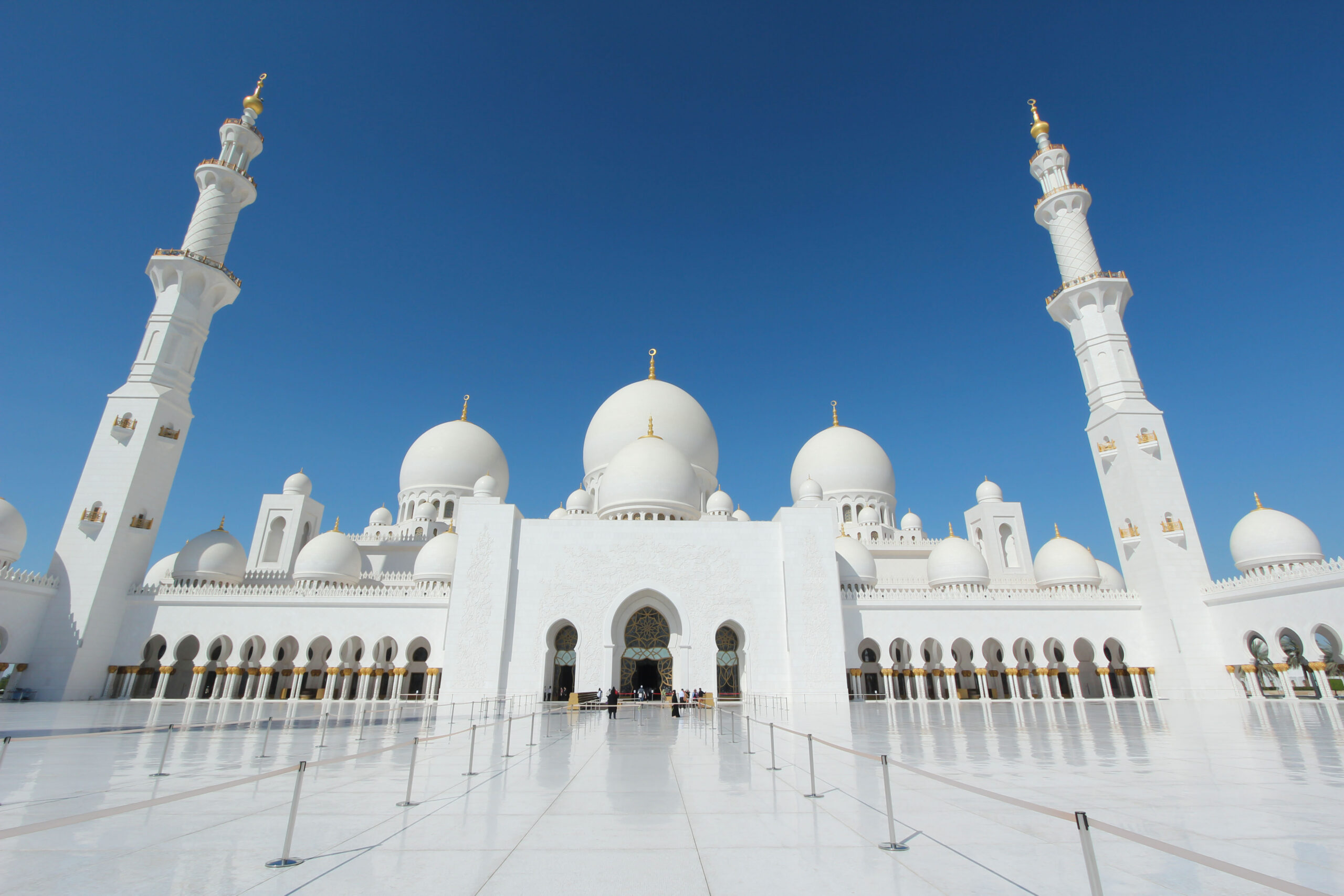
The India-U.A.E. Strategic Partnership in Regional Context: A Zero-Sum Game?
Since the government of Narendra Modi took office in 2014, India and the U.A.E. have moved relatively quickly to consolidate their existing ties and to explore new areas of cooperation. During this time, they have elevated the relationship to a comprehensive strategic partnership, with the expressed intention of extending their cooperation to the security and defense spheres. This essay discusses these recent developments, with particular attention to the role of Pakistan as a constraining factor in India-U.A.E. relations going forward.
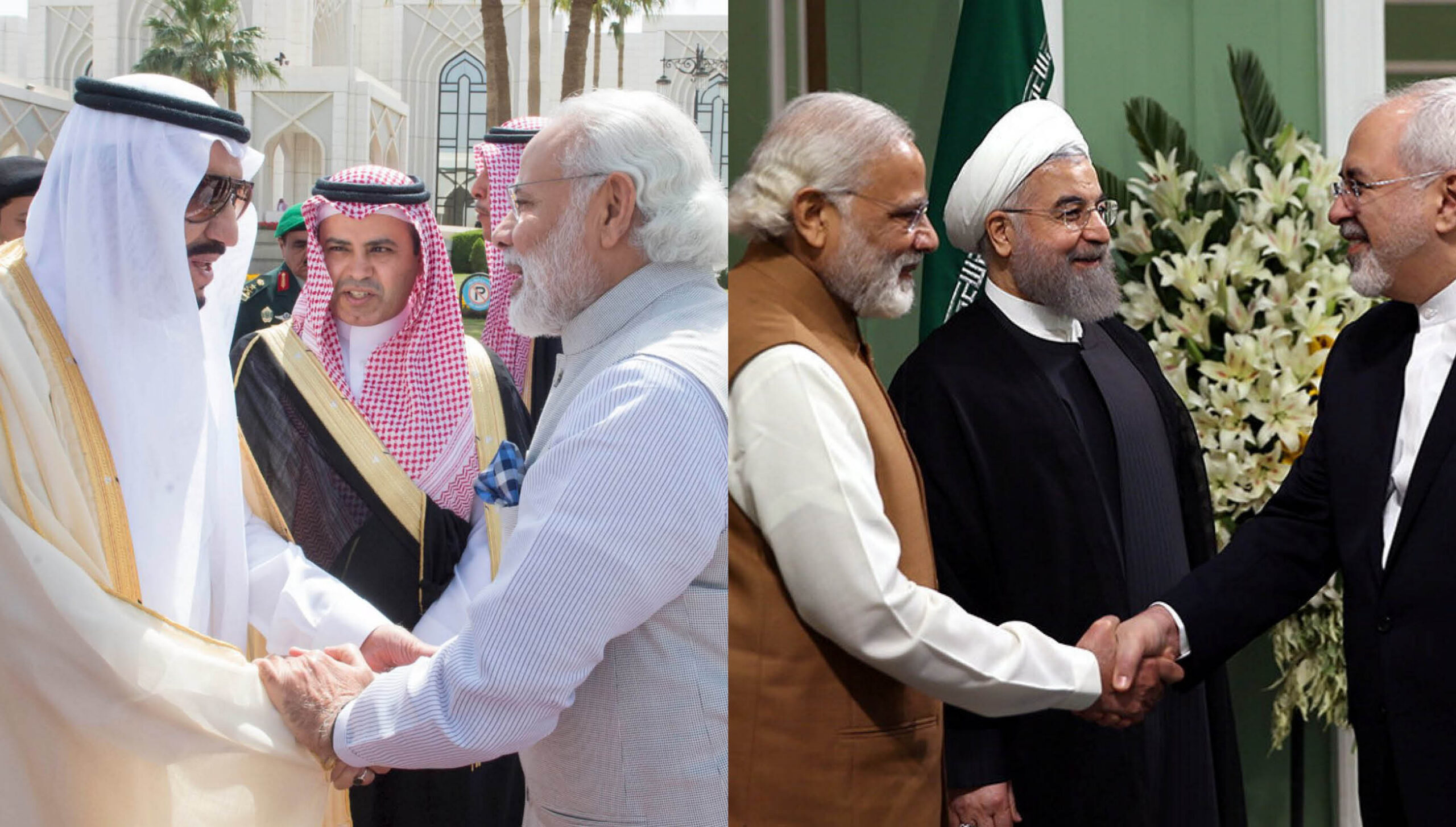
This essay discusses India’s increasingly extensive relations with the Gulf Arab countries and its equally important interest in continuing to develop mutually beneficial ties with Iran. The author argues that as India’s regional profile rises and its economic prowess expands, New Delhi will come under pressure to take sides — pressure to which Indian leaders must try their utmost not to succumb.
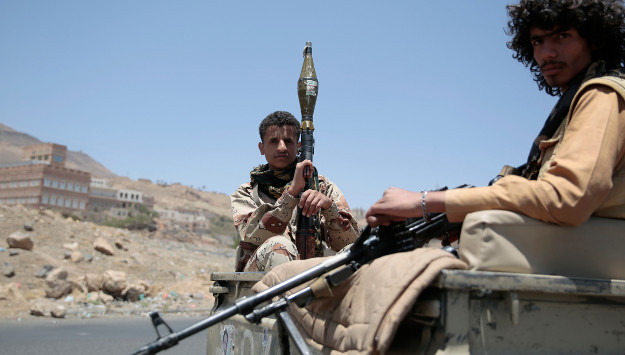
If President Trump travels to Riyadh later this month, as reported, he will find that the six leaders of the Gulf Coordination Council (GCC) countries hold widely divergent views on Iran, the extent of the Iranian threat, and how to resolve the conflict in Yemen.
‘Linking West’ in ‘Unsettled Times’: India-G.C.C. Trade Relations
Economic and trade relations have been the most dynamic and significant component of the fundamental changes that have taken place in India’s relations with the Gulf Cooperation Council (G.C.C.) countries since the early 1990s. As a consequence, the Gulf has become of vital strategic importance for India in terms of energy security, trade, investment, and remittances. This essay discusses the contours of India’s trade relations with the G.C.C. countries, including the contributions they have made to India’s economic ascent and the scope for their further development.
India has become Israel’s largest arms export market in the world over the last decade (replacing China); and Israel has become one of India’s largest arms supplier. Why did India develop a strong military partnership with a country it had ignored for 42 years? What can explain the development of defense ties in spite of limited political leadership involvement over the past decade? Finally, what are the prospects for defense relations as India grows to become one of the world’s largest defense importer? This essay answers these questions by providing an account of the evolution of Indo-Israeli defense cooperation over the past 25 years.
Locating Syria in India’s Diplomacy toward West Asia
India has sought to continue its five-decade long cordial relationship with Syria despite the conflict raging there, and has been providing muted support for Bashar al-Assad’s government. However, as the Syrian conflict has dragged on, it has become increasingly clear that the conflict in Syria is the epicenter of the tremors that are shaking the region, placing India’s own national interests at risk. This essay examines the arc of India’s policy toward the Syrian crisis, within the context of the broader thrust of Indian foreign policy towards West Asia under Prime Minister Narendra Modi.
Enhancing India-Oman Economic Engagement: Four Promising Initiatives
India’s interests and capabilities extend well beyond the sub-continent. This essay is part of a series that explores the geopolitical dimensions, economic ties, transnational networks, and other aspects of India’s links with the Middle East (West Asia) — a region that plays a vital role in India’s economy and its future. More ...
When I was approached last summer by New York University’s Hagop Kevorkian Center for Near Eastern Studies to teach a class this spring, I did not imagine the changes that would take place in the American political landscape. Since Donald Trump took office, his promise to place “America first” has manifested itself in numerous ways. Although I am committed to the university and the students, traveling to the United States is becoming less and less enticing.
India’s Strategic Vision About West Asia and Its Limitations
The discourse of Non-Alignment continues to shape the political culture of the Indian establishment’s strategic thinking in the field of foreign policy, notwithstanding the decline of Gandhian-Nehruvian moralism and increasing adaptation to the culture of power-centered realism in recent years. This essay shows that gradualism and risk avoidance remain deeply embedded features of India’s conduct of external relations, including its relations with West Asia.
Redefining the Drivers of India-G.C.C. Economic Relations
Against the backdrop of the global geo-economic shift from West to East, India and its G.C.C. counterparts can, and should, seize the opportunity to recalibrate and reshape their economic relations. This essay discusses how the adoption of a value chain approach and its application to the healthcare high-tech digital service sectors.
Resolving the Conflict in Yemen: U.S. Interests, Risks and Policy
The following testimony by Amb. (Ret’d) Gerald M. Feierstein, Senior Fellow and Director of the Center for Gulf Affairs at the Middle East Institute, was delivered to the United States Senate Foreign Relations Committee on March 9, 2017.
Mr. Chairman, Mr. Ranking Member, Members of the Committee:
Thank you for providing this opportunity to speak to you today about Yemen and the tragic circumstances confronting the Yemeni people.
This essay explores the future of India-Gulf ties in all spheres and some out-of-the-box security dynamics, especially the possibility of evolving an alternative security mechanism in the Gulf. It specifically highlights the opportunities and challenges for Asian countries, especially India, in the quest for a new collective security architecture and stability in the region.