Welcome, Keynote address – MEI's 4th Annual Conference on Turkey
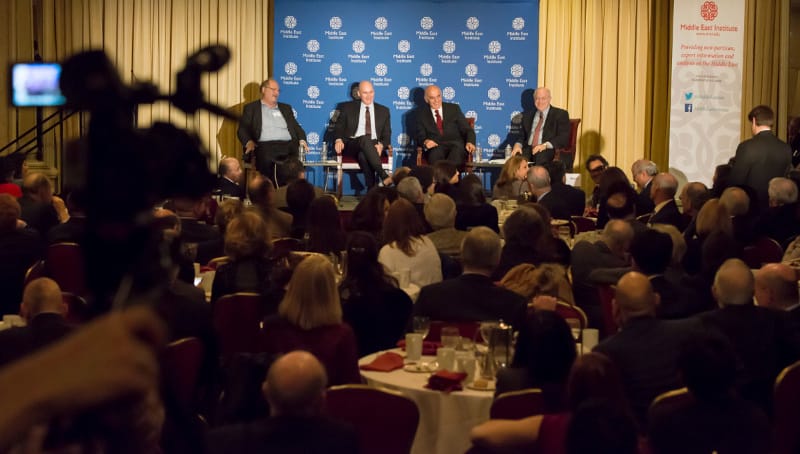
The Middle East Institute Center for Turkish Studies’ Fourth Annual Conference on Turkey8:45am: WelcomeAmb. Wendy Chamberlin, President, Middle East Institute9:00am-9:45 am: Keynote AddressRep. Ed Whitfield (R-KY), United States House of RepresentativesJune 14, 2013, 8:45am, 9:00am
Interview with Professor Selçuk Esenbel, Director of the Asian Studies Center, Boğaziçi University, Istanbul, Turkey
Although Turkey has a long history of continuing interaction with European intelligentsia, politicians and opinion makers, and also with the United States, there is very little experience and background with which to communicate with Asian countries. The Asian Studies Center is now recognized as the institution that can form viable academic connections and develop projects accordingly which will “bring the world to Turkey.”
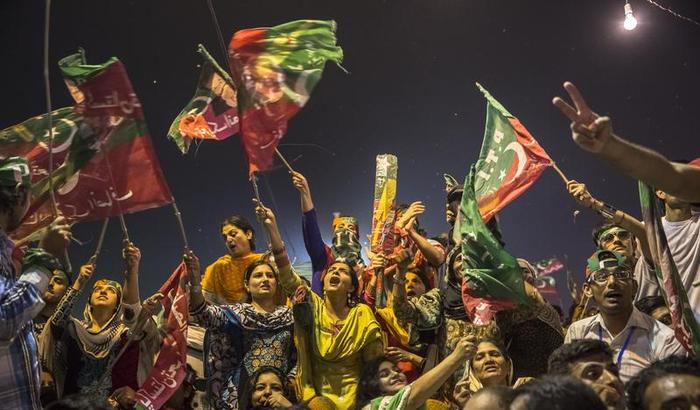
In the wake of Pakistan’s recently concluded elections, this panel will offer insight and analysis into what the results are likely to mean for the future of the country and region. The speakers will reflect on the possible composition of a new government and the implications of the election for the future of Pakistan’s democratic system.
In the wake of Pakistan’s recently concluded elections, this panel will offer insight and analysis into what the results are likely to mean for the future of the country and region. The speakers will reflect on the possible composition of a new government and the implications of the election for the future of Pakistan’s democratic system.
In the wake of Pakistan’s recently concluded elections, this panel will offer insight and analysis into what the results are likely to mean for the future of the country and region. The speakers will reflect on the possible composition of a new government and the implications of the election for the future of Pakistan’s democratic system.
In the wake of Pakistan’s recently concluded elections, this panel will offer insight and analysis into what the results are likely to mean for the future of the country and region. The speakers will reflect on the possible composition of a new government and the implications of the election for the future of Pakistan’s democratic system.
In the wake of Pakistan’s recently concluded elections, this panel will offer insight and analysis into what the results are likely to mean for the future of the country and region. The speakers will reflect on the possible composition of a new government and the implications of the election for the future of Pakistan’s democratic system.
What Pakistan’s Democratic Future Holds for the United States
With elections set to take place on May 11, Pakistan stands at an important juncture of its history. The Election Commission of Pakistan, arguably the most independent and impartial that the country has had, is working diligently to ensure that the electoral process is free and fair. A democratically elected government could, for the first time in Pakistan’s history, relinquish power to another civilian government. Such a development, which marks a new phase in the Pakistan’s democratic struggle, indicates the need for a reassessment of U.S.
Along with countries such as Syria and Iraq, Pakistan has become a theater of doctrinal differences between Shia and Sunni Muslims, signifying that rifts between local groups have become linked to the wider violent sectarianism in the Middle East.