تفاصيل هجوم "داعش" على سجن الصناعة في مدينة الحسكة السورية
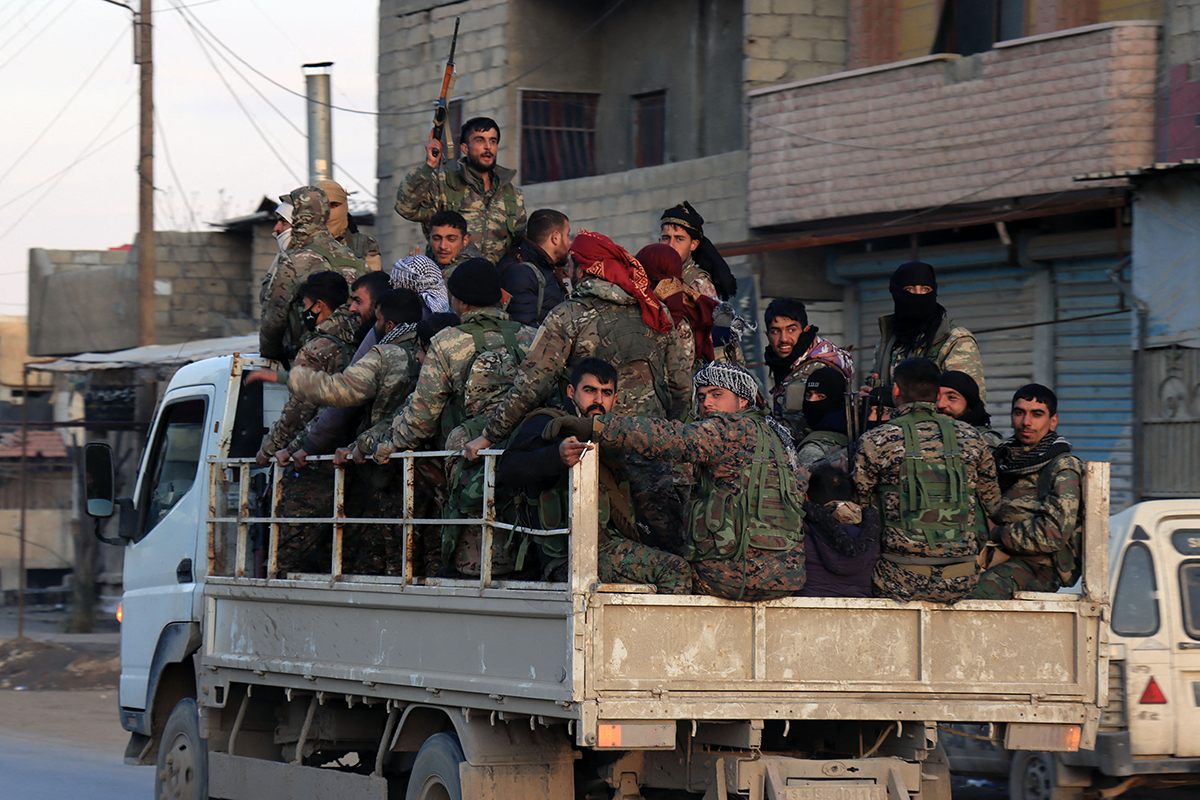
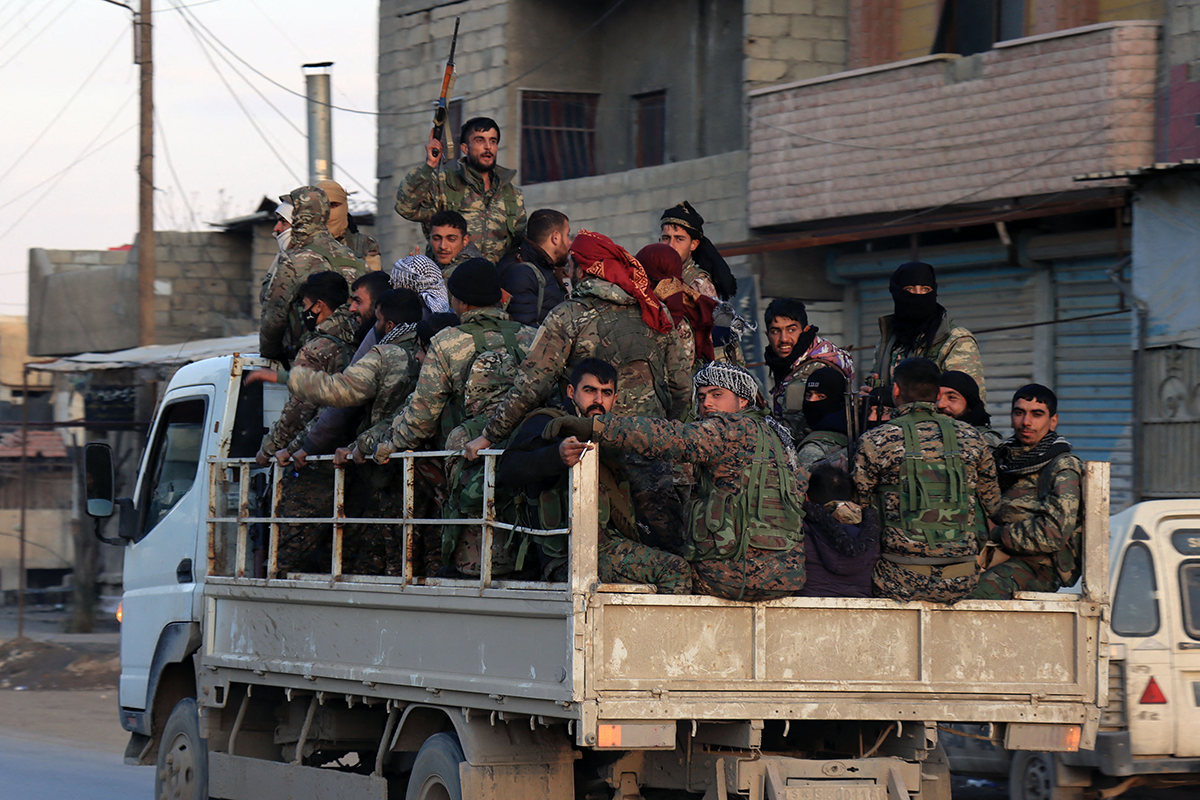
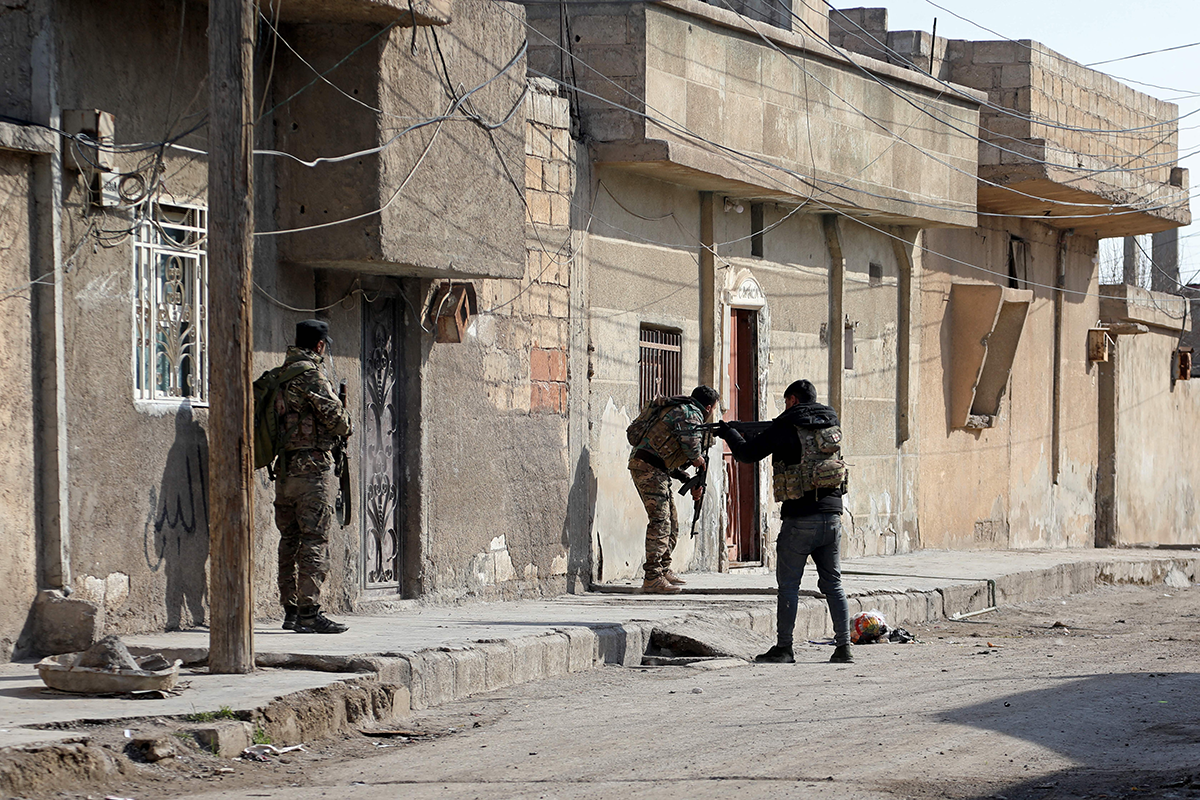
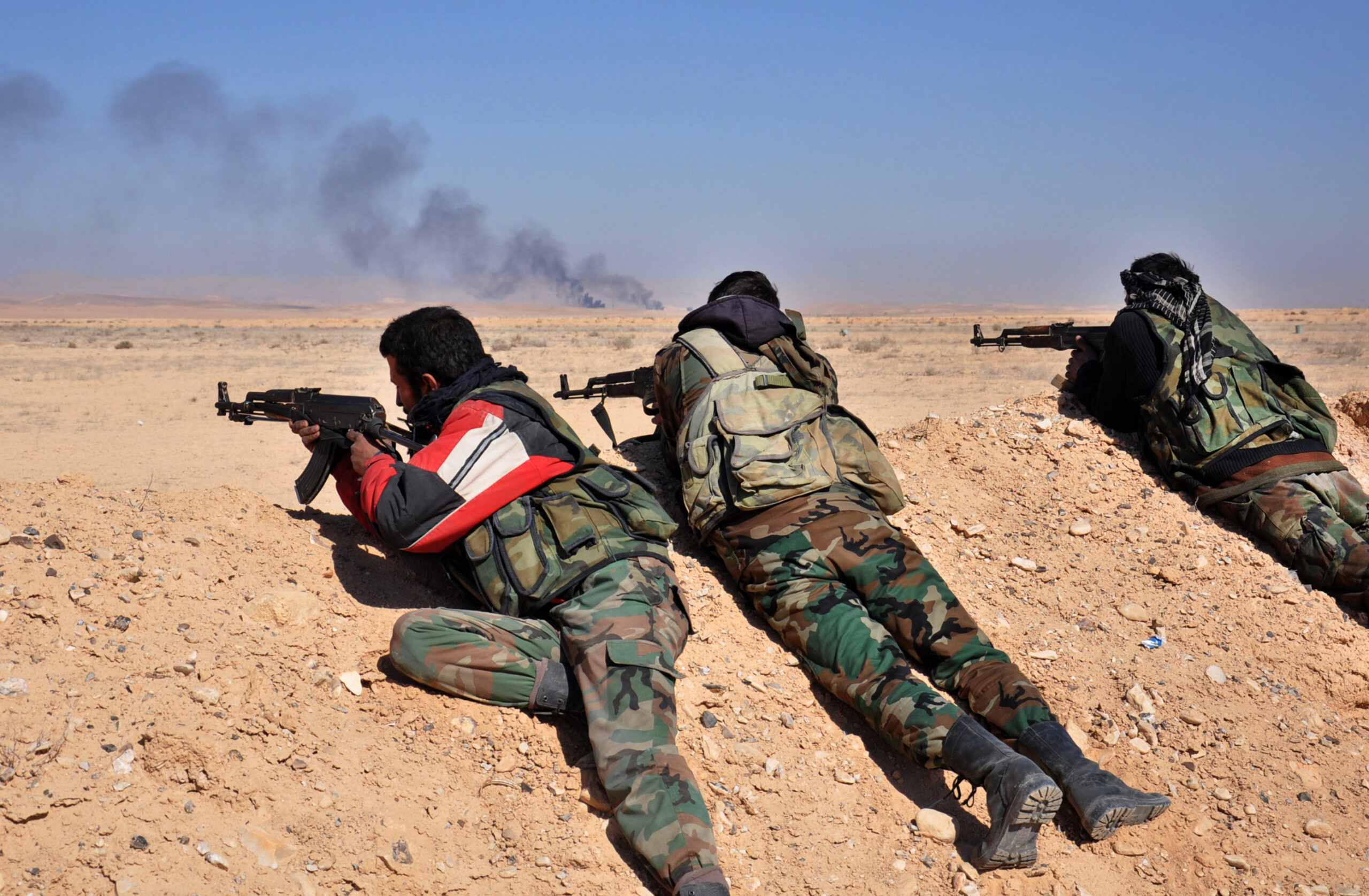
في العشرين من شهر كانون الثاني/ يناير، هاجمت مجموعات تابعة لتنظيم “داعش”، سجن الصناعة الواقع في الجهة الجنوبية لمدينة الحسكة أقصى شمال شرق سورية، الهجوم الذي أستمر لقرابة تسعة أيام، أنتهى بمقتل العشرات من مقاتلي التنظيم ومعتقليه داخل السجن، إضافة لمقتل قرابة 140 عنصراً من قوات سوريا الديمقراطية وحامية السجن التابعة لها.
A closer look at the ISIS attack on Syria’s al-Sina Prison
On Jan. 20, 2021, groups affiliated with ISIS attacked al-Sina Prison in the southern part of the city of al-Hasakah, in Syria’s far northeast. The attack, which lasted for nearly nine days, ended with the killing of dozens of ISIS fighters and detainees inside the prison, in addition to approximately 140 members of the SDF and its prison guards.
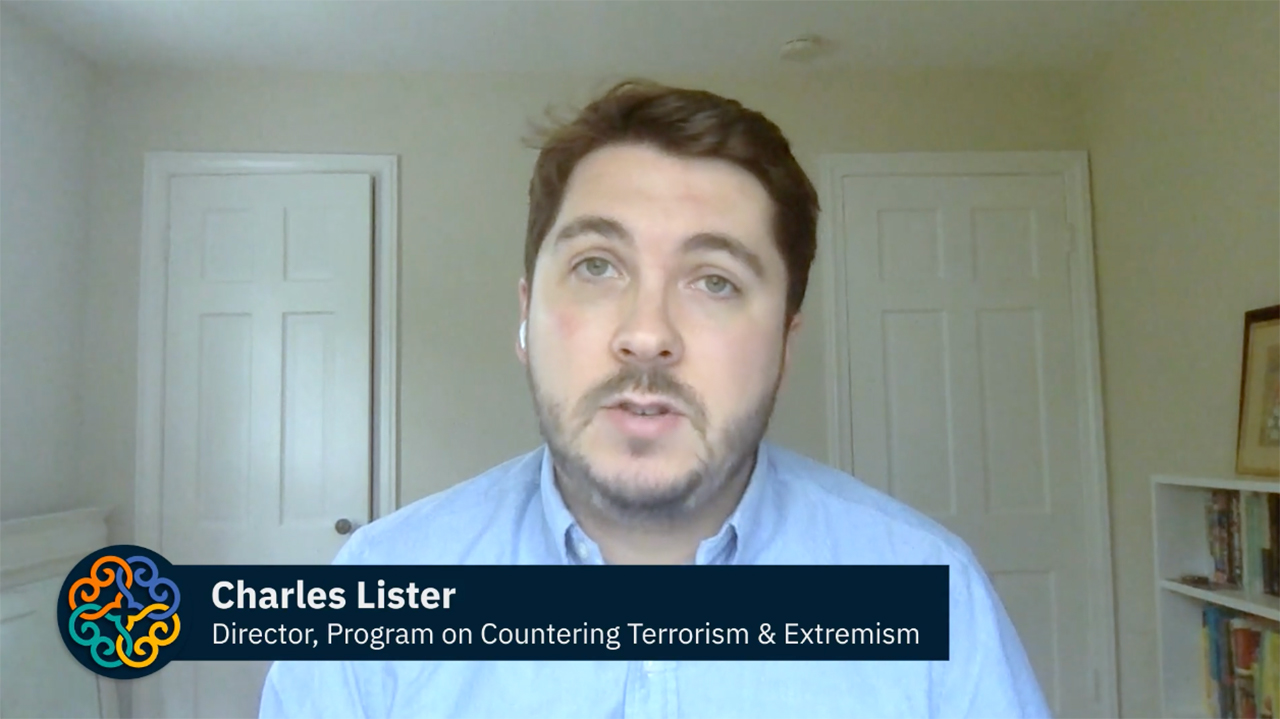
Charles Lister and Mick Mulroy discuss the dramatic Feb. 3rd U.S. special operations raid that killed ISIS leader Abu Ibrahim al-Hashimi al-Qurayshi, the group’s late January attack on the al-Sina prison, and ISIS’s broader trajectory in both Syria and Iraq.
The attack on al-Sina Prison points to a broader ISIS resurgence
Intense fighting between the SDF and ISIS continued for the fifth day in Syria’s northeastern city of al-Hasakeh on Monday, following ISIS’s biggest attack in Syria and Iraq in three years. In the evening of Jan. 20, as many as 200 ISIS militants, many wearing suicide belts, launched a coordinated multi-axis assault on al-Sina Prison, shortly after detonating two car bombs parked along the exterior walls of its northern wing. In the chaos that ensued, SDF vehicles were seized and used to break through secure walls, clearing the way for hundreds of ISIS detainees to escape.
The IRGC and the Persian Gulf Region in a Period of Contested Deterrence
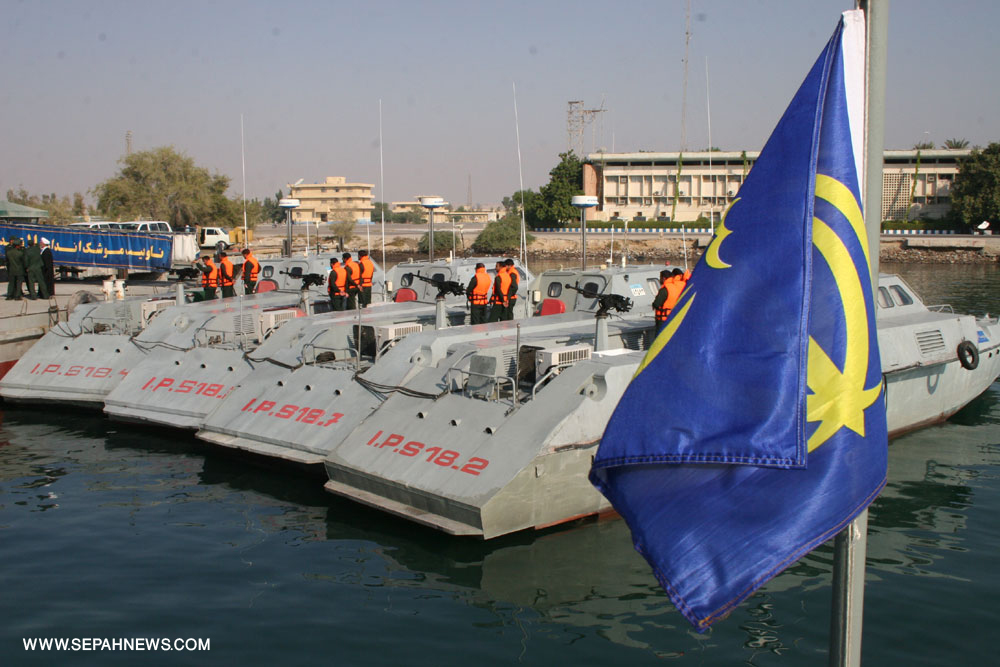
The Strait of Hormuz is one of the world’s most important maritime chokepoints, vital to the global supply of both oil and liquefied natural gas. The issue of freedom of navigation in the strait has long been a source of tension, but until recently any attempt by Iran to physically close it looked highly implausible, unless it resulted from either a major embargo or total blockade of Iranian ports by the West, or a large-scale military confrontation. However, the events of the past three years showed Iran can still ensure a major disruption of the flow of energy without a formal blockade and without an increased risk of military confrontation with the West. Iran has a variety of means at its disposal, especially through its Islamic Revolutionary Guard Corps naval forces, and the Iranians make no secret of their desire to be recognized as the dominant military power in the Gulf and the Strait of Hormuz.
The Schism of Jihadism in the Sahel: How Al-Qaeda and the Islamic State are Battling for Legitimacy in the Sahelian Context
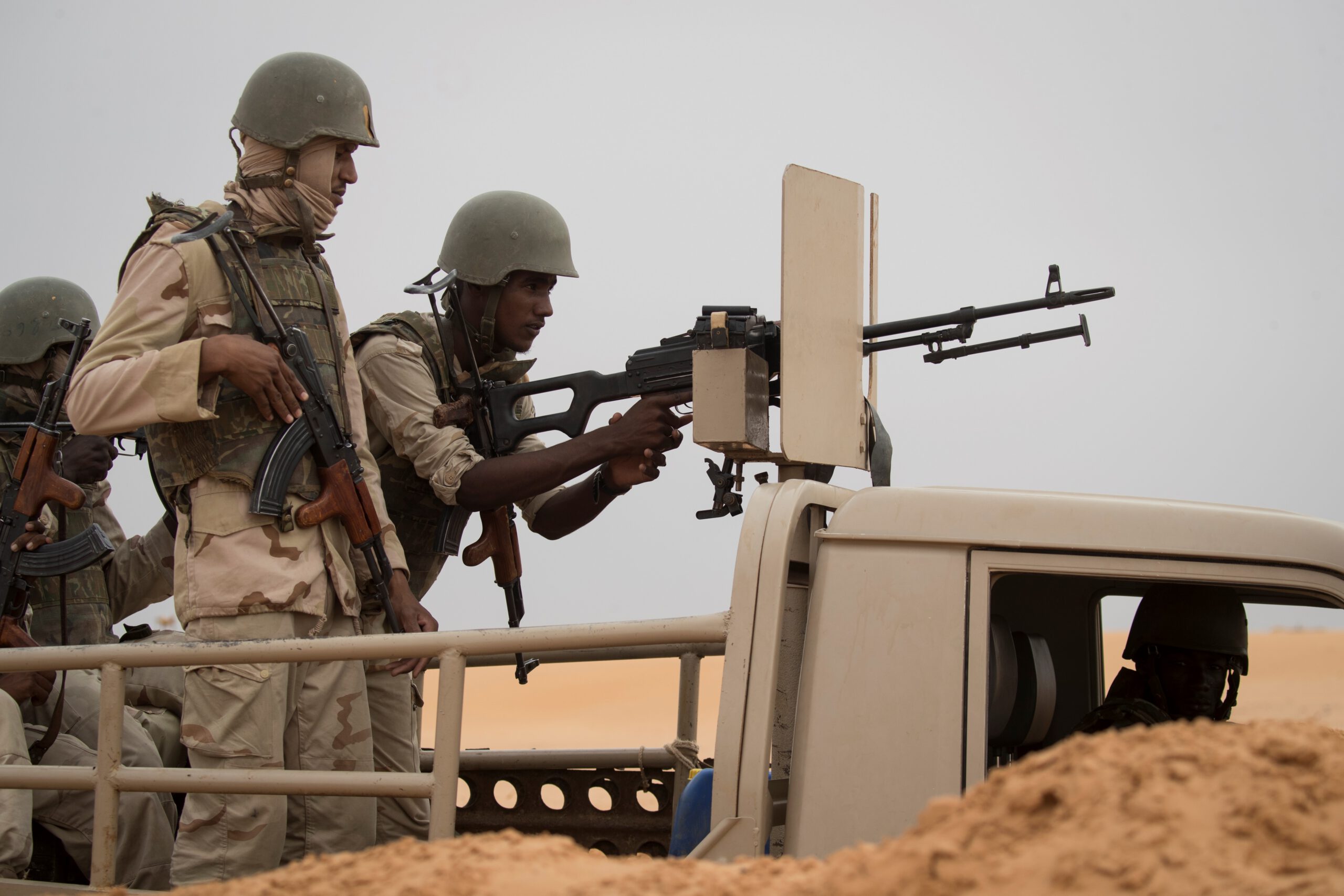
This paper examines the prospects of jihadist expansion in the Sahel region and its implications for security actors and civilian populations alike. It investigates the role of propaganda and public discourse narratives in bolstering jihadist group legitimacy and advancing attempts by groups seeking to generate local embeddedness and mass support. It offers a nuanced perspective of inter-jihadist contestation, one that goes beyond mere focusing on security operations and clashes and delves more deeply into group framing and identity.
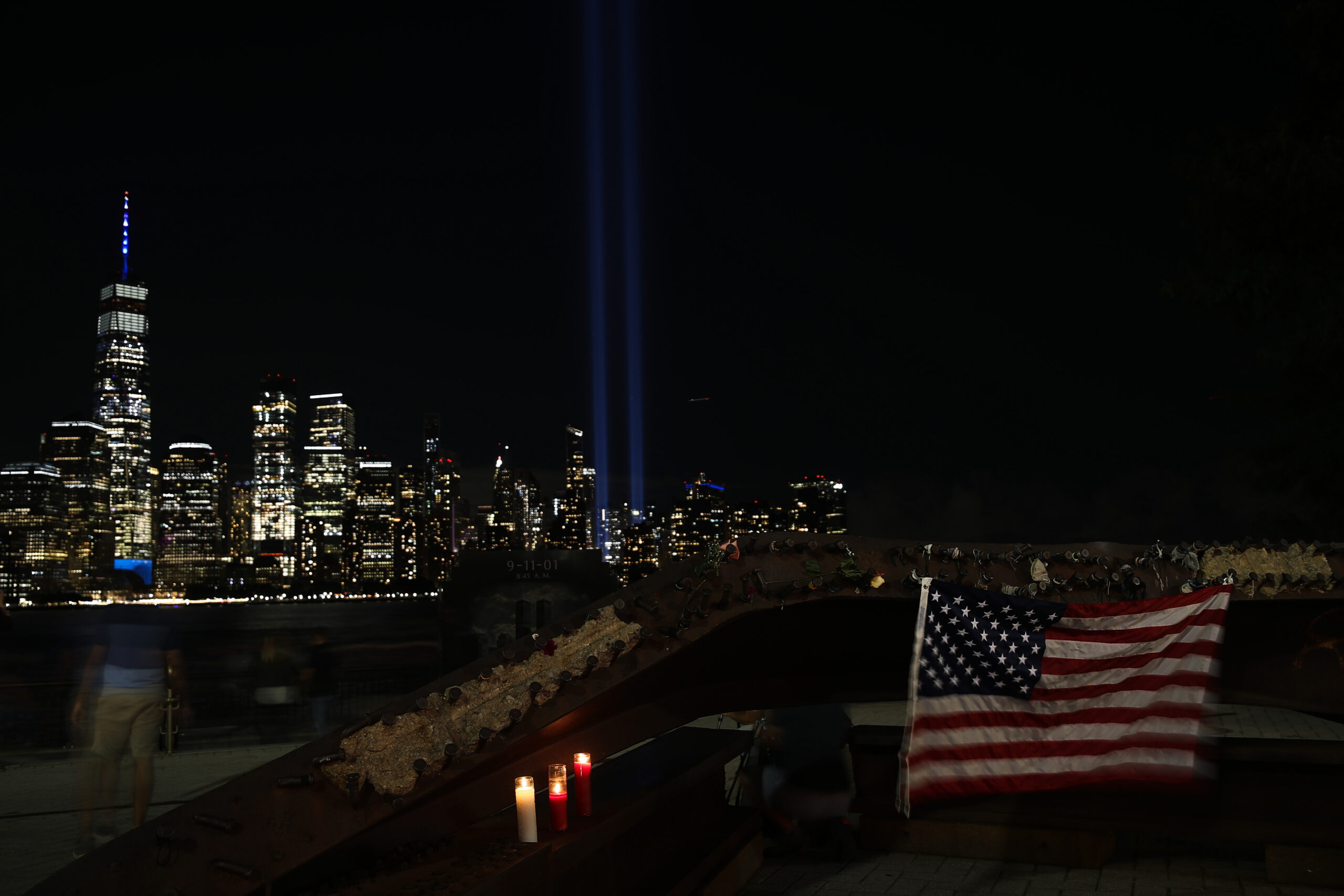
Twenty years ago, on September 11, 2001, al-Qaeda attacked New York and Washington, killing nearly 3,000 people. The terrorist attacks and their aftermath transformed U.S. policy, giving rise to the war on terror and the military intervention in Afghanistan. On the 20th anniversary of 9/11, scholars and Advisory Council members of MEI’s Countering Terrorism and Extremism Program offer their reflections.
Elisabeth Kendall and Nadwa al-Dawsari join Charles Lister to discuss Al-Qaeda in the Arabian Peninsula (AQAP) and its place in Yemen’s persistent internal conflict.
Islamic State Under-Reporting in Central Syria: Misdirection, Misinformation, or Miscommunication?
The central media apparatus of the Islamic State group is mis-reporting on the activities of its cells in central Syria. Rather than exaggerating their capabilities, something that it is conventionally assumed to be doing all the time, its Central Media Diwan appears either to be deliberately under-playing them, or, less likely, to be unaware of their full extent, possibly due to communication issues.
Al Qaeda and lessons from the past 20 years of counterterrorism
Peter Bergen and Colin Clarke join guest host Charles Lister to discuss Bergen’s new book, The Rise and Fall of Osama Bin Laden, as well as the Biden administration’s handling of the US withdrawal from Afghanistan and concerns about the country once again becoming a safe haven for Al Qaeda under the Taliban.
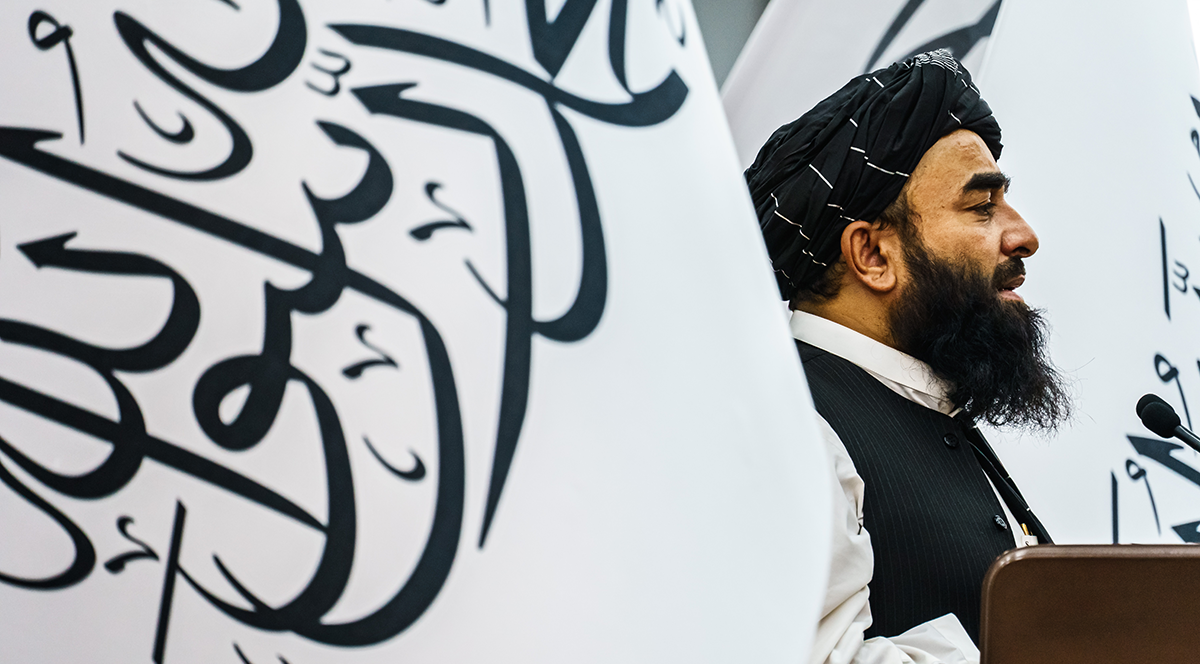
The Taliban and the formation of a new Afghan government
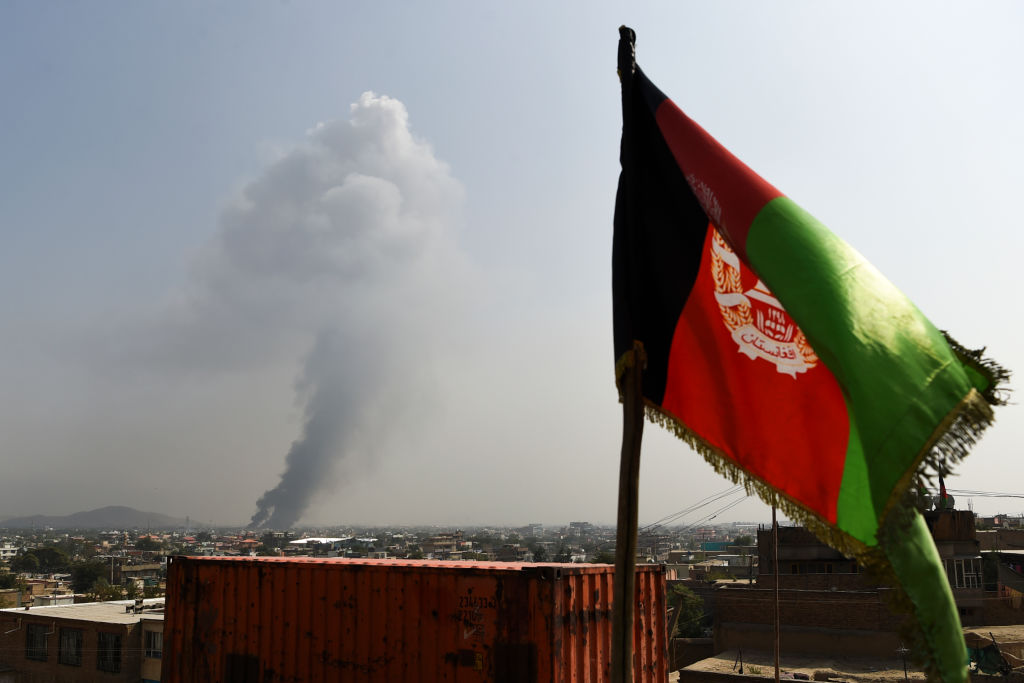
A week and a half after the fall of Kabul, the world has yet to fully recover from the shock of how quickly the Ghani regime collapsed. As U.S. and international forces continue their evacuations and many Afghans struggle to leave for Western countries, the formation of a new government in Kabul has picked up pace. The Taliban have been consulting all stakeholders to form a government that has broad support from a variety of Afghan populations — one they say will be “inclusive” and “Islamic” — but what that will actually mean or look like in practice is as yet unclear.