The Middle East Institute’s 66th Annual Conference
The Middle East Institute’s 66th Annual Conference
November 13-14, 2012
The Grand Hyatt Hotel
1000 H Street, NW
Washington, DC 20001
Banquet:
Tuesday November 13
Keynote Speaker: Ambassador (Ret.) Ryan C. Crocker
Ryan C. Crocker recently left his post as U.S. ambassador to Afghanistan.
He has also served as U.S. ambassador in Iraq, Pakistan, Syria, Kuwait, and Lebanon.
The Middle East Institute’s 66th Annual Conference
The Middle East Institute’s 66th Annual Conference
November 13-14, 2012
The Grand Hyatt Hotel
1000 H Street, NW
Washington, DC 20001
Banquet:
Tuesday November 13
Keynote Speaker: Ambassador (Ret.) Ryan C. Crocker
Ryan C. Crocker recently left his post as U.S. ambassador to Afghanistan.
He has also served as U.S. ambassador in Iraq, Pakistan, Syria, Kuwait, and Lebanon.
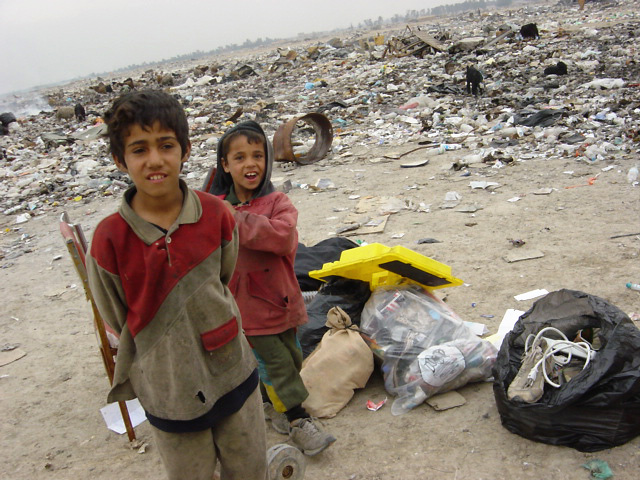
Introduction to Iraq's Refugees and IDP Crisis: Human Toll and Implications
Originally posted July 2008
In the comparatively short time since the establishment of the Iraqi state in 1920, the country has experienced successive waves of forced migration. Yet the magnitude of the forced displacement of Iraqis from their homes since 2003 is unprecedented. In addition to the still dire humanitarian situation are the potentially far-reaching negative implications of the refugee/IDP crisis for the future of Iraq and the Middle East as a whole.
Iraq’s Internally Displaced Persons (IDPs) Scale, Plight, and Prospects
Originally posted July 2008
Over the past several decades, and especially in the past two years, Iraq has suffered from one of the worst displacement crises in the world.
While new displacement has slowed to a trickle in 2008, the conditions of those already displaced continue to deteriorate, and prospects for those returning to their homes are grim. The plight of internally displaced Iraqis and those who have crossed international borders in search of refuge remains largely unknown and unaddressed.
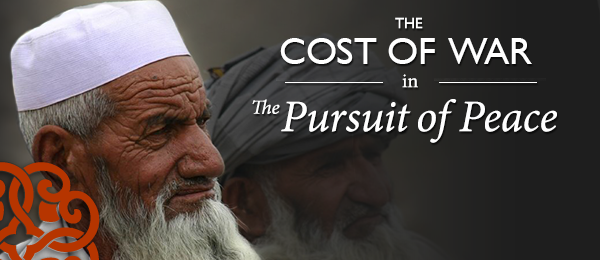
Since the overthrow of King Mohammad Zahir Shah in 1973, Afghanistan has been plagued by war — either war waged among ideologues (Marxists v. nationalists) or war marked by foreign invasion and occupation. The Soviet occupation of Afghanistan, which began in 1979, lasted a full decade.
After the Summit: Assessing Iraq's Relations with its Arab Neighbors
MEI Podcast, 12 July, 2012After the Summit: Assessing Iraq’s Relations with its Arab NeighborsJohn Desrocher, Gregory Gause, Ken Pollack, Amb. Samir Sumaida’ie, Phebe Marr
After the Summit: Assessing Iraq's Relations with its Arab Neighbors
MEI Podcast, 12 July, 2012After the Summit: Assessing Iraq’s Relations with its Arab NeighborsJohn Desrocher, Gregory Gause, Ken Pollack, Amb. Samir Sumaida’ie, Phebe Marr
After the Summit: Assessing Iraq's Relations with its Arab Neighbors
MEI Podcast, 12 July, 2012After the Summit: Assessing Iraq’s Relations with its Arab NeighborsJohn Desrocher, Gregory Gause, Ken Pollack, Amb. Samir Sumaida’ie, Phebe Marr
After the Summit: Assessing Iraq's Relations with its Arab Neighbors
MEI Podcast, 12 July, 2012After the Summit: Assessing Iraq’s Relations with its Arab NeighborsJohn Desrocher, Gregory Gause, Ken Pollack, Amb. Samir Sumaida’ie, Phebe Marr
After the Summit: Assessing Iraq's Relations with its Arab Neighbors
MEI Podcast, 12 July, 2012After the Summit: Assessing Iraq’s Relations with its Arab NeighborsJohn Desrocher, Gregory Gause, Ken Pollack, Amb. Samir Sumaida’ie, Phebe Marr
Turkey’s popular and outspoken Prime Minister, Recep Tayyip Erdogan, was treated to a hero’s welcome last week when he met with Syrian refugees for the first time since Turkey opened its doors to the thousands of people fleeing Bashar Al-Assad’s crackdown. Erdogan’s pledge to defend the rights of the Syrian people and his call for Assad’s removal, however, fell short of expectations. Although Erdogan’s speech drew some applause, it was also interrupted by shouts of “We want arms for the Free Syrian Army and a buffer zone inside Syria!” The Turkish PM’s reiteration of his previous positi