After the Summit: Assessing Iraq's Relations with its Arab Neighbors
MEI Podcast, 12 July, 2012After the Summit: Assessing Iraq’s Relations with its Arab NeighborsJohn Desrocher, Gregory Gause, Ken Pollack, Amb. Samir Sumaida’ie, Phebe Marr
After the Summit: Assessing Iraq's Relations with its Arab Neighbors
MEI Podcast, 12 July, 2012After the Summit: Assessing Iraq’s Relations with its Arab NeighborsJohn Desrocher, Gregory Gause, Ken Pollack, Amb. Samir Sumaida’ie, Phebe Marr
After the Summit: Assessing Iraq's Relations with its Arab Neighbors
MEI Podcast, 12 July, 2012After the Summit: Assessing Iraq’s Relations with its Arab NeighborsJohn Desrocher, Gregory Gause, Ken Pollack, Amb. Samir Sumaida’ie, Phebe Marr
After the Summit: Assessing Iraq's Relations with its Arab Neighbors
MEI Podcast, 12 July, 2012After the Summit: Assessing Iraq’s Relations with its Arab NeighborsJohn Desrocher, Gregory Gause, Ken Pollack, Amb. Samir Sumaida’ie, Phebe Marr
After the Summit: Assessing Iraq's Relations with its Arab Neighbors
MEI Podcast, 12 July, 2012After the Summit: Assessing Iraq’s Relations with its Arab NeighborsJohn Desrocher, Gregory Gause, Ken Pollack, Amb. Samir Sumaida’ie, Phebe Marr
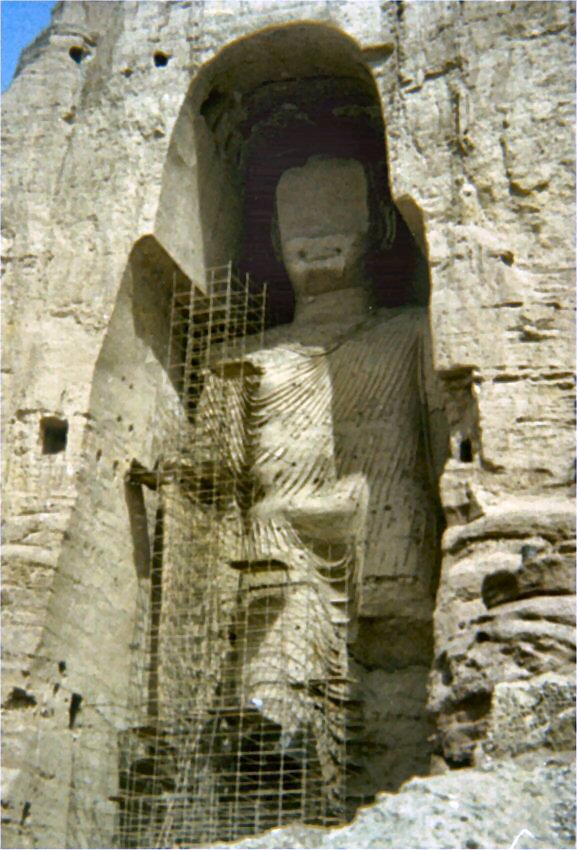
Bruce Richardson raises an important issue regarding the protection, trafficking, and exploitation of cultural patrimony. Aspects of this issue range across research, polemics, and litigation in attempts to document loss, return treasures, or on the other hand prevent restitution or repatriation. Richardson properly decries cultural looting, but we must distinguish among causes to reach agreement on protective steps.
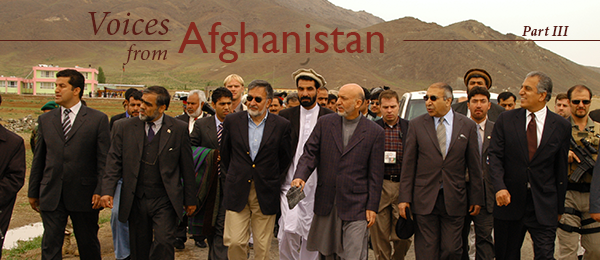
The Afghanistan Stabilisation Program (ASP): A National Program to Improve Security and Governance
Since the coup in April of 1978 by the People’s Democratic Party of Afghanistan (PDPA), the social, cultural, political, economic, governance, and security fabric of Afghanistan’s institutions have been destroyed by the subsequent Mujahedin and Taleban regimes. It is impossible to have enduring peace, stability, and development in a country without a strong institutional foundation. After 33 years of war and instability, for the most part, the linkages between central, provincial, district, and village governance structures in Afghanistan are either very weak or non-existent.
America's Catch-22: The Iran Question in Afghanistan
This Opinion first appeared in Frontline.com’s Tehran Bureau on June 13, 2012 and was co-authored by Christina Lin
As U.S. and other NATO troops prepare to leave Afghanistan in 2014, a geopolitical realignment will be under way in Southwest Asia. One possible scenario would outright undermine a principle U.S. policy objective in the region: the containment of Iran.
When Russian archaeologist Viktor Sarianidi excavated Tilya Tepe in 1978, 21,000 bejeweled, gold artifacts created during the Greco-Bactrian era known as The Golden Hoard of Bactria were reported as inventoried, photographed, and catalogued. But in consideration of the time (1978), and the fact that the Kremlin was considering military intervention in Afghanistan in support of the Communist regime, it seems prudent to challenge the veracity of Professor Sarianidi’s findings.
Turkey’s popular and outspoken Prime Minister, Recep Tayyip Erdogan, was treated to a hero’s welcome last week when he met with Syrian refugees for the first time since Turkey opened its doors to the thousands of people fleeing Bashar Al-Assad’s crackdown. Erdogan’s pledge to defend the rights of the Syrian people and his call for Assad’s removal, however, fell short of expectations. Although Erdogan’s speech drew some applause, it was also interrupted by shouts of “We want arms for the Free Syrian Army and a buffer zone inside Syria!” The Turkish PM’s reiteration of his previous positi
Delivering on the Commitments of Afghanistan Conferences
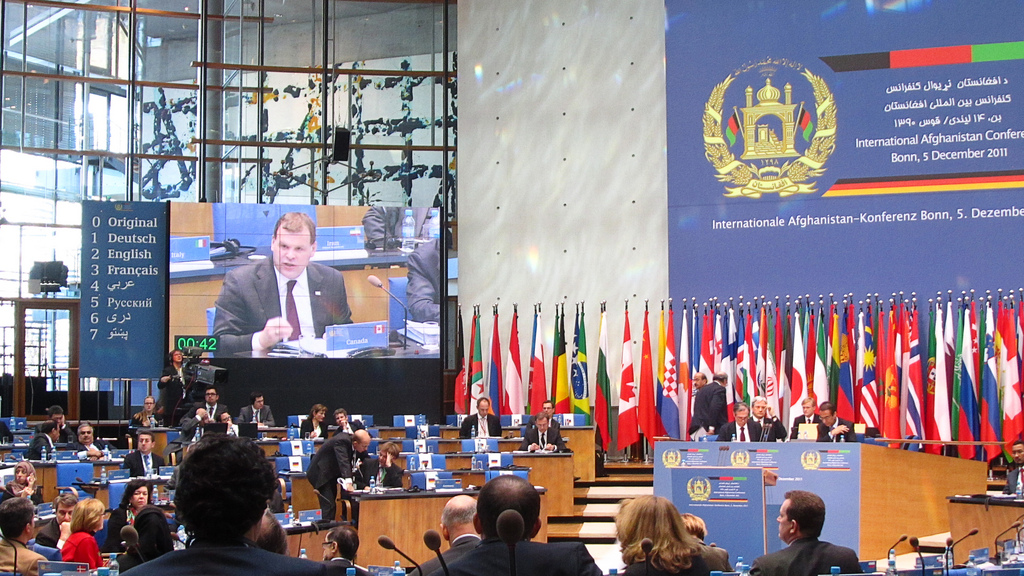
Last December in Bonn, Germany hosted and Afghanistan chaired an international conference on “Afghanistan and the International Community: From Transition to the Transformation Decade.” Eighty-five countries and 15 international organizations participated in the Conference to celebrate their shared 10-year achievements, and to recommit to consolidating and sustaining these achievements beyond 2014 into a decade of transformation until 2024.
Civil Society and Community Mobilization in Afghanistan
Originally posted December 2009
Civil Society (CS) consists of various kinds of community-based, non-governmental movements that, without waiting for or requesting government orders or assistance, come together mainly to solve problems and effect change. CS actors in Afghanistan exist at the local, district, and national levels. They are engaged in resolving problems and in calling upon people to contribute to, or participate in, community-based activities.
Experts throughout the massive aid community in Afghanistan agree that education is vital for development. Education shapes the quality of productivity, products, and services. Education informs citizens of the roles that they must play so that good governance may thrive. Education molds the quality of leadership. Yet, despite the rhetoric, the education sector is perennially underfunded; typically, it receives scarcely 10% of what is provided to other sectors.