Donor Challenges and Opportunities for Meeting the Health Needs of Conflict-Affected Communities
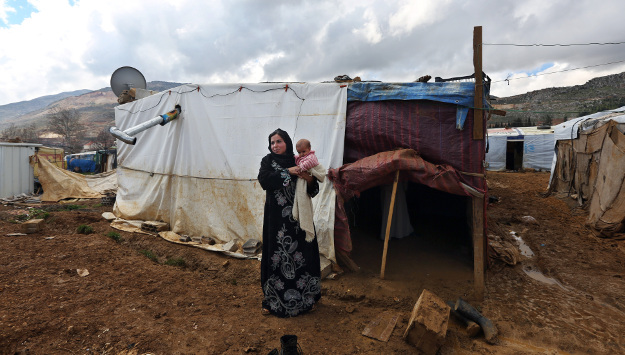
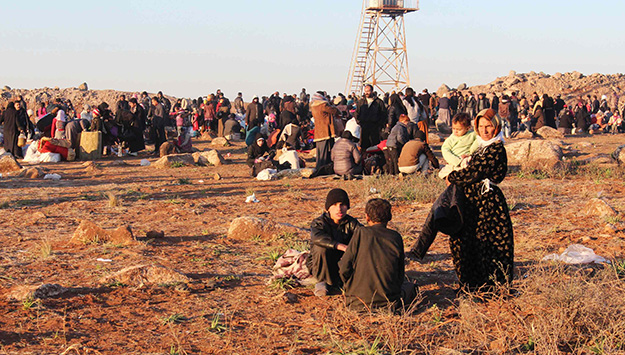
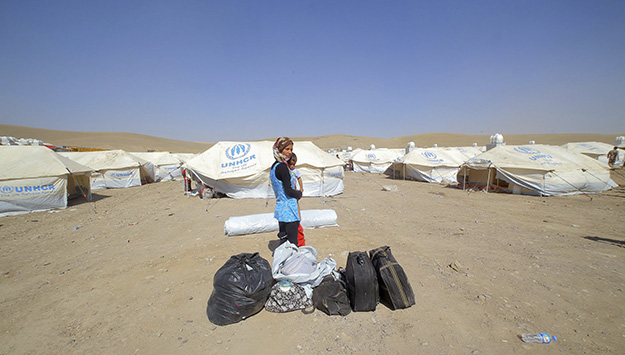
Conflicts in the Middle East, especially the Syrian conflict, are stretching the humanitarian community more than ever before. There are almost 60 million displaced people around the world, the largest exodus in recorded history; nearly a quarter of whom are from the Middle East, with 20% from the Syrian conflict alone. As the region generating the most displacement and the host to the largest number of displaced persons, the Middle East presents unique challenges for the international community, including donors like us at USAID.
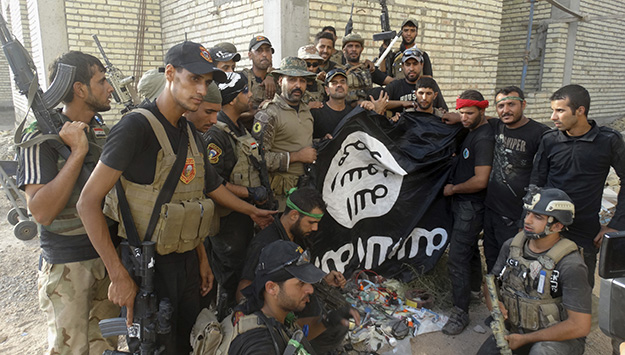
If the hallmark of al-Qa‘ida was to execute simultaneous spectacular attacks to advance its strategic momentum, the month of Ramadan in June and July showed that the Islamic State (ISIS) is taking this tactic to a new level. Yet the extreme amounts of blood shed during the holy month will likely ultimately weaken ISIS, as tribes and other groups in Syria and Iraq, even more appalled by the organization’s barbarism, unite against it.
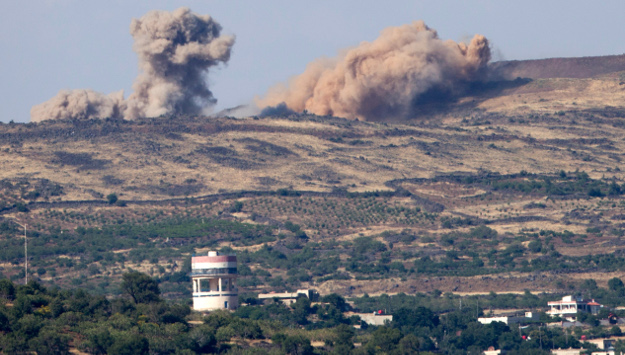
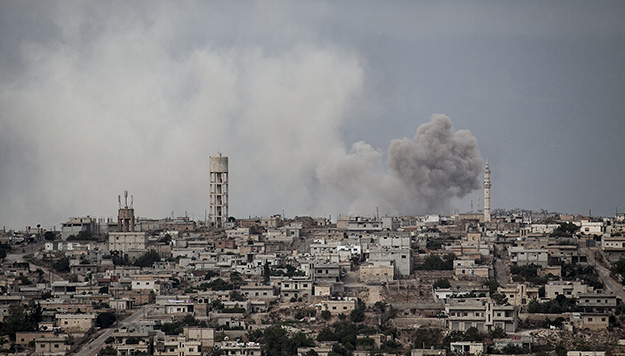
The Middle East Dialogue on New Political and Security Dynamics Shaping the Arab Region met in Beirut May 30-31 to consider the situation in Syria, which has deteriorated further since the last meeting of the Dialogue in Berlin last December. Violence has risen, government-controlled territory has been lost to both opposition and extremist forces, Syrians are suffering and the Syrian government is reaching the limits of its military and civilian capabilities.
Improved Egypt-Israel Relations through Sinai Crisis: Will They Last?
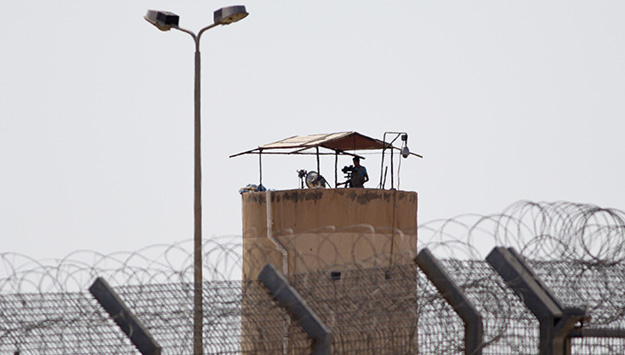
Egyptian diplomats rarely have a good word to say about U.S. policies these days. In contrast, they are enthusiastic in their praise of the close relations between Cairo and Jerusalem—centered on counterterror security and intelligence cooperation in Sinai—and effusive in their acknowledgement of Israel’s response to the bloody insurgency there, led by Egypt’s ISIS affiliate in the “Sinai Province,” Ansar Beit al-Maqdis.
“Relations with Israel are great,” observed an Egyptian official recently.[1]
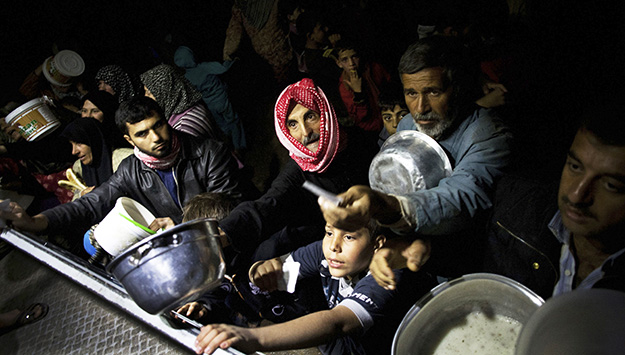
“What’s going to happen to the Syrian refugees?” This was the question I asked of everyone I met during a recent trip to Lebanon and Turkey to research Syrian displacement. Without exception, those I asked—government and UN officials, academics, business and NGO representatives, Syrian diaspora groups, and Syrian refugees—responded with the same answer: “I don’t know” (or sometimes “‘God only knows”). When pressed, almost everyone said that the war in Syria would continue for the foreseeable future and that more people would likely leave or try to leave.
Probably the most important group fighting the Syrian regime now is Ahrar al-Sham (Free Men of the Levant), a Salafi group fighting mainly in the north but also in central and southern Syria. Contrary to Western reports suggesting that the al-Qa‘ida-linked Nusra Front led the battle to capture the northwestern Syrian provincial capital of Idlib last March, Ahrar had more fighters in the battle—a fact demonstrated by its predominance in the subsequent military oversight council established for Idlib.
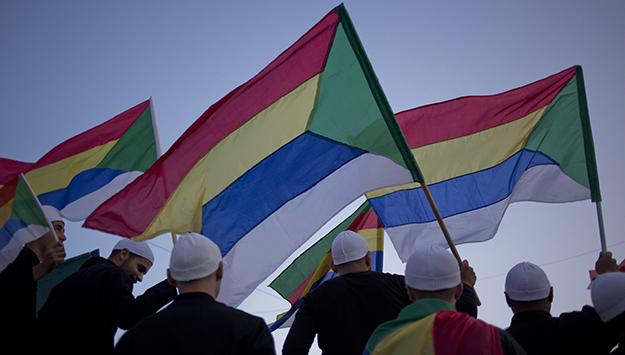
In the last few weeks, the Syrian Druze have been a focal point in significant fighting on the ground. If their role in the fighting continues, or even if it changes, the Druze will likely have a profound impact on the trajectory of the Syrian conflict.
The Humanitarian Crisis in the Middle East: Highlights from the MEI Conference
For decades, most refugee crises followed a pattern: A war erupted, usually in a poor country, and beleaguered civilians staggered across the nearest border. The United Nations organized a response, rich nations footed the bill, and aid groups sent in workers to tend to the needy. Even in extreme cases, such as the mass exodus from Afghanistan during the Soviet invasion in the 1980s, the crisis was largely confined to the country at war and a few immediate neighbors.
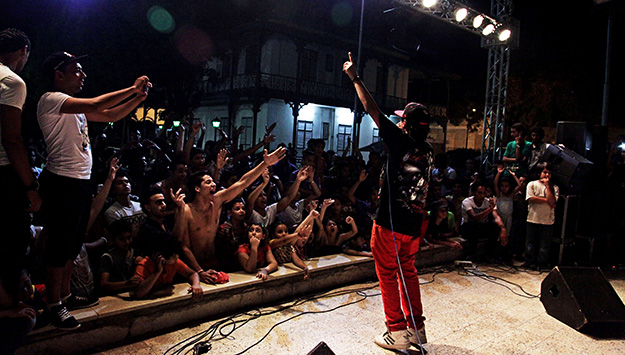
For Egypt’s low-income majority, weddings are the prime source of group entertainment, celebrated like block parties in cramped streets decorated with arabesque tapestries and drenched in colored lights and sound. You won’t hear romantic crooning at these gatherings; in Cairo’s densely-inhabited popular quarters, wedding parties are more akin to raves. The music is raw synthetic beat embroidered with syncopated tabla (Egyptian drum) samples and queasy electronic loops.
Despite the barrel bombs and chlorine gas, despite the threat from extremists—both religious and political—and despite the punishing dearth of resources, Syrian civil society continues to provide and protect. Though relatively little is written about it, Syrian civil society is remarkably active.
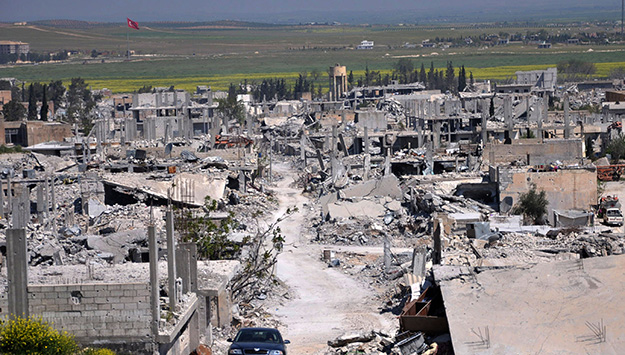
After more than four years of war, former U.S. Ambassador to Syria Robert Ford sees a fragmented country emerging, with six or more fluid and shifting zones of control:
**An Alawi/Hezbollah-controlled area along the Lebanese border and the Mediterranean coast, backed by Iran and Russia;
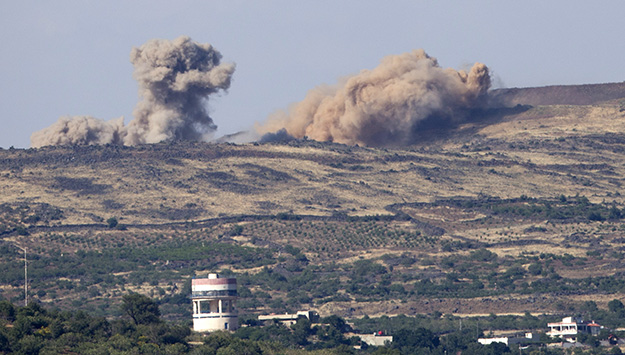
On June 22, members of the Druse minority in the Israeli town of Hurfeish threw rocks at an ambulance believed to be transporting wounded Syrian Jabhat al-Nusra rebels to medical care in Israel. The following day, a similar incident in the occupied Golan Heights resulted in the killing of one wounded rebel, also of Nusra.
Wringing Our Hands and Endless Bombing Won’t Help Us in Syria
Three months ago CIA Director John Brennan told a Congressional panel that the administration fears the fall of the Assad government in Damascus, as it could lead to “Islamist extremists, including the Islamic State, Jabhat al-Nusra, and al-Qa‘ida elements within Syria to seize power from a collapsed regime.” I heard similar fears during a Congressional hearing I attended June 17.
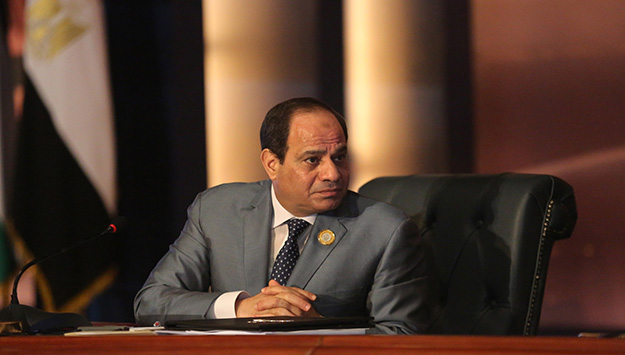
In the year since being elected to the presidency, Abdel Fattah el-Sisi has consolidated a ruling coalition, restored economic growth, and brought back considerable stability to the country after four years of turmoil. But this has come with a harsh crackdown on dissent, a decline in freedoms and human rights, and abuses by the police and judiciary. In the short term, the combination of nationalism, modest economic growth, and highlighting the war on terror is politically sustainable among a broad cross section of the population frustrated by years of uncertainty and economic decline.
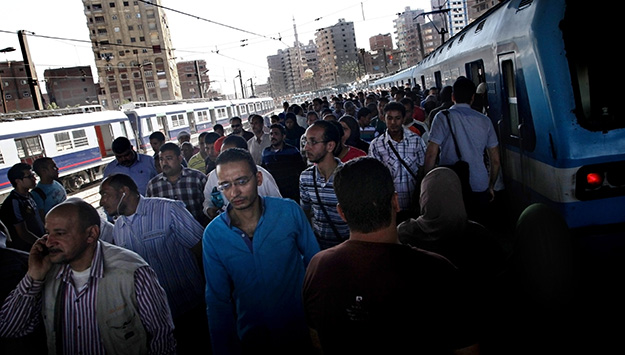
Cairo's Rough, Crowded, and Vital Underground Artery
Inaugurated in 1987, Cairo’s Metro was Africa’s first inner-city underground and the embodiment of Hosni Mubarak’s promise to modernize Egypt’s infrastructure. It is hard to think of a Mubarak-era project that was better planned, more efficiently executed, or has had such a functional impact on so many people’s lives. Serving four million passengers daily, the Metro is the fastest, cheapest means of navigating the traffic-congested urban behemoth.