Iran Opposes US Participation in Russia-Sponsored Syria Talks
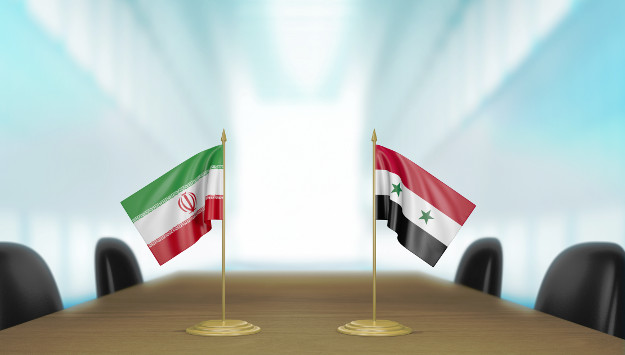
As Russia and Turkey are trying to broaden the scope of the upcoming peace talks on Syria, Tehran says it opposes the inclusion of the United States in the meeting scheduled for next week in Kazakhstan.
Kayhan, a leading newspaper that represents the most hardline of voices inside the Iranian regime, has been raising doubts about Turkish intentions in the Syrian conflict. The reservations the paper expressed come shortly after the late December 2016 Turkish-Russian-Iranian ceasefire deal aimed to kick-start the political process to find a solution to the six-year Syrian war.
Burden or Boon? Turkey’s Tactical Treatment of the Syrian Refugee Crisis
Turkey’s ruling Justice and Development Party (AKP) approaches the question of refugees much differently than its European counterparts. The latter’s pushing back against burden-sharing measures has led to what can be described as burden-shifting. In contrast, the AKP’s view of Syrian refugees in Turkey is that they are more of a boon than a burden. This essay explores the thinking and the tactics behind Turkey’s approach to dealing with the Syrian refugees challenge.
The current Syrian ceasefire effort of Russia and Turkey is a Russian attempt to impose a final political defeat on the rebels and a Turkish attempt to focus on eliminating the Kurds in Syria militarily and politically. Turkey is also intensely lobbying the new U.S. administration for help. The ceasefire deal rests on the barbarism of Russia and the Assad regime and the feckless response of the West. This is the peace Rome imposed on the prostrate Carthage. The unanimous UNSC vote endorsing the Russian/Turkish proposal enshrines one side’s brutality and the other’s moral vacuum.
Khamenei Defends Increasingly Unpopular Syrian Military Intervention
News Brief: On December 5, Iran’s Supreme Leader Ali Khamenei defended the Islamic Republic’s military intervention in Syria, arguing that the Iranian forces had to neutralize enemy threats in Syria to avoid their infiltration inside Iran’s territory.
Iran-led Forces Intensify Fighting in Syria despite Truce
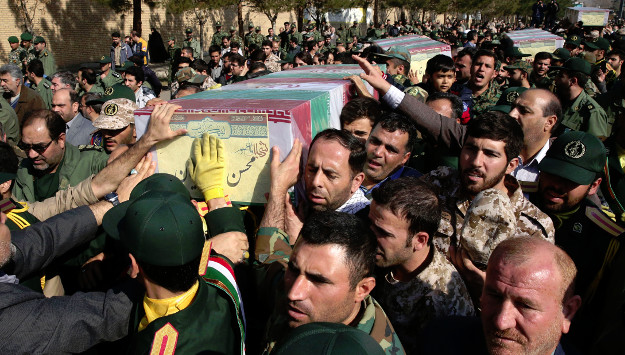
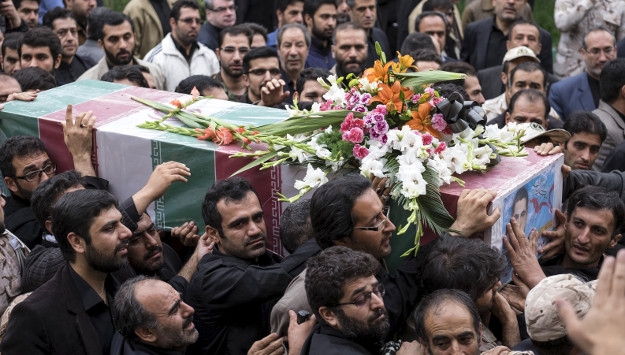
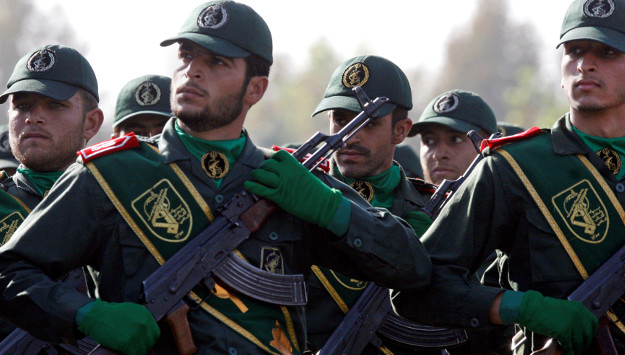
The Iranian media reports that a senior general of the Islamic Revolution Guards Corps (IRGC) has been killed in Syria. According to IRGC-affiliated Fars News Agency, Gholamali Gholizadeh was “martyred during fighting with Takfiri terrorists.” Iranian officials and outlets often refer to all Syrian opposition forces as “terrorists.”
Turkey Warns Iran against Breach of Syria Cease-Fire
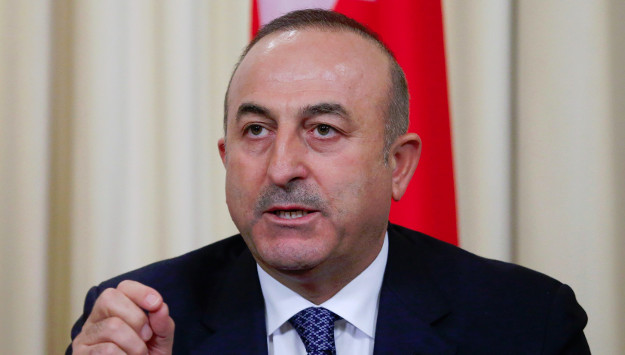
The Turkish foreign minister has openly urged Iran to “play its role as an underwriter of the ceasefire in Syria.” Mevlut Cavusoglu specifically demanded that Tehran rein in Shiite militiamen and the Lebanese Hezbollah and make them “stop violating” the ceasefire in Syria that was agreed on December28.
Iranian media has reported that Javad Turk-Abadi will be Iran’s next ambassador to Damascus. “Turk-Abadi was chosen by Foreign Minister Javad Zarif and this selection was approved by President Hassan Rouhani,” it was reported.
Senior Iranian Delegation Visits Damascus for Talks
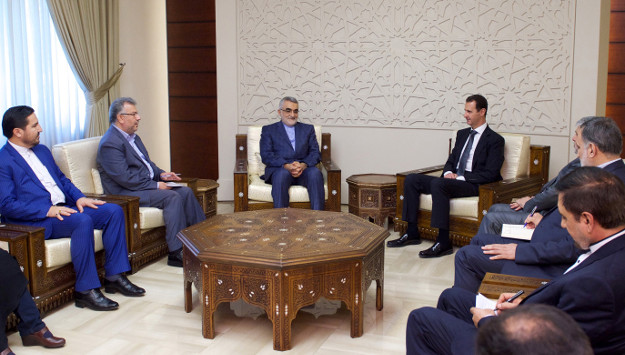
Iran’s Fars News Agency reports that a high-level Iranian parliamentary delegation left Tehran for Damascus on January 3 to hold meetings with senior Syrian officials. The chairman of Iranian Parliament’s Committee on National Security and Foreign Policy, Alaeddin Boroujerdi, heads the delegation.
IRGC Sees Victory in Syria Vital to Expanding Its Hegemony in Region
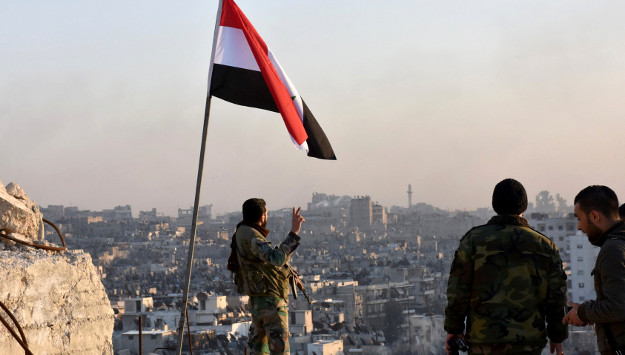
A top Iranian general has said the “liberation” of the Syrian city of Aleppo was a “strategic” victory for Iran over the United States and regional countries. “When Aleppo was liberated, polici
Saudi Female Conservationist Fights to Preserve Islamic Heritage
The Middle East’s descent into chaos has been accompanied by a growing threat to the region’s historic sites. The breakdown of states and growth in extremism have exposed these ancient sites to looting and destruction. The drivers, however, are varied. Extremist groups like ISIS profit from the smuggling of antiquities, but there are also religious motivations. Extremist movements such as ISIS and al-Qaeda, which adhere to a strictly puritanical view of Islam, perceive heritage sites, including Islamic, as a sinful distraction from faith.