Iran-Russia ties: Never better but maybe not forever?
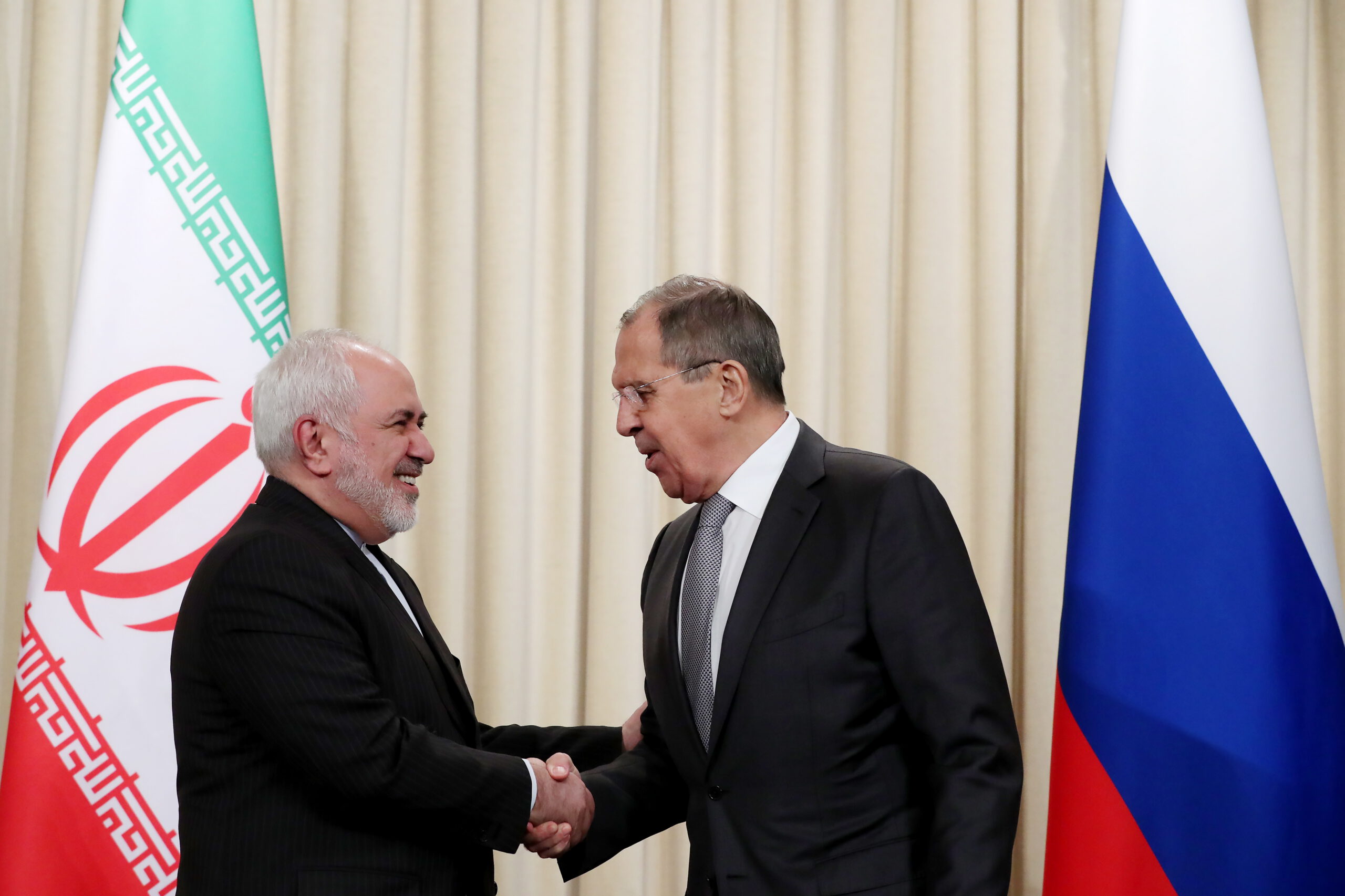
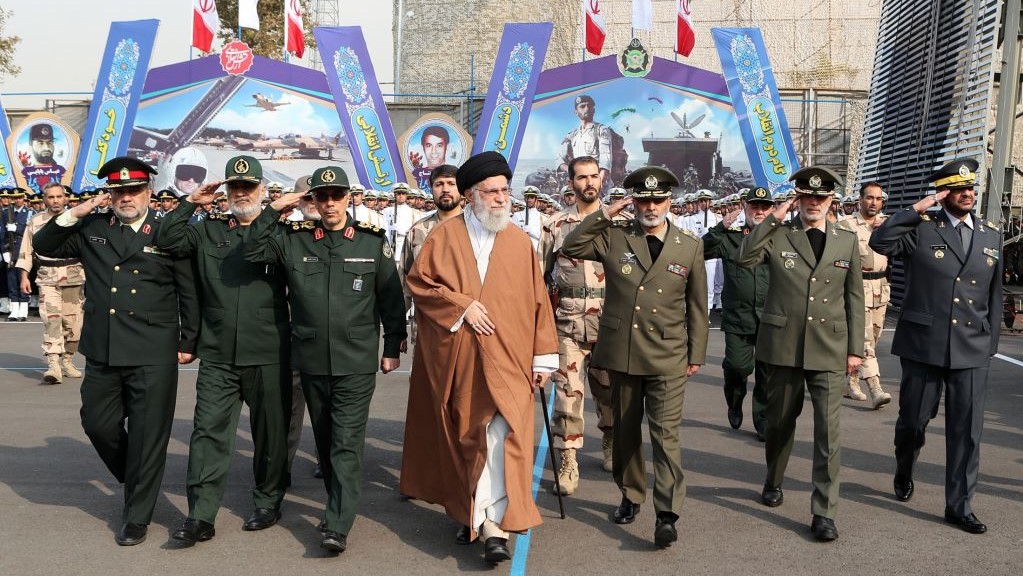
The relationship between Iran and Russia has been strengthened by the rising tensions between Tehran and Washington since Donald Trump took office, and there is no doubt that Iran views Russia as one of its closest allies. The Iranian foreign minister, Mohammad Javad Zarif, has traveled to Moscow some 28 times during his tenure, and has stated that relations between the two countries have never been better.
As Iran heads to the polls, could Rouhani be facing impeachment?
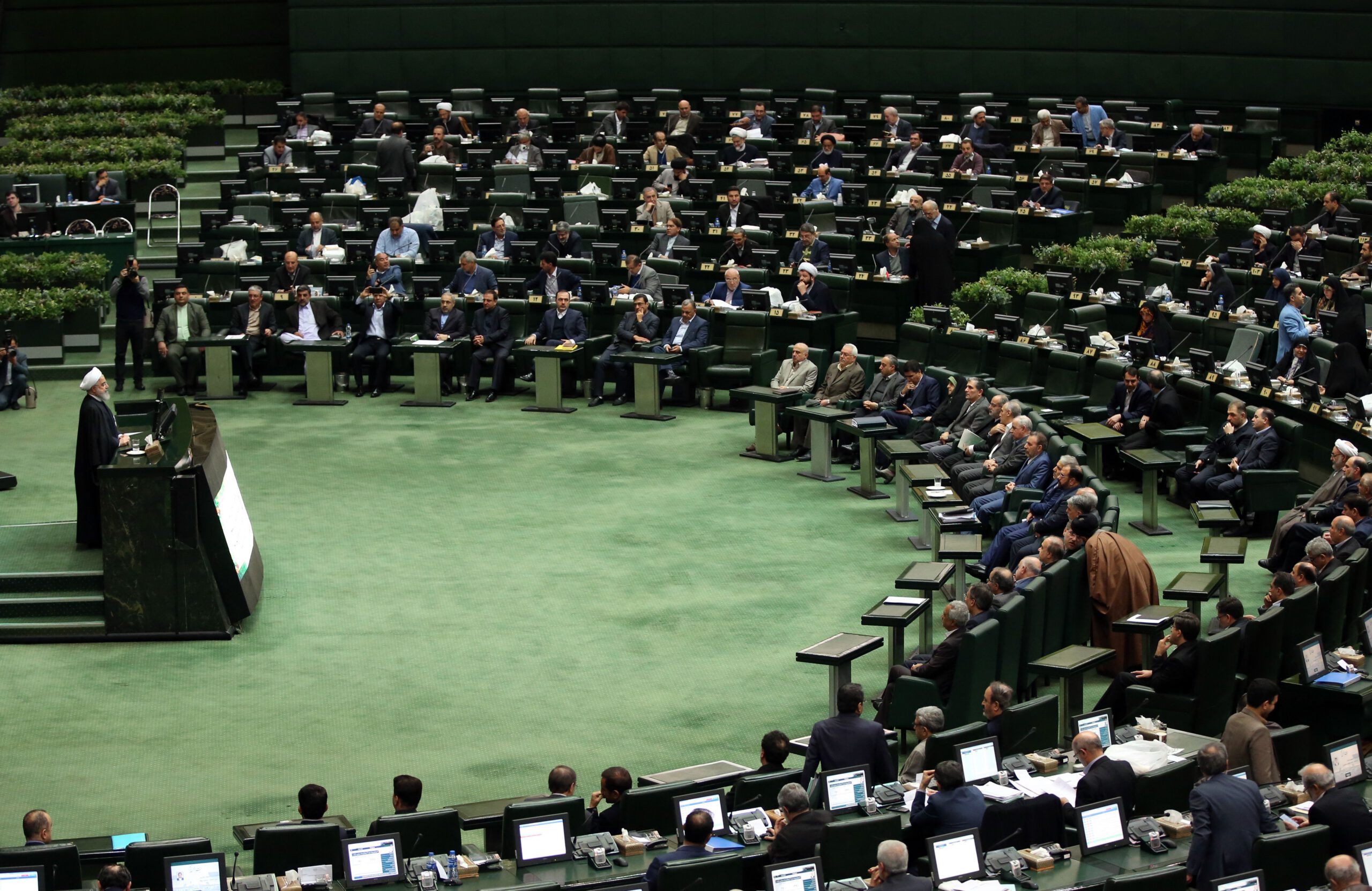
On Feb. 21, Iranians will be voting to elect a new Majlis, the country’s unicameral Parliament. Viewed from the outside, participating in the electoral system might seem futile. While the Iranian constitution recognizes popular will, as represented by an elected president and Parliament, the whole political system operates under the supreme leader, who, although appointed by an elected clerical body (the Assembly of Experts), is, in effect, answerable to no one. The Majlis does, however, have the power to remove the president — a fate that could potentially await President Hassan Rouhani if the conservatives win a majority in the upcoming elections.
According to the latest poll published by the Pew Research Center, the Israeli public sees China in a favorable way. Only in Russia and Nigeria does China get a more sympathetic audience. This result seems surprising, when compared to China’s low level of favorability in other Western countries. However, the strong favorability rating registered in the Pew survey is less surprising than it seems, and in fact is a clear indication that the wide-ranging Chinese soft power efforts to appeal to the Israeli public opinion have paid off.
Why Jordan was so quick to reject Trump’s peace plan
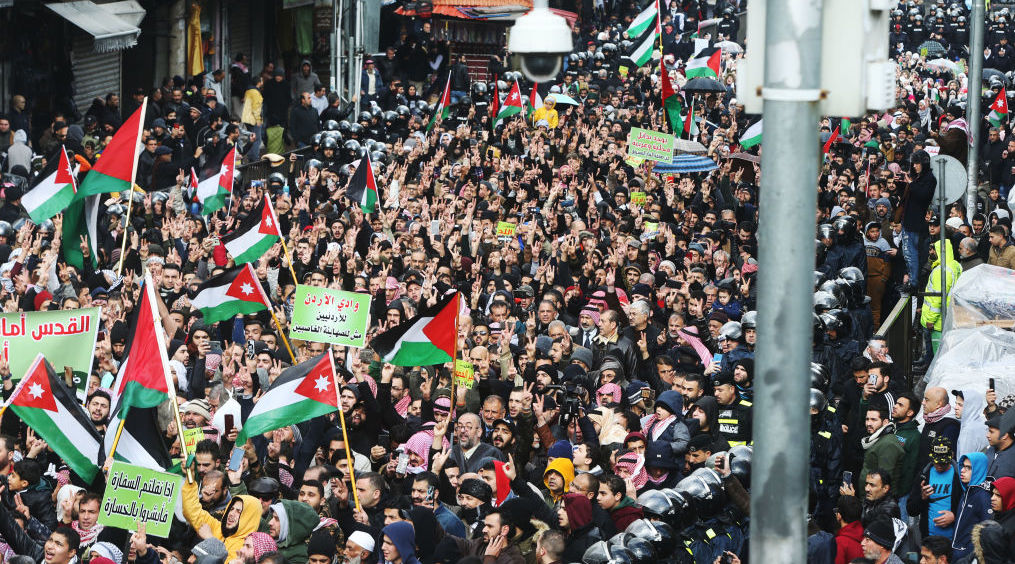
Jordan’s response to President Donald Trump’s so-called “deal of the century” has been quick and unequivocal. Less than an hour after the release of the peace plan at a White House ceremony on Jan. 28, Jordanian Foreign Minister Ayman Safadi issued a statement in which he reiterated Amman’s support for the two-state solution and the Arab Peace Initiative (API) as the only path to a just and lasting settlement to the Israeli-Palestinian conflict, without referring directly to the Trump proposal.
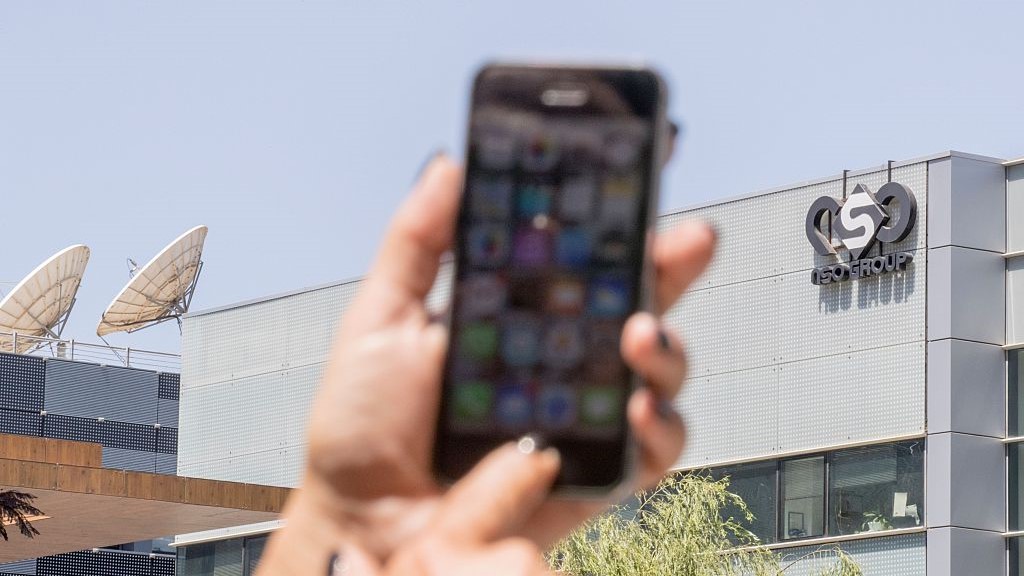
Reuters reported on Jan. 30 that the FBI has been investigating Israeli spyware firm NSO Group since 2017. The revelation comes after Sen. Chris Murphy and UN Special Rapporteur Agnes Callamard called on the U.S. to investigate the apparent hacking of Amazon CEO Jeff Bezos’s phone by Saudi Crown Prince Mohammed bin Salman. In its statement, the UN identified NSO Group as a likely source of the malware.
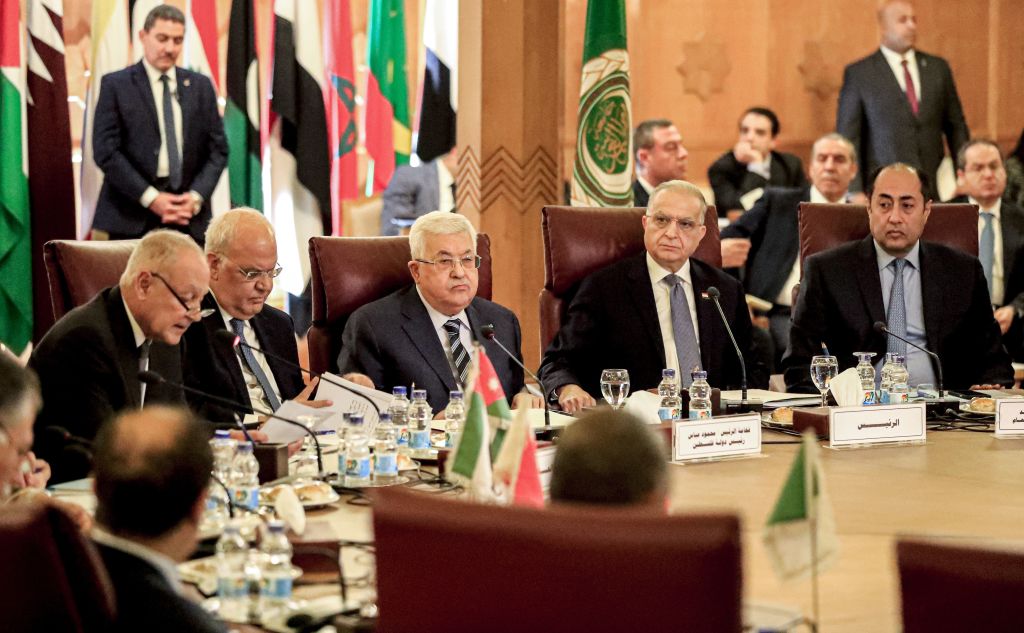
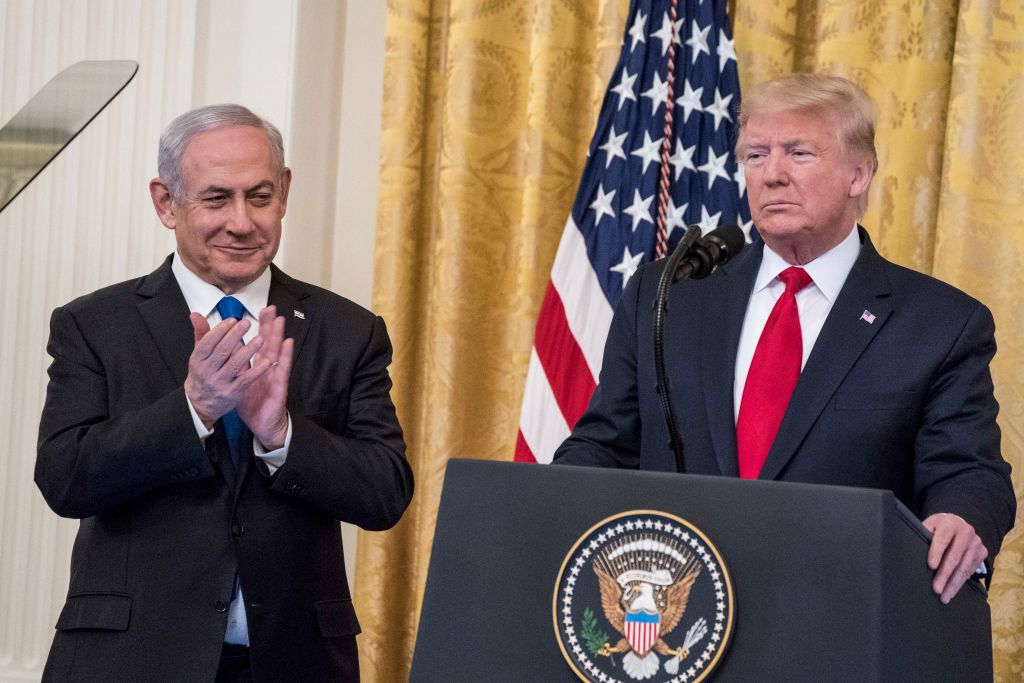
Khaled Elgindy and Michael Koplow join host Alistair Taylor to discuss the long-awaited “deal of the century” Middle East peace plan. President Trump rolled the plan out at the White House on Tuesday with Israeli Prime Minister Benjamin Netanyahu in attendance, while the Palestinians, who have refused to deal with the administration since it recognized Jerusalem as Israel’s capital at the end of 2017, were not there – and not invited. How has it been received so far, and where might things go from here?
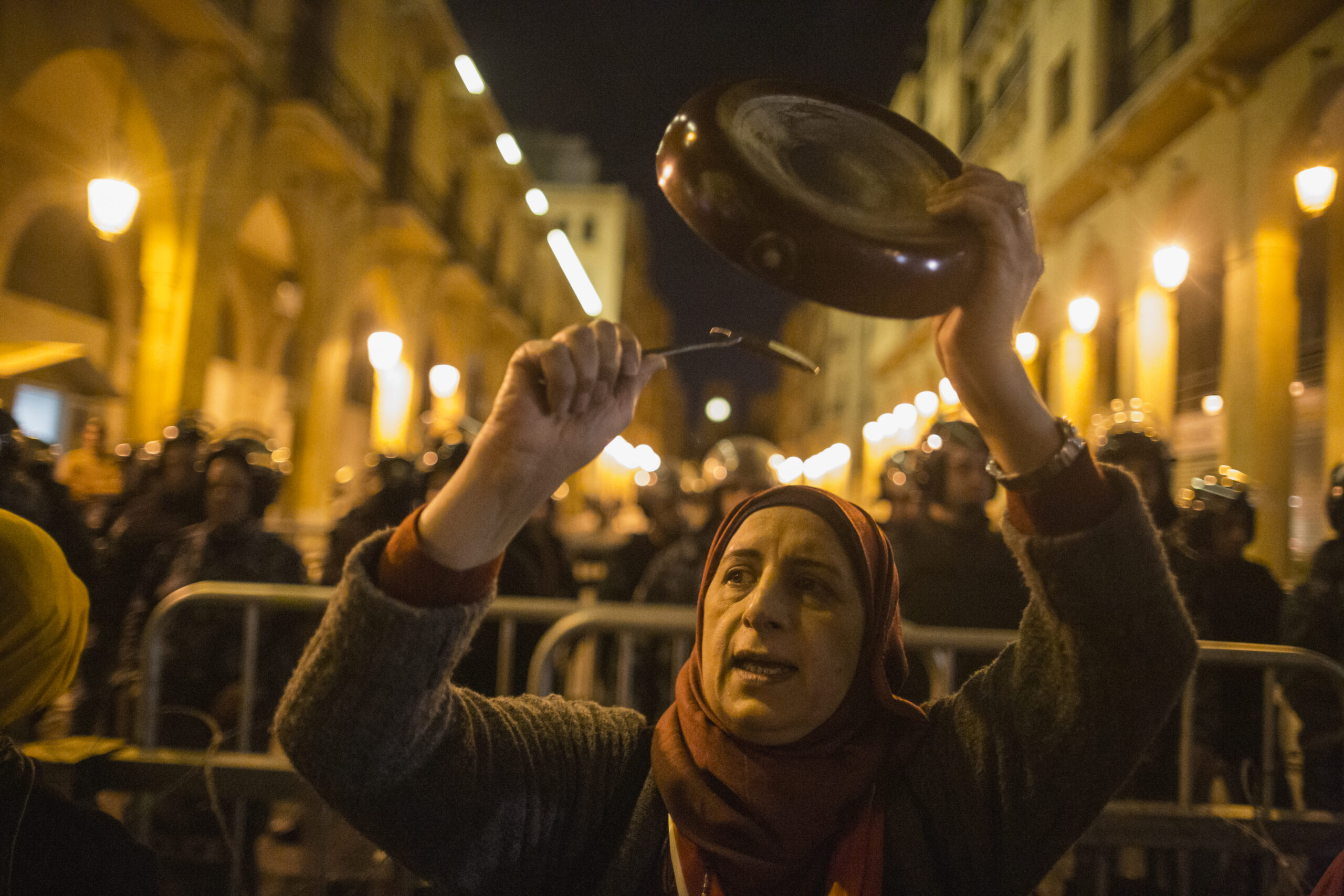
By any objective standard, the Lebanese protest movement has failed. This is not necessarily an indictment against it. Rather, it’s a reality one cannot and should not ignore. The responsible thing to do now is to try to understand why it has fallen flat, despite more than 100 days of demonstrations in various regions of the country including the capital, Beirut.
First, a word of solace. In the annals of history, the Lebanese are in good company as most uprisings and revolutions failed to attain their goals. And even when they did, success either didn’t last long or was completely reversed due to counterrevolutions and other spoilers, both foreign and domestic.
US-Iran escalation and its implications for the South Caucasus
Over the past several weeks geopolitical experts have been talking a lot about what the surprise U.S. drone attack on Iranian Gen. Qassem Soleimani, head of the IRGC – Quds Force, on Jan. 3 means for the Middle East and relations between the major powers. What has received considerably less attention, however, is what Soleimani’s killing means for the South Caucasus, a region whose small size belies its strategic importance.
Precarious Workers and Neoliberal Narratives in Post-revolutionary Iran: Top-down Strategies and Bottom-up Responses
How did the Islamic Republic of Iran’s dominant narratives over labor evolve since the 1979 revolution? What paved the way to neoliberal discourses, particularly since the 1990s? Which processes and legal measures made workers precarious? What role did workers play, and along which lines did they develop their trajectories of resistance? These questions are at the core of this article, which explores the above-mentioned issues from two different vantage points: a top-down approach, which looks at official narratives, as well as the legal strategies that contribute to the precarization of workers; and a bottom-up perspective, which seeks to understand workers’ practices of resistance and counter-hegemonic actions.
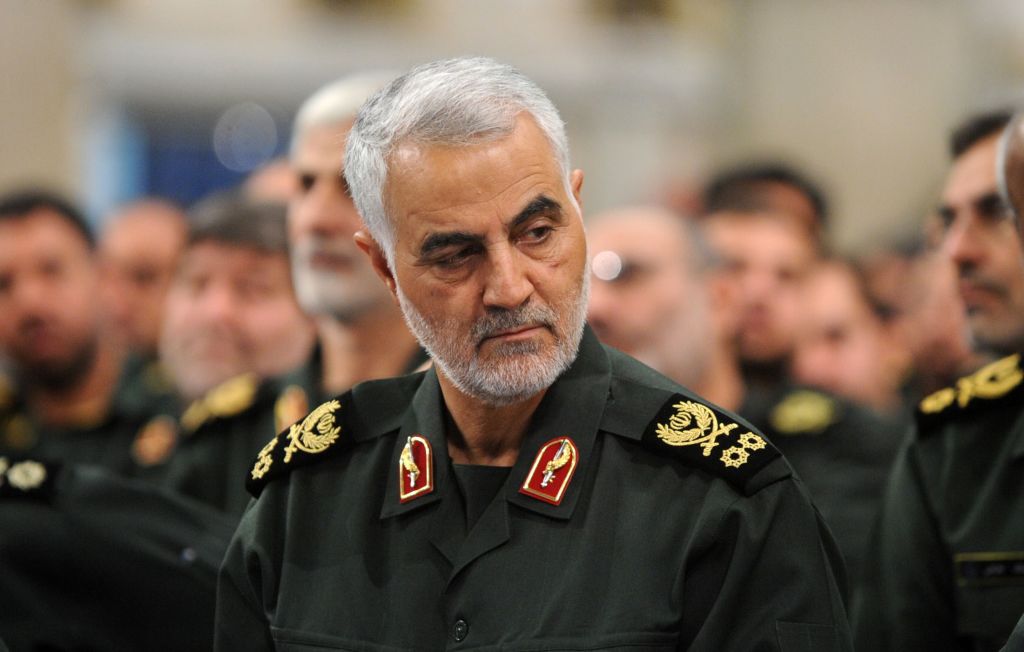
The day after Soleimani: Israel contemplates “success leveraging”
Iranian Gen. Qassem Soleimani was on Israel’s “most wanted” list for more than a decade. Israeli intelligence identified him as a looming threat early in his career, and with time he outperformed even the graver threat predictions, as he systematically built the Islamic Revolutionary Guard Corps’ (IRGC) Quds Force into a formidable regional stealth operation. Soleimani was a highly sophisticated executioner of Iran’s long-term strategy, which can be described as an effort to build a “double crescent.”
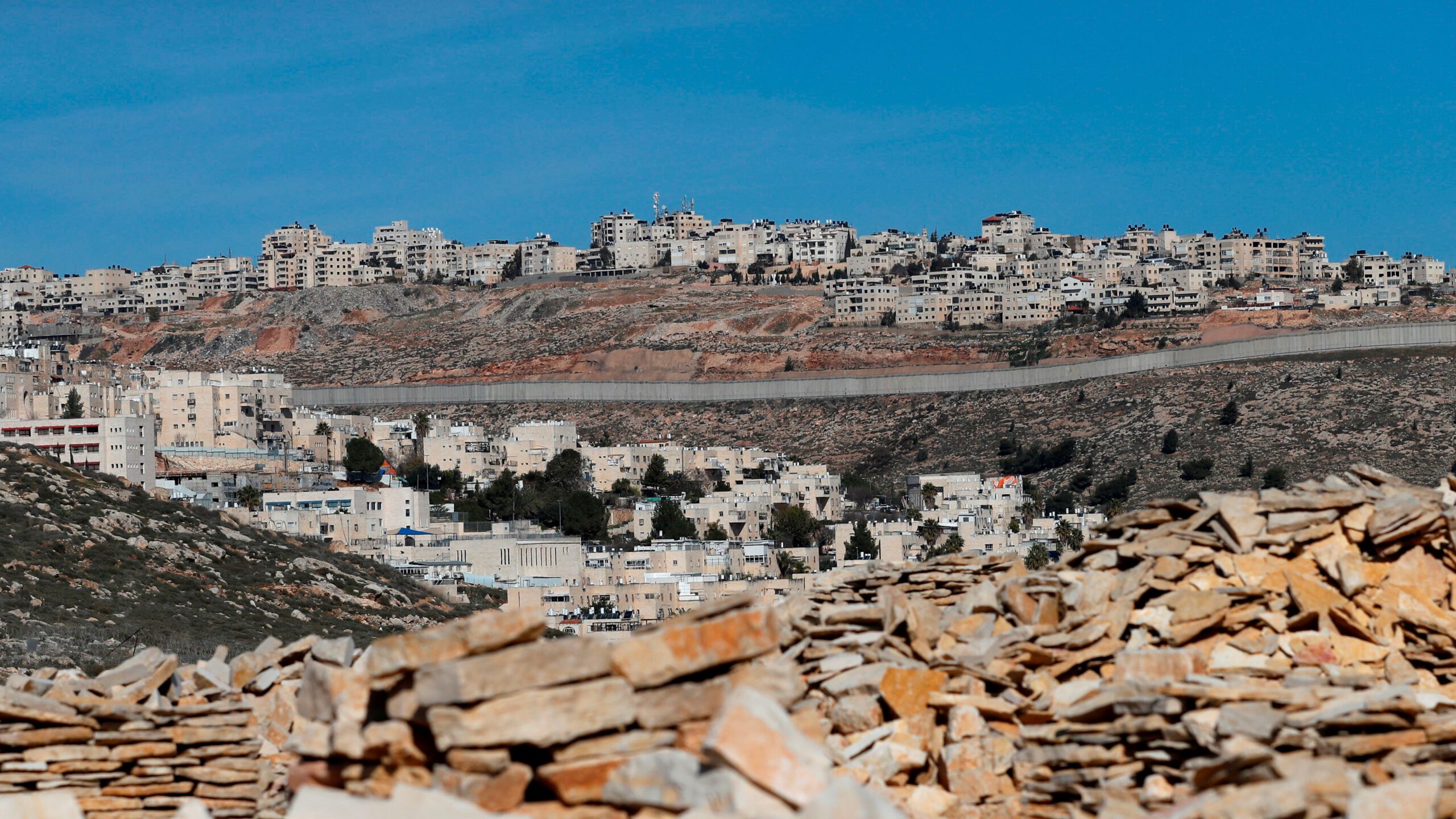
Trump’s “peace plan” aims to bury the two-state solution
The notion that an American president, in consultation with two Israeli leaders, could decide on the future of Palestinians without any Palestinian involvement seems to epitomize Trump’s overall approach to the conflict.