G.C.C. Conflict Could Further Complicate U.S.-Turkey Relations | MEI Flash
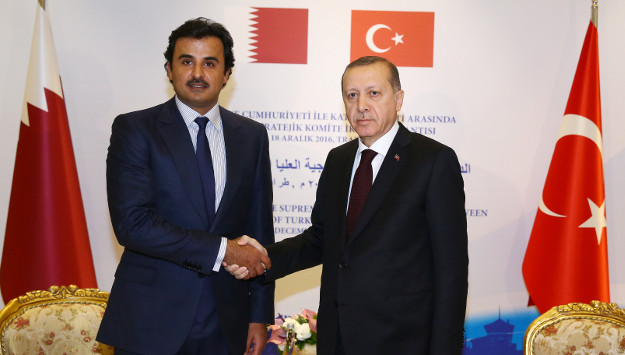
A fierce spat between Qatar and leading Arab nations could add another complication to the already strained relationship between the United States and Turkey. Ankara wants to calm the tension, and Turkish President Recep Tayyip Erdogan has spoken by phone with the leaders of Qatar, Russia, Kuwait, and Saudi Arabia to reduce tensions. He has also expedited legislation to deploy troops to Qatar as part of a military agreement signed in 2014. President Donald Trump, however, supports, and even takes credit for, the Saudi move to isolate its smaller neighbor.
June 1, 2017 – Sinan Ulgen, visiting scholar at Carnegie Europe in Brussels, joins host Gonul Tol for a discussion of the tensions in Turkey’s relations with Europe in the wake of the Turkish referendum and a recent meeting between President Erdogan and E.U. leaders.
Israel to Announce Settlement Expansion | Monday Briefing
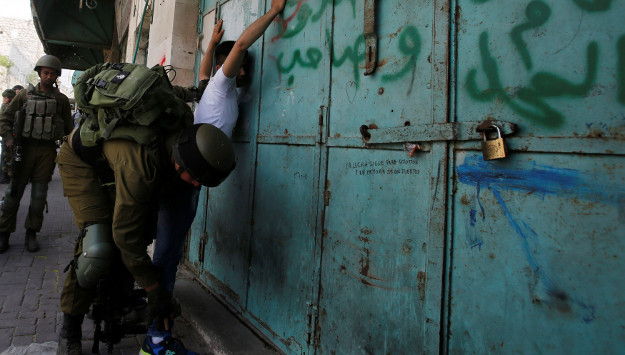
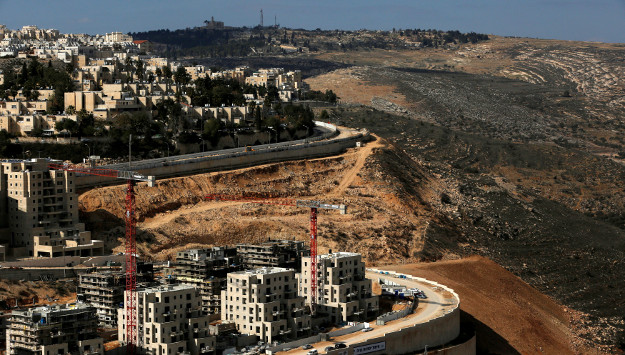
In this week’s Monday Briefing, MEI experts Yousef Munayyer, Randa Slim, and Paul Salem provide analysis on recent and upcoming events including Israel’s expected announcement of new settlement expansion, the escalating risk of a clash between U.S.-backed and pro-Iranian forces in southeastern Syria, and Lebanon’s efforts to pass a reformed election law.
Final Phase of Mosul Battle Begins | Weekly Briefing
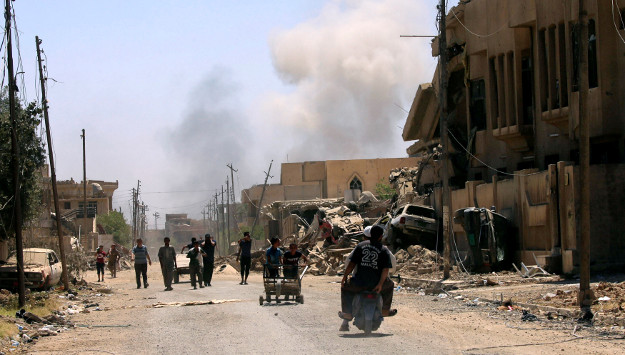
In this week’s Briefing, MEI experts Charles Lister, Gonul Tol, and Gerald Feierstein provide analysis on recent and upcoming events including the beginning of the final phase of the battle to retake Mosul, Germany’s consideration for withdrawing troops from Turkey, and Qatar’s fragile relations within the G.C.C.
The election of Emmanuel Macron is certainly bad news for terrorist organizations in the Middle East. At the same time, it is unlikely that France will modify its attitude in regards to larger regional challenges, for instance, the ongoing Syrian civil war, the Israeli-Palestinian conflict, or the cold war between Iran and Saudi Arabia.
Monday Briefing: Chances for MidEast Peace Remote under Trump
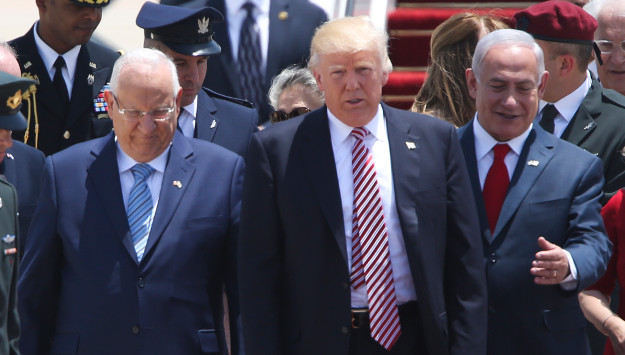
In this week’s Monday Briefing, MEI experts Yousef Munayyer, Alex Vatanka, Jonathan M. Winer, and Marvin G. Weinbaum provide analysis on recent and upcoming events including President Trump’s trip to Israel and the prospects for a peace process, the reelection of Iranian President Hassan Rouhani, Russia’s planned naval drill off the coast of Libya this week, and the Afghan Taliban’s decision to reject peace talks.
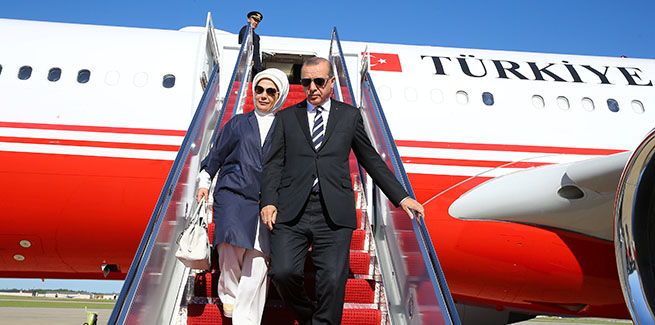
President Recep Tayyip Erdogan will meet President Donald Trump as a frustrated and disappointed man. His hopes for a clean slate after strained relations with President Barack Obama have been dashed as Trump has endorsed his predecessor’s policies against key Turkish demands. Importantly, Trump last week approved an Obama era plan to arm Syrian Kurds in preparation for the upcoming battle to retake Raqqa from ISIS.
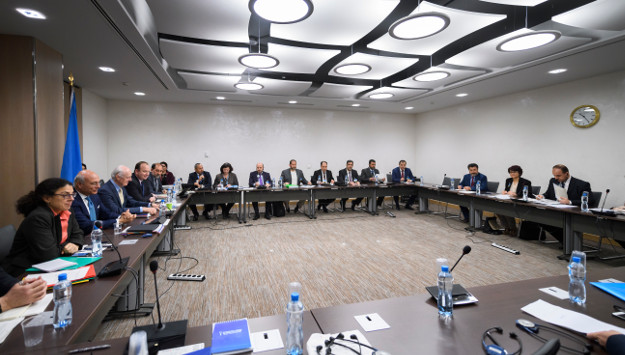
Syria Talks Resume in Geneva; Saudis to Give Warm Welcome to Trump; Qalibaf Withdraws from Iran Presidential Race
In this week’s Monday Briefing, MEI experts Charles Lister, Gerald Feierstein, Eran Etzion, and Alex Vatanka provide analysis on recent and upcoming events including the resumption of Syria talks in Geneva, President Trump’s upcoming visit to Saudi Arabia and Israel, and the latest developments in the home stretch of Iran’s presidential election.
Rouhani’s Missile Remark Raises Ire of Iran’s Military Leaders
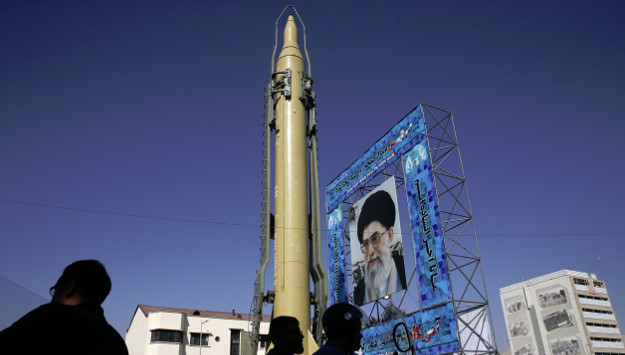
Iran’s President Hassan Rouhani’s latest remark on the country’s missile program has aroused the ire of the military establishment. In the second presidential debate aired on Iran’s state-run TV, Rouhani, who is seeking a second term in May 19 elections, accused the powerful Islamic Revolution Guards Corps (I.R.G.C.) of trying to sabotage the Joint Comprehensive Plan of Action – the nuclear deal Iran signed with world powers in July 2015. “What did they do in order to undermine the J.C.P.O.A.?” Rouhani asked, referring to the I.R.G.C.
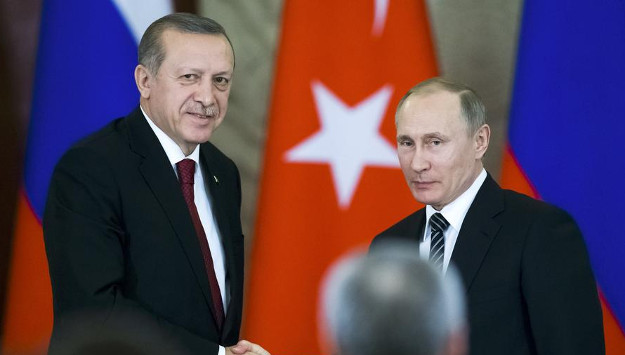
In this week’s Monday Briefing, MEI experts Gonul Tol, Randa Slim, Alex Vatanka, Marvin G. Weinbaum, and Mabrouka M’Barek provide analysis on recent and upcoming events including Turkish President Erdogan’s upcoming meeting with Russian President Putin, the upcoming speech by Hezbollah Secretary General Nasrallah, the suprising popularity of Rouhani’s VP in the Iranian Presidential Race, the Taliban’s new Spring offensive, and protests in Tunisia over a government proposal to give amnesty to the country’s corrupt financial elite.
Iran Reportedly Offers to Deploy Ground Forces to Syria to Counter Potential U.S.-led Intervention
The latest air strikes on an airport near Damascus purportedly by Israel and increased U.S. military activities on Jordan’s northern border have triggered a concern in Tehran about the possibility of a broader U.S.-led military campaign in Syria.
Pope’s Egypt Visit to Reassure MidEast Christians | Monday Briefing
In this week’s Monday Briefing, MEI experts Paul Salem, Alex Vatanka, Eran Etzion, and Gerald Feierstein provide analysis on recent and upcoming events including the Pope’s upcoming visit to Egypt, Ahmadinejad’s public feud with Ayatollah Khamenei, Israeli efforts to draw Russian support away from Iran, and the appointment of Prince Khalid bin Salman as Saudi Ambassador to the U.S.