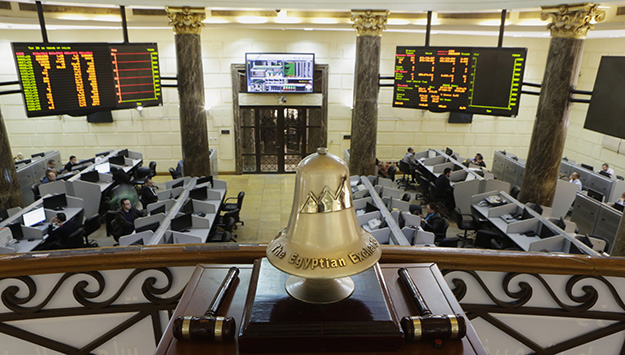
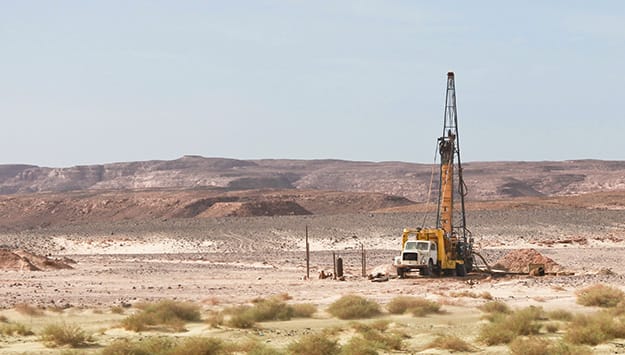
Egypt is not out of the dark, but there is reason to be hopeful. The nation’s energy market reforms and consistent debt repayments have won the attention and approval of international energy companies and investors in the form of significant investment in the Egyptian energy sector. New upstream (exploration and production) oil and gas contracts, a recent increase in renewable energy ventures, and dozens of additional preliminary agreements in both the hydrocarbon and utility sectors are proof of the improved investment climate.
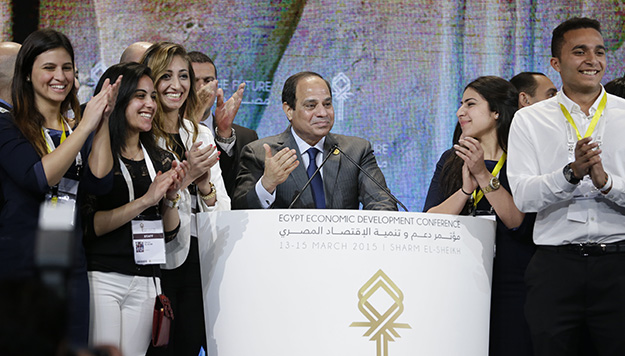
The Egypt Economic Development Conference: Success or Failure?
Saudi Arabia’s late King Abdullah first conceived of the Egypt Economic Development Conference (EEDC) as a means of supporting Egypt and its new government after the toppling of President Mohamed Morsi in June 2013. The plan was to provide a forum through which donors could coordinate their economic assistance, and lengthy preparations finally culminated in a well-organized event on March 13-15.
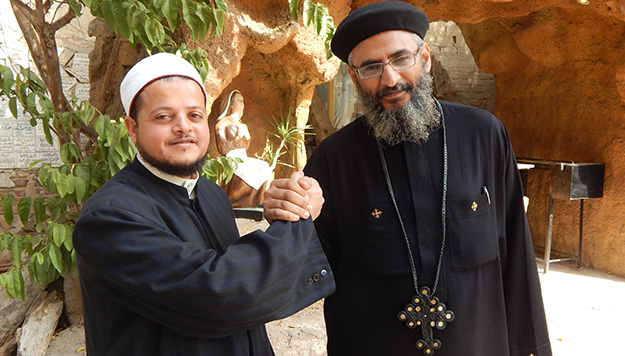
The Egyptian Family House: Fostering Religious Unity
Egypt’s President Abdel Fattah el-Sisi has not been shy about the need to reform religious discourse and relations.[1] He is concerned about how the image of Islam has been marred by Muslims themselves, and how extremist thought has torn the fabric of Muslim-Christian unity. Visiting the Coptic Orthodox cathedral on Christmas Eve, he told the cheering audience, “We will build Egypt together.
Collection Spotlight: In the Name of Oil: Anglo-American Relations in the Middle East, 1950-1958
Ivan L. G. Pearson’s In the Name of Oil: Anglo-American Relations in the Middle East, 1950-1958 provides a comprehensive analysis of the extent to which British interests in the Middle East influenced or were furthered by the United States between 1950 and 1958.
Do Kerry’s Remarks on Syria Represent a Break with Previous Policy?
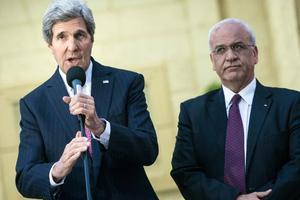
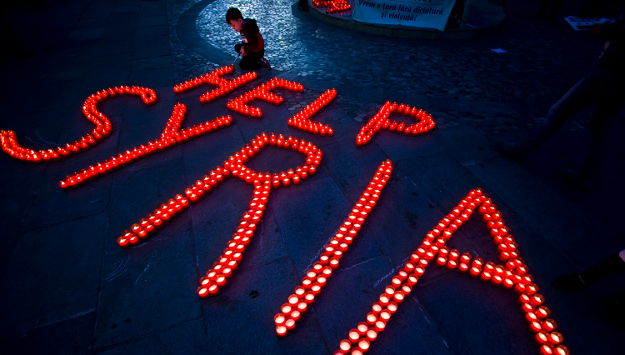
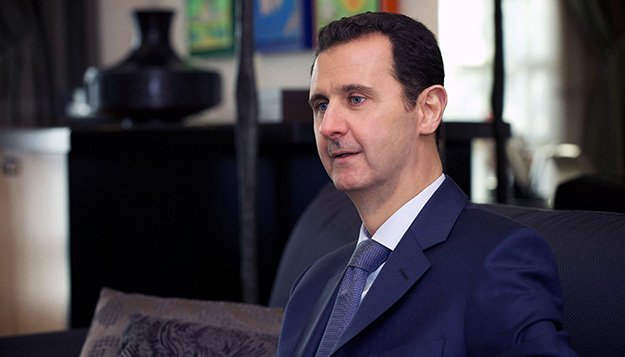
Over the weekend, the Western and Arab media reported extensively on U.S. Secretary of State John Kerry’s remarks, given on the fourth anniversary of the Syrian revolution, that the United States must negotiate “in the end” with Bashar al-Assad. Are his remarks anything new, or do they represent a continuation of previous policy? MEI’s Robert Ford weighs in.
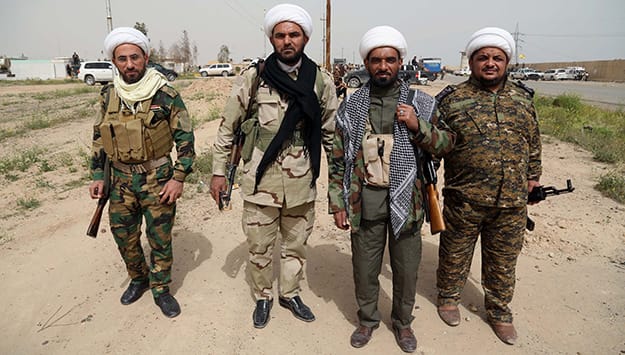
It has long been known that the Assad regime, facing a shortage of manpower in its regular army, has had to rely on irregular paramilitaries in its bid to reverse rebel advances. This became particularly apparent in 2013, when Hezbollah openly declared its participation in the capture of Qusayr, a town in Homs Province on the border with Lebanon.
The Egypt Economic Conference: Q&A with Hoda Selim
Egypt’s Economic Development Conference will be held in Sharm el-Sheikh March 13-15, 2015. The conference aims to lay out the Egyptian government’s economic vision and plans for reform and position Egypt as a desirable destination for international investment. We spoke with Hoda Selim, an economist at Egypt’s Economic Research Forum, about the country’s current economic position and how the conference could help.
On March 13, Egyptian President Abdel Fattah el-Sisi will inaugurate the Egypt Economic Development Conference in the resort city of Sharm el-Sheikh. The main objective of the conference is to put Egypt back on the world investment map. Sisi’s government is aiming to achieve a target of $60 billion of foreign investment in the coming five years. This ambitious amount would close Egypt’s resource gap and would generate sufficient growth to absorb growing unemployment.
As 2014 drew to a close, the Egyptian economy was making international headlines. The Financial Times called Egypt the world’s best destination for stock market investment.[1] Meanwhile, the Egyptian press documented a flurry of visits by delegations of businessmen from various economic superpowers.
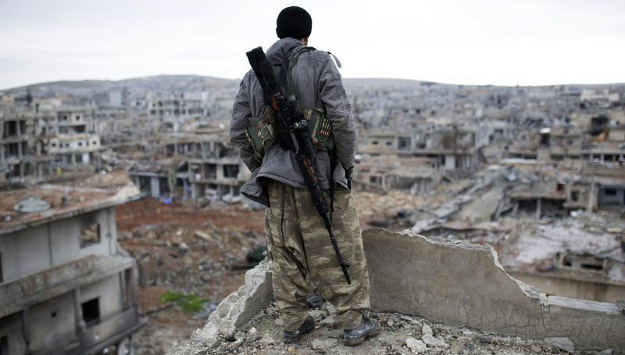
In his recent National Interest blog post entitled “Assad Will Have to Stay for Awhile,” Paul Pillar advises the Obama administration to ignore regional calls to help bring down the Assad regime, for three reasons: the resilience of the regime; the need to avoid fighting it and ISIS simultaneously; and the need to preserve stability in Syria. Pillar’s three reasons are flawed.
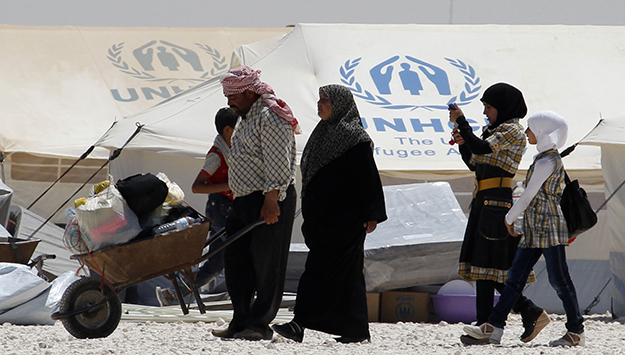
Hind Kabawat is a senior program officer at the United States Institute of Peace (USIP) and a senior research associate at the Center for World Religions, Diplomacy and Conflict Resolution (CRDC) at George Mason University. Since 2012, she has been conducting periodic conflict resolution and peace-building workshops for communities within Syria and for Syrian refugees living in Jordan and Turkey.
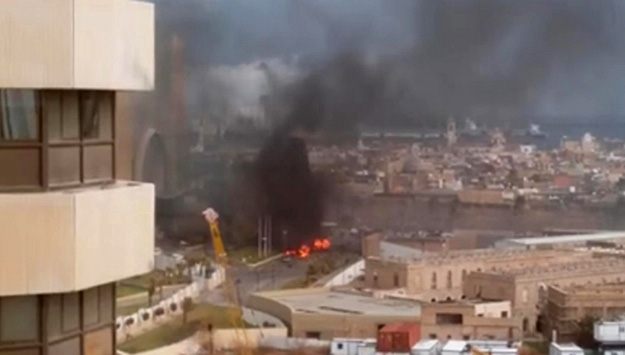
“Crises left to fester sometimes find their own way to the front burner.” Written on January 5, 2015, this sentence reflected my fear that starving Libya of high-profile international attention was increasingly risky. The beheading of 21 Egyptian Coptic Christians in Libya by Islamic State (ISIS) extremists this week appears to have placed the situation in Libya front and center.

 Ivan L. G. Pearson’s In the Name of Oil: Anglo-American Relations in the Middle East, 1950-1958 provides a comprehensive analysis of the extent to which British interests in the Middle East influenced or were furthered by the United States between 1950 and 1958.