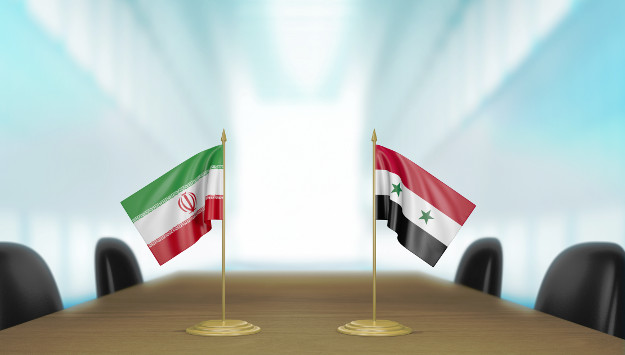
Top Iran Envoy Meets Khamenei’s Special Representative in Syria
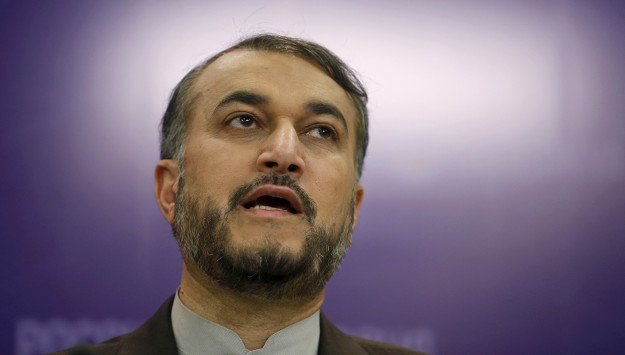
On January 27, Iranian media reported that top Iranian envoy, Hossein Amir Abdollahian, who visited Damascus this week, also met the Iranian supreme leader’s special representative to Syria, Abolfazl Tabatabai Ashkezari. Ashkezari was appointed by the personal decree of Khamenei in March 2016. He has been living in Syria since.
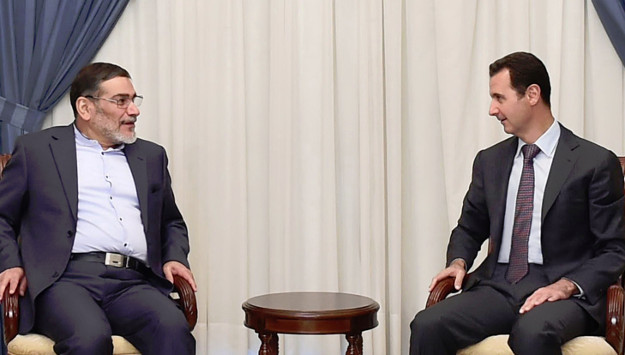
The January 26 meeting between the Syrian President Bashar al-Assad and Hossein Amir Abdollahian is another important sign that Iran’s President Hassan Rouhani has at best very little influence over Iran’s Syria’s policy. The official title of Amir Abdollahian is “Director General of International Affairs” at the Iranian parliament, the Majlis. However, this generic title given to Abdullahian is in no way a true reflection of his power in Tehran and the critical base of support he enjoys.
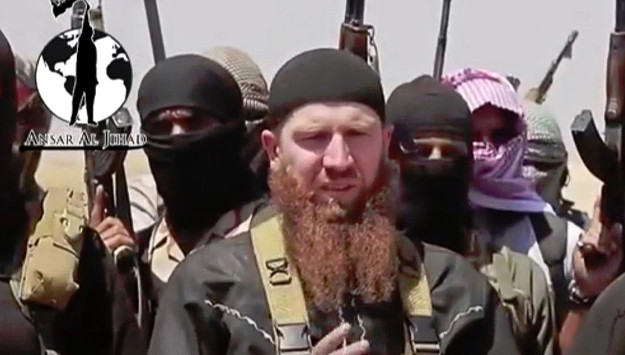
Fars News, an outlet that is linked to Iran’s Islamic Revolution Guards Corps (IRGC), reported that ethnic Chechen forces from Russia are now acting as police units in the Syrian city of Aleppo. The outlet reported that Chechens had also from December 2016 been deployed “to serve in the military police to protect Russia’s Khmeimim air base in Syria.”
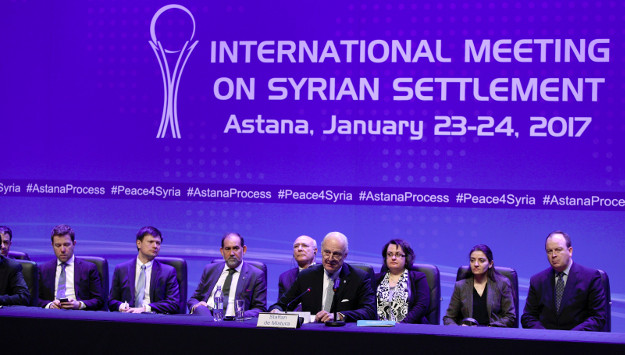
Tehran’s fears of losing out influence during the ongoing peace talks on Syria in Astana were evident even in the makeup of the Iranian delegation. According to Iranian sources, Tehran had been compelled to dispatch a top military figure with extensive experience in Syria in order not to be eclipsed by Russian and Turkish militaries.
Iran, Russia and Turkey agreed earlier today to establish a trilateral mechanism to enforce the fragile cessation of hostilities in Syria. After a two-day meeting in Kazakhstan sponsored by Moscow, the trio issued a joint statement that called for “a political process based on the implementation of the UN Security Council resolution 2254” to end the Syrian civil war.
Monday Briefing: Middle East Reactions to Trump's Inauguration
In this week’s Monday Briefing, MEI experts Paul Salem, Alex Vatanka, Gerald Feierstein, and Charles Lister provide analysis on recent and upcoming events including U.S.-Middle East relations in the new Trump administration, the view of Trump’s inauguration from Tehran, the Gulf’s ‘wait and see’ approach to the new administration, and Russia’s public position on Syria talks at the outset of talks in Astana.
Iran will build a mobile phone network in Syria under an agreement signed by the two countries’ ministries of information and communications technology, Iranian media reports.
Iran Recruits and Trains Large Numbers of Afghan and Pakistani Shiites
While much ink has been spilled about how Iran’s involvement in the Syrian civil war has fueled sectarianism and instability in the Arab world, the implications of Iran’s increasing recruitment of Afghan and Pakistani Shiites on security and stability in South Asia have largely been overlooked. Over the past five years, the Islamic Revolution Guards Corps (IRGC) has recruited, indoctrinated, trained and deployed thousands of Afghan and Pakistani Shiites to fight under its command against Sunni rebel groups across Syria.
Weekly Briefing: Confirmation Hearings, Syria Peace Talks, and OPEC
In this week’s briefing, MEI experts Gerald Feierstein, Robert S. Ford, Yousef Munayyer, Eran Etzion, and Ruba Husari provide analysis on recent and upcoming events including the ongoing confirmation hearings for key members of the incoming administration’s foreign policy team, the upcoming Syria talks, the recently convened Paris talks on Israel and Palestine, and OPEC’s assessment of its agreement to cap oil output.
Iran Opposes US Participation in Russia-Sponsored Syria Talks
As Russia and Turkey are trying to broaden the scope of the upcoming peace talks on Syria, Tehran says it opposes the inclusion of the United States in the meeting scheduled for next week in Kazakhstan.
Burden or Boon? Turkey’s Tactical Treatment of the Syrian Refugee Crisis
Turkey’s ruling Justice and Development Party (AKP) approaches the question of refugees much differently than its European counterparts. The latter’s pushing back against burden-sharing measures has led to what can be described as burden-shifting. In contrast, the AKP’s view of Syrian refugees in Turkey is that they are more of a boon than a burden. This essay explores the thinking and the tactics behind Turkey’s approach to dealing with the Syrian refugees challenge.
The current Syrian ceasefire effort of Russia and Turkey is a Russian attempt to impose a final political defeat on the rebels and a Turkish attempt to focus on eliminating the Kurds in Syria militarily and politically. Turkey is also intensely lobbying the new U.S. administration for help. The ceasefire deal rests on the barbarism of Russia and the Assad regime and the feckless response of the West. This is the peace Rome imposed on the prostrate Carthage. The unanimous UNSC vote endorsing the Russian/Turkish proposal enshrines one side’s brutality and the other’s moral vacuum.
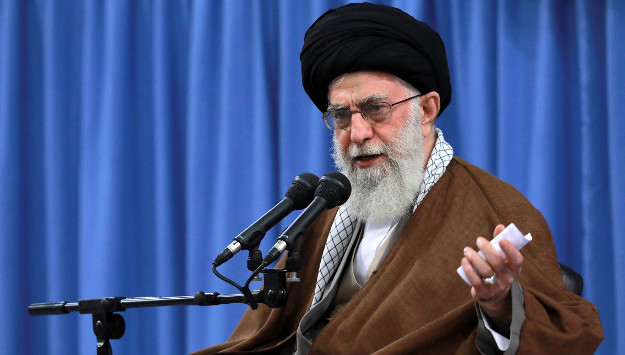
Khamenei Defends Increasingly Unpopular Syrian Military Intervention
News Brief: On December 5, Iran’s Supreme Leader Ali Khamenei defended the Islamic Republic’s military intervention in Syria, arguing that the Iranian forces had to neutralize enemy threats in Syria to avoid their infiltration inside Iran’s territory.
Iran-led Forces Intensify Fighting in Syria despite Truce
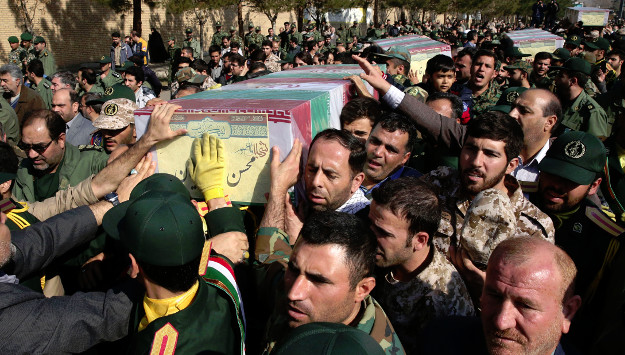
The Iranian media reports that a senior general of the Islamic Revolution Guards Corps (IRGC) has been killed in Syria. According to IRGC-affiliated Fars News Agency, Gholamali Gholizadeh was “martyred during fighting with Takfiri terrorists.” Iranian officials and outlets often refer to all Syrian opposition forces as “terrorists.”
Iranian media has reported that Javad Turk-Abadi will be Iran’s next ambassador to Damascus. “Turk-Abadi was chosen by Foreign Minister Javad Zarif and this selection was approved by President Hassan Rouhani,” it was reported.