Monday Briefing: Netanyahu to Moscow, Jubeir to Cairo, and the Road Ahead for Geneva 4
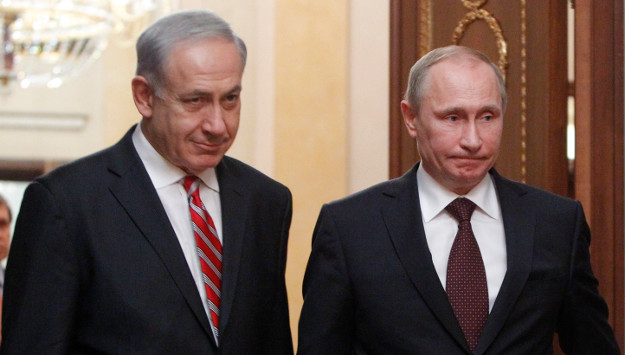
In this week’s Monday Briefing, MEI experts Eran Etzion, Gerald Feierstein, and Robert S. Ford provide analysis on recent and upcoming events including Israeli PM Netanyahu’s upcoming trip to Moscow, Saudi FM Adel al-Jubeir’s upcoming visit to Cairo, and the developing agenda for the Geneva 4 Syria peace talks.
Netanyahu to Make Another Trip to Moscow
Eran Etzion, MEI Scholar
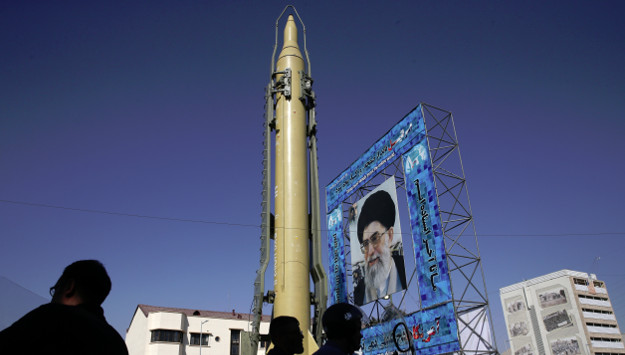
Senior Iranian Official Threatens to Annihilate Israeli Cities within Minutes If Attacked
A senior adviser to the Islamic Revolution Guards Corps (I.R.G.C.)’s secretive Quds Force has warned that Iran will annihilate the Israeli cities of Tel Aviv and Haifa if Israel shows any aggression. “When Supreme Leader [Ali Khamenei] says we will turn Tel Aviv and Haifa to dust within seven minutes if needed, it is no joke.

One-State Solution an Existential Threat to Jordan
President Donald Trump’s refusal to endorse the two-state solution to resolve the Israeli-Palestinian conflict has irked one close ally—Jordan. During King Abdullah’s visit to Washington in early February, Trump and other officials restated continued U.S. military and economic support for the kingdom. The king had outlined the dangers of moving the U.S. embassy to Jerusalem and underlined the need for peace between Israel and the Palestinians.
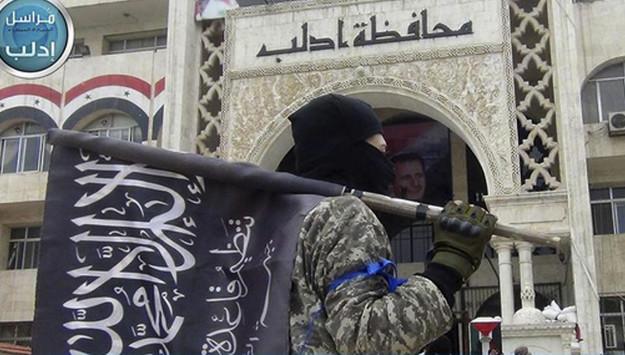
Monday Briefing: Al-Qaeda leader killed, U.S. & Russia at odds over Syria
Note: The latest issue of MEI’s Monday Briefing e-mail incorrectly linked to this page. If you’re looking for the Monday Briefing for March 6, click here.
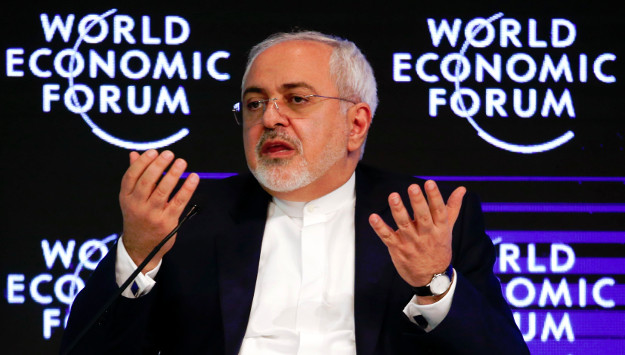
Iran’s Scathing Attack on Turkey as Syria Peace Talks Begin in Geneva
In the latest episode of escalating diplomatic tension between Tehran and Ankara, Iran’s foreign minister today blasted latest statements by Turkish officials accusing Iran of destabilizing the Middle East and fueling sectarian divide in the region.
New Israeli Road Plan Paves Over Hopes for a Palestinian State
Israel’s latest announcement of its settlement plans in the West Bank prompted much international hand-wringing, led by anodyne counsel from Washington.
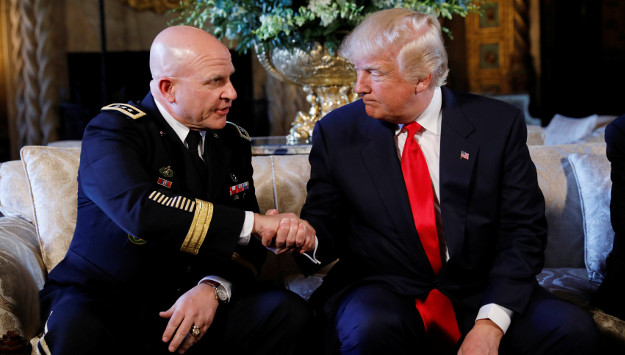
Weekly Briefing: Geneva Talks, Iranian War Games, and Trump's New National Security Advisor
In this week’s Monday Briefing, contributors Randa Slim, Alex Vatanka, Paul Salem, and Antoun Issa provide analysis on recent and upcoming events including the next round of Syria talks in Geneva, Iranian war games directed at President Trump, the appointment of a new U.S. National Security Advisor to replace Michael Flynn, and Israeli PM Netanyahu’s trip to Australia.
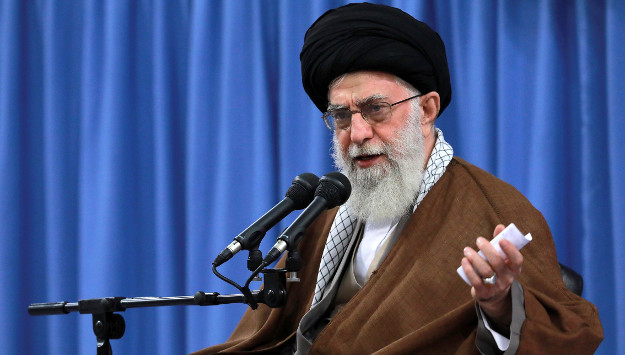
Khamenei’s Deadly Threat Against Israel
Iran’s top authority, Supreme Leader Ayatollah Ali Khamenei, has issued yet another deadly threat against the State of Israel.
Top Iran Official Blasts Turkey
Ali Akbar Velayati, the top foreign policy advisor to Supreme Leader Ayatollah Ali Khamenei, has dismissed Turkish charges that Tehran is engaging in dangerous sectarian policies in the Middle East.
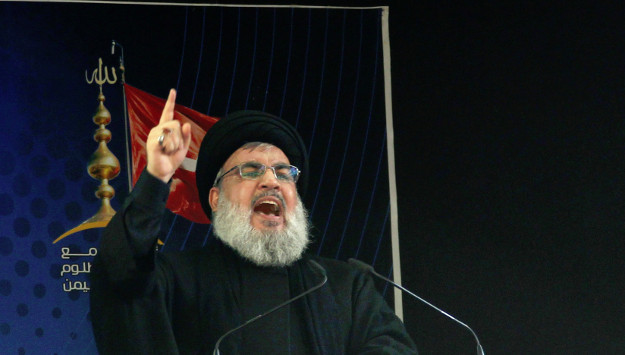
Iran Ally Nasrallah Ridicules Fellow Arabs
In a fiery speech, Hassan Nasrallah, the head of Lebanon’s Hezbollah organization, has threatened Jerusalem with devastating military response in the event of a new round of conflict between Hezbollah and Israel.
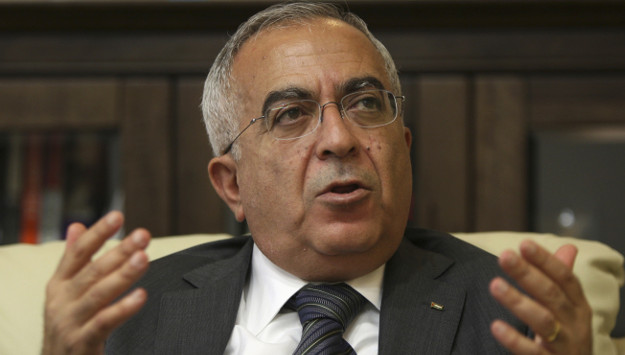
Former Palestinian Authority Prime Minister Salam Fayyad Deserves Our Support
Amb. Daniel Kurtzer is a member of MEI’s International Advisory Council.
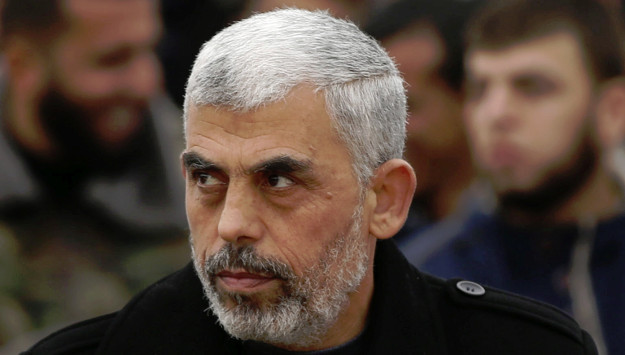
Iran Welcomes New “Attacking” Hamas Leadership
The rise of Yehya Sinwar to lead the Hamas organization in Gaza has been welcomed by Tehran.
Erdogan’s G.C.C. Trip Unnerves Tehran
Turkish President Recep Tayyip Erdogan’s official trip to Bahrain, Saudi Arabia and Qatar has prompted anxiety in Tehran. Erdogan arrived in Riyadh on Monday night after a visit to Bahrain, and he is scheduled to go to Qatar next.
Monday Briefing: Highs and Lows Before Trump-Netanyahu Meeting
In this week’s Monday Briefing, MEI experts Eran Etzion, Alex Vatanka, Gerald Feierstein, Randa Slim, W. Robert Pearson, and Marvin G.