The current crisis in Gaza represents the first real foreign policy test for Egyptian president Abdel Fattah el-Sisi. Hamas’s rejection of the Egyptian initiative to end hostilities calls into question Egypt’s ability to maintain its decades-long special status as mediator, a role it assumed by virtue of its relations with all parties – Israel and the United States on one hand, and the PLO and Hamas on the other.
Egypt’s Least Bad Option for Addressing Energy Troubles
A proposed deal to export Israeli natural gas through Egypt has the potential to enable Israel’s entry into its first major export markets, help Egypt escape a deepening energy crisis, and welcome the first European players into Israel’s natural gas industry. However, the deal is complicated by political realities and a history of deeply rooted grievances between the two countries, made worse by the recent violence between Israel and Hamas in Gaza.
Egypt’s Sexual Harassment Law: An Insufficient Measure to End Sexual Violence
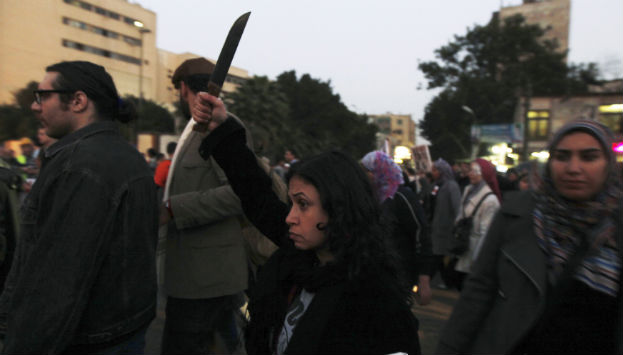
A few days ago, heavy court sentences were imposed on seven men who were convicted of attempted rape, attempted murder, and torture, in a ruling seen by many as unprecedented in Egypt. In the words of one activist, the verdict was “a strong message to all harassers that their actions are no longer tolerated or accepted.”[1] This comes in the wake of the government’s vows to combat the problem of sexual harassment; a new law passed last month criminalized sexual harassment for the first time.
Egypt’s New Parliamentary Election Law: Back to the Future
Just 48 hours before handing over the reigns to now President Abdel Fattah al-Sisi, Egypt’s interim President Adly Mansour signed into law a controversial piece of legislation that regulates elections for Egypt’s new House of Representatives.[1] Since the law was announced in early June, it has generated conflicting analysis regarding its impact on the nature of the electoral system, the character of the legislature that will be elected as a result, and the extent to which it might further empower the president.
One year after the massive June 30 demonstrations against the Muslim Brotherhood (MB) and the July 3 ouster of President Mohammad Morsi by the military, the Egyptian MB is facing grave challenges that will shape the group’s future and that of political Islam.
Foreign Fighters in Syria and the Threat of Domestic Terrorism in Europe
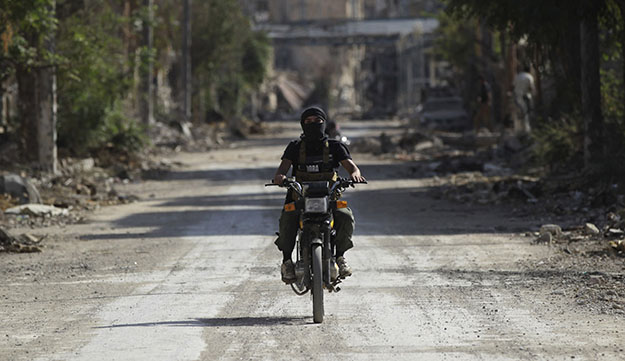
Westerners who have joined the ranks of radical groups fighting in Syria have been likened to time bombs—and in May one of them exploded in Brussels. Belgian police released chilling images from surveillance cameras of the lone gunman’s attack on Brussels’ Jewish Museum in Sablon, a neighborhood of genteel antique stores and chocolatiers.
With the Syrian civil war raging and the ISIS offensive in northern Iraq creating a fresh crisis, Turkey now effectively has two failed states on its southern border and is dealing with new security, political, and economic challenges. Gonul Tol, director of MEI’s Turkish Center, explains how Turkey is responding to this predicament.
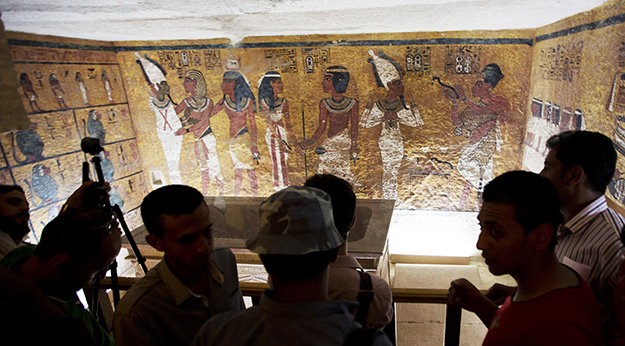
The Science of Preserving Egypt’s Cultural Heritage
Around the world, priceless monuments and artifacts are disintegrating due to exposure to pollution and hordes of visitors coupled with the sheer weight of age. The inexorable loss of cultural heritage concerns us all, but is especially troubling for decision-makers in places like Egypt that rely on cultural tourism-generated income to stay afloat. How to reconcile the need to make decaying treasures available to the public with the fact that public display is ruining them?
Reconceptualizing Sectarianism in the Middle East and Asia
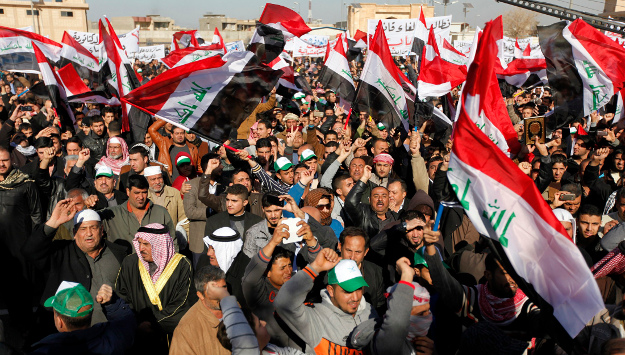
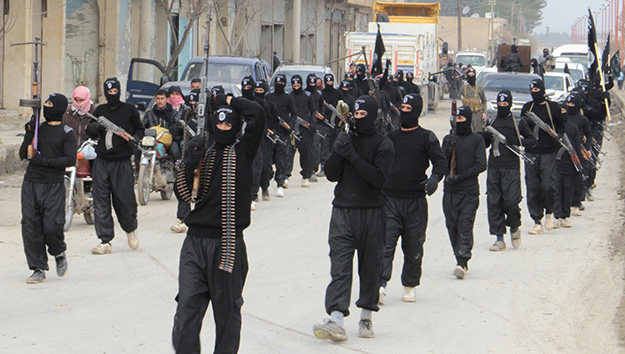
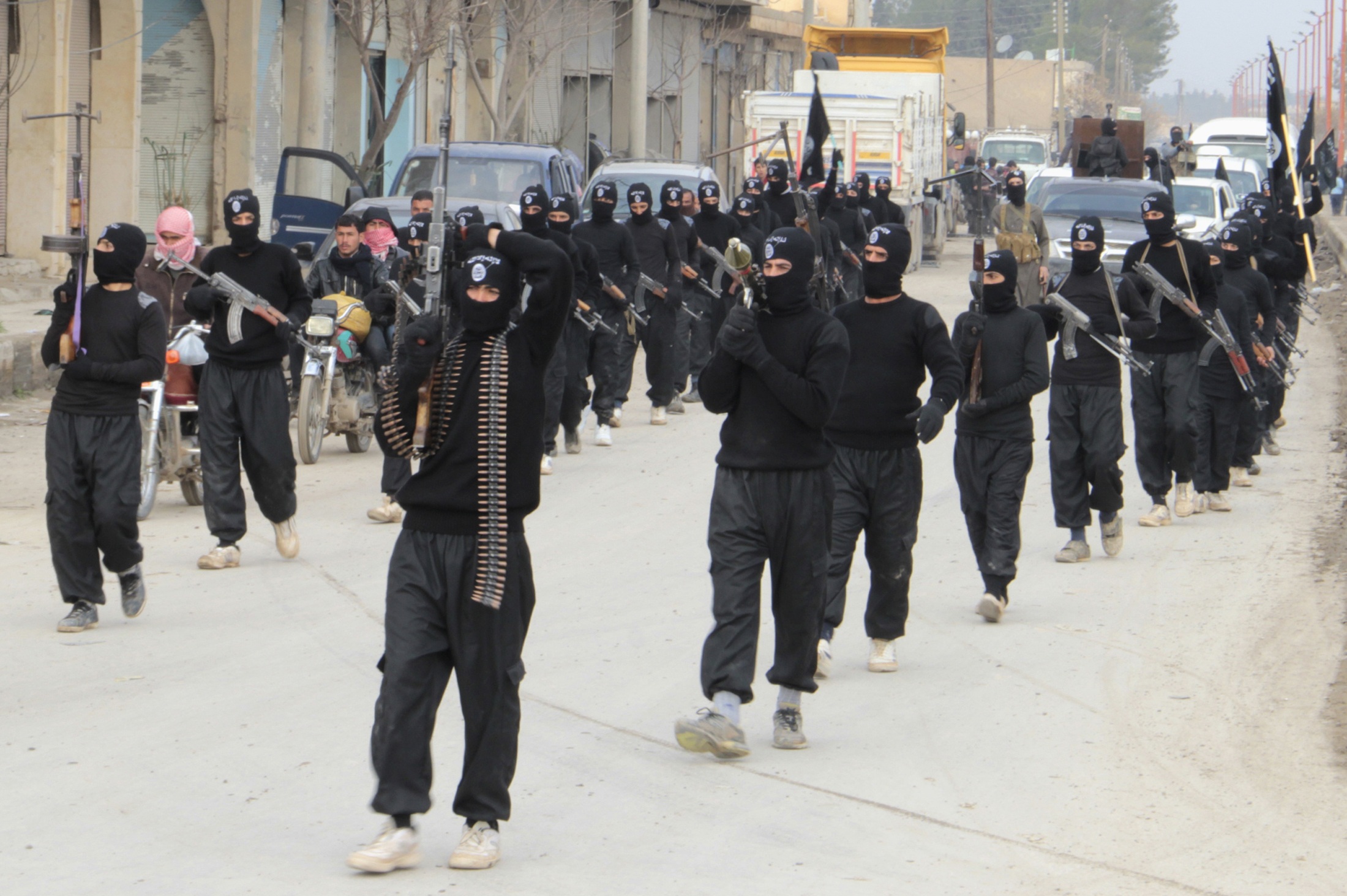
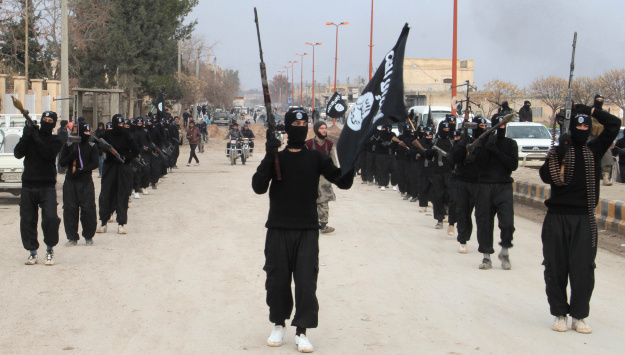
Sectarianism as a concept has gained renewed prominence following an offensive by the Islamic State in Iraq and Syria (ISIS) in early June 2014, which resulted in the fall of Mosul and a string of Iraqi towns. These land grabs have resulted in a flurry of commentaries blaming the conflict on sectarian differences between Iraq’s Shi‘a and Sunnis and predicting the fragmentation of Iraq along sectarian lines. This piece seeks to provide an analysis as to whether sectarianism, in and of itself, is the driving factor behind the renewed conflict in Iraq or the three-year civil war raging in Syria.
The Islamic State of Iraq and Syria (ISIS), a Sunni militant group controlling territory spanning the border between the two country’s northern regions, made a rapid advance toward Baghdad this week, seizing control of Mosul, Iraq’s second largest city, and Tikrit, and attacking the refinery town of Baiji. Forces from Iraqi Kurdistan have since moved to secure Kirkuk as the Iraqi central government’s military has fled in disarray. Robert Ford, former U.S.