‘Linking West’ in ‘Unsettled Times’: India-G.C.C. Trade Relations
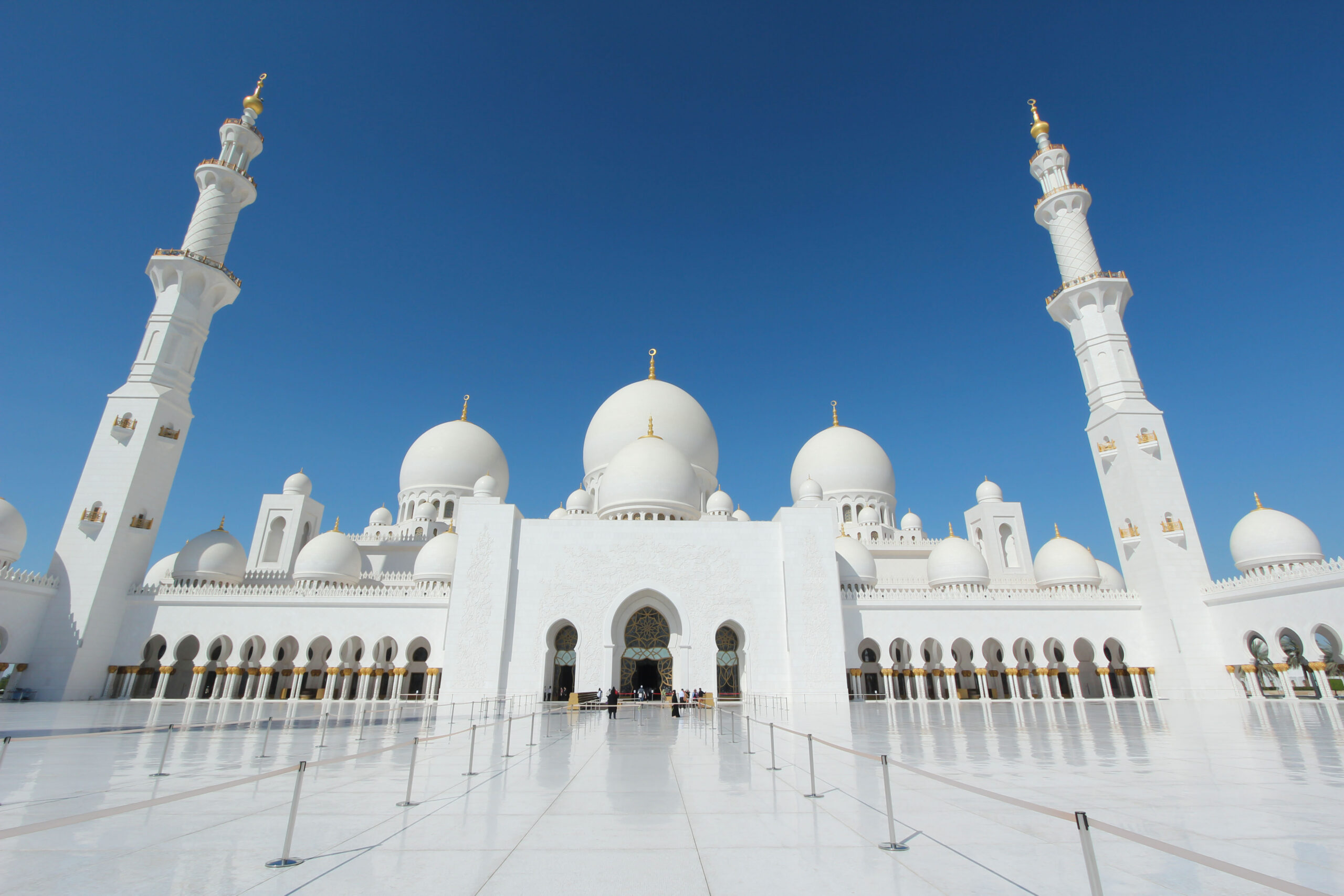
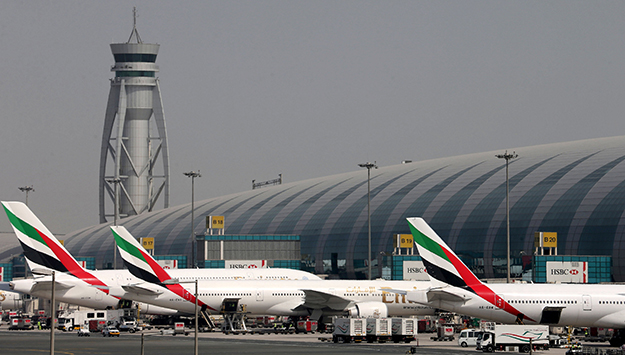
Economic and trade relations have been the most dynamic and significant component of the fundamental changes that have taken place in India’s relations with the Gulf Cooperation Council (G.C.C.) countries since the early 1990s. As a consequence, the Gulf has become of vital strategic importance for India in terms of energy security, trade, investment, and remittances. This essay discusses the contours of India’s trade relations with the G.C.C. countries, including the contributions they have made to India’s economic ascent and the scope for their further development.
India has become Israel’s largest arms export market in the world over the last decade (replacing China); and Israel has become one of India’s largest arms supplier. Why did India develop a strong military partnership with a country it had ignored for 42 years? What can explain the development of defense ties in spite of limited political leadership involvement over the past decade? Finally, what are the prospects for defense relations as India grows to become one of the world’s largest defense importer? This essay answers these questions by providing an account of the evolution of Indo-Israeli defense cooperation over the past 25 years.
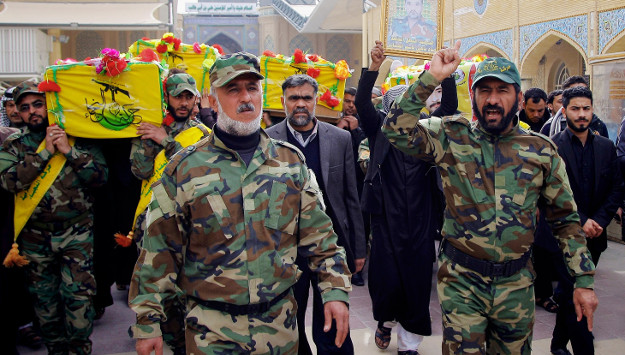
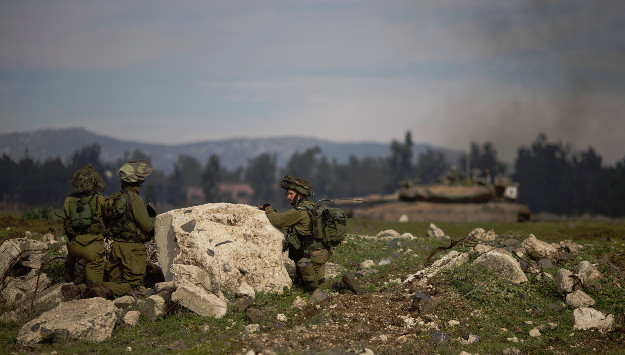
Iran-Backed Militia Group Calls for Collective Action to Reclaim Golan Heights, Destroy Israel
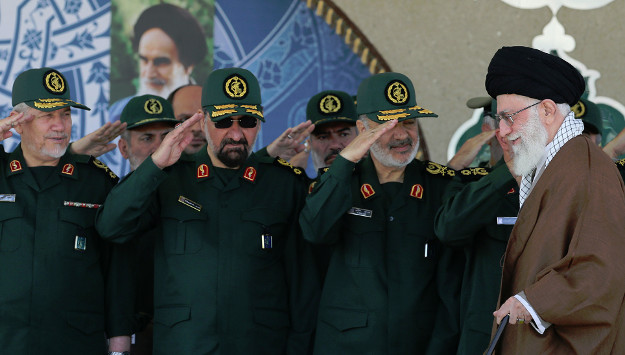
Over the past six years, Iran has played a key role in propping up the embattled regime of Bashar al-Assad in Syria, by sending Islamic Revolution Guards Corps (I.R.G.C.) military personnel as well as recruiting, funding, training and leading an extensive network of Iraqi, Lebanese, Pakistani and Afghan Shiite militia forces.
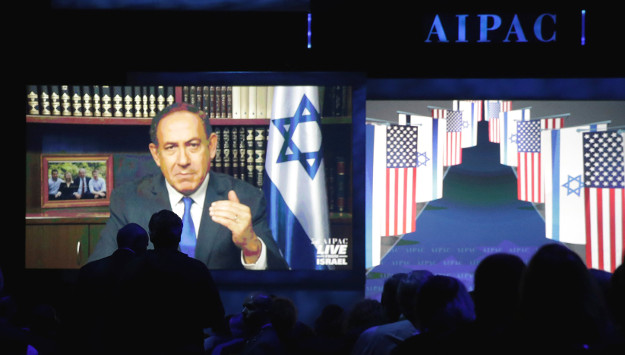
In this week’s Monday Briefing, MEI experts Yousef Munayyer, Eran Etzion, and Alex Vatanka provide analysis on recent and upcoming events including the evident partisan divide at this year’s AIPAC Conference, the surprise that the Trump administration’s lack of support for settlement building has caused for Israel’s right wing, and Iranian President Rouhani’s trip to Moscow.
When I was approached last summer by New York University’s Hagop Kevorkian Center for Near Eastern Studies to teach a class this spring, I did not imagine the changes that would take place in the American political landscape. Since Donald Trump took office, his promise to place “America first” has manifested itself in numerous ways. Although I am committed to the university and the students, traveling to the United States is becoming less and less enticing.
India’s Strategic Vision About West Asia and Its Limitations
The discourse of Non-Alignment continues to shape the political culture of the Indian establishment’s strategic thinking in the field of foreign policy, notwithstanding the decline of Gandhian-Nehruvian moralism and increasing adaptation to the culture of power-centered realism in recent years. This essay shows that gradualism and risk avoidance remain deeply embedded features of India’s conduct of external relations, including its relations with West Asia.
In this week’s Monday Briefing, MEI experts Charles Lister, Randa Slim, Paul Salem, and Eran Etzion provide analysis on recent and upcoming events including the meeting of the anti-ISIS coalition in D.C., the Iraqi Prime Minister’s visit to the U.S., the upcoming Arab League summit, and Israeli Prime Minister Netanyahu’s visit to China.
Redefining the Drivers of India-G.C.C. Economic Relations
Against the backdrop of the global geo-economic shift from West to East, India and its G.C.C. counterparts can, and should, seize the opportunity to recalibrate and reshape their economic relations. This essay discusses how the adoption of a value chain approach and its application to the healthcare high-tech digital service sectors.
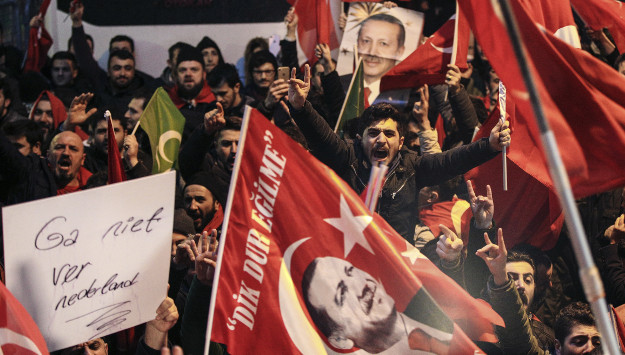
Diplomatic Feud Between Turkey and E.U. Grows | Monday Briefing
In this week’s Monday Briefing, MEI experts W. Robert Pearson, Gerald Feierstein, Yousef Munayyer, and Alex Vatanka provide analysis on recent and upcoming events including the simmering diplomatic feud between Turkey and the Netherlands, the Chinese offer to act as a mediator between Iran and Saudi Arabia, the congressional debate whether to supply aid to the Palestinian Authority, and the growing French business footprint in Iran.
Resolving the Conflict in Yemen: U.S. Interests, Risks and Policy
The following testimony by Amb. (Ret’d) Gerald M. Feierstein, Senior Fellow and Director of the Center for Gulf Affairs at the Middle East Institute, was delivered to the United States Senate Foreign Relations Committee on March 9, 2017.
Mr. Chairman, Mr. Ranking Member, Members of the Committee:
Thank you for providing this opportunity to speak to you today about Yemen and the tragic circumstances confronting the Yemeni people.
This essay explores the future of India-Gulf ties in all spheres and some out-of-the-box security dynamics, especially the possibility of evolving an alternative security mechanism in the Gulf. It specifically highlights the opportunities and challenges for Asian countries, especially India, in the quest for a new collective security architecture and stability in the region.