As violence flares up in Daraa, control can be an illusion
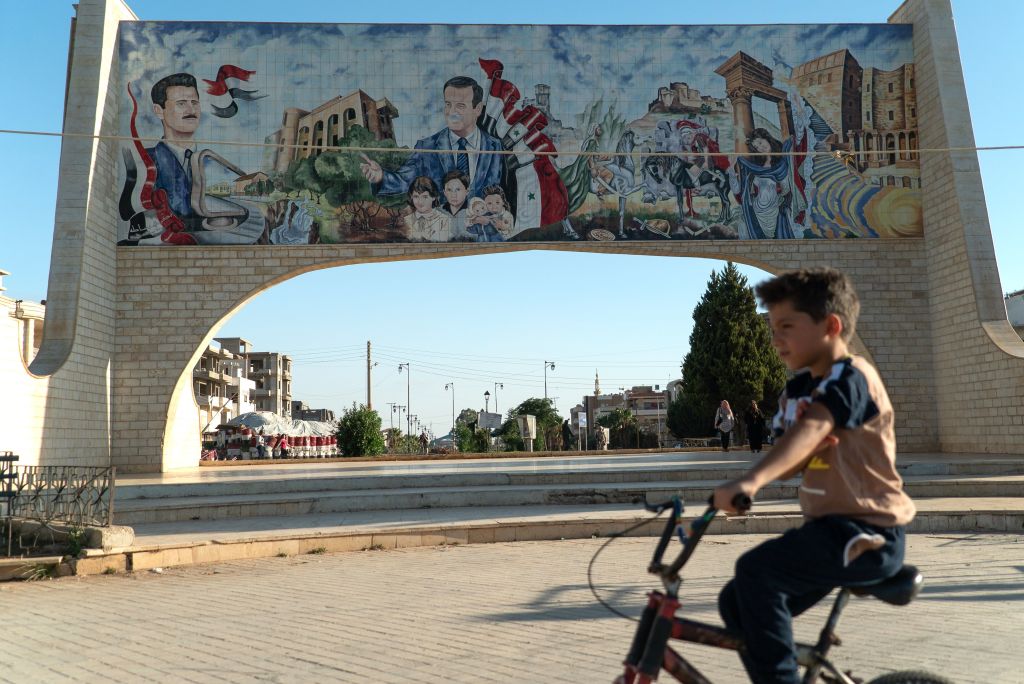
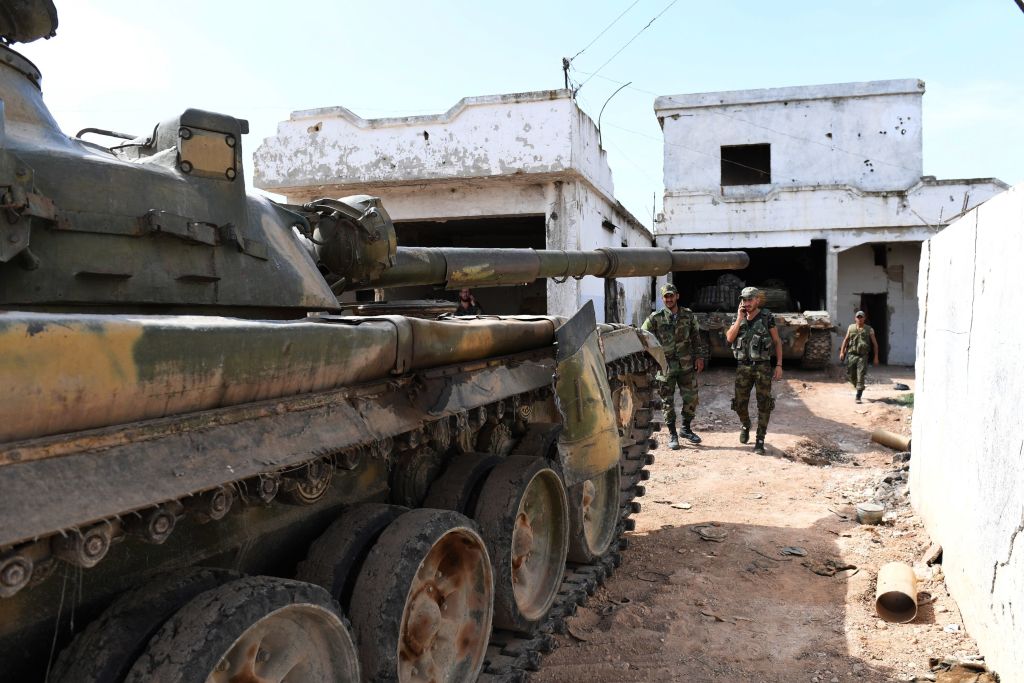
Violence has been flaring up at an alarming rate in the southern Syrian province of Daraa, amid dozens of unclaimed attacks by gunmen. Over the last three months, assassinations, checkpoint attacks, fires, and sporadic clashes have wreaked havoc in the area and signaled a potential return of conflict.
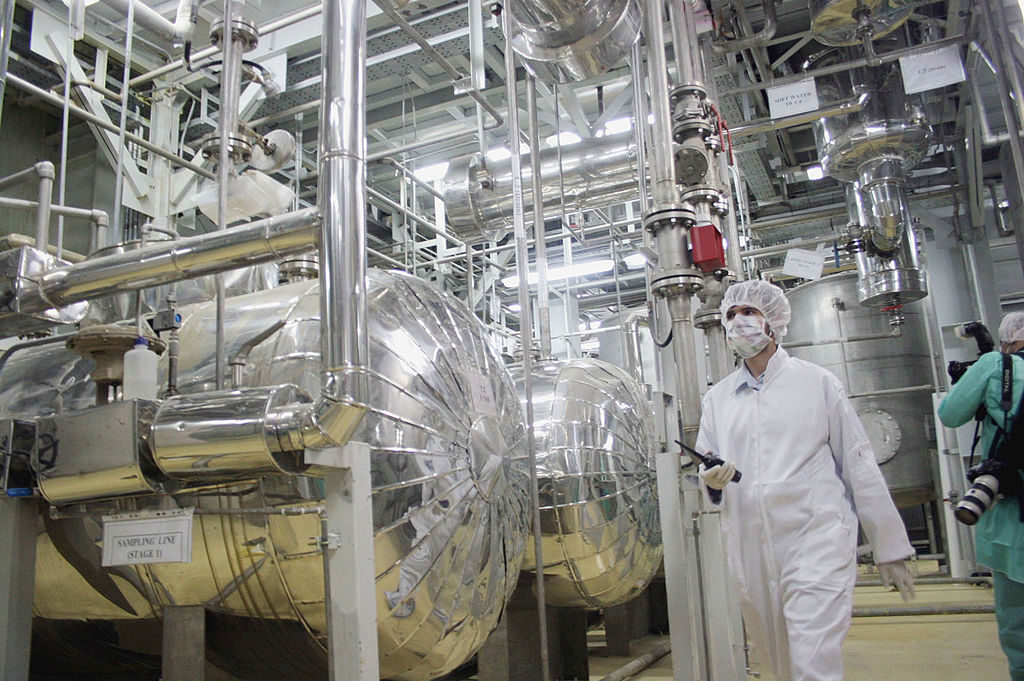
In this week’s Monday Briefing, MEI experts Alex Vatanka, Gonul Tol, Gerald Feierstein, Marvin G. Weinbaum, Rauf Mammadov, and Robert S. Ford provide analysis on recent and upcoming events including Iran’s announcement that it has exceeded its enriched uranium limit, Turkey’s purchase of Russia’s S-400s missile defense system over American objections, an Emirati announcement that it will downsize military involvement in Yemen, the resumption of intra-Afghan peace talks, Russia’s continuing embrace of OPEC+ oil production cuts, and the emergence of potential threats to Tunisia’s democracy.
A way out for Russia and Turkey from Idlib's spiral of violence
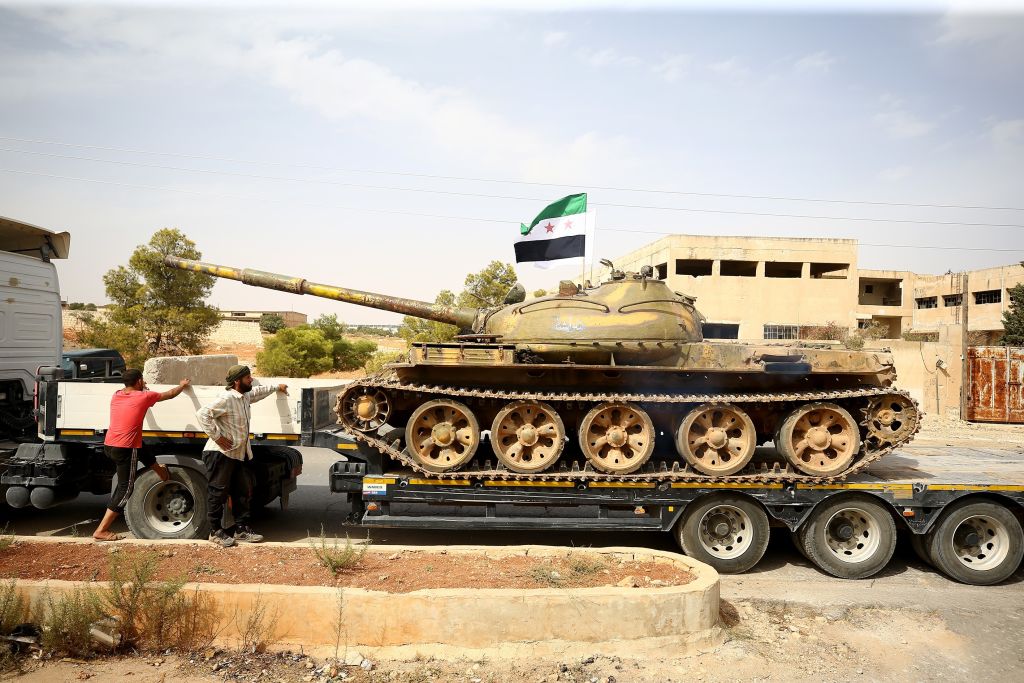
Since the start of the regime’s military campaign in Idlib last month, a group of Free Syrian Army factions that fought alongside Turkish soldiers has gradually entered the region. This development may balance the Hayat Tahrir al-Sham presence and ultimately help to force the group out of the demilitarized zone, ensuring a continued Turkish-Russian consensus on Idlib.
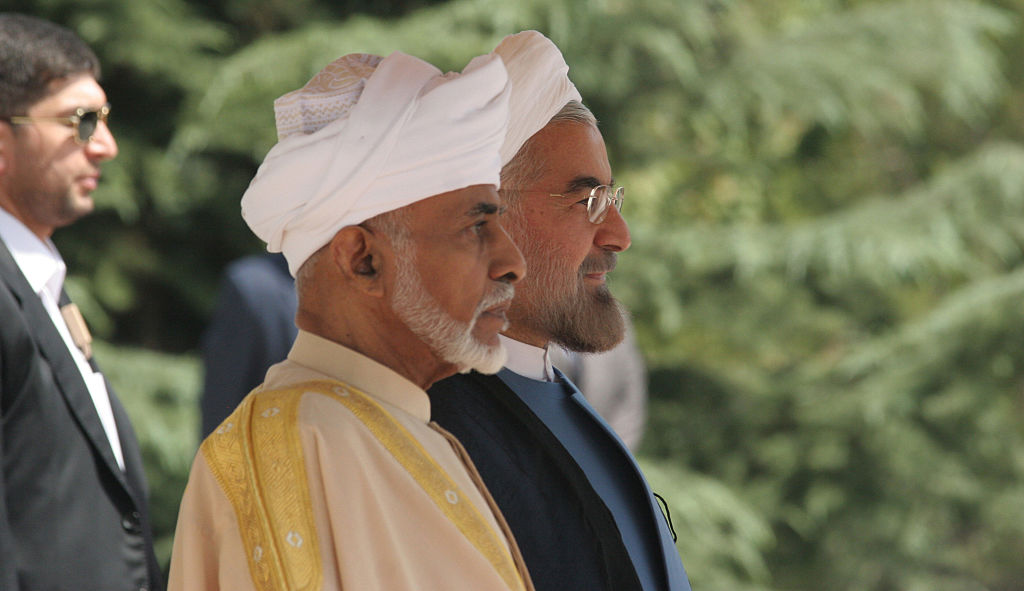
The Gulf State That Might Get Israel and Iran Talking
Despite the risks of war between the U.S. and Iran, a narrow diplomatic opportunity exists. But it is not between Washington and Tehran, but rather between Jerusalem and Tehran.
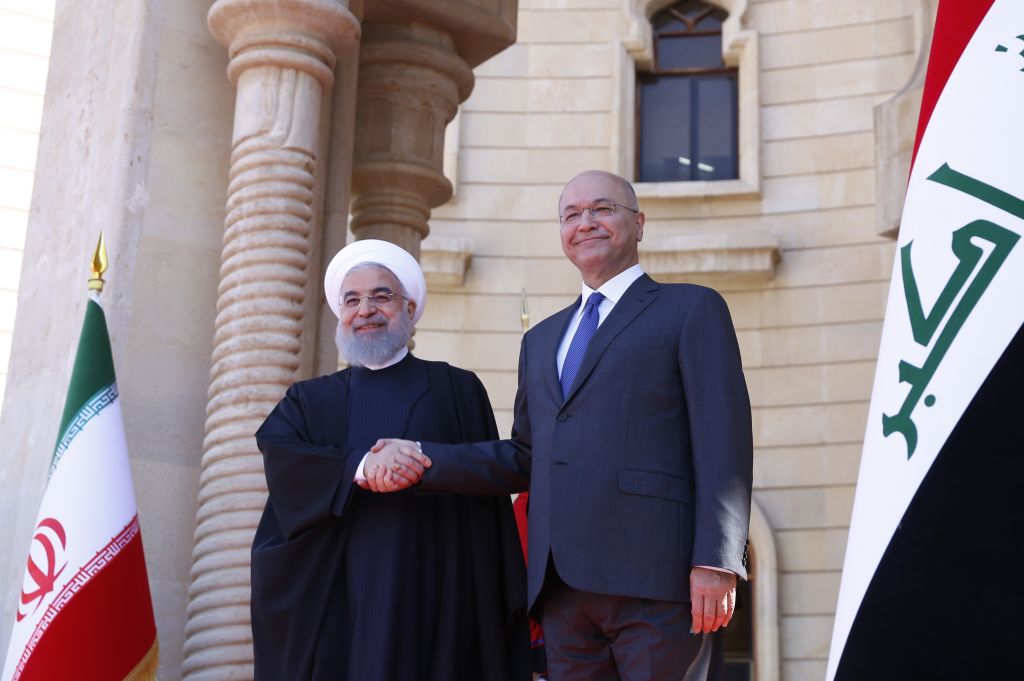
Although relations between the neighbors have had their ups and downs, Tehran has invested deeply in Iraq, both politically and economically, and these investments will only multiply in the short term. After all, U.S. sanctions on Iran have made Iraq an essential link in Iran’s potential chain of commerce. How such plans play out will put the Iranians, the Iraqis, and the administration of U.S. President Donald Trump to the test.
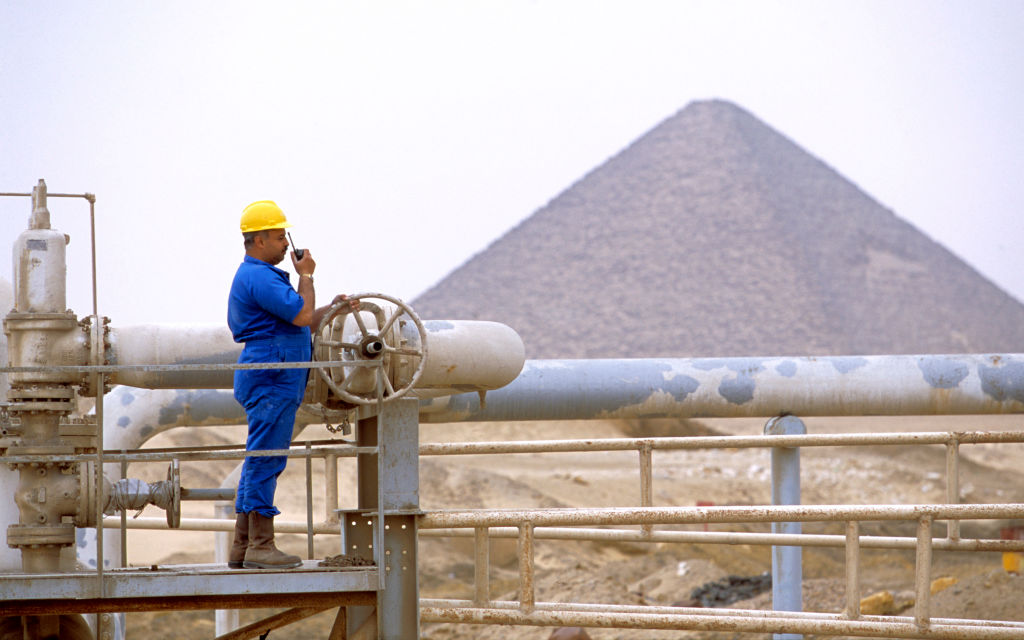
Competition for security and energy is at the center of recent developments in the Eastern Mediterranean. Countries from Egypt to Turkey are moving to secure, exploit, and market their (not always fair) share of the game-changing offshore natural gas reserves. Russia, China, and Iran are securing port facilities, and in the case of Russia, drilling rights, in Lebanon and Syria.
Between Ankara and Damascus: The role of the Turkish state in north Aleppo
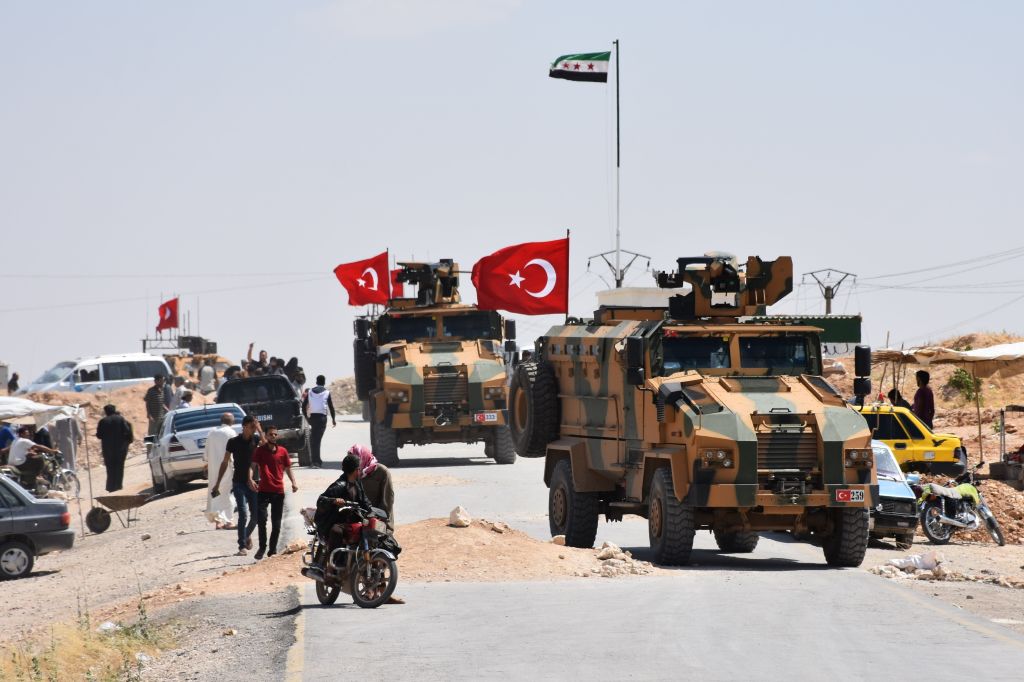
It’s been nearly three years since the Turkish incursion into northern Syria in August 2016, but one central question remains unanswered: What is Ankara’s plan for the area now under its control? This paper examines the complex relationship between local governance and service provision in the Euphrates Shield (ES) area of north Aleppo and the Turkish state. Using secondary sources and interviews with Syrian and Turkish activists and officials, this paper establishes that, first and foremost, Turkey has no coherent policy with regards to local governance in ES.
The EU needs a more robust Middle East human rights report
In May, the European Council adopted the 2018 iteration of the EU Annual Report on Human Rights and Democracy in the World. Promoting human rights has long been a priority for the EU, but in practice the bloc is selective about the human rights violations its analyzes, especially when it comes to the Middle East.
In this week’s Monday Briefing, MEI experts Paul Salem, Gonul Tol, Alex Vatanka, and Marvin G. Weinbaum provide analysis on recent and upcoming events including Iran’s announcement that it will increase uranium enrichment, Istanbul’s upcoming mayoral election, potential leadership shifts in Tehran, and a rise in political tensions following Pakistan’s anti-corruption crackdown.
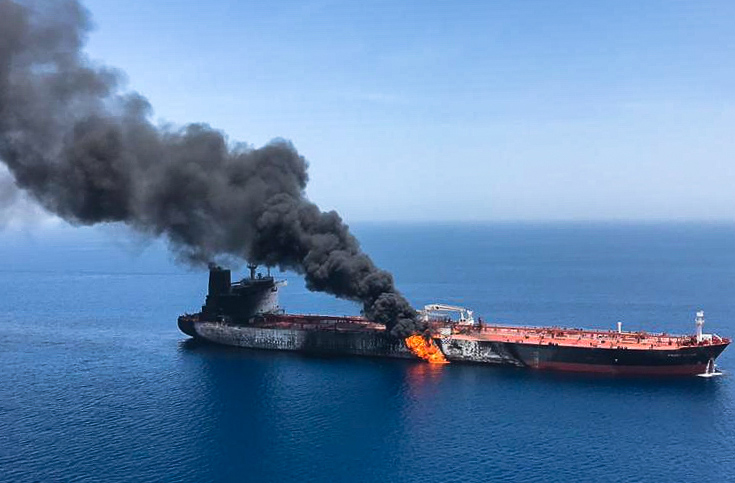
The U.S. and Iran are locked in conflict. Regardless of the details or culpability regarding the latest attack on two tankers in the Gulf, the conflict is centered on Washington’s “maximum pressure” campaign and Tehran’s response that it will not sit idly by while its economy is brought to its knees. Paul Salem sketches out five possibilities for where things might be headed.
Countering Extremism After the Fall of the ISIS Caliphate
The territorial defeat of ISIS in March 2019 was a significant victory in the fight against terrorism, but the struggle to defeat violent extremism is far from over. Ambassador Edmund Fitton-Brown and Charles Lister join guest host Gerald Feierstein to discuss the latest developments in policy to combat regional terrorist threats.
Coastal breakdown in Syria creates opportunities for Russia
The growing power of paramilitary groups and the response of Bashar al-Assad’s foreign backers illustrates how local skirmishes over smuggling routes can have much broader geopolitical implications as Russia gains ground at the expense of both the regime and Iran.
Monday Briefing: Regime offensive in Syria’s northwest grinds to a halt
In this week’s Monday Briefing, MEI experts Charles Lister, Paul Salem, and Mirette F. Mabrouk provide analysis on recent and upcoming events including military developments in Syria’s northwest, the confirmation of David Schenker as Assistant Secretary of State for Near Eastern Affairs, and the approval of amendments to laws regulating Egypt’s judiciary.
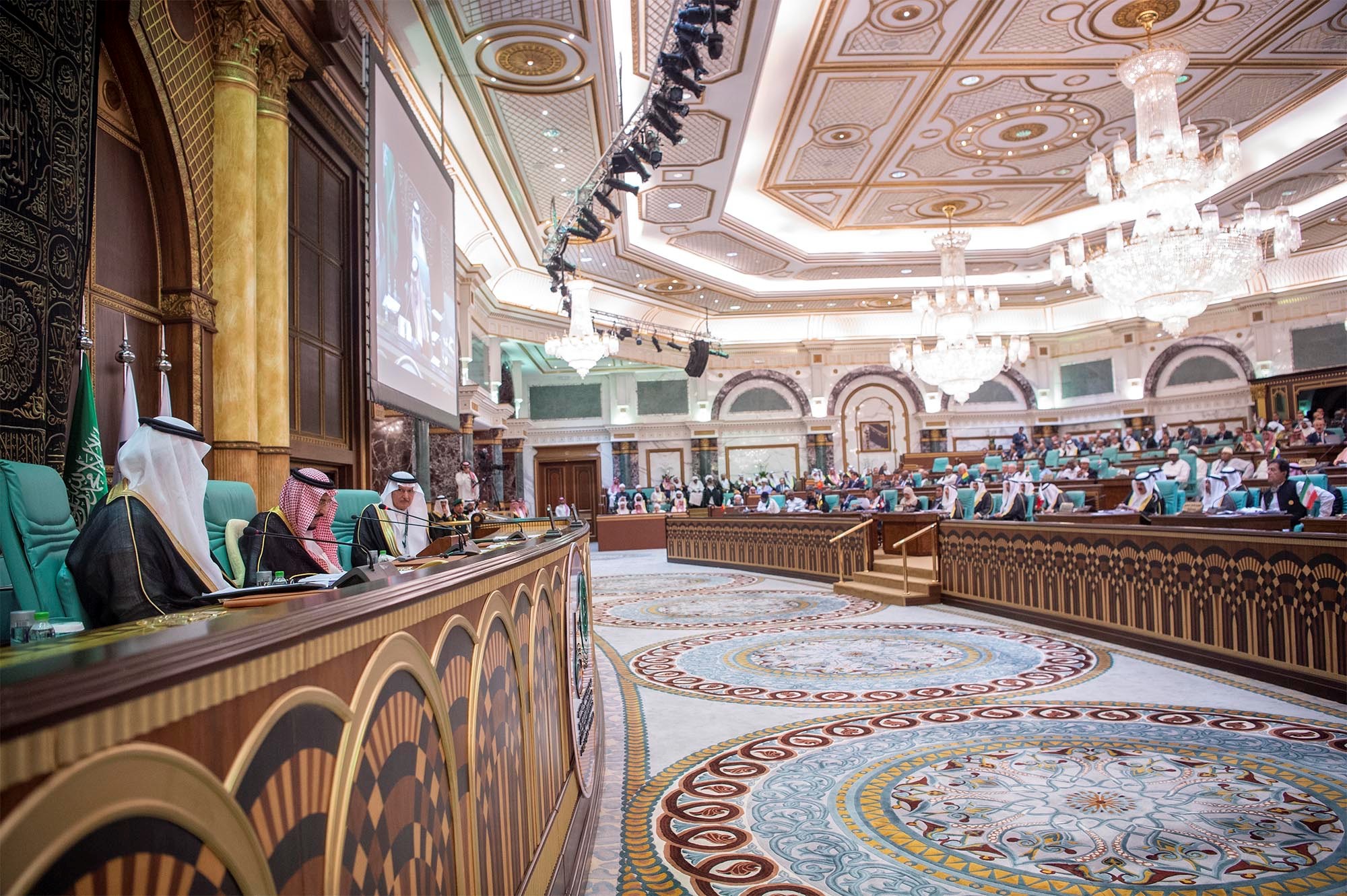
In this week’s Monday Briefing, MEI experts Birol Baskan, Eran Etzion, Alex Vatanka, and Marvin G. Weinbaum provide analysis on recent and upcoming events including recent regional summits in Mecca to discuss Iran and the Qatar crisis, Benjamin Netanyahu’s gambit to retain power in Israel, and escalating hostilities between the Pakistani military and the Pashtun Tahaffuz Movement.