Stabilizing the Sinai Peninsula – An Agenda For Action
MEI Podcast, 7 September, 2012 Foundation for Middle East Peace, Middle East Institute, Churches for Middle East Peace, and Americans for Peace Now invite you to a program Stabilizing the Sinai Peninsula – An Agenda For Action with Ambassador (ret.) Arthur Hughes Former Director General of the Sinai Multinational Forces and Observers (MFO) and Geoffrey Aronson Director for Research and Publications Foundation for Middle East Peace Friday September 7, 12:00-1:30 PM Carnegie Endowment for International Peace 1779 Massachusetts Ave., NW Washington, DC Rising lawlessness and violence and an inc
Israeli-Palestinian Peace: The Palestinian Refugee Challenge
Of the four core issues to resolve for an Israeli-Palestinian peace (security, borders/settlements, Jerusalem and Palestinian refugees) it is the refugee question that gets the least attention by non-specialists. And it is the core issue least addressed publically in detail by Israeli and Palestinian leaders.
Orientalism's Wake: The Ongoing Politics of a Polemic
Originally posted September 2009
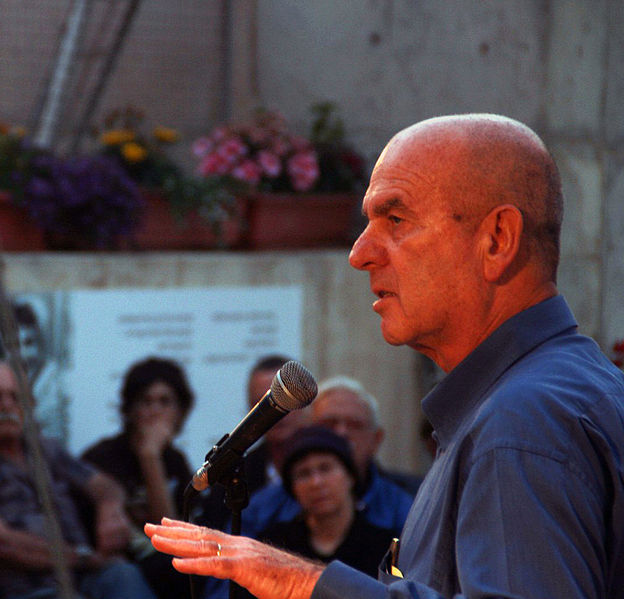
Edward W. Said, who passed away at the age of 67 on September 25, 2003, was a towering “public intellectual” — a man of extraordinary erudition, a path-breaking scholar, and a passionate activist.
Said was a man of many interests, talents, and accomplishments — pianist, opera critic, newspaper columnist, popular essayist, television celebrity, and public lecturer. From 1963 until his death, he was Professor of English and Comparative Literature at Columbia University.
Since the overthrow of King Mohammad Zahir Shah in 1973, Afghanistan has been plagued by war — either war waged among ideologues (Marxists v. nationalists) or war marked by foreign invasion and occupation. The Soviet occupation of Afghanistan, which began in 1979, lasted a full decade.
The appointment of a political figure as ambassador often signals the level of importance attached to bilateral relations, more so if the person in question was a career military officer and current cabinet minister. This was the case in February 2012 when Israel named Matan Vilnai as its next ambassador to China. Beijing was more than happy to accept the appointment of then-Israeli Minister of Home Front Defense, seeing it as a signal for further improvement.
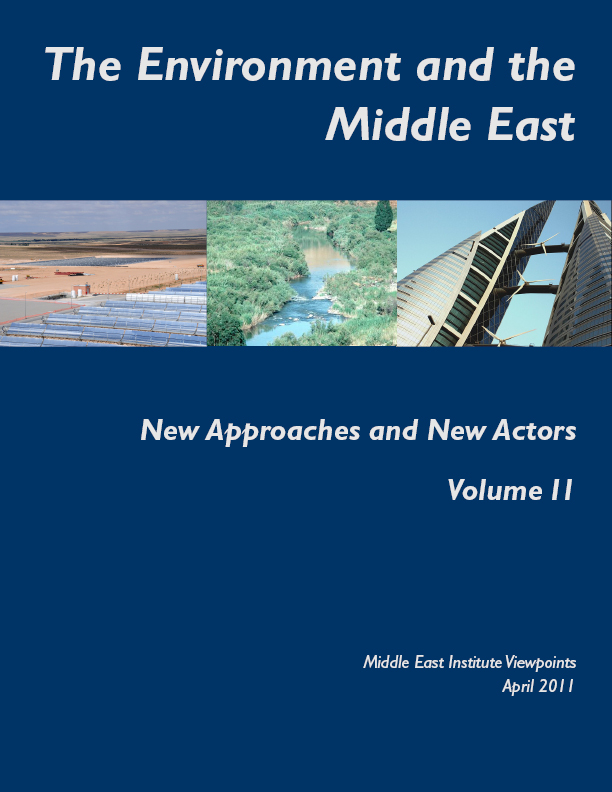
Introduction to The Environment and the Middle East: New Approaches and New Actors , Volume II
The tumultuous political changes taking place across the region dominate the news — deservedly so. Yet, there are other changes taking place throughout the Middle East which, though less prominent, also merit attention. Indeed, the region has no shortage of creative and committed “change agents” who in ways great and small have taken meaningful steps to address the myriad challenges to the sustainability of the region’s physical environment. Volume II in this series offers snapshots of a small selection of the many efforts aimed at cultivating responsible environmental stewardship.