A year ago, in the wake of Hamas’s Oct. 7 attack, U.S. President Joe Biden traveled to Tel Aviv and met with Israeli Prime Minister Benjamin Netanyahu to reiterate his administration’s unwavering support for Israel. Biden’s embrace of Netanyahu was rooted in the belief that only positive inducements and constant reassurances—both militarily and diplomatically—could restrain Israel’s actions in Gaza. In reality, though, this “bear hug” diplomacy has resulted in an unmitigated failure.
Understanding Gaza: Lessons for the "day after" and beyond
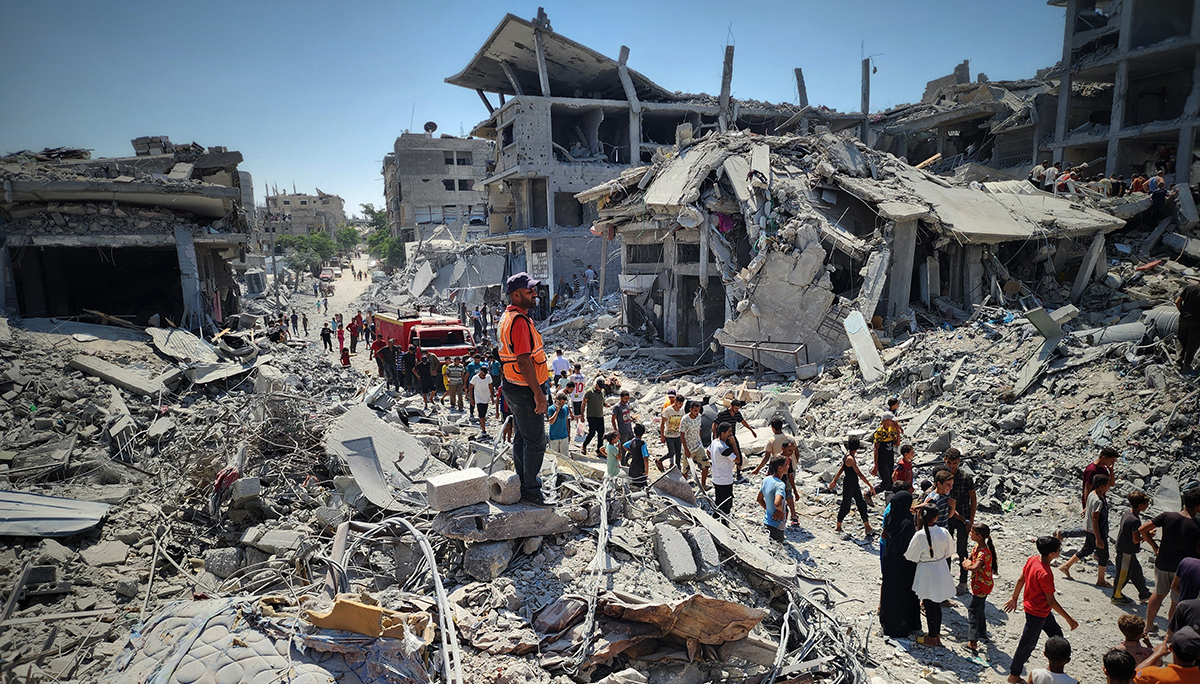
The devastating details of what has happened in Gaza since the war started have been widely covered. Absent from the discussion, however, are questions about what led to the war, what went wrong on the policy front, and, more importantly, whether this man-made tragedy could have been averted. Without understanding Gaza, plans for the “day after” may very well result in the further mismanagement of the already devastated enclave.
The two leading presidential candidates in America’s 2024 election have made statements and established track records on the Middle East based on their time in office. This document aims to highlight the most important and reliable positions staked out by former President Donald Trump and current Vice President Kamala Harris.
As the U.S. leaves Iraq, it can’t leave the door open for ISIS
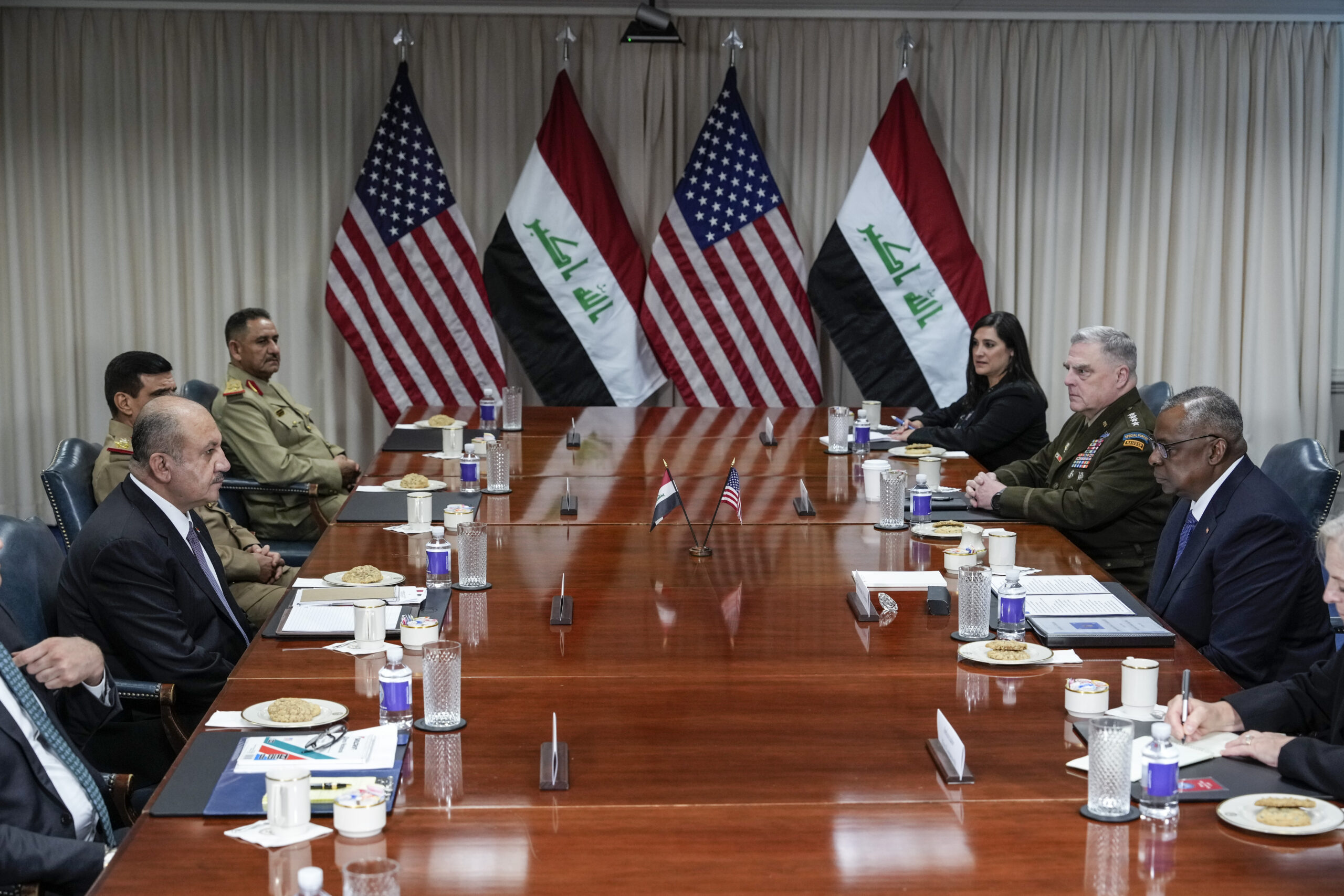
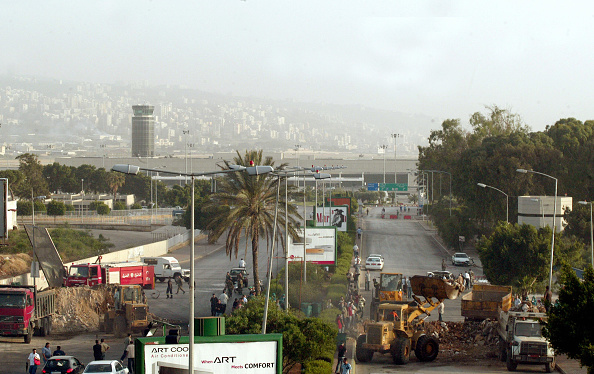
After more than six months of talks, the United States and Iraq look set to announce a significant agreement stipulating that the U.S.-led anti-Islamic State coalition will withdraw entirely from the country over the next two years.
Pakistan’s shifting positions on the plight of Palestinians and relations with Israel
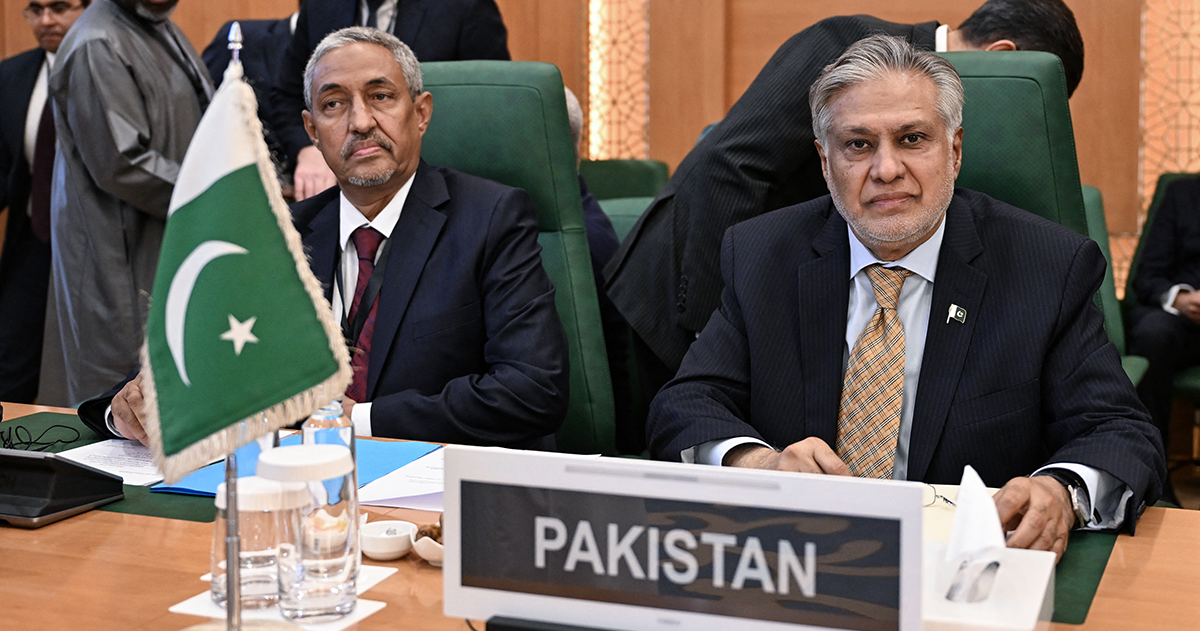
It is ironic that Pakistan and Israel are both countries created in the name of religion, at around the same time, and yet they have no formal relations. While Pakistan’s animosity toward Israel is rooted in the displacement of Palestinians, it has also served as a means of burnishing the country’s credentials within the community of Muslim nations and pushing back against India, which maintains increasingly close ties with Israel.
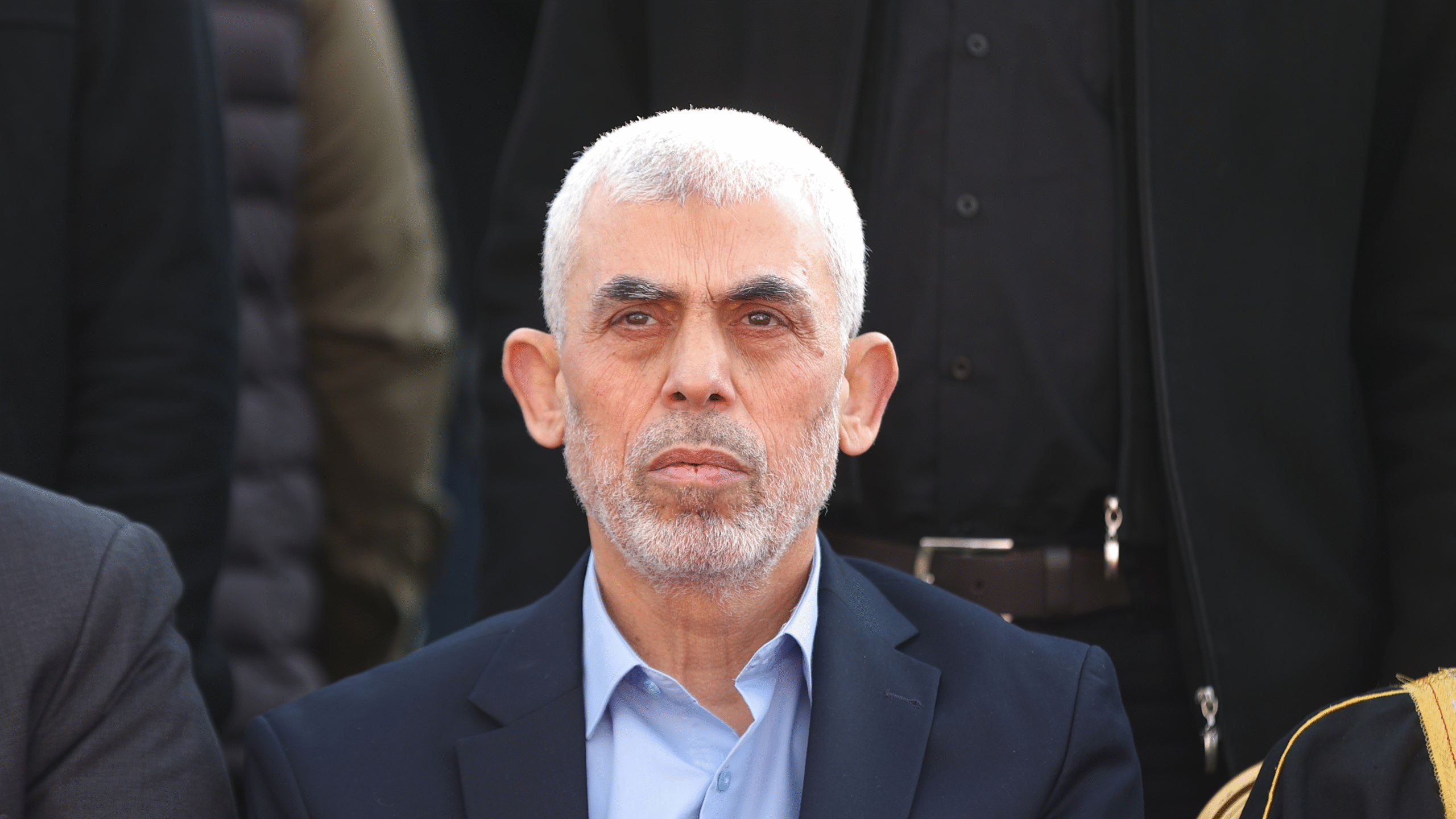
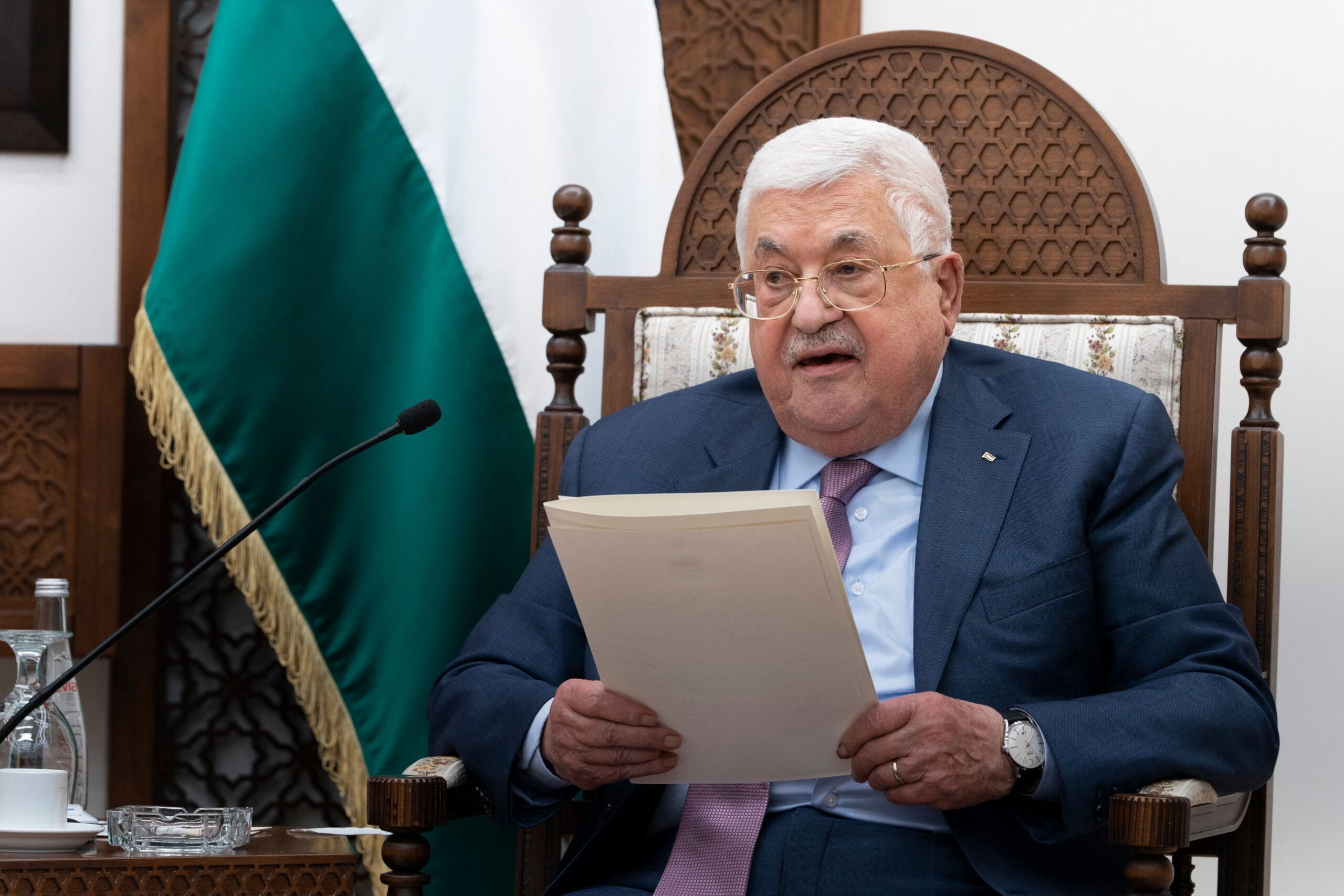
For nearly two decades, Palestinian leadership has been fractured. Along with a basic division between Hamas in Gaza and the Palestinian Authority in the West Bank, numerous other groups have competed for influence. In late July, leaders of all 14 Palestinian political factions, including Fatah and Hamas, met in Beijing to issue a call for national unity.
Israel and the Axis of Resistance in the wake of the Gaza war
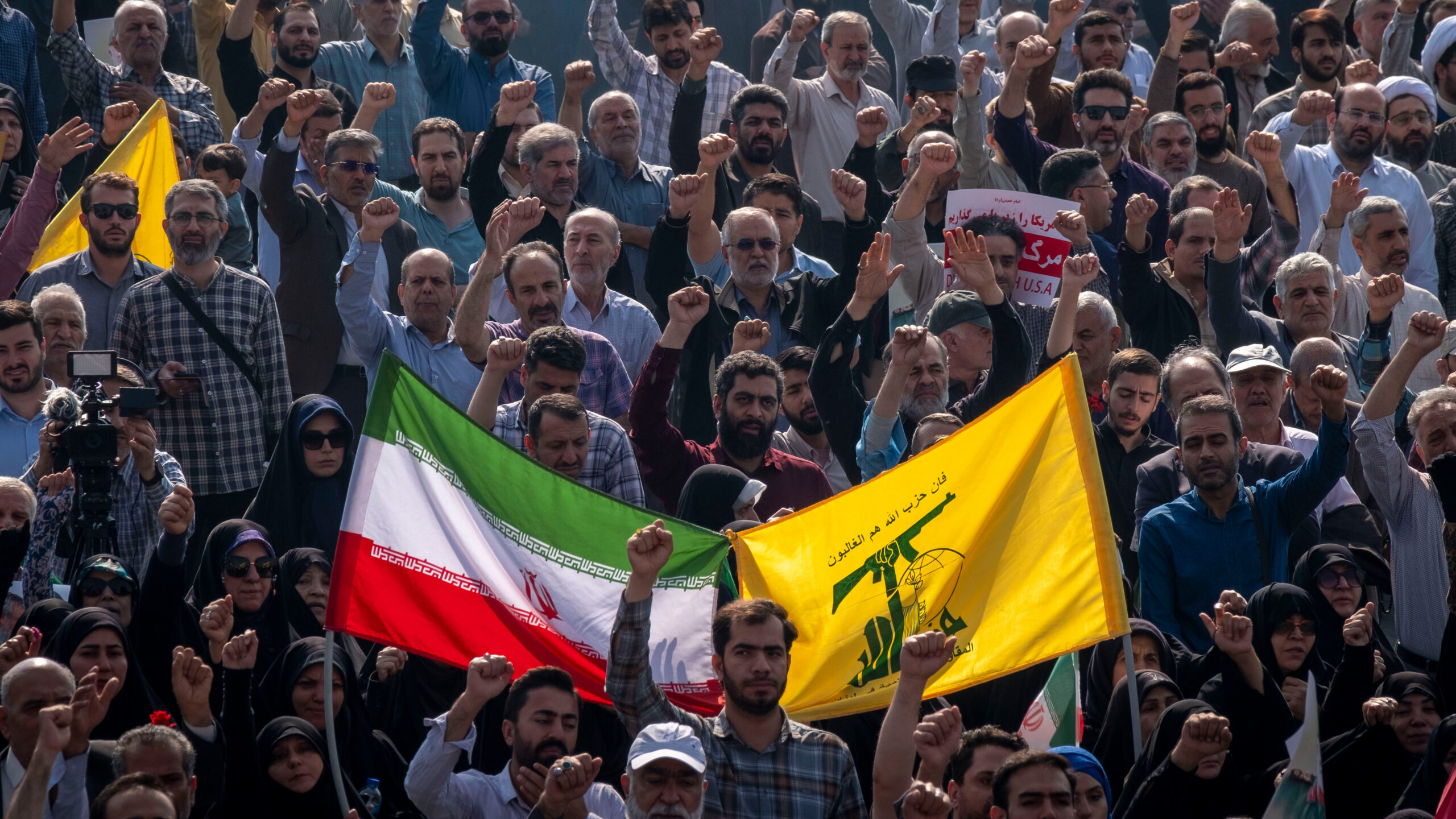
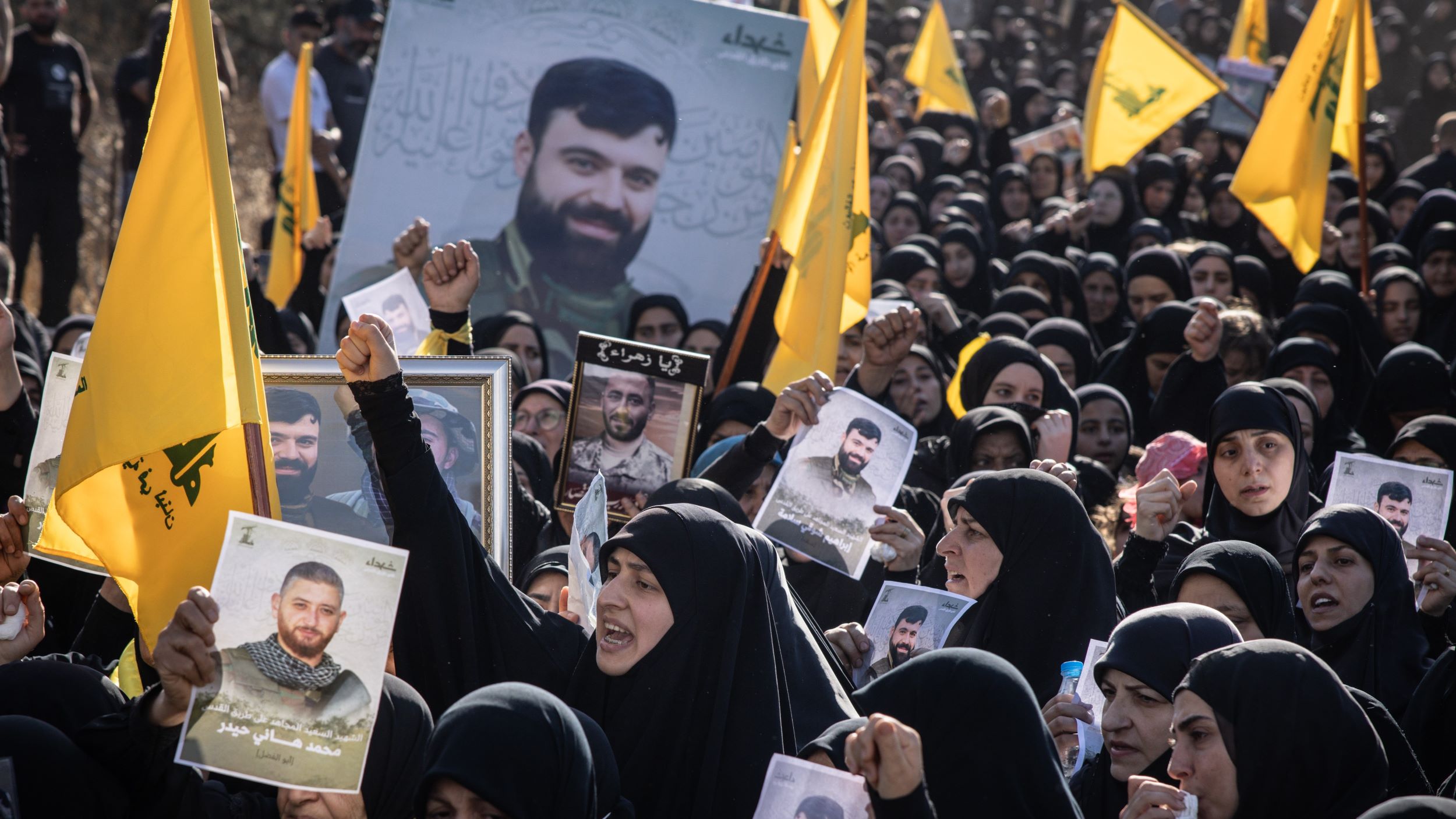
Hamas’ Oct. 7 attack touched off a destructive war with Israel and a limited but fierce regional conflagration between Israel and the Iran-led “Axis of Resistance,” with Lebanese Hezbollah at the forefront. The ongoing conflict has been multi-fronted, multi-faceted, dynamic, and already highly consequential. While a clear bottom line remains elusive, exploring the war’s primary origins and evolution offers useful indicators.