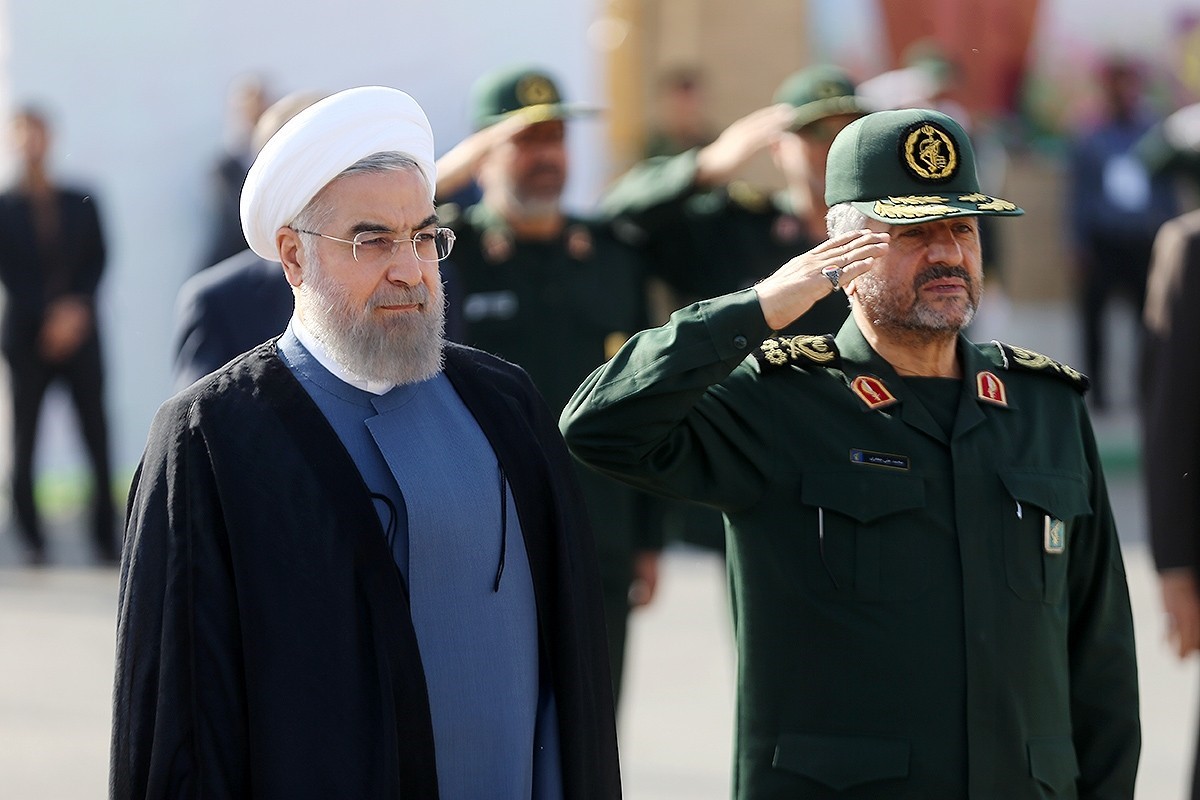
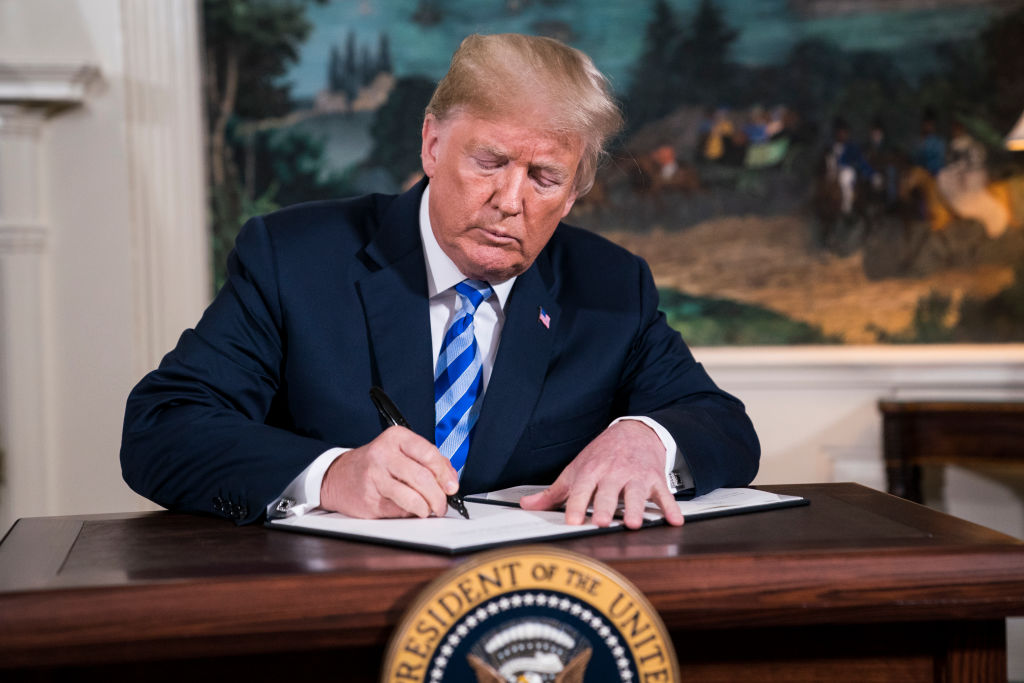
On April 8, the Trump administration designated the Islamic Revolutionary Guard Corps (IRGC), Iran’s elite military force, as a foreign terrorist organization. The reaction in Tehran was stern and swift.
Monday Briefing: US IRGC terrorist designation and the view from Tehran
In this week’s Monday Briefing, MEI experts Alex Vatanka, Emadeddin Badi, Yousef Munayyer, Randa Slim, and Shahrokh Fardoust provide analysis on recent and upcoming events including the IRGC’s designation as a terrorist group, the battle for control of Tripoli in Libya, the impact of Israel’s elections on the Palestinian crisis, Iraqi PM Abdul-Mahdi’s first official visit to Iran, and the spring meetings of the World Bank and IMF in DC.
In this week’s Monday Briefing, MEI experts Robert S. Ford, Mirette F. Mabrouk, Nathan Stock, Marvin G. Weinbaum, and Jean-François Seznec provide analysis on recent and upcoming events including the government shakeup in Algeria, Egyptian President el-Sissi’s visit to Washington, rocket attacks from Gaza, Imran Khan’s war against poverty, and a $69 billion merger between Saudi Arabia’s oil and chemical giants.
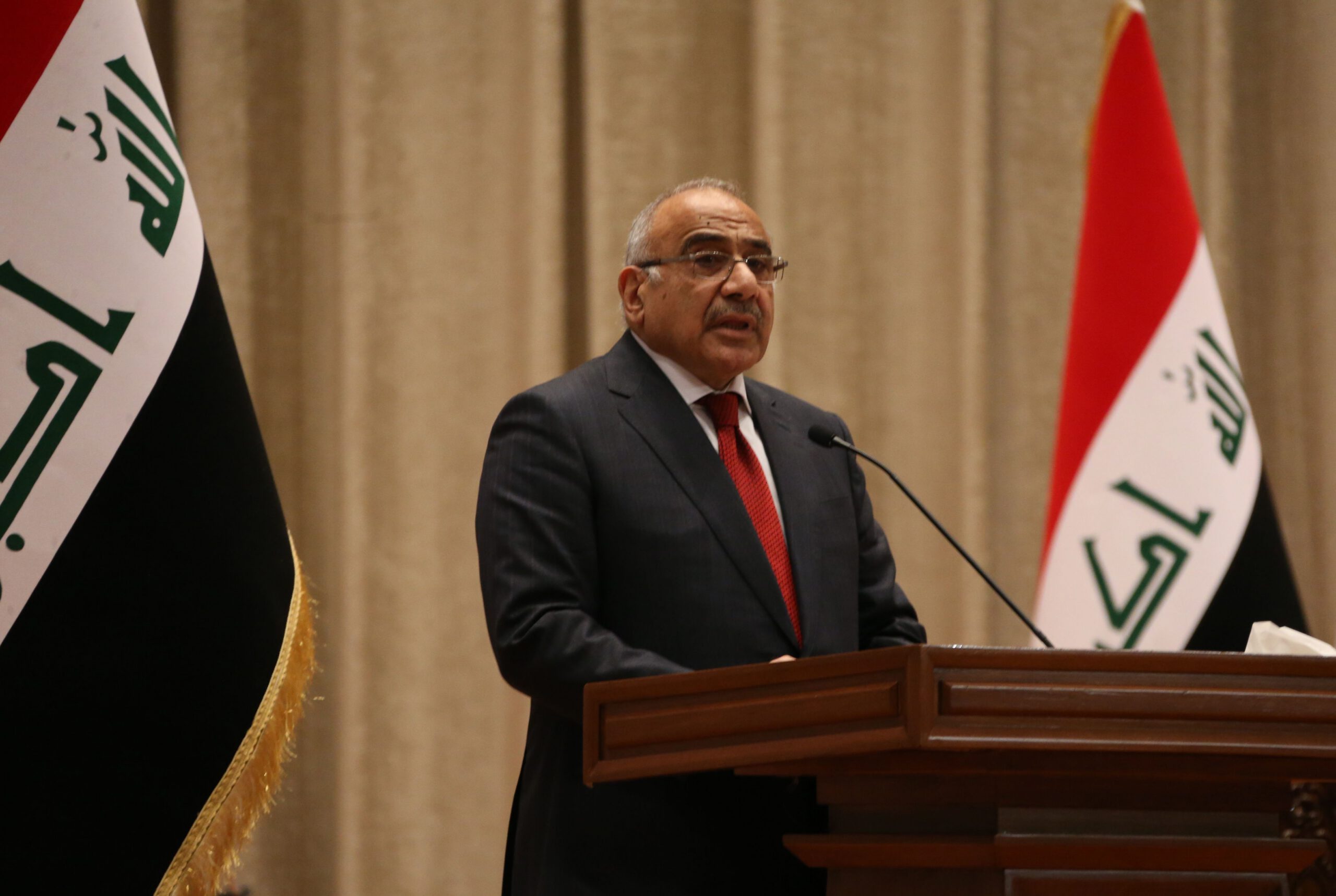
Monday Briefing | Iraq: Outreach abroad, but troubles at home
In this week’s Monday Briefing, MEI experts Randa Slim, Charles Lister, Gerald Feierstein, and Paul Salem provide analysis on recent and upcoming events including Iraqi Prime Minister Abdul-Mahdi’s first foreign trip to Egypt, the future threat posed by ISIS, Israeli Prime Minister Benjamin Netanyahu’s AIPAC meeting in Washington, and Secretary of State Mike Pompeo’s visit to Lebanon.
Lavrov’s Gulf trip highlights Russia’s growing regional role
Russian Foreign Minister Sergei Lavrov made a four-day trip to the Gulf in early March, stopping in Qatar, Saudi Arabia, Kuwait, and the UAE as part of a broader effort to boost Moscow’s ties with the region. Although the Gulf monarchies are traditionally considered of some of the U.S’s closest allies, relations between Russia and the Gulf have improved in recent years and there is potential for further cooperation going forward.
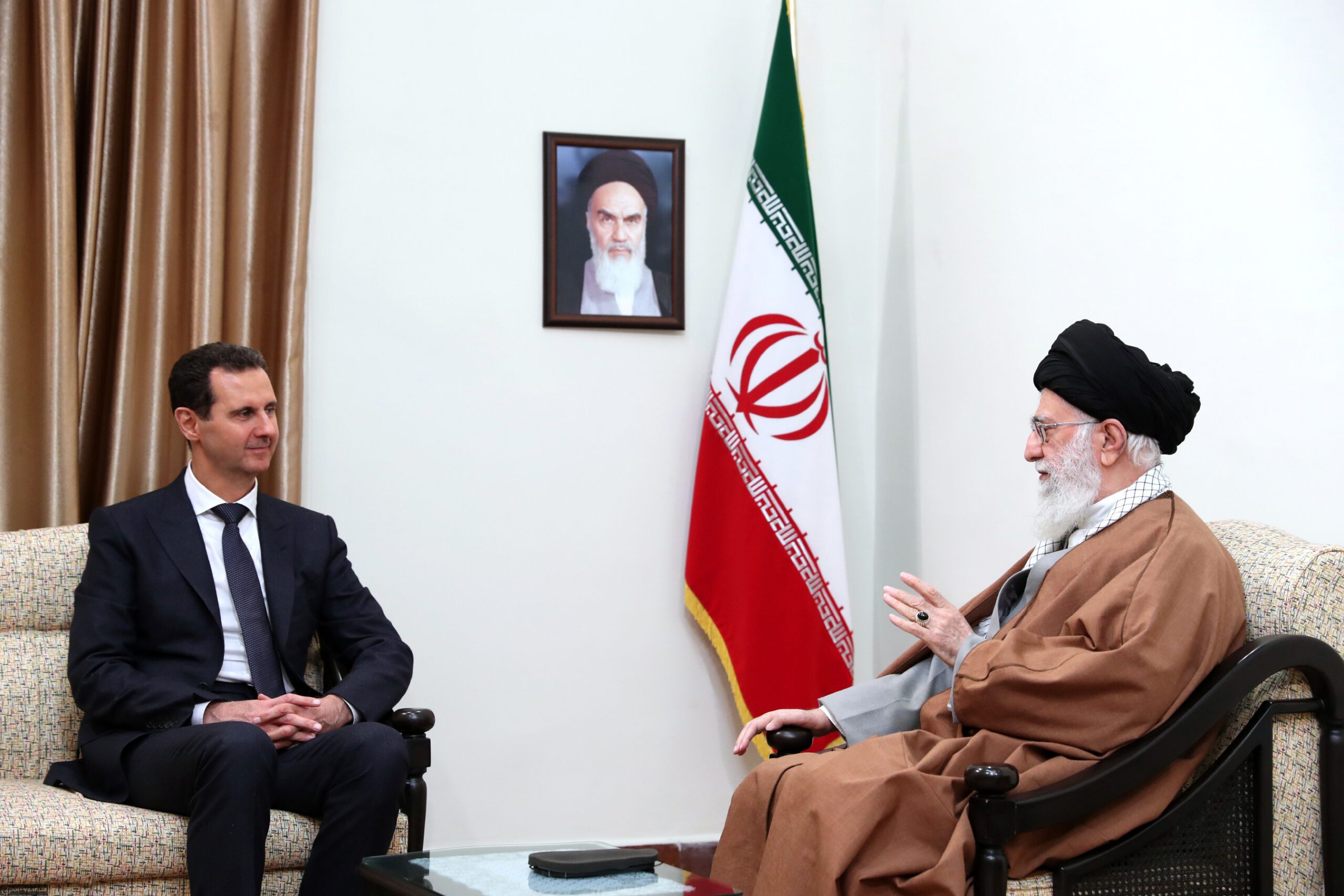
That the relationship between the Ba’ath regime in Syria and the ayatollahs of the Islamic Republic is one of loveless realpolitik is no secret to anyone with a passing familiarity with the history of Damascus-Tehran ties. The end of the war in Syria has already begun to expose faults in the unlikely marriage between a militant secular Arab regime rooted in the independence politics of the colonial era and the revolutionary rule of the wilayat al-faqih.
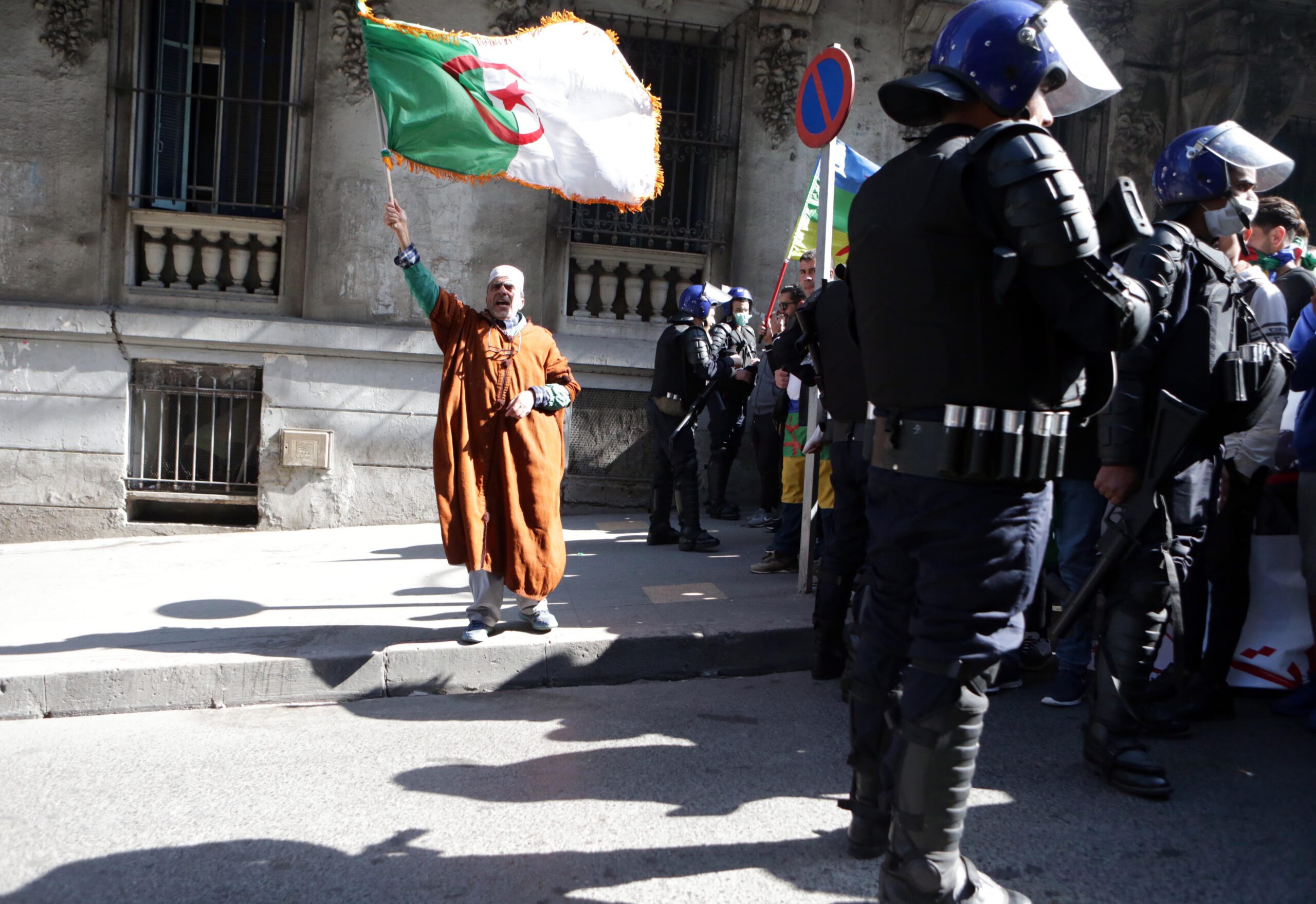
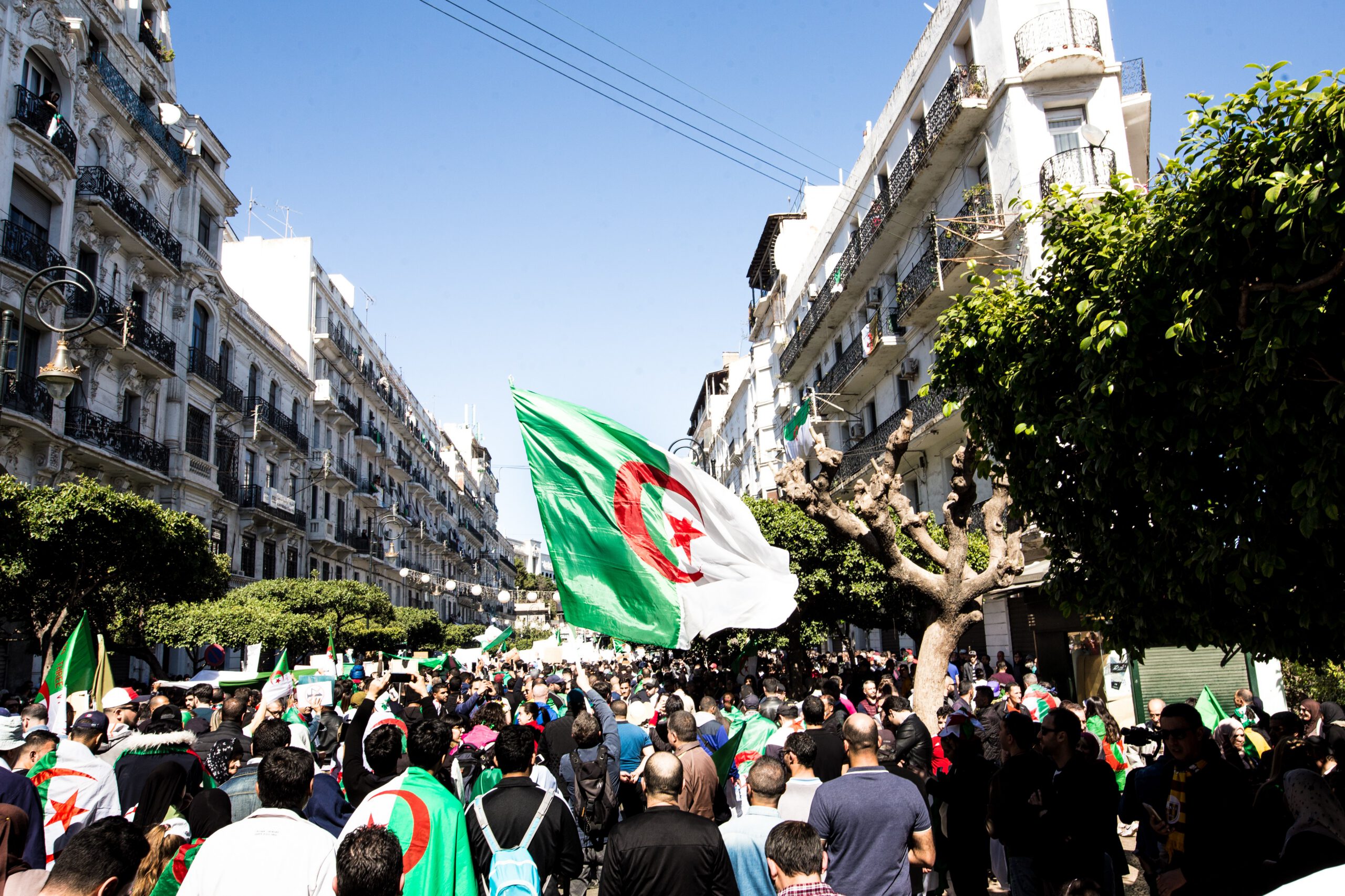
Monday Briefing: Algeria's political crisis is deepening
In this week’s Monday Briefing, MEI experts Robert S. Ford, Paul Salem, Marvin G. Weinbaum, Wa’el Alzayat, and Alex Vatanka provide analysis on recent and upcoming events including Algeria’s ongoing political crisis, the 16th anniversary of the U.S.-led invasion of Iraq, criticism of the U.S.-Taliban talks by Afghanistan’s national security advisor, international fundraising efforts to aid Syria, and Iranian President Hassan Rouhani’s fading political clout.
Saudi Arabia’s financial markets and economic development
Jean-François Seznec and Samer Mosis, authors of “The Financial Markets of the Arab Gulf: Power, Politics and Money,” join host Alistair Taylor for a deep dive on Saudi Arabia’s financial markets and the challenges facing its economic development.
Saudi crown prince’s Asia trip showcases checkbook diplomacy and a more assertive foreign policy
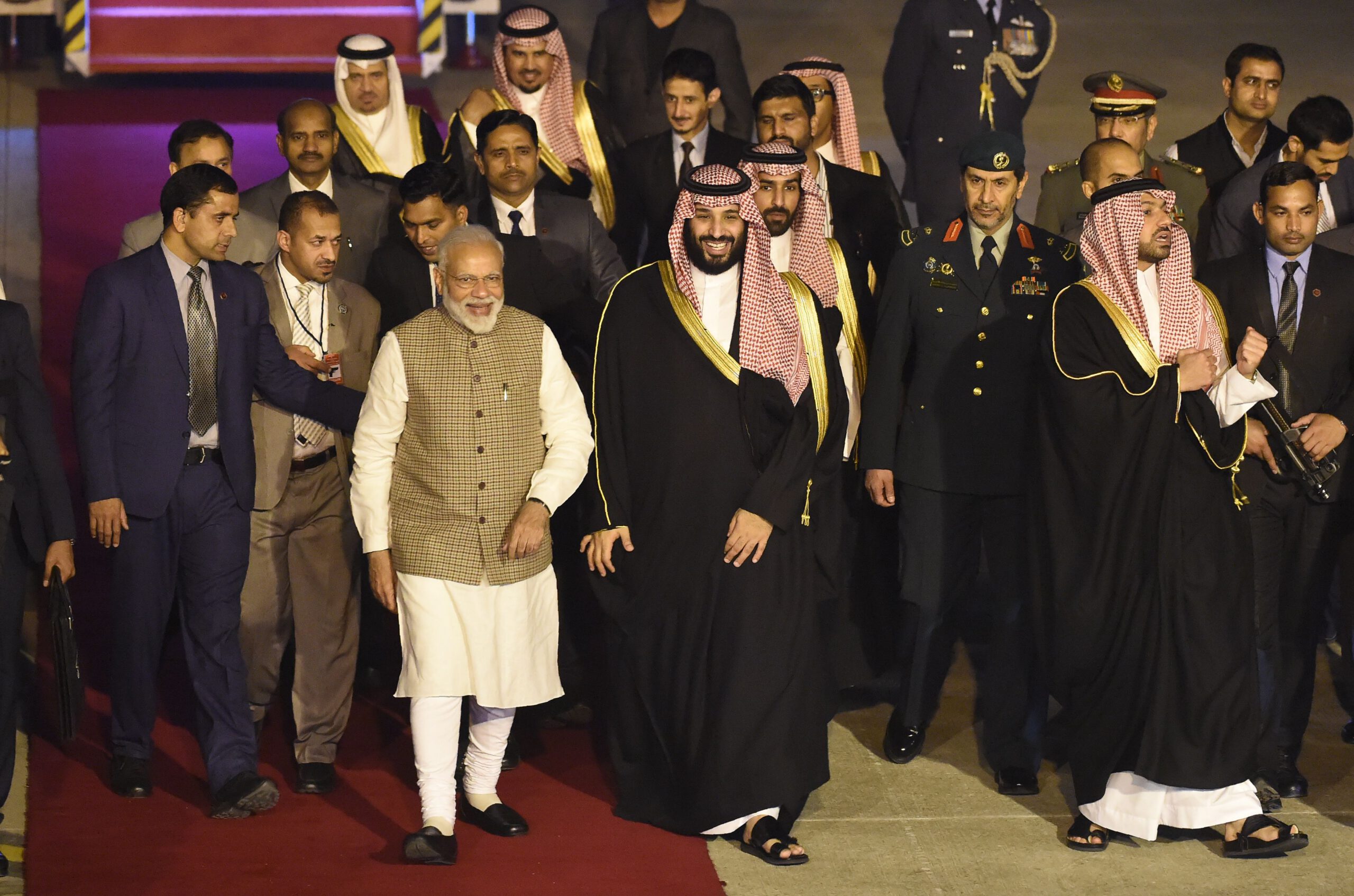
Saudi Crown Prince Mohammed bin Salman has wrapped up another round of checkbook diplomacy, showering up to $100 billion on Pakistan, India, and China during his visit to the three countries in late February. The trip was important for another reason as well: It showcased a new Saudi strategy of playing a more assertive foreign-policy role far beyond the Middle East.
The Belt and Road Initiative in the Gulf: Building “Oil Roads” to Prosperity
Although the Gulf is not highlighted on the official map of China’s Belt and Road Initiative, it is one of the main regions where the BRI is being implemented. On the occasion of President Xi Jinping’s speech at the 6th Ministerial Conference of the China-Arab States Cooperation Forum in June 2014, he declared the regional countries as being “natural cooperative partners in jointly building the BRI.” Since then, Chinese state and private firms, banks, and financial institutions have embarked on efforts to advance the BRI in the Gulf, particularly in the energy sector.
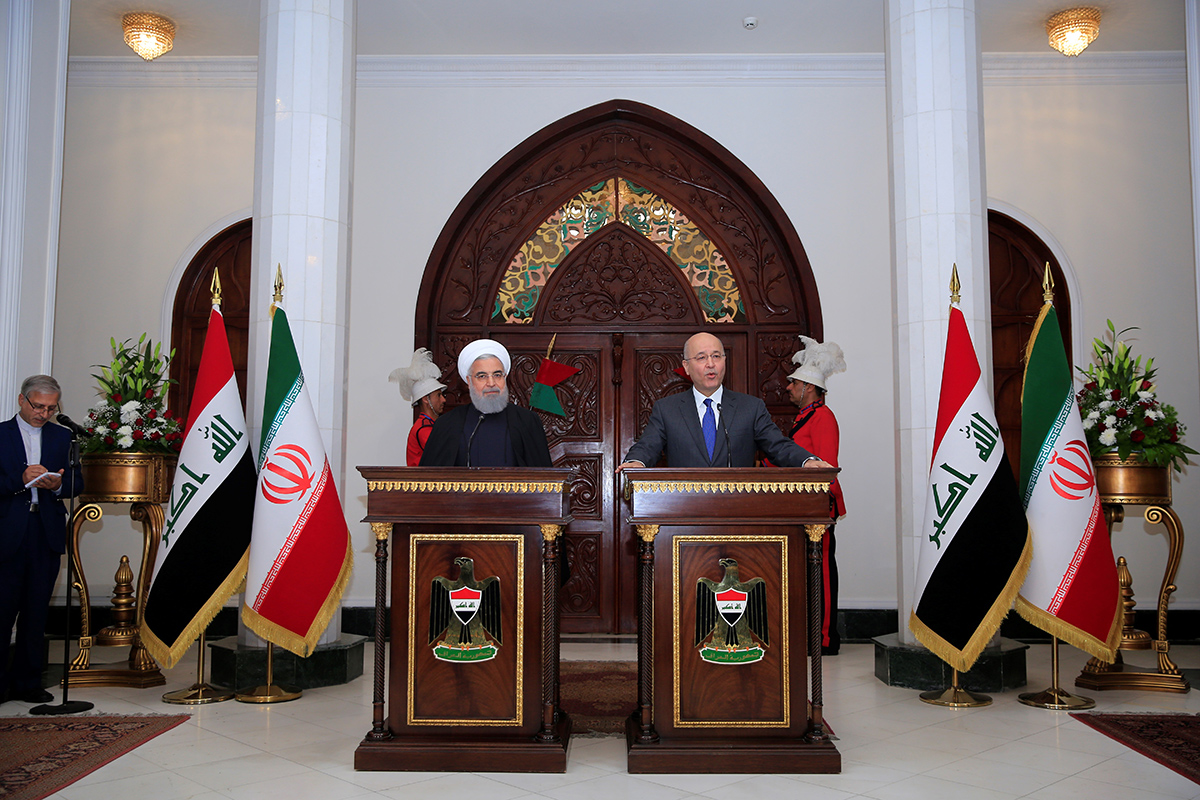
In this week’s Monday Briefing, MEI experts Randa Slim, Robert S. Ford, Marvin G. Weinbaum, James P. Farwell, Emadeddin Badi, Guney Yildiz, and Jean-François Seznec provide analysis on recent and upcoming events including Iranian President Hassan Rouhani’s visit to Baghdad, reconstruction efforts in Syria, the crackdown on militant Islamists in Pakistan, Iran’s cyber attack capabilities, upcoming elections in Libya, Turkish-Egyptian tensions, and Qatar’s $12B loan from bond markets.
Both the U.S. State Department and the American intelligence community have concluded that President Trump’s “maximum pressure” policy toward Iran is not working. Yet, Trump seems determined to carry on. To achieve its stated goal of changing Iran’s policies, the U.S. should adopt a more proportional approach that focuses on Tehran’s most threatening actions, such as its ballistic missile tests.
US foreign policy towards the Middle East: Pumping air into a punctured tire
Theorizing the future of the Arab Gulf states and the broader Middle East requires a proper assessment of the state of power distribution in the region. Is there a new balance of power emerging in the Middle East, or is the distribution of power heading in a more dangerous direction?