Iran-Backed Forces Link Up along Syrian-Iraqi Border near al-Tanf despite U.S. Warnings
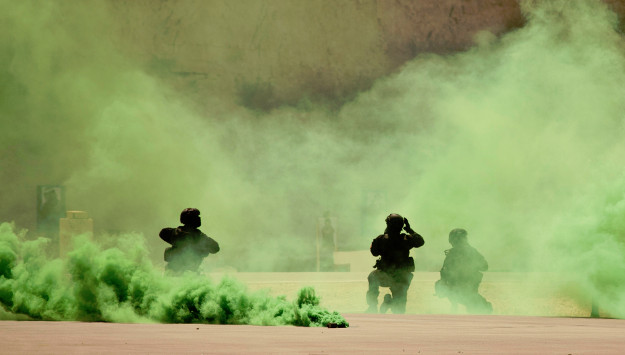
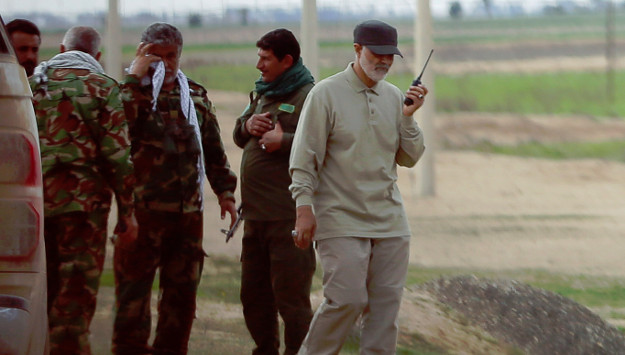
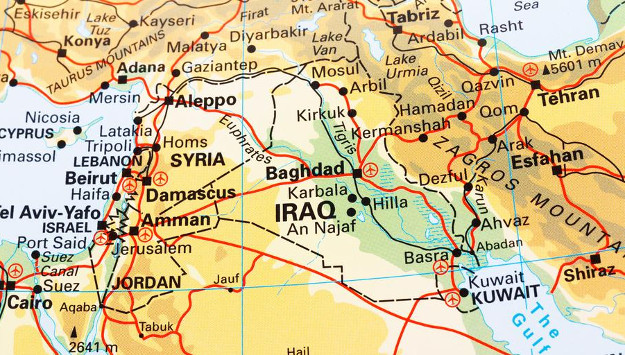
Iranian-supported Shiite militia forces in Iraq and Syria have finally linked up along the shared border between the two countries, Fars News Agency reports.
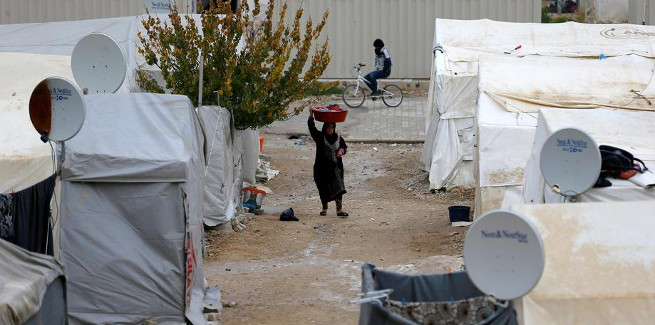
Since the outbreak of the Syrian war, Turkey has become a critical conduit for international humanitarian operations and life-saving economic support to approximately three million Syrian refugees. Turkey’s decision to restrict various international NGOs from operating within its territory is now disrupting crucial provisions to those in both northern Syria, and inside its own borders.
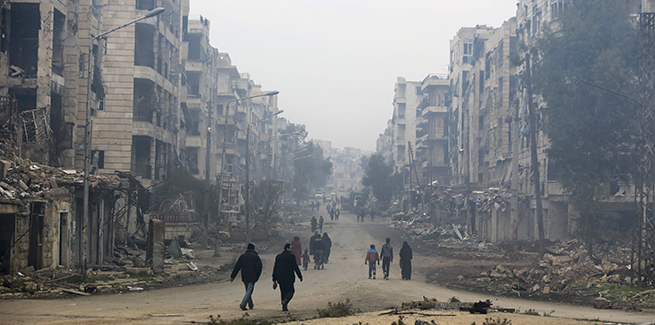
Six months after the heavily publicized defeat of Syrian rebel forces in Aleppo to the Assad government, the once magnificent metropolis and largest city of northern Syria is still reeling from the consequences of years of violent conflict. The elaborate communal, economic and material threads that for centuries had made up the social fabric underpinning the city’s wealth, as well as its physical and societal integrity, may have been irreparably damaged. Today, much of the city lies in rubble and many of its once proud inhabitants have been reduced to abject poverty.
Can the Trump Admin get its Act Together on G.C.C. Crisis? | Monday Briefing
In this week’s Monday Briefing, MEI experts Gerald Feierstein, Robert S. Ford, Alex Vatanka, and Ruba Husari provide analysis on the Trump administration’s handling of the G.C.C. crisis, how Iran and energy markets have responded to it, and the escalating conflict in eastern Syria.
Afghan Militia Led by Soleimani Reach Syrian-Iraqi Border in Defiance of U.S.
Iranian-led Afghan Shiite militia forces have made significant territorial gains in southeastern Syria and have reached the shared border between Syria and Iraq, the Iranian media reports.
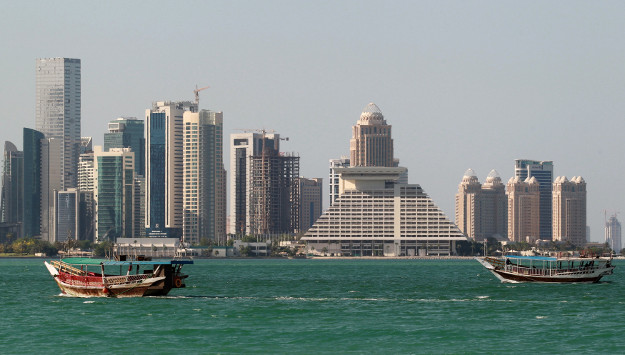
Those visiting Doha are often told by locals that the city is the epicentre for political deal-makings in the Middle East. If you just want to do business, go to Dubai, the Qatari political elites are fond of saying.
Rouhani Blasts U.S. Strikes in Syria and Reiterates Support for Assad
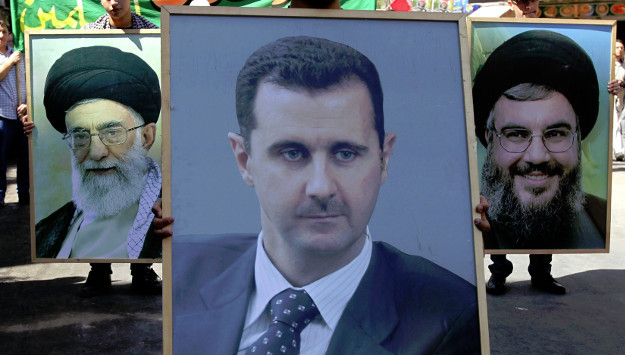
Iranian President Hassan Rouhani hailed the latest military gains by the Syrian army and its allies and reiterated Tehran’s continued support to Damascus in a telephone conversation with his Syrian counterpart Bashar al-Assad earlier today. The Iranian president also condemned the latest U.S. strikes against pro-Damascus forces in southeastern Syria as a violation of international law.
One way to understand the depths of the animosity that blew up the myth of brotherhood and cooperation among the monarchies of the Arab Gulf states on Monday is to look beyond the angry statements to a map published recently by the U.S. Energy Information Administration.
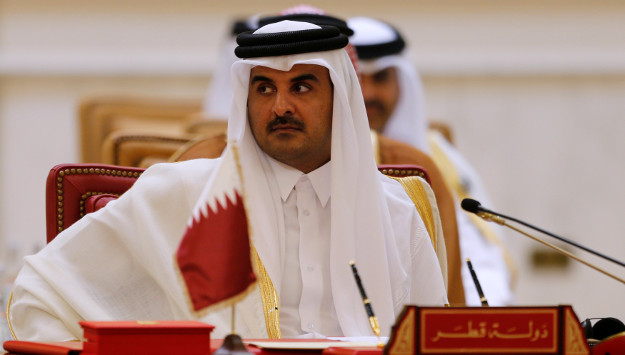
Citizens of the Gulf Cooperation Council (GCC) states woke up on Monday morning to what is the most severe crisis in the regional block’s 38 year history to date. In a closely coordinated series of statements, Saudi Arabia, Bahrain and the UAE, along with Egypt, announced the severing of ties with the peninsular state of Qatar.
U.S.-led Coalition Strikes Pro-Assad Forces near al-Tanf Again
The U.S.-led coalition announced today that it “destroyed additional pro-Syrian regime forces that advanced inside the well-established de-confliction zone in southern Syria.” The U.S.
Israel to Announce Settlement Expansion | Monday Briefing
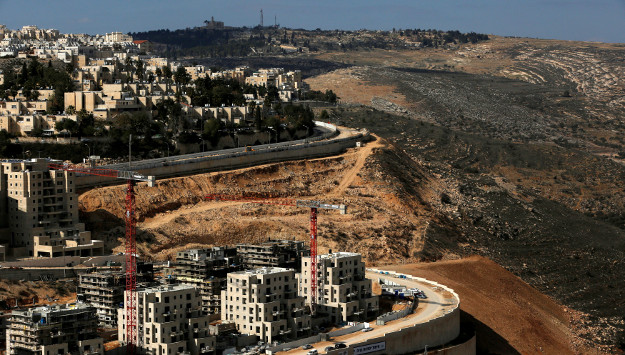
In this week’s Monday Briefing, MEI experts Yousef Munayyer, Randa Slim, and Paul Salem provide analysis on recent and upcoming events including Israel’s expected announcement of new settlement expansion, the escalating risk of a clash between U.S.-backed and pro-Iranian forces in southeastern Syria, and Lebanon’s efforts to pass a reformed election law.
Iran-Backed Iraqi Militias Vow to Seize al-Tanf from U.S. and Its Syrian Allies
After making significant territorial gains in western Mosul and reaching the Syrian border, Iran-backed Iraqi militia forces today announced that they plan to “recapture” the strategic al-Tanf border crossing from the U.S.-backed Syrian opposition groups, the Iranian media reports.
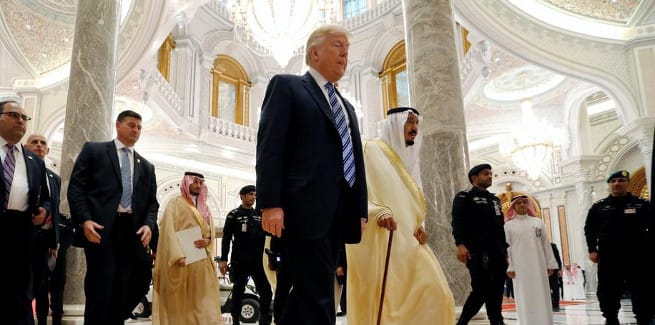
What Does Trump’s Visit to Saudi Arabia Mean for Russia?
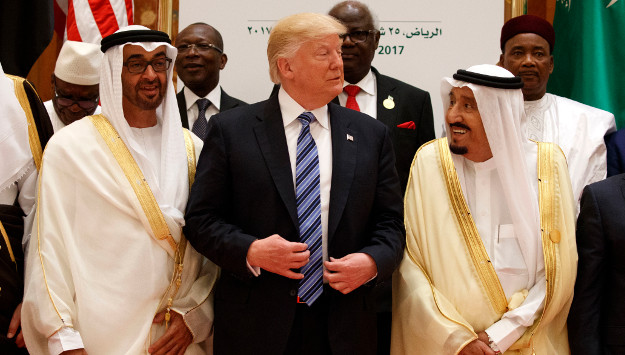
On May 20, President Donald Trump landed in Riyadh for the first stop of his nine-day Middle East and European tour. Many hoped that the president’s long-awaited trip would clarify his administration’s approach to the Middle East. As expected, the most important developments involved a $110 billion arms deal, anti-Iranian rhetoric and plans to establish an “Arab NATO.”