Iranian protesters clash with police over water dispute in Isfahan
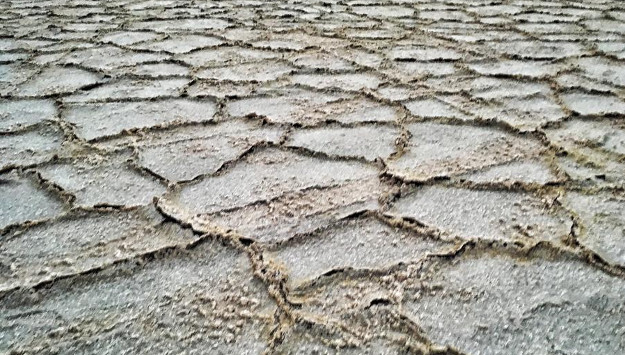
Scores of angry Iranian farmers clashed with local security forces in the central province of Isfahan over a water dispute, the BBC Persian reported. The police used tear gas to disperse the protesters, who were chanting antigovernment slogans.
Arab summit calls on Iran to end “expansionist policies”, return disputed islands to UAE
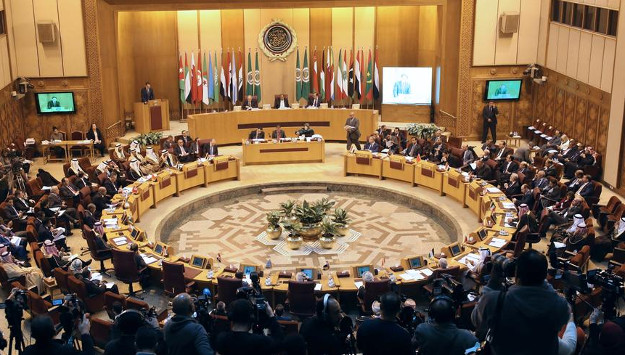
A summit of Arab foreign ministers in Cairo called on Iran to stop its “expansionist policies” and interference in the internal affairs of the Arab countries – drawing an angry response from the Iranian foreign ministry.
Iran-backed militia groups will receive full military benefits under new decree
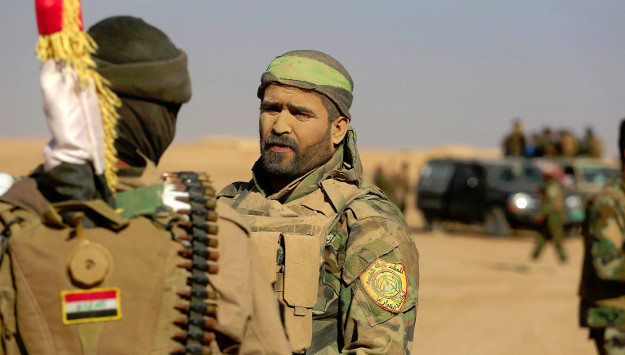
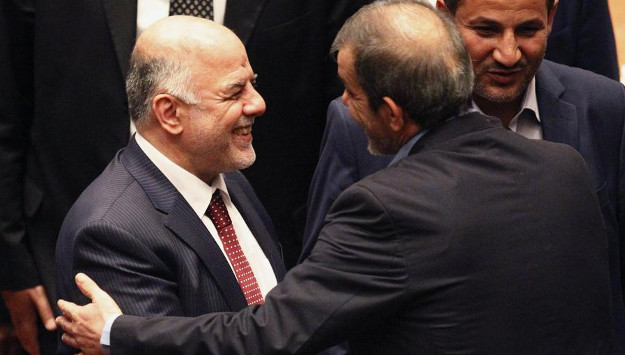
Iraqi Prime Minister Haider al-Abadi yesterday issued a decree on the inclusion of the Popular Mobilization Forces (PMF) in the country’s security forces, the Iranian and Lebanese media reported. According to the Abadi’s order, the paramilitary forces, also known by its Arabic name Hashd al-Shaabi, will receive equivalent salaries and other benefits as the country’s military personnel under the Ministry of Defense. The PMF forces from now on also can enroll in military colleges and institutions and will be subject to the country’s military service laws and regulations.
Khamenei rules out negotiation with West over Iran’s regional role
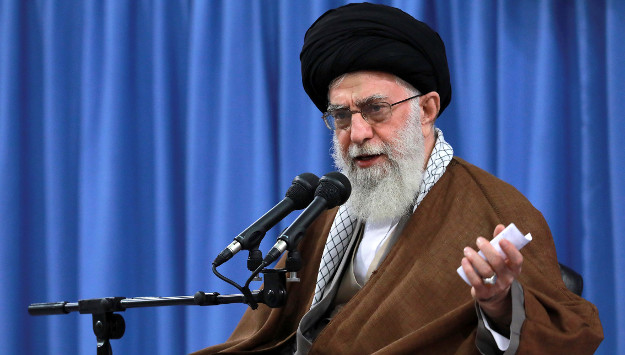
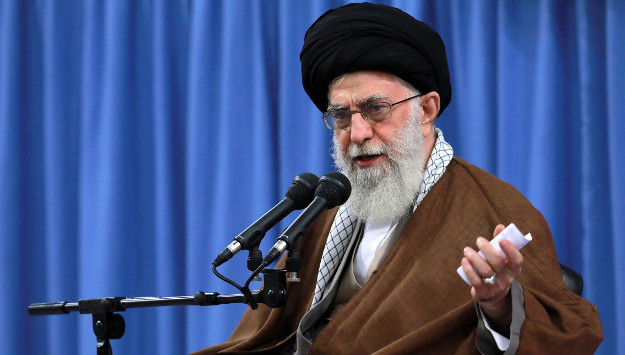
Iran’s Supreme Leader Ali Khamenei said today that the Islamic Republic will not negotiate with the West regarding its presence and policies in the Middle East,
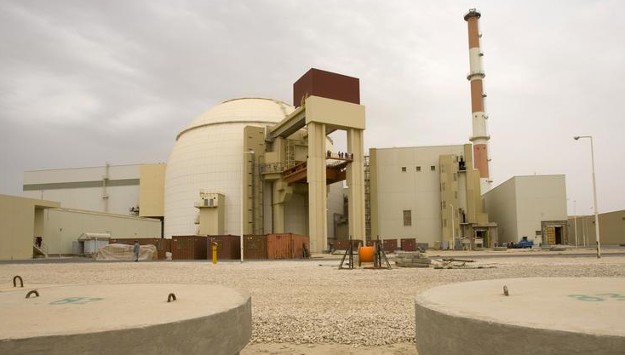
AEIO spokesman: Iran can resume 20% enrichment, builds nuclear-powered ships
Iran can resume 20 percent uranium enrichment within two days using new enrichment machines the country has developed, the spokesman of the Atomic Energy Organization of Iran (AEOI) has said. Behrouz Kamalvandi further warned that if the Trump administration cancels the 2015 nuclear agreement, Tehran will further enhance the scope of its nuclear enrichment capabilities.
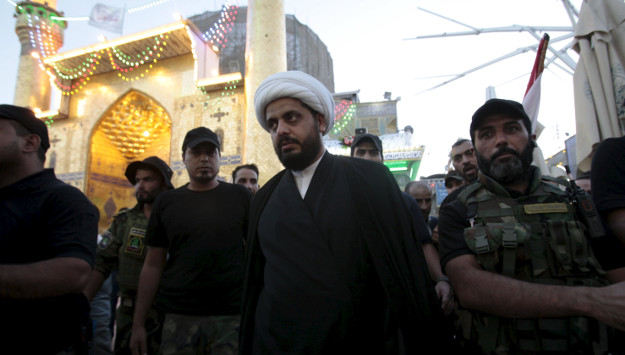
Iran-backed Iraqi militia group says it’s “legitimate” to confront US forces
The spokesman of Asa’ib Ahl al-Haq (AAH), an Iraqi militia group with close ties with Iran’s Revolutionary Guards and the Lebanese Hezbollah, described the US presence in Iraq as “illegal” and called for the withdrawal of American troops from the country. His remarks were the latest in a series of similar statements against the US presence in Iraq by Iranian-backed groups in recent months.
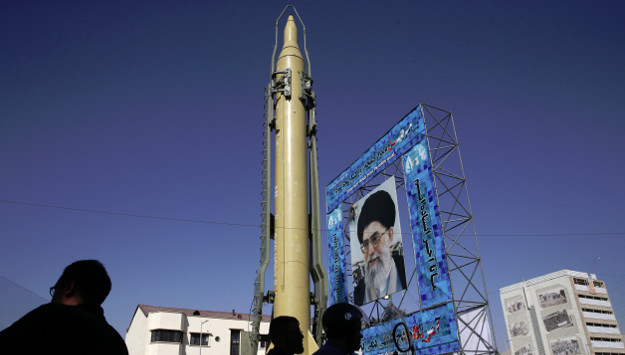
IRGC says Iran has tripled missile production in defiance of Western demands
A senior commander of the Islamic Revolution Guards Corps said today that Iran has increased its missile and defense-related production three-fold despite mounting pressure by the United States and its allies,
Iraqi Hezbollah calls on Baghdad government to set up US exit timeline
The Iraqi Hezbollah welcomed the latest decision by the country’s parliament to devise a timetable for the withdrawal of foreign troops and accused the American forces of promoting instability in the war-torn country. “America will create new terrorist groups to justify keeping its forces in Iraq,” the milita group said in a statement.
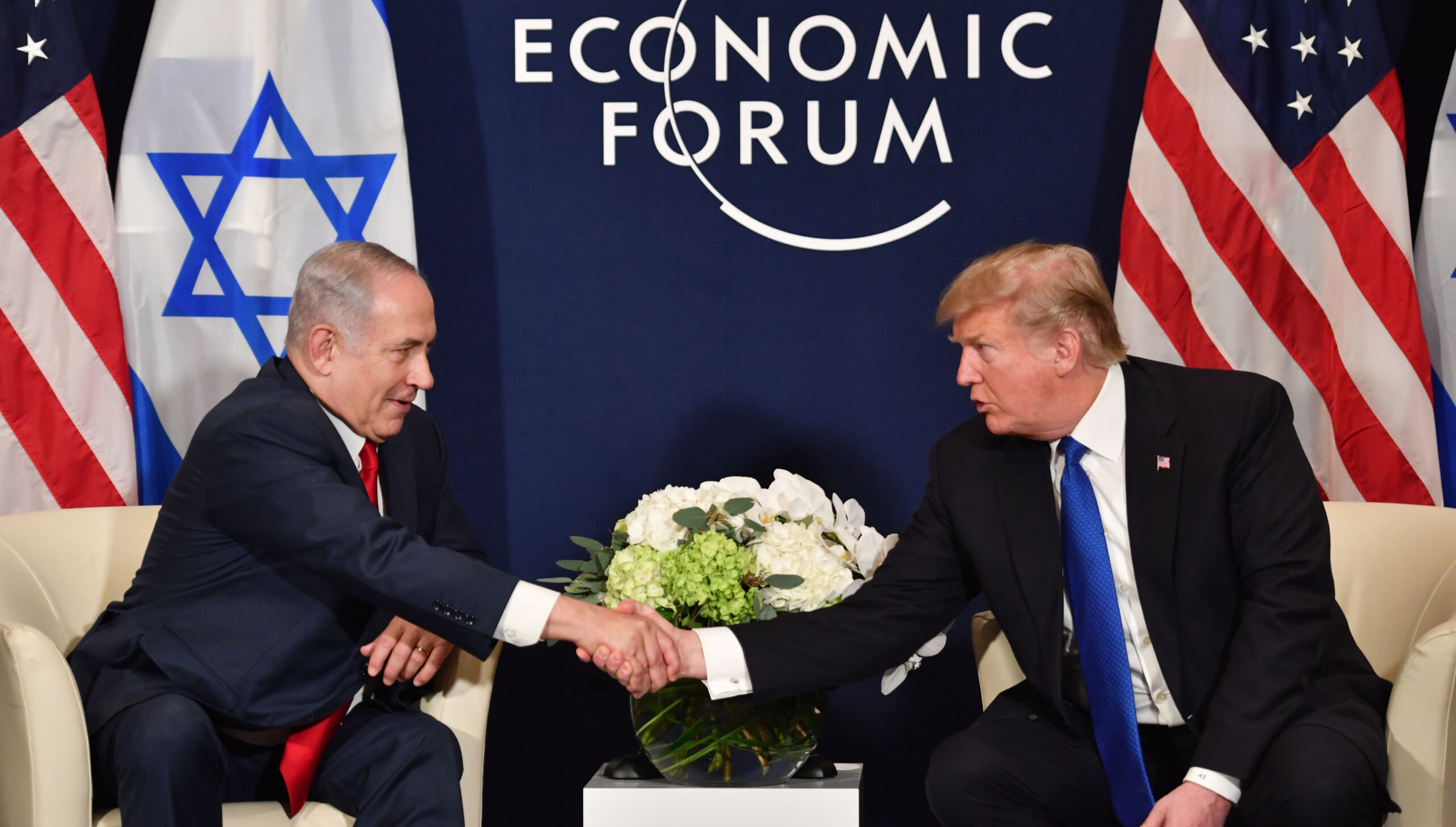
Monday Briefing: Trump and Netanyahu's ultimate deal
In this week’s Monday Briefing, MEI experts Eran Etzion, Gerald Feierstein, Marvin G. Weinbaum, and Gonul Tol provide analysis on recent and upcoming events including Netanyahu’s meeting with Trump, the Saudi Crown Prince’s first extended travel abroad, the Taliban’s call for peace negotiations with the U.S., and Turkey’s pivot to Africa.
Bahrain says arrested 116 members of IRGC-established “terror cell”
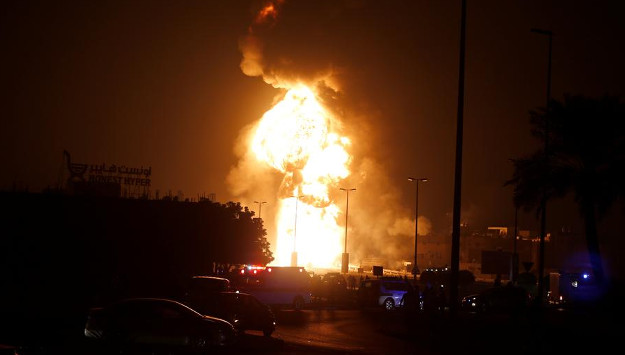
The Bahraini government said on Saturday that its security forces had foiled a number of terrorist plots and arrested 116 people who were allegedly members of an armed group run by Iran’s Islamic Revolution Guards Corps (IRGC). “The Revolutionary Guards formed several terrorist organizations and brought them together under one umbrella,” a statement released by the Bahraini Interior Ministry said.
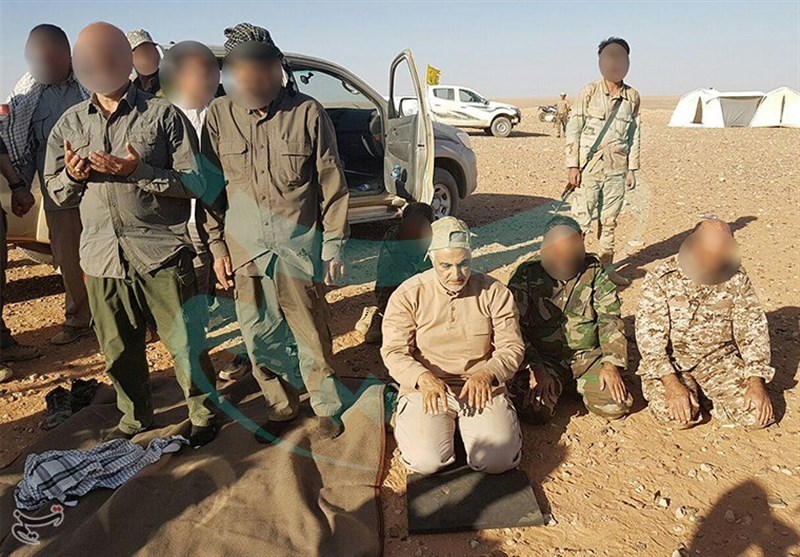
Afghans fear IRGC may deploy Fatemiyoun fighters to Afghanistan
On March 2, Mohammad-Hashem Esmat-Allahi, who served as a senior adviser to former President of Afghanistan Hamid Karzai, praised Afghan Shiite militiamen fighting in Syria.
Khamenei praises Assad and vows “resistance front” will soon pray in Jerusalem
Iran’s Supreme Leader Ali Khamenei praised Syrian President Bahsar al-Assad as a “great fighter” and reiterated Tehran’s support for Syria as a “front line” state against the United States and Israel, the Iranian media reported. “Today, Syria is the front line. Therefore, it is our duty to support the Syrian resistance. Indeed, Mr. Bashar al-Assad emerged as a great fighter and stood up firmly and without hesitation.
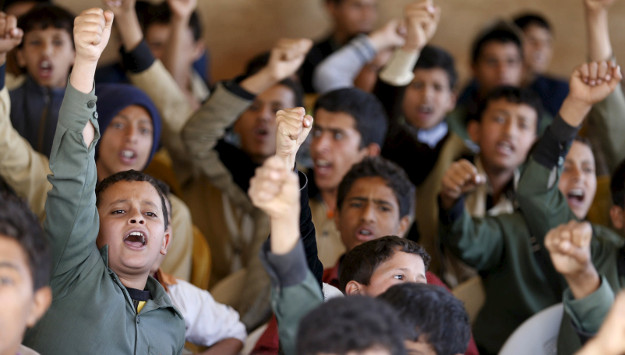
New Houthi-imposed university curriculum reportedly glorifies Iran, promotes sectarianism
A new academic curriculum introduced by the Houthi rebels in Yemen’s Sana’a University promotes sectarianism and glorifies the Houthis and their foreign allies in Iran, Lebanon and Syria, according to reports published in Al-Arabiya,
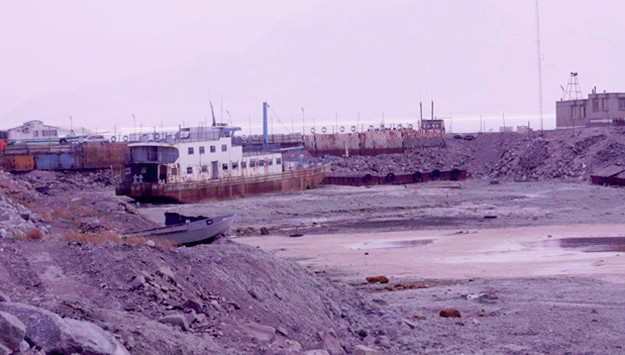
Water crisis fueling tension between Iran and its neighbors
Iran’s growing water shortage and other environmental challenges have recently reached crisis point. Water scarcity and air pollution have not only triggered sociopolitical and security problems inside the country but have also caused tension between Iran and its neighbors. With the collapse of ISIS, Iran and Turkey are stepping up competition for the control of water in the region, while a potential effort by Tehran to severely restrict the flow of water into Iraq could create more problems for the war-torn country.