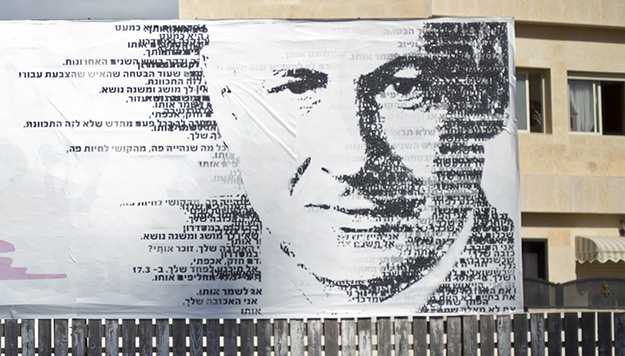
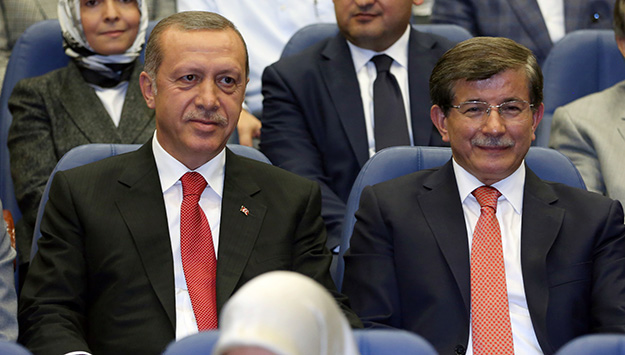
In Turkey today, as President Recep Tayyip Erdogan and Prime Minister Ahmet Davutoglu wrestle over who governs, the political uncertainty they are creating may be a ground tremor about to generate an earthquake. The earthquake, however, may not only be political in nature; it may also be economic.
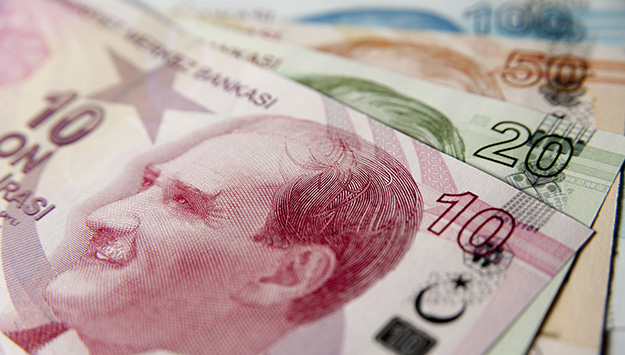
Turkey’s remarkable economic growth is now in jeopardy. Its economy is drifting, beset by contrary winds of economic policies and political wrangling. There is a clear track forward, but to reach the next level of prosperity, the government must undertake a major new effort.
The Middle East in China’s Silk Road Visions: Business as Usual?
Chinese President Xi Jinping’s 2013 proclamation of the Silk Road Economic Belt (“One Belt, One Road”) and Twenty-First Century Maritime Silk Road initiatives provided an overarching framework for understanding China’s strategic priorities over the coming decade. The land-based and sea-based Silk Roads will link Asia and Europe via the Middle East and Central Asia through a series of transcontinental railroads, pipelines, ports, airports, and other infrastructure projects.
The recent public row between Deputy Prime Minister Bulent Arinc and Ankara Mayor Melih Gokcek marked the latest fallout from a widening rift between the country’s president, Recep Tayyip Erdogan, and his handpicked prime minister, Ahmet Davutoglu. If the crack continues to widen, it will not only deal a blow to Erdogan’s presidential dream but also to the future of the ruling party.
Israeli Elections and U.S. Policy Reevaluation: What Lies Ahead?
The Obama administration has lost all patience with Israeli Prime Minister Benjamin Netanyahu’s defiant challenges to two basic U.S. goals: a two-state Israeli-Palestinian peace and a nuclear deal with Iran. Netanyahu’s hostility and the emergence after the March 15 elections of a new, more right-wing coalition, have triggered a major crisis in relations and an apparent decision by Obama to “reevaluate” U.S. policy.
Collection Spotlight: In the Name of Oil: Anglo-American Relations in the Middle East, 1950-1958
Ivan L. G. Pearson’s In the Name of Oil: Anglo-American Relations in the Middle East, 1950-1958 provides a comprehensive analysis of the extent to which British interests in the Middle East influenced or were furthered by the United States between 1950 and 1958.
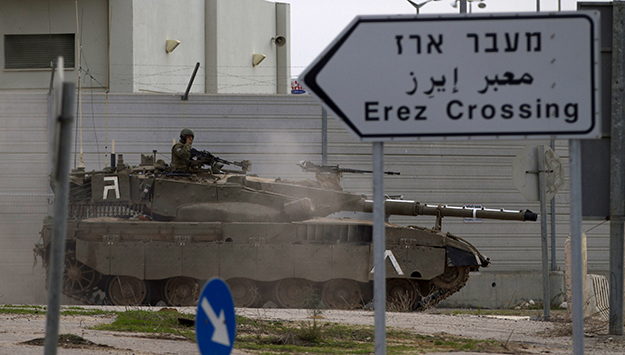
The Middle East is in disarray, but in Gaza, of all places, there are fragile hints of better days.
Two weeks ago, for the first time since Hamas’s takeover of the Gaza Strip in 2007, Israel permitted produce exports from Gaza into Israel and the West Bank.
Former British Prime Minister Tony Blair acknowledged Gaza’s plight during a visit to the area in February.
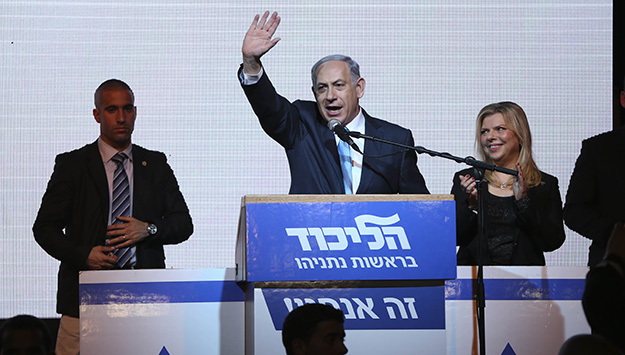
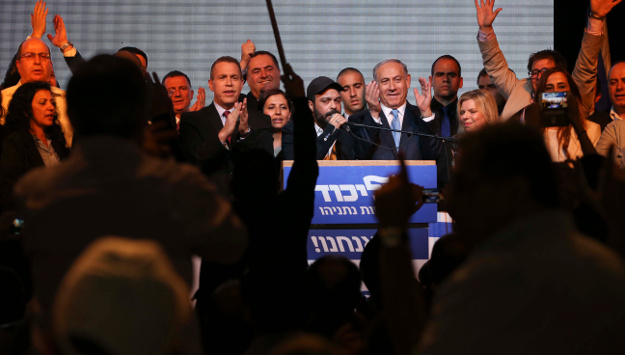
Those Israelis who hoped for a change in Israel’s direction awoke this morning to news worse than they had feared. With more than 99 percent of the vote reportedly counted, Prime Minister Benjamin Netanyahu’s Likud Party has won 30 seats to 24 for his main challenger, the Zionist Union’s Isaac Herzog.
Frustrated Turkey Turns to Onetime Ally Saudi Arabia
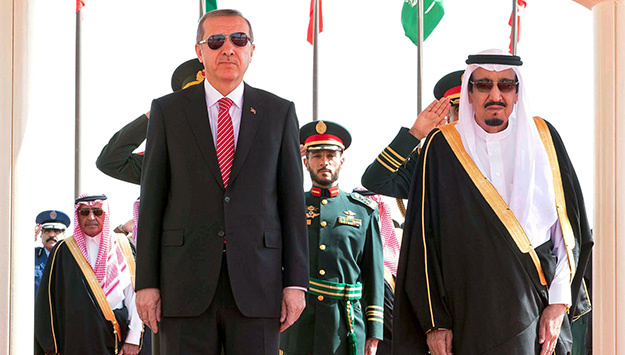
Frustrated by the United States’ failure to heed its advice on Syria and Iraq, and by Iran’s growing clout in these countries, Turkey seems to have decided to mend its frosty relationship with Saudi Arabia. When King Abdullah died earlier this year, Turkish President Recep Tayyip Erdogan immediately cut short an African tour and flew to Riyadh to offer his condolences. He declared a period of mourning in Turkey and ordered the Turkish flag to be flown at half-mast.
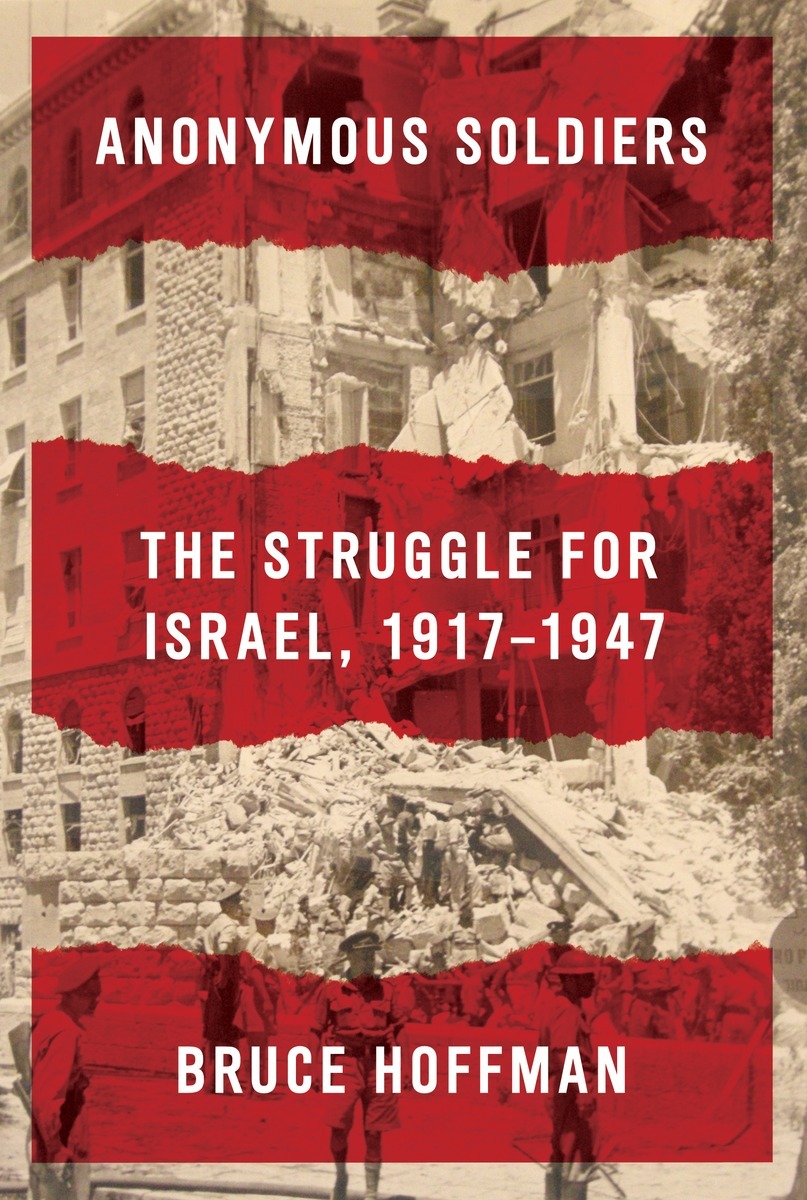
Anonymous Soldiers: The Struggle for Israel, 1917-1947
A review of Anonymous Soldiers: The Struggle for Israel, 1917-1947, By Bruce Hoffman (Knopf 2015). This book review was first published by The Washington Post.
Could Kurds Be the Liberal Alternative Turks Have Been Looking For?
Turkey’s first tangible democratic push came from the Islamist camp in 2002 when the Islamist-rooted Justice and Development Party (AKP) came to power. The second could come from an unlikely source: the Kurds.
Israeli Prime Minister Benjamin Netanyahu has come to the United States, spoken his piece and returned home to Israel to finish campaigning for the March 17 elections. Netanyahu’s visit to Washington was neither the triumph he expected nor the disaster forecast by opponents of the visit. Indeed, the visit shed no new light on the supposedly central issue of the day: the state of play in the Iran negotiations.
Turkey is in an unprecedented state of political tumult. Since the ascent of Recep Tayyip Erdogan’s Justice and Development Party (AKP) to power in 2002, all Turks have struggled to support, defeat, or accommodate this party that rose suddenly in free elections to national power. Now, that contest has entered a new and more dangerous phase.
One of the more enduring characteristics of Israel’s electoral campaigns is their ability to produce surprises, often with considerable political consequences.

 Ivan L. G. Pearson’s In the Name of Oil: Anglo-American Relations in the Middle East, 1950-1958 provides a comprehensive analysis of the extent to which British interests in the Middle East influenced or were furthered by the United States between 1950 and 1958.